Newsletters


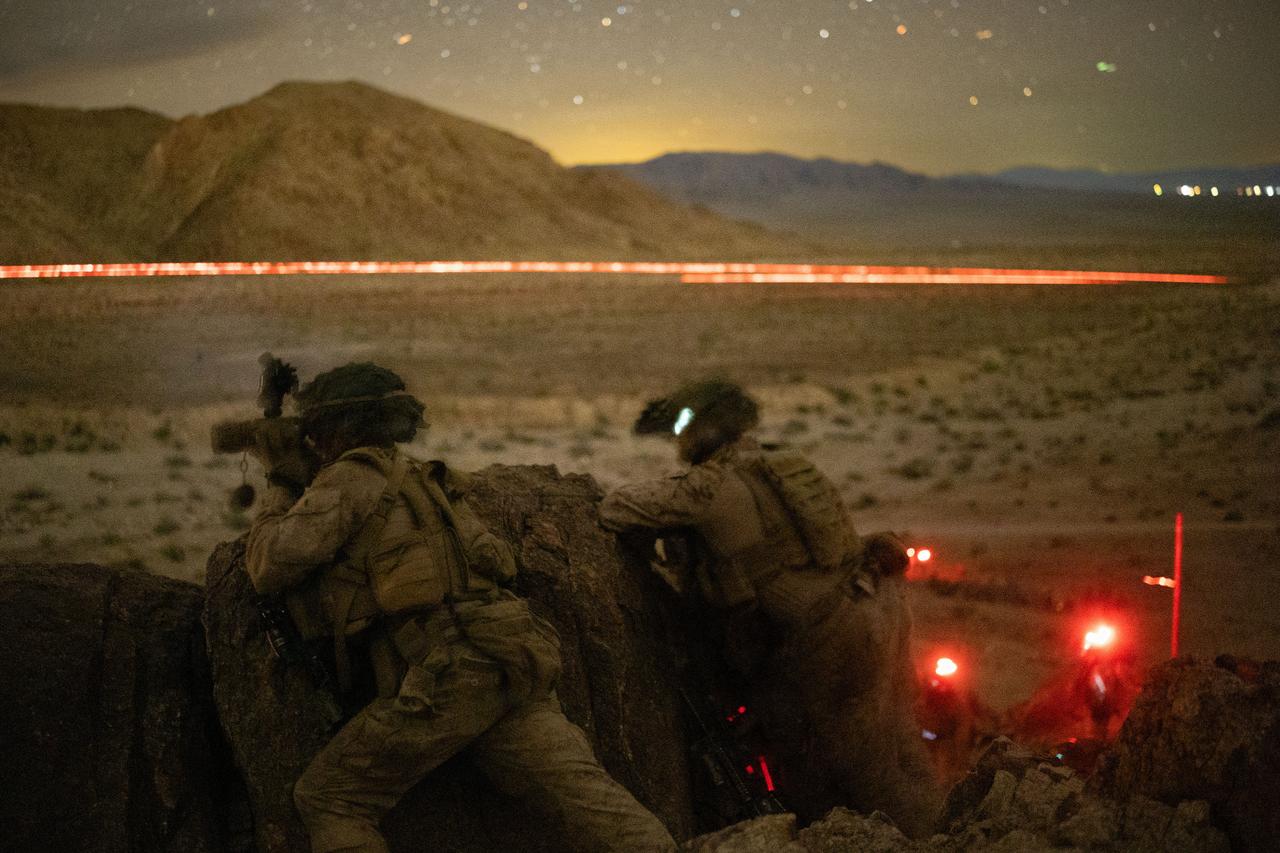


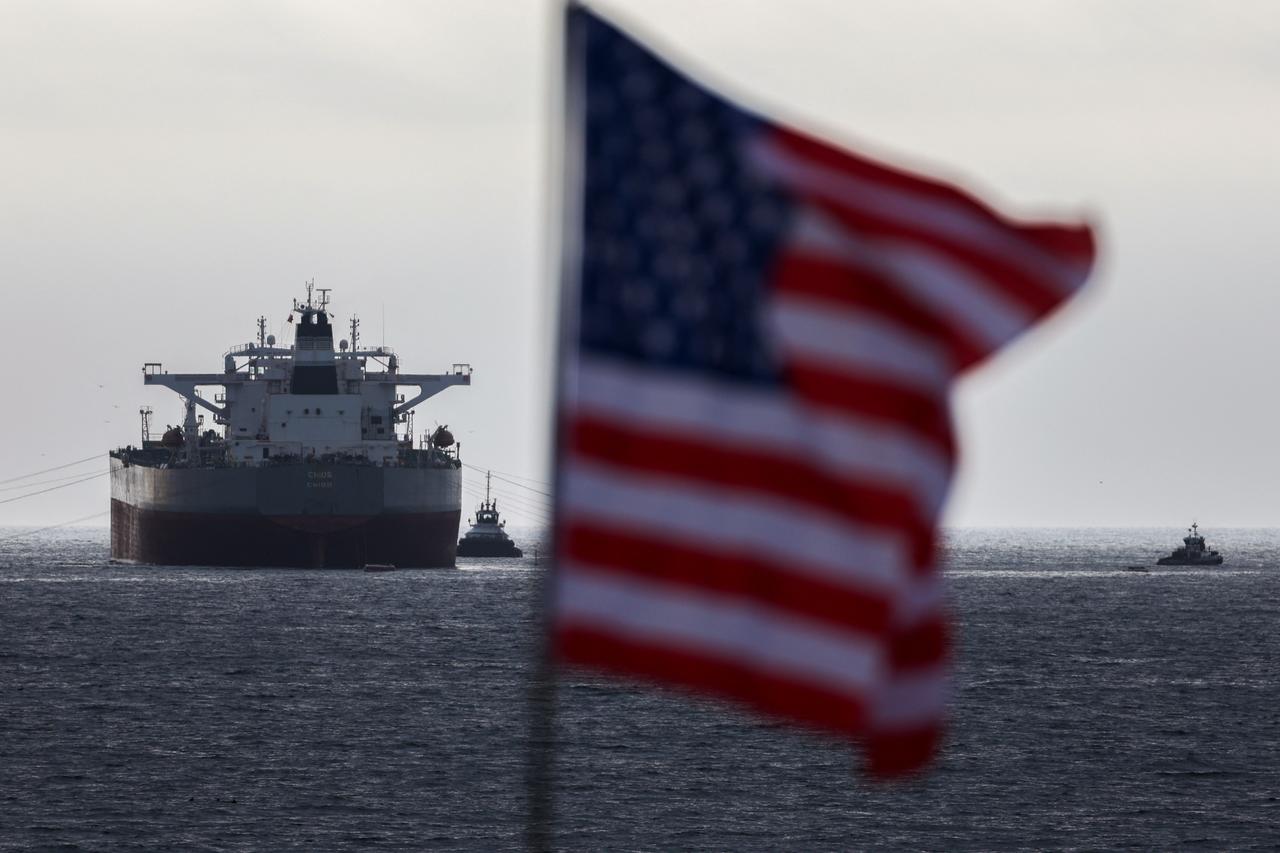
Thousands of U.S. Marines are scheduled to arrive in the Middle East on Friday, March 27, the same day as U.S. President Donald Trump's deadline for Iran to fully reopen the Strait of Hormuz.
The Pentagon also weighs deploying elements of the 82nd Airborne Division's Immediate Response Force (IRF) for a potential ground operation, including a possible seizure of Kharg Island, defense officials told The New York Times (NYT).
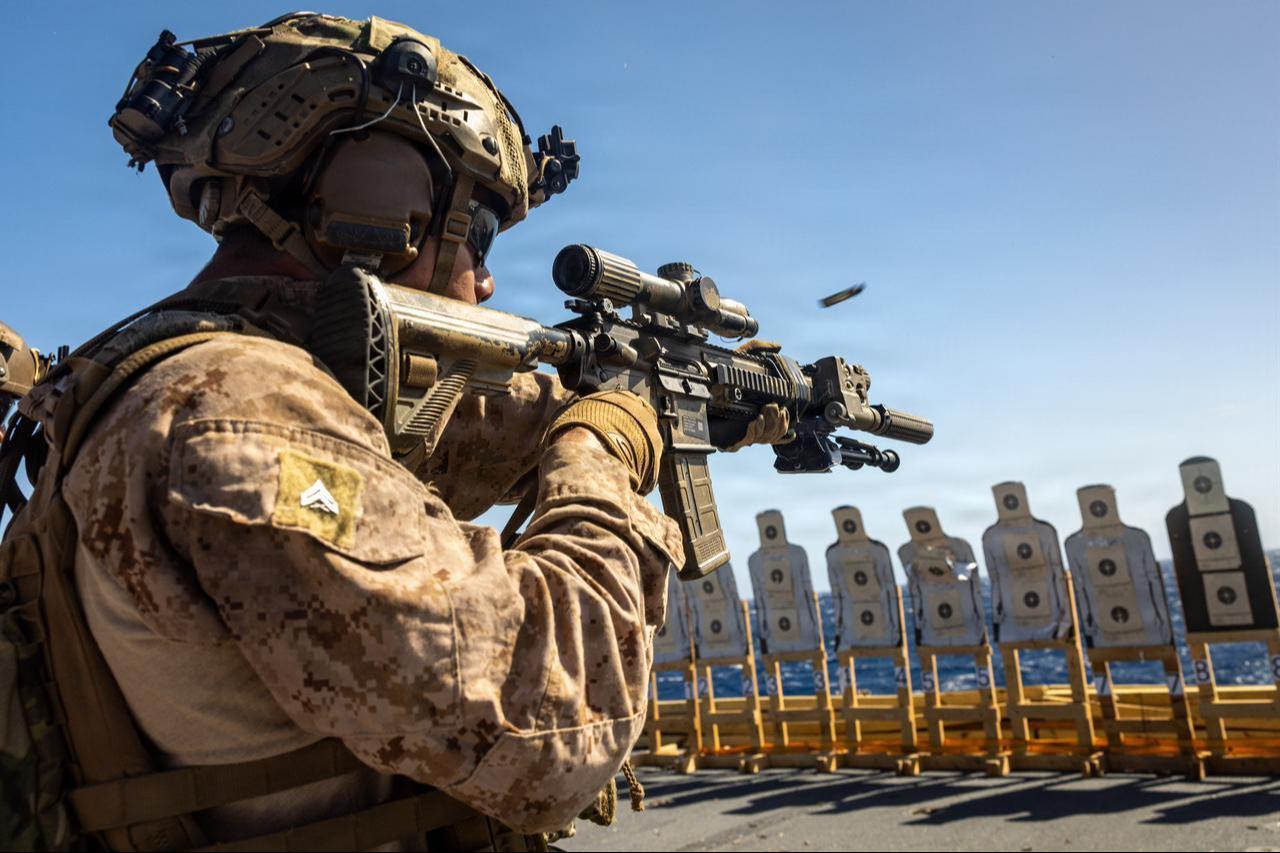

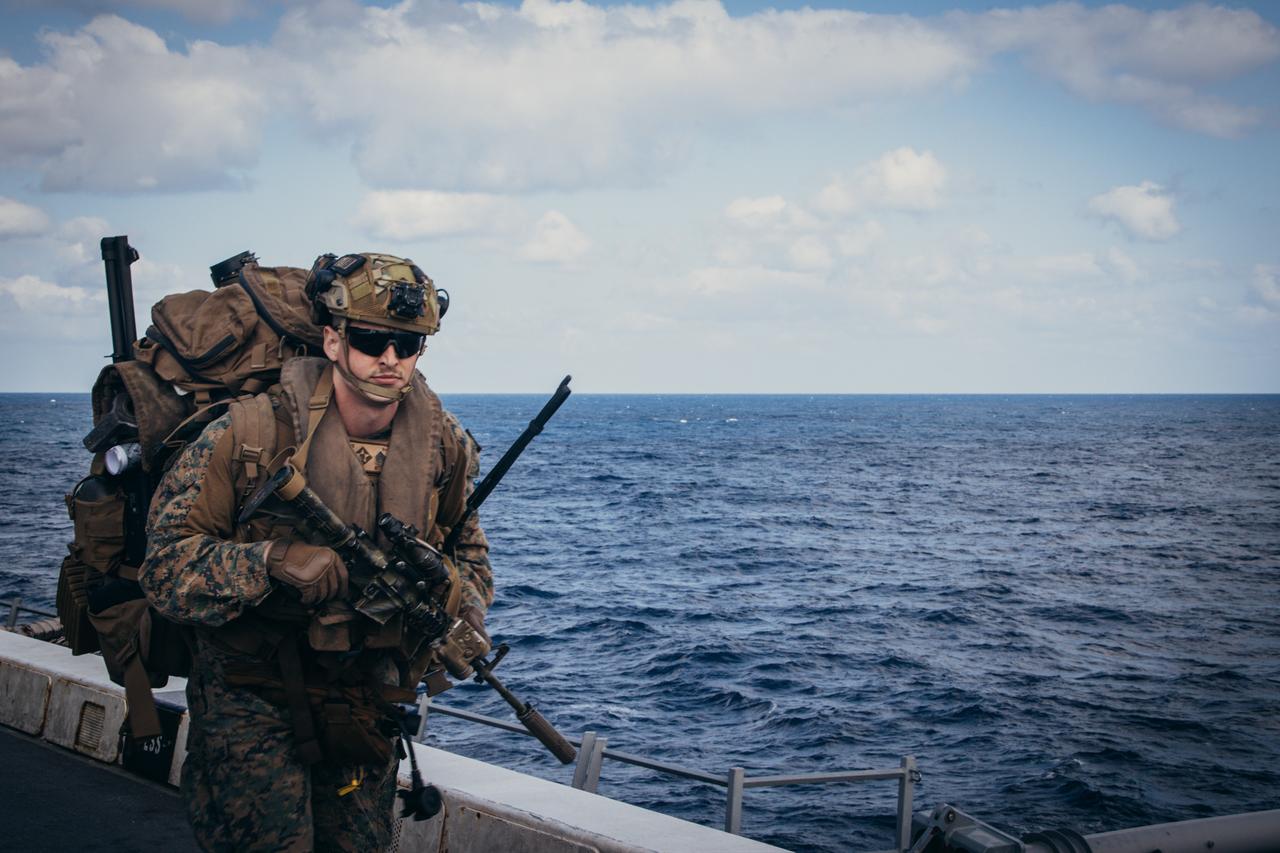
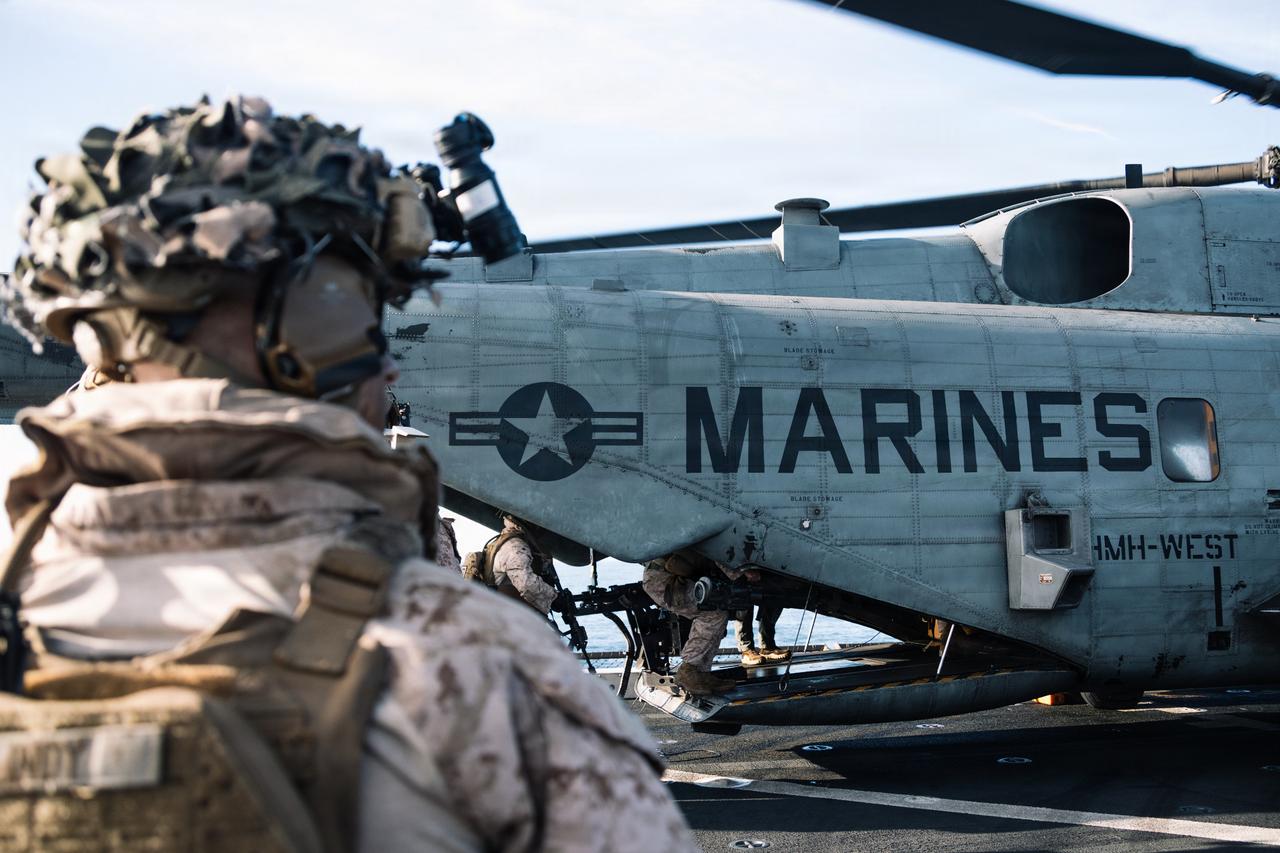
The Japan-based amphibious assault ships USS Tripoli and USS New Orleans, carrying approximately 2,200 Marines from the 31st Marine Expeditionary Unit (MEU), will transfer to U.S. Central Command's (CENTCOM) area of responsibility on Friday, the Wall Street Journal (WSJ) reported, citing two U.S. officials.
Officials added that it would take several additional days for the unit to reach the Strait of Hormuz after arrival.
The California-based 11th Marine Expeditionary Unit, aboard the USS Boxer Amphibious Ready Group, is planned to depart for the region in a few weeks.
When the Boxer group joins the USS Tripoli group, the combined six amphibious ships will have added roughly 8,000 service members in total to the region, Newsmax previously reported.
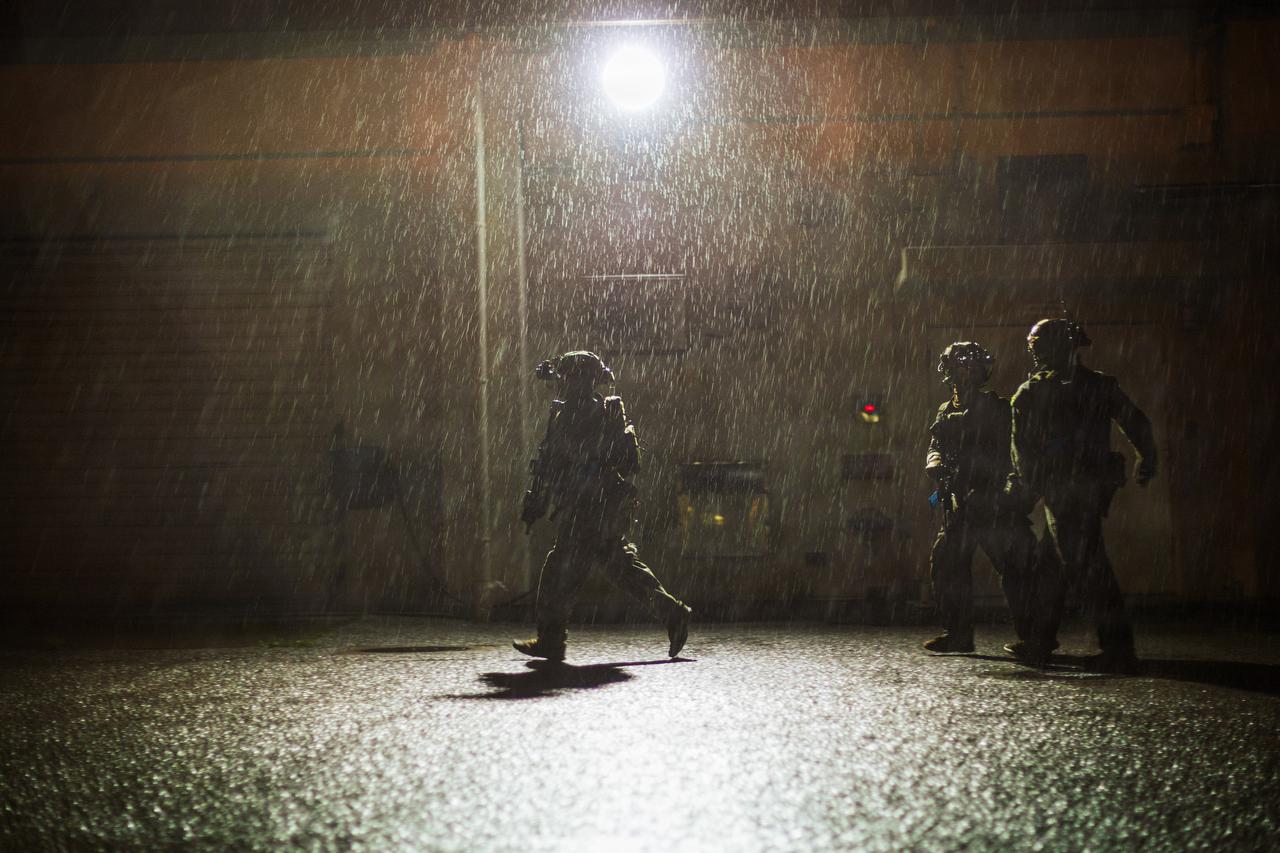
Senior military officials are weighing a possible deployment of a combat brigade from the Army's 82nd Airborne Division, along with elements of its headquarters staff, to support operations in Iran, the New York Times reported, citing defense officials speaking on condition of anonymity.
The officials described the actions as prudent planning and said nothing had been ordered by the Pentagon or CENTCOM.
The combat forces would come from the 82nd Airborne's Immediate Response Force, a brigade of approximately 3,000 soldiers capable of deploying anywhere in the world within 18 hours.
"These forces could be used to seize Kharg Island, Iran's main oil export hub," defense officials said.
One scenario under consideration involves an initial attack by approximately 2,500 troops from the 31st Marine Expeditionary Unit.
The airfield on Kharg Island was damaged in recent U.S. bombing raids, making a Marine-first approach more likely, according to former U.S. commanders, as Marines' combat engineers could quickly repair airfield infrastructure. Once repaired, the Air Force could begin to flow materiel, supplies, and additional troops via C-130s and C-17s.
In that scenario, troops from the 82nd Airborne could augment the Marines.
The advantage of paratroopers is that they can arrive overnight. The disadvantage is that they carry no heavy equipment, such as armored vehicles, which would offer protection in the event of an Iranian counterattack.
The Marines, in turn, lack the sustainment and staying power of the 82nd Airborne, which could relieve Marine forces after an initial assault.
In early March, the Army abruptly canceled the 300-member 82nd Airborne Division headquarters's participation in an exercise at the Joint Readiness Training Center at Fort Polk, Louisiana, keeping the command element at Fort Bragg, North Carolina, in case the Pentagon ordered the ready brigade to the Middle East, officials said.
The cancellation was previously reported by the Washington Post (WP).
The 82nd Airborne's Immediate Response Force has deployed on short notice several times in recent years, including to the Middle East in January 2020 after the Baghdad Embassy was attacked, to Afghanistan in August 2021 for evacuations, and to Eastern Europe in 2022 to support operations related to Ukraine.
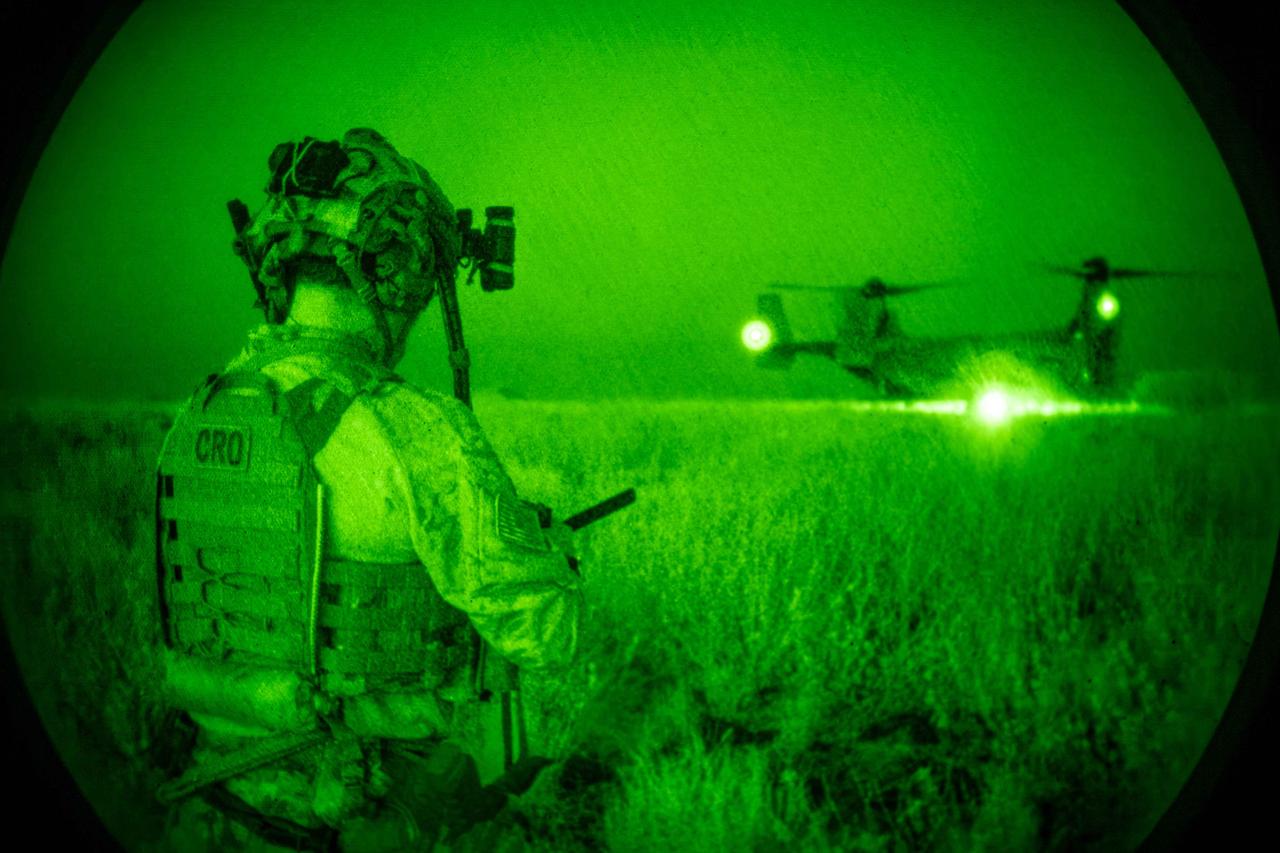
Trump issued a 48-hour ultimatum on March 22, threatening to "obliterate" Iranian power plants if Tehran did not reopen the Strait of Hormuz, before extending the pause on energy infrastructure strikes by five days on Monday, citing "productive" talks with Iran.
The five-day window expired Monday evening, meaning Friday's Marine arrival aligns precisely with Trump's extended deadline.
The broader regional military buildup includes the USS Boxer group, comprising the USS Boxer, USS Portland, and USS Comstock, carrying approximately 2,500 Marines from the 11th Marine Expeditionary Unit, for a total of approximately 4,000 service members across the three vessels.
Regional escalation has continued since the U.S. and Israel launched a joint offensive on Iran on Feb. 28, killing over 1,300 people, including then-Supreme Leader Ali Khamenei.


 Set as preferred source
 Set as preferred source


 1 min read
 1 min read