Newsletters


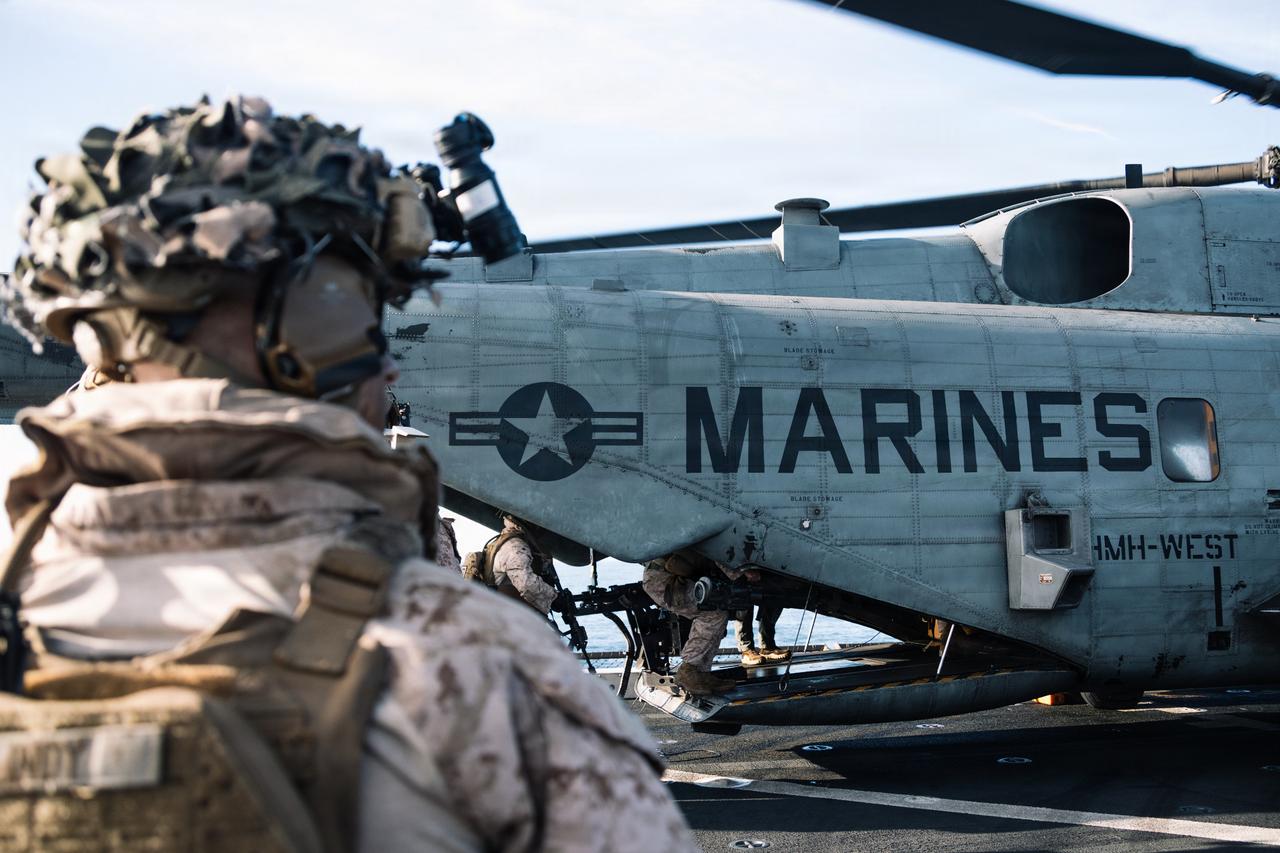


The United States is accelerating the deployment of approximately 8,000 additional Marines and sailors to the Middle East.
The Trump administration discusses possible ground operations inside Iran, including securing the Strait of Hormuz shoreline, seizing Kharg Island and retrieving Tehran's enriched uranium stockpile, multiple sources told Reuters and other outlets.
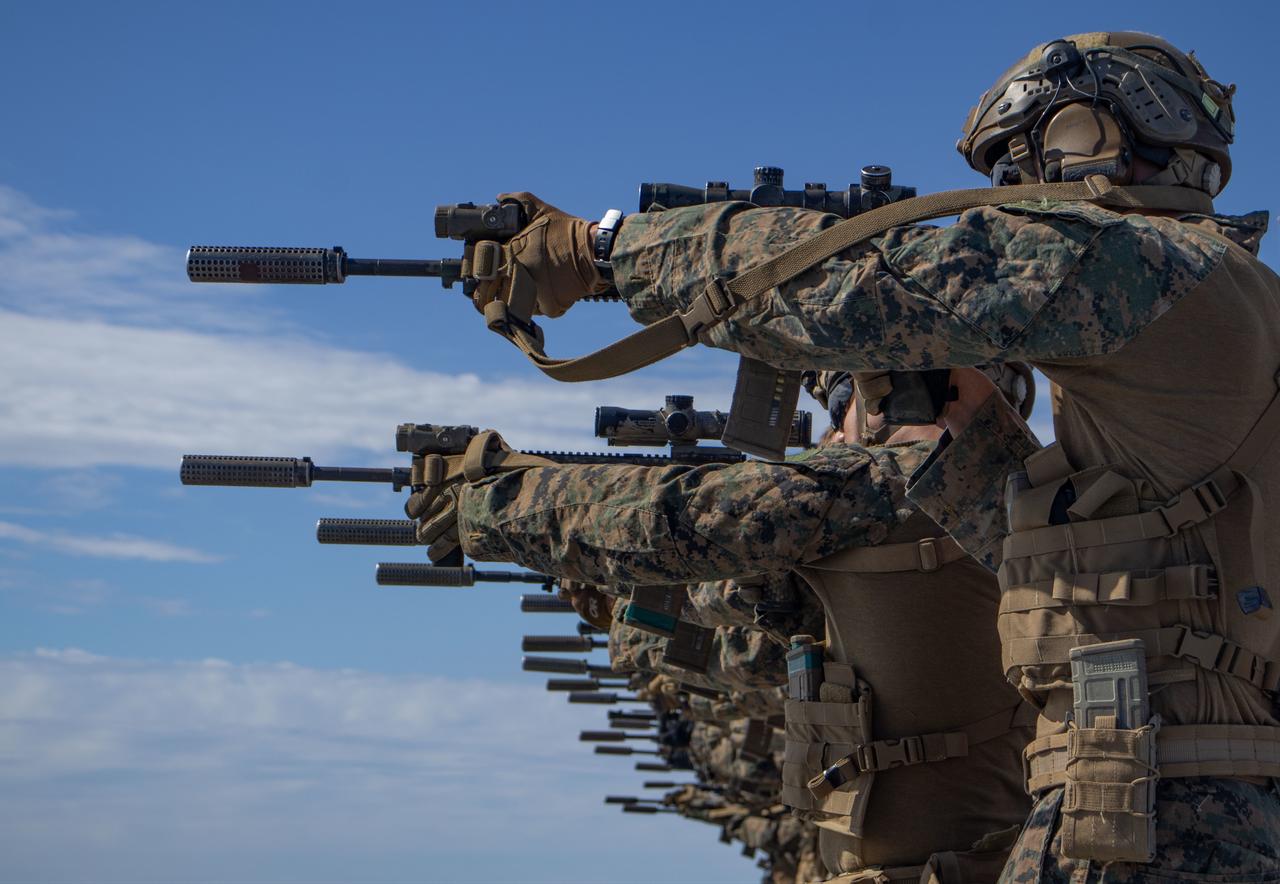

The USS Boxer Amphibious Ready Group and the 11th Marine Expeditionary Unit are deploying ahead of schedule from the West Coast, with sailors and Marines cutting short their leave to speed up arrival, Newsmax reported, citing four anonymous officials.
The Boxer group comprises the USS Boxer, the USS Portland and the USS Comstock, carrying around 2,500 Marines.
Together with the 11th Marine Expeditionary Unit, the three vessels will carry approximately 4,000 service members.
Once the Boxer group joins the USS Tripoli group already en route, the six amphibious ships will add roughly 8,000 service members to the region, the report said.
NBC News also reported the accelerated deployment, saying the 11th MEU was expected to depart from San Diego in the coming days with at least one, if not two, additional ships.
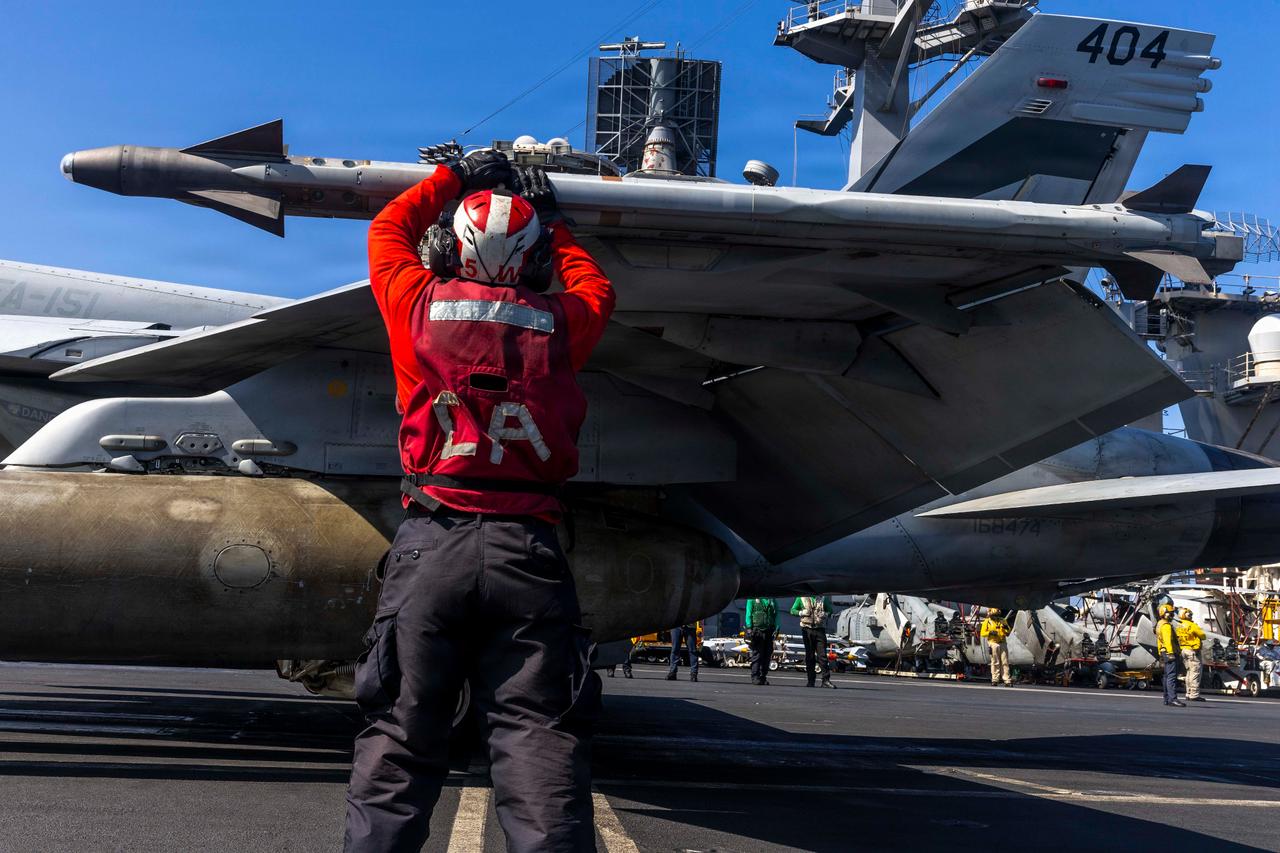
One source noted that the U.S. military was losing significant capacity after the decision to send the USS Gerald R. Ford aircraft carrier to Greece for maintenance following a fire on board.
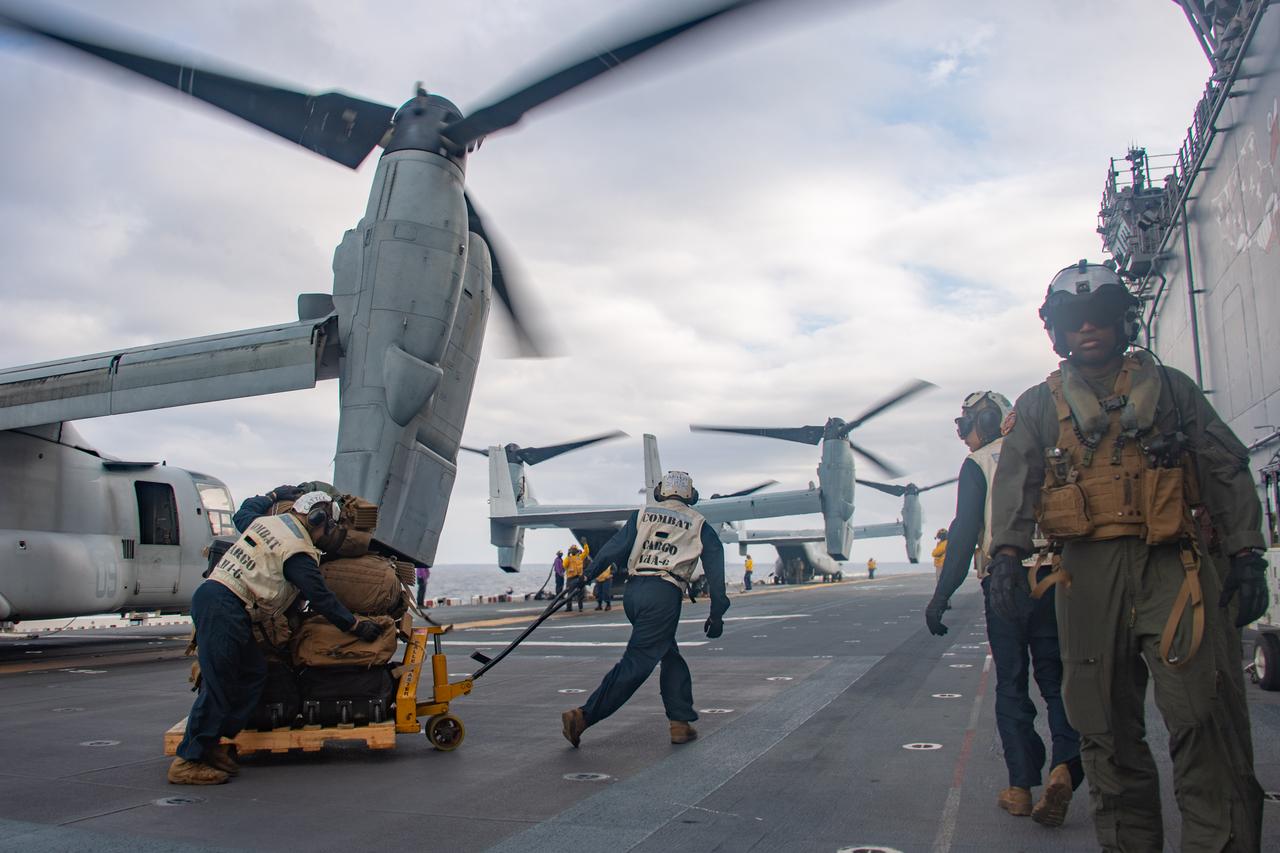
The Trump administration is considering deploying thousands of U.S. troops to reinforce operations as the war enters its third week, a U.S. official and three people familiar with the matter told Reuters.
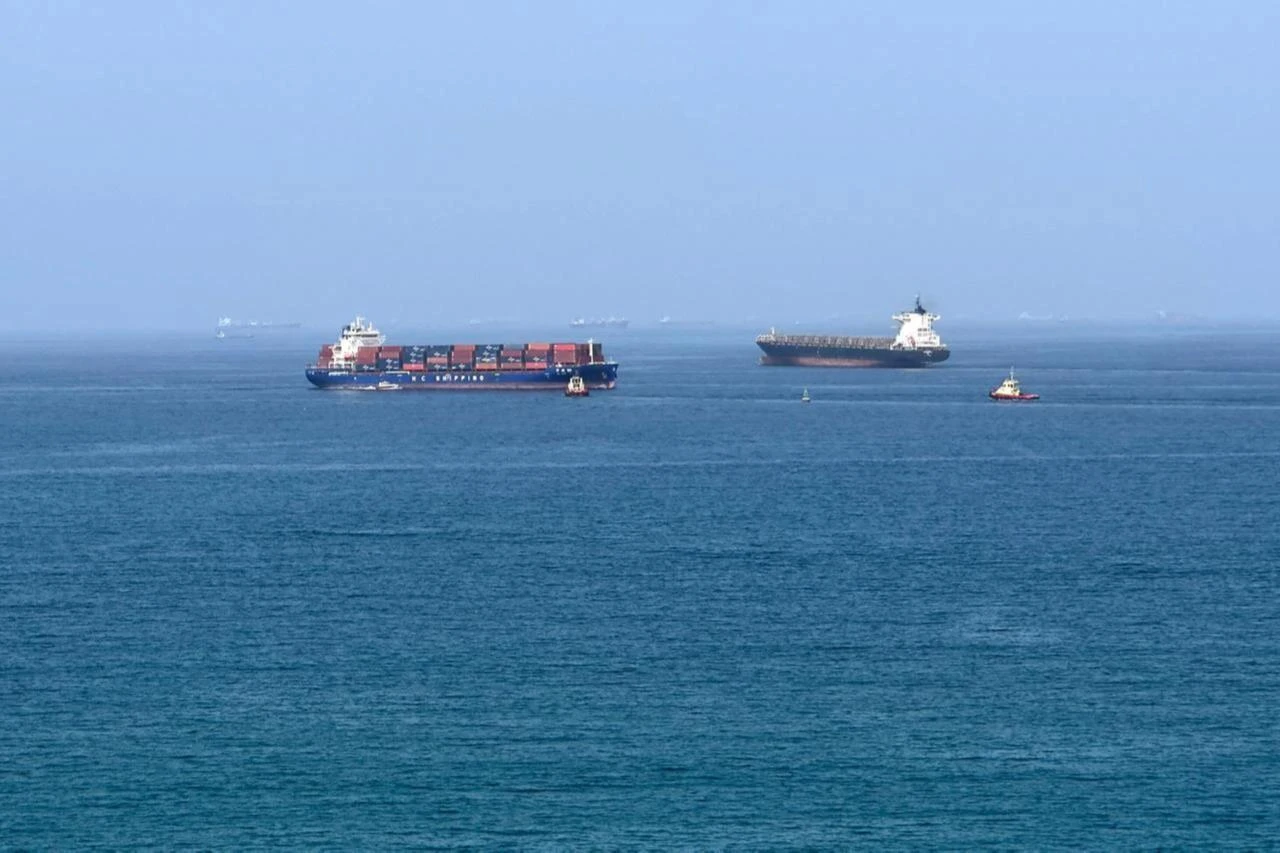
The deployments could provide Trump with additional options for expanding U.S. operations. Those options include securing safe passage for oil tankers through the Strait of Hormuz, a mission accomplished primarily through air and naval forces, but one that could also mean deploying troops to Iran's shoreline, four sources, including two U.S. officials, said.
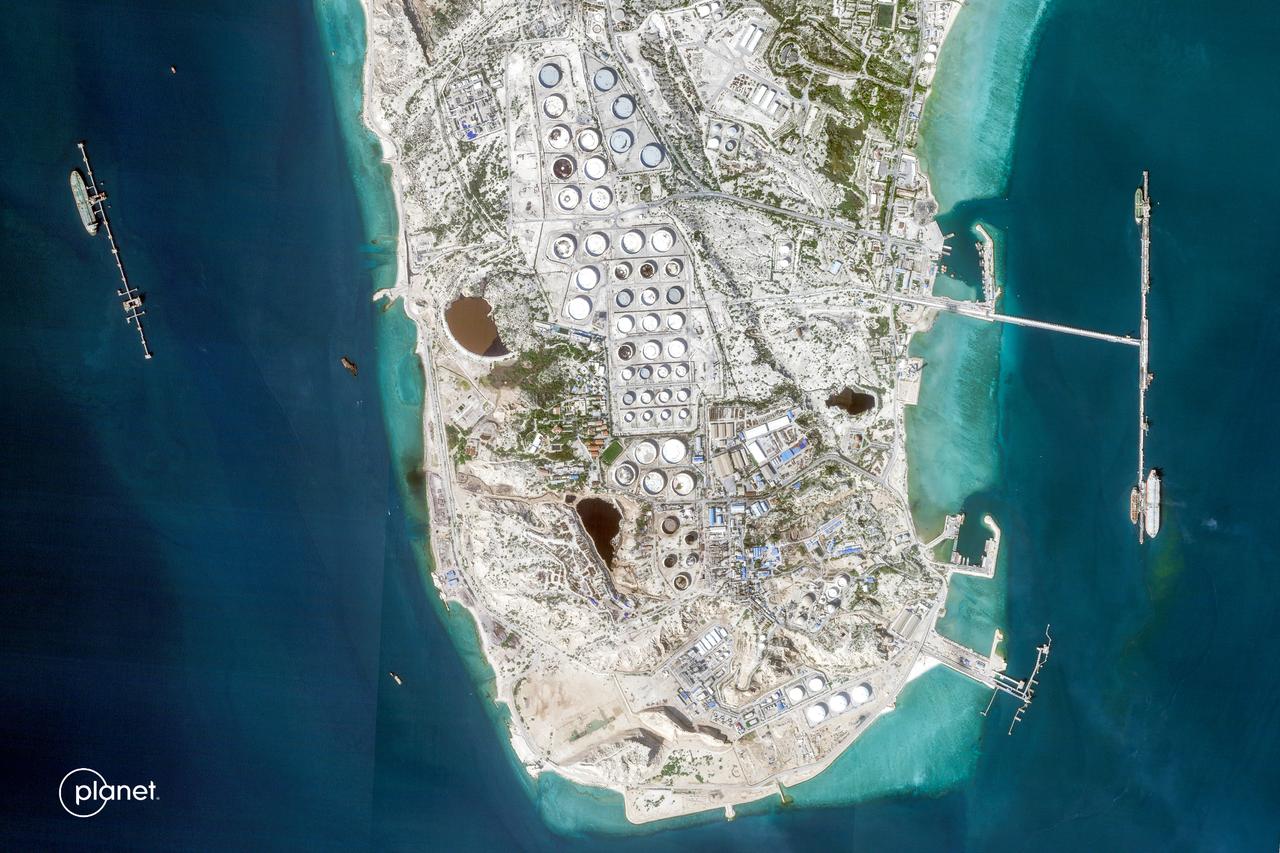
The administration has also discussed options to send ground forces to Iran's Kharg Island, the hub for 90% of Iran's oil exports, three people familiar with the matter and three U.S. officials said.
One official described such an operation as "very risky," noting Iran retains the ability to reach the island with missiles and drones.
Officials have also discussed deploying U.S. forces to secure Iran's stocks of highly enriched uranium, one of the people said. Experts say securing the stockpiles would be highly complex and risky even for U.S. special operations forces.
The sources did not believe a deployment of ground forces anywhere in Iran was imminent but declined to discuss specifics of operational planning.
A White House official who spoke to Reuters stated that, "There has been no decision to send ground troops at this time, but President Trump wisely keeps all options at his disposal."
"The president is focused on achieving all of the defined objectives of Operation Epic Fury: destroy Iran's ballistic missile capacity, annihilate their navy, ensure their terrorist proxies cannot destabilize the region, and guarantee that Iran can never possess a nuclear weapon," the official added.
Asked Thursday whether he intended to put more troops in the region, Trump told reporters he was not putting troops "anywhere" but said if he were going to, he would not tell journalists.
The U.S.-Israeli strikes on Iran began Feb. 28, killing around 1,300 people, including then-Supreme Leader Ali Khamenei.
Iran has retaliated with drone and missile strikes targeting Israel, Jordan, Iraq and Gulf countries hosting U.S. military assets, causing casualties and damage to infrastructure while disrupting global markets and aviation.


 Set as preferred source
 Set as preferred source


 1 min read
 1 min read