Newsletters


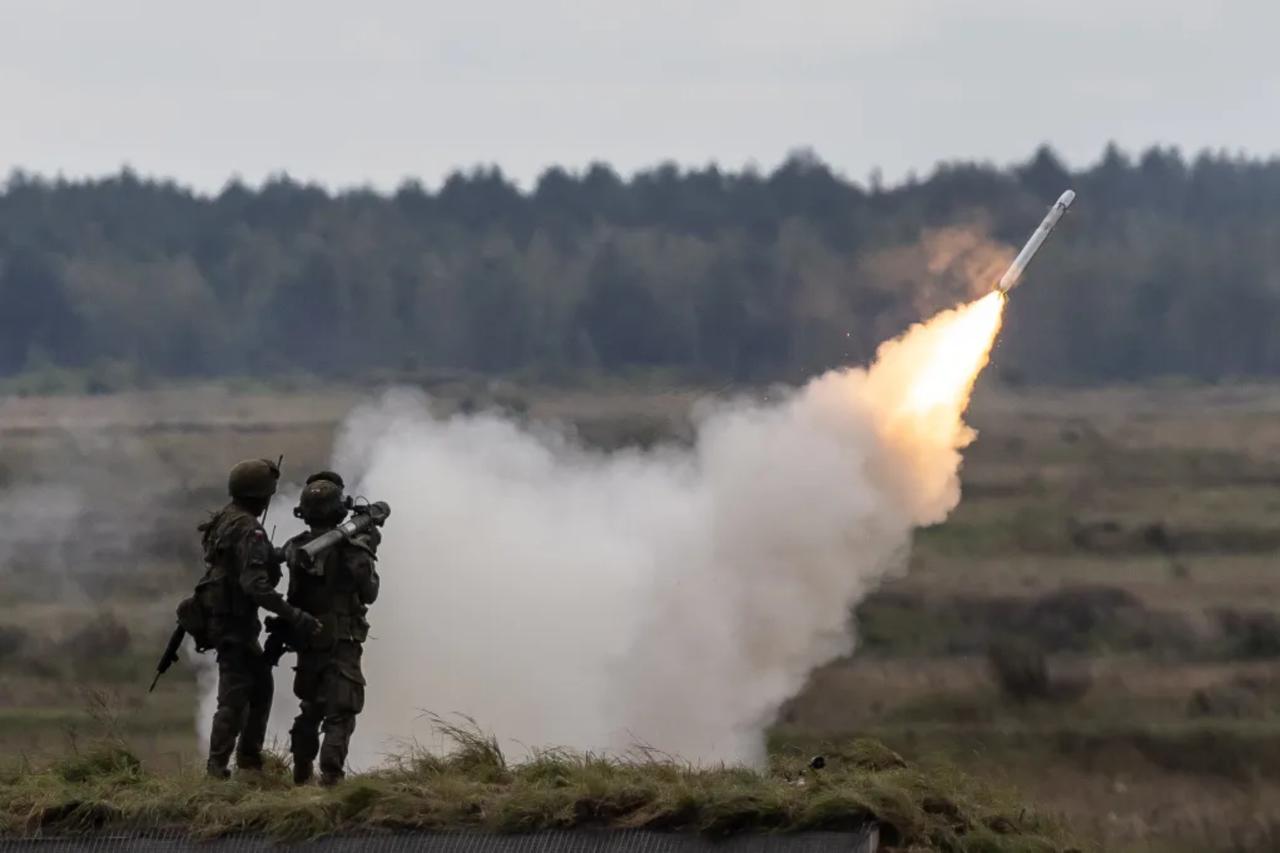


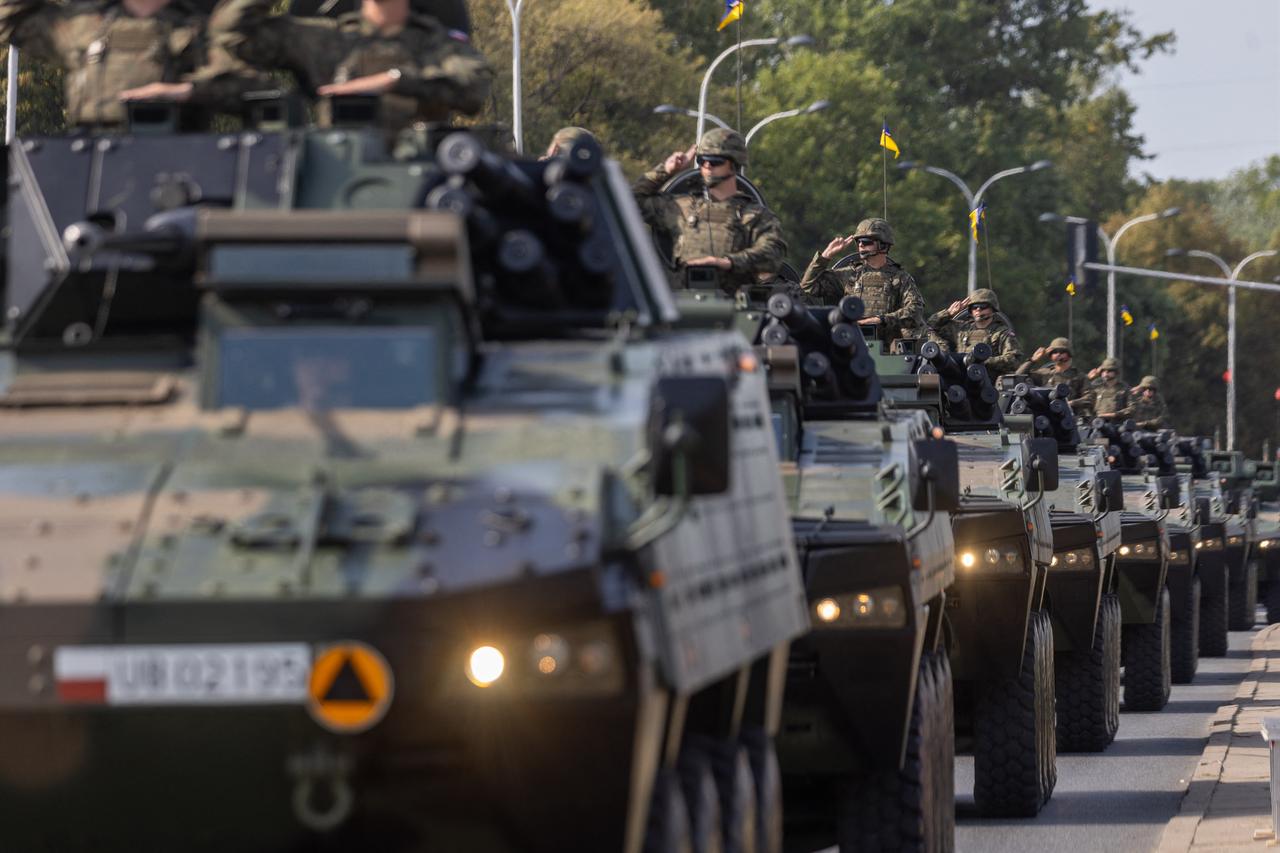
Britain and France will lead 2,800 troops from 11 nations in Poland this month for the first major exercise of the Multinational Force-Ukraine (MNF-U), testing how the force could deploy and support Ukraine after fighting ends.
Exercise Koalicja will run from Nov. 9 to Nov. 22 in southeastern Poland and test how quickly personnel, equipment and supplies can be moved, protected and sustained.
MNF-U is the military arm of the Coalition of the Willing, a group of countries that have pledged military, economic and diplomatic support to Ukraine.
The force would deploy to Ukraine only after fighting has stopped and at the request of the Ukrainian government. It would not conduct peacekeeping or ceasefire-monitoring operations.
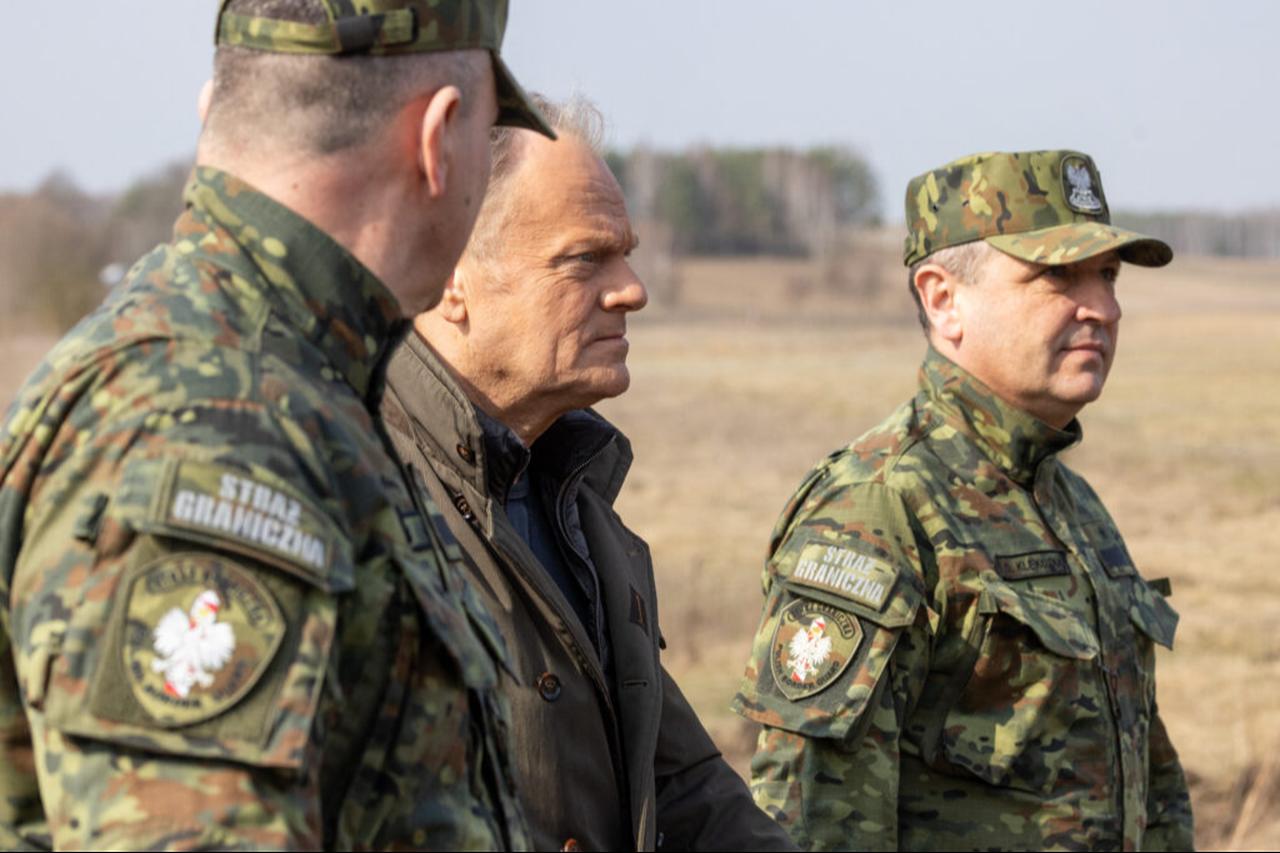

Belgium, Estonia, France, Germany, Lithuania, the Netherlands, Poland, Spain, Sweden, Türkiye and the U.K. will take part in the exercise.
Britain will contribute 300 personnel, including soldiers from the British Army’s 7 Brigade, along with Royal Air Force Typhoon fighter jets and a Voyager refueling aircraft.
The aircraft will simulate operations intended to reassure commercial aviation once Ukrainian airspace reopens, while ground forces will rehearse logistical movements.
The exercise will also test command-and-control systems and how multinational land, air and maritime elements can operate together.
British Defense Secretary Wes Streeting said the exercise showed the participating countries were preparing for the period after the war.
“This isn’t a hypothetical plan, it’s a real force, ready to help Ukraine once the fighting stops,” he said.
Turkish forces will establish the MNF-U’s maritime component in Istanbul during the exercise, testing arrangements for clearing naval mines so commercial vessels can safely return to Ukrainian ports.
The force is intended to support safer Ukrainian skies and seas and help rebuild Ukraine’s armed forces after the conflict.
MNF-U commander British Lt. Gen. Tom Bateman said the exercise would demonstrate that the force was “real, capable” and ready to deploy in support of Ukraine’s long-term security.
Bateman commands the force, which is jointly led by Britain and France. Its headquarters is expected to move from Paris to London this year.
Britain said it would continue providing military assistance and training to Ukrainian forces while working with allies to maintain economic and diplomatic pressure on Russia.
The British government said it had not sought confrontation with Russia but would continue supporting Ukraine’s right to defend itself and working with allies to deter future threats.
The U.K. also plans to raise defense spending to 2.7% of gross domestic product from 2027-2028, with nearly £300 billion ($402.6 billion) allocated over four years.


 Set as preferred source
 Set as preferred source


 1 min read
 1 min read