Newsletters


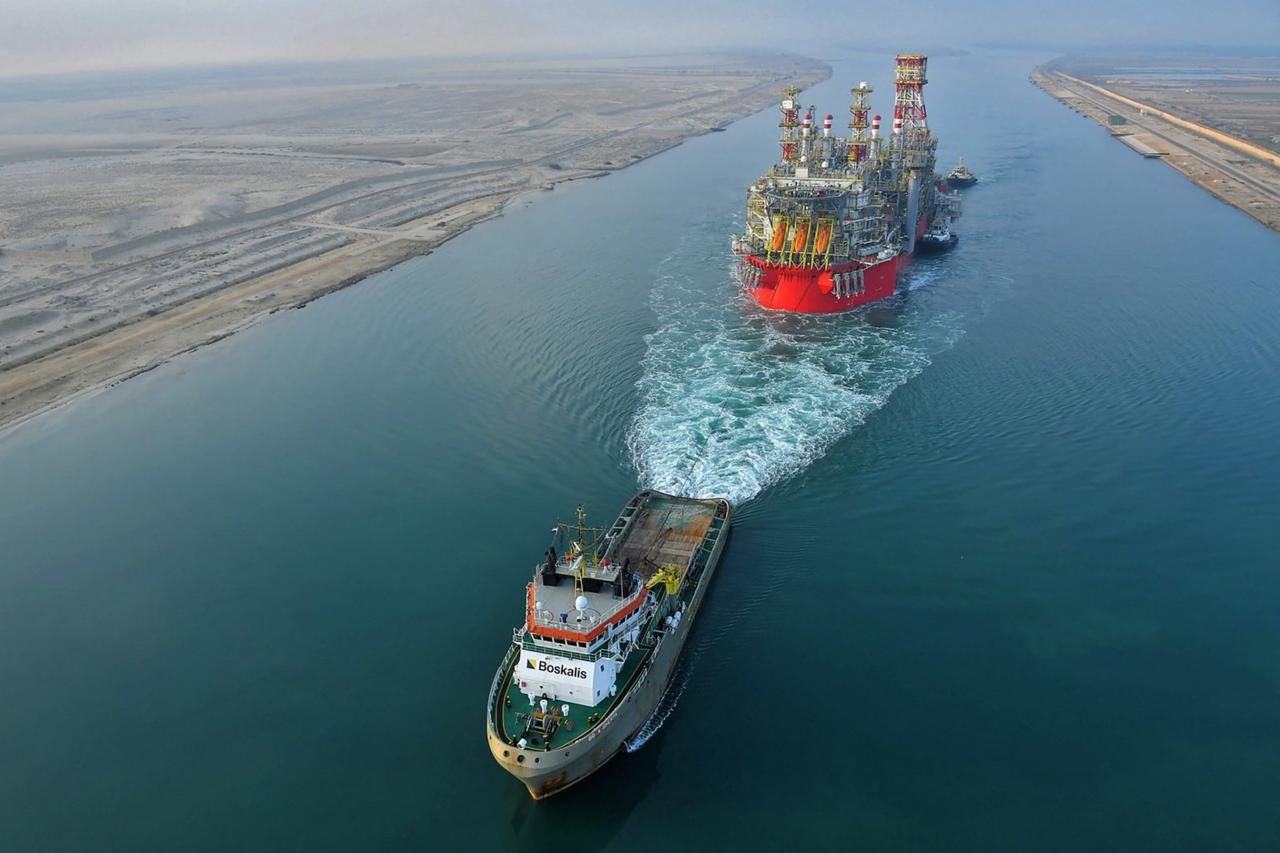


Egypt's State Information Service (SIS) on Thursday dismissed reports suggesting that the $35 billion natural gas deal with Israel carries political implications, reaffirming that the agreement is based solely on economic and strategic considerations.
SIS head Diaa Rashwan stated the deal "does not involve any political dimensions or understandings whatsoever," emphasizing that the agreement supports Egypt’s aim to become the primary gas trading hub in the Eastern Mediterranean.
Rashwan also addressed reports in Arab media pointing to the timing of the deal, which came as talks over the second phase of the Gaza ceasefire remain stalled, saying the disclosure does not alter the nature of the agreement and noting that it was the outcome of earlier commercial negotiations concluded in line with market principles.
Reiterating Egypt’s broader position, Rashwan affirmed that the country’s stance on the Palestinian issue remains "firm and unwavering," and highlighted Egypt’s continued efforts to support peace initiatives in the region.
He added that the gas agreement serves Egypt’s strategic interest by reinforcing its role as a regional energy hub, amid growing demand and infrastructure development aimed at facilitating cross-border energy trade.
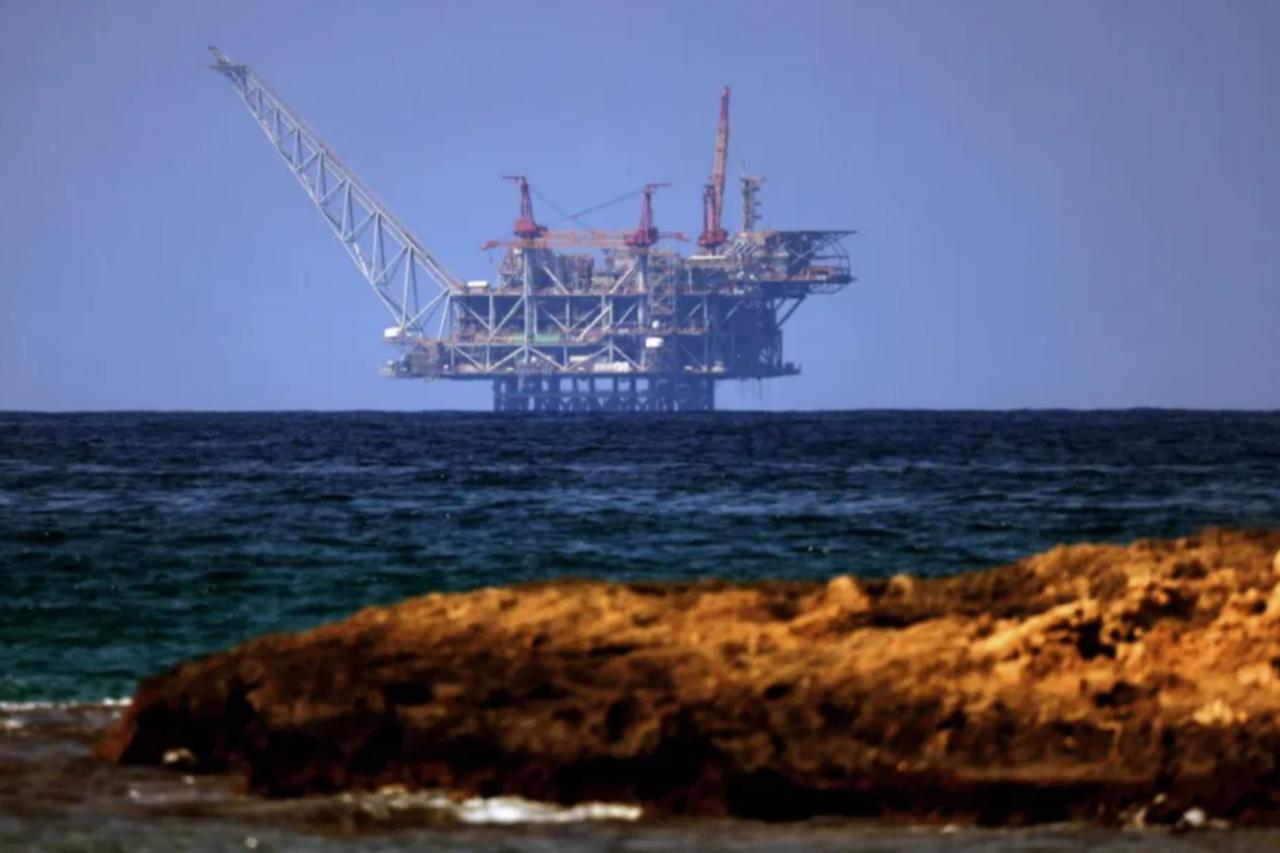

The announcement follows remarks by Israeli Prime Minister Benjamin Netanyahu, who said Wednesday that he had approved the deal, calling it the largest energy export agreement in Israel’s history. Under the terms of the deal, Israel will supply Egypt with up to 130 billion cubic meters (bcm) of natural gas over a multi-year period, according to Israeli energy company NewMed Energy, which disclosed the agreement in August.
Egypt was the first Arab country to sign a peace treaty with Israel in 1979, and the two countries have maintained close security ties for decades.
The deal comes at a time when Egypt has been grappling with rising domestic energy demand and intermittent supply constraints. The country has been working to strengthen its position as a regional energy hub by leveraging existing liquefied natural gas (LNG) infrastructure and facilitating cross-border energy flows.


 Set as preferred source
 Set as preferred source


 1 min read
 1 min read