Newsletters


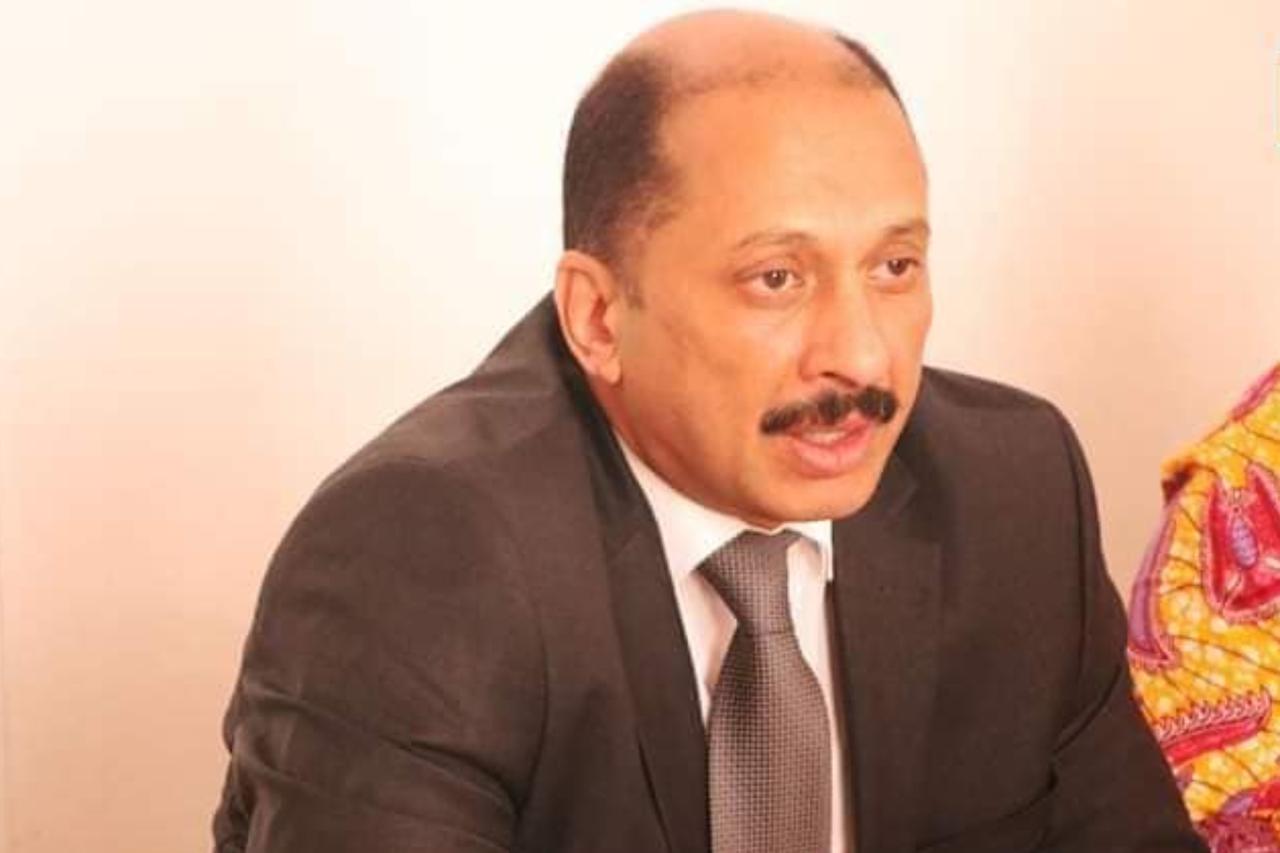


Tunisian politician and former presidential candidate Mohamed Abbou said the country is facing an unprecedented political, economic and social crisis over four years after the July 25, 2021, constitutional measures, warning that the current trajectory cannot be sustained.
Abbou, in an interview with Al Jazeera, spoke of the absence of the rule of law, a deep erosion of trust in the judiciary and public administration, and a fading of hope for any genuine reform.
He argued that such a situation cannot endure for long in a country like Tunisia, which lacks the natural resources that enable authoritarian regimes to remain in power for decades.
Abbou cast doubt on the possibility of President Kais Saied remaining in power until 2029 or amending the constitution to extend his terms.
He stressed that the continuation of the current approach would lead to deeper domestic and international isolation and that “change has become inevitable,” without specifying its form or timing.


Abbou rejected calls for violence or bloody revolutions, saying he does not wish Tunisians to pay the price of change with their lives.
At the same time, he underscored that the right to resist authoritarianism is legitimate, noting that popular movements often erupt in unexpected ways, as happened in 2010.
He stressed that the solution must be Tunisian-led, based on building broad public opinion capable of exerting pressure to end what he described as the “undermining of the state,” and to restore the democratic process on sound foundations while learning from past mistakes.
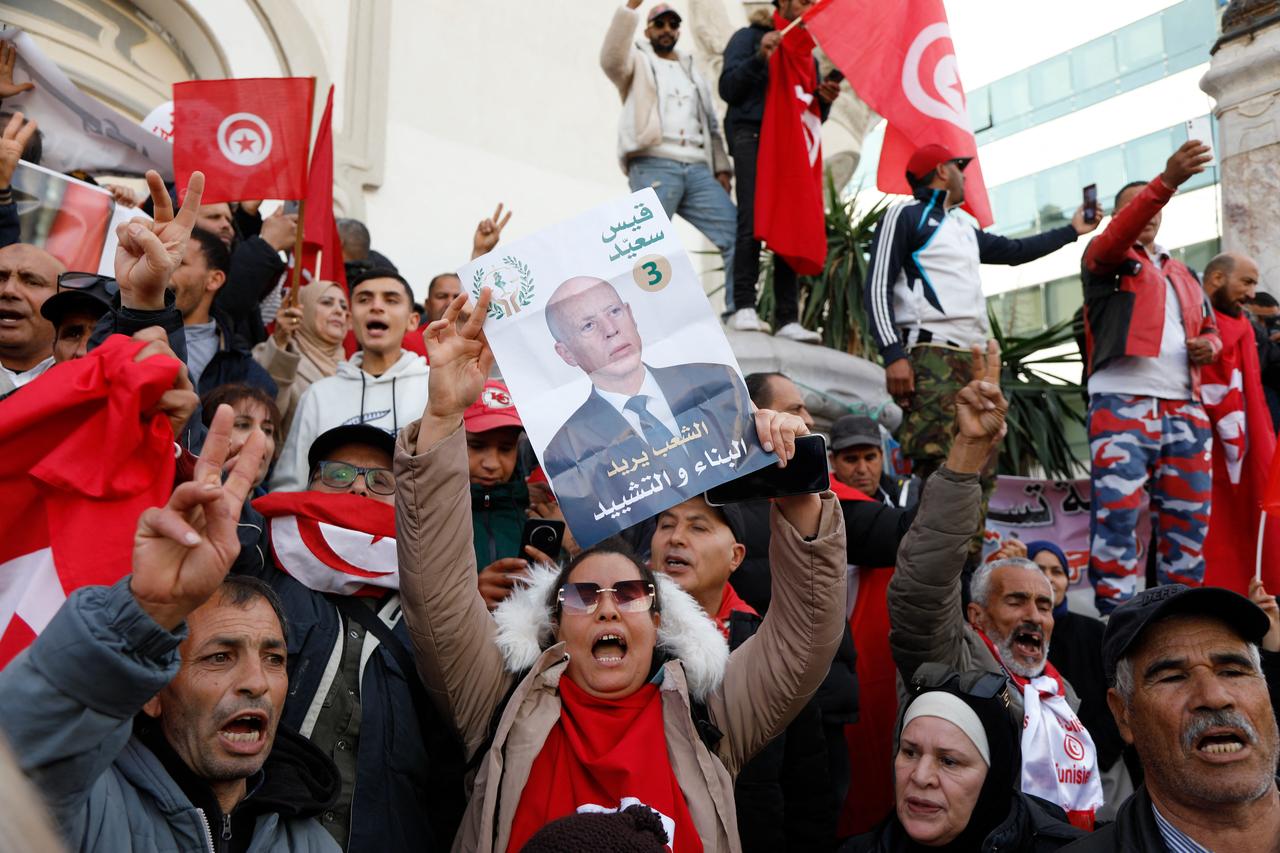
Mohamed Abbou addressed a direct message to President Kais Saied, urging him “to realize that his image has been shaken and that the country can no longer withstand further populist decisions and vague texts in the absence of an independent judiciary and a neutral administration.”
He said that remaining in power is not an end in itself, and that leaving “through the main door” by easing tensions, restoring freedoms, and holding genuine and fair elections may be the only way to save the country.
According to Abbou, what has happened to the judiciary since 2021 amounts to the “complete destruction of judicial independence.”
He explained that despite the existence of prior shortcomings and limited partisan interference before July 25, “the current situation is far more dangerous,” with the judiciary, in his words, now subjected to intimidation and coercion, including referrals, imprisonment, and decisions imposed from the very top of the power structure.
The country has been grappling with a political crisis since President Saied began imposing exceptional measures on July 25, 2021, including the dissolution of parliament, the issuance of legislation by presidential decree, the adoption of a new constitution through a referendum, and the holding of early legislative elections.
Tunisian political forces have described these measures as a “coup against the constitution and an entrenchment of absolute one-man rule,” while others have viewed them as a “correction of the path of the 2011 revolution,” which toppled then-President Zine El Abidine Ben Ali, who ruled from 1987 to 2011.
Saied, for his part, has said his actions are “measures within the framework of the constitution to protect the state from an imminent danger,” stressing that freedoms and rights have not been undermined.
On Dec. 17, 2010, Mohamed Bouazizi set himself on fire outside the governorate headquarters in Sidi Bouzid, in central Tunisia, in protest over his unemployment and the confiscation of the cart he relied on to earn a living by selling fruits and vegetables, sparking a revolt that led to the fall of former President Zine El Abidine Ben Ali on Jan. 14, 2011.


 Set as preferred source
 Set as preferred source


 2 min read