Newsletters


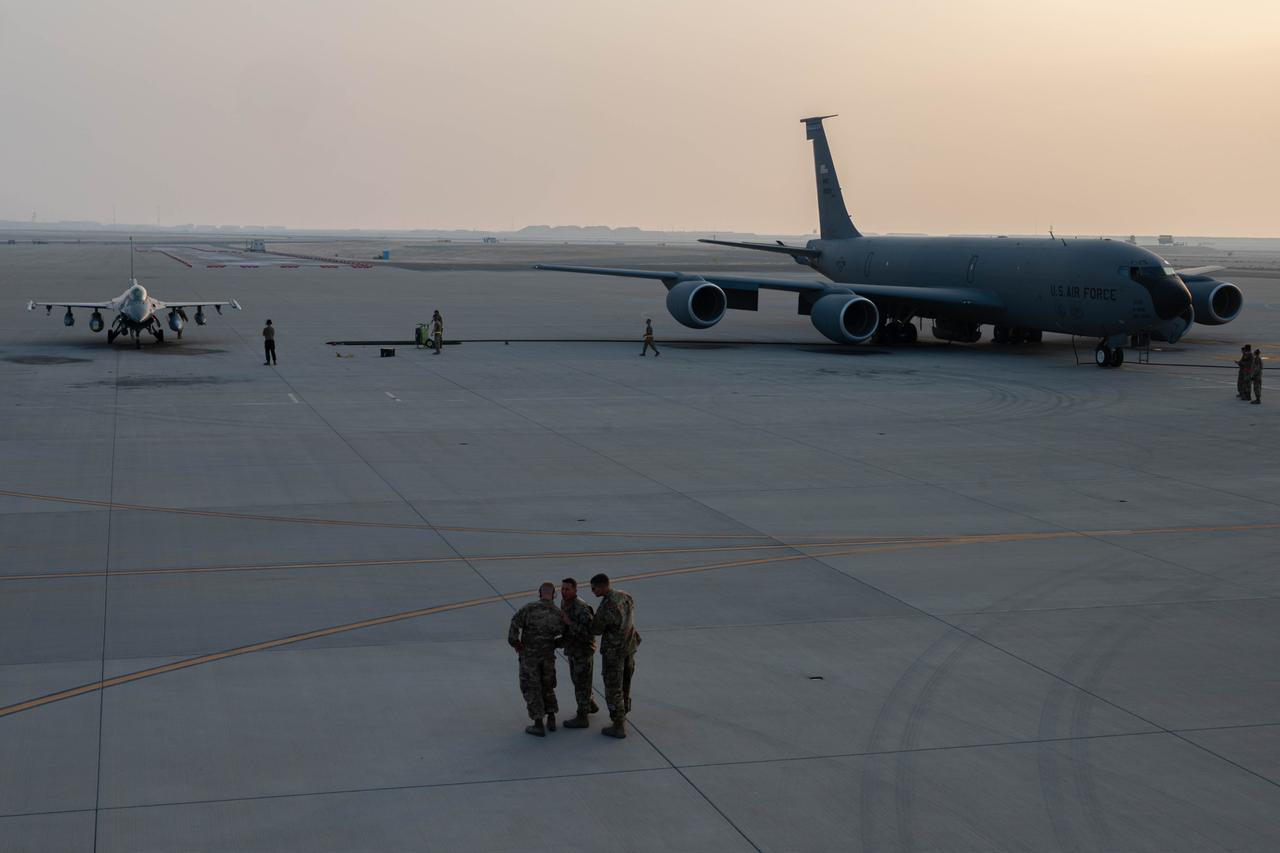


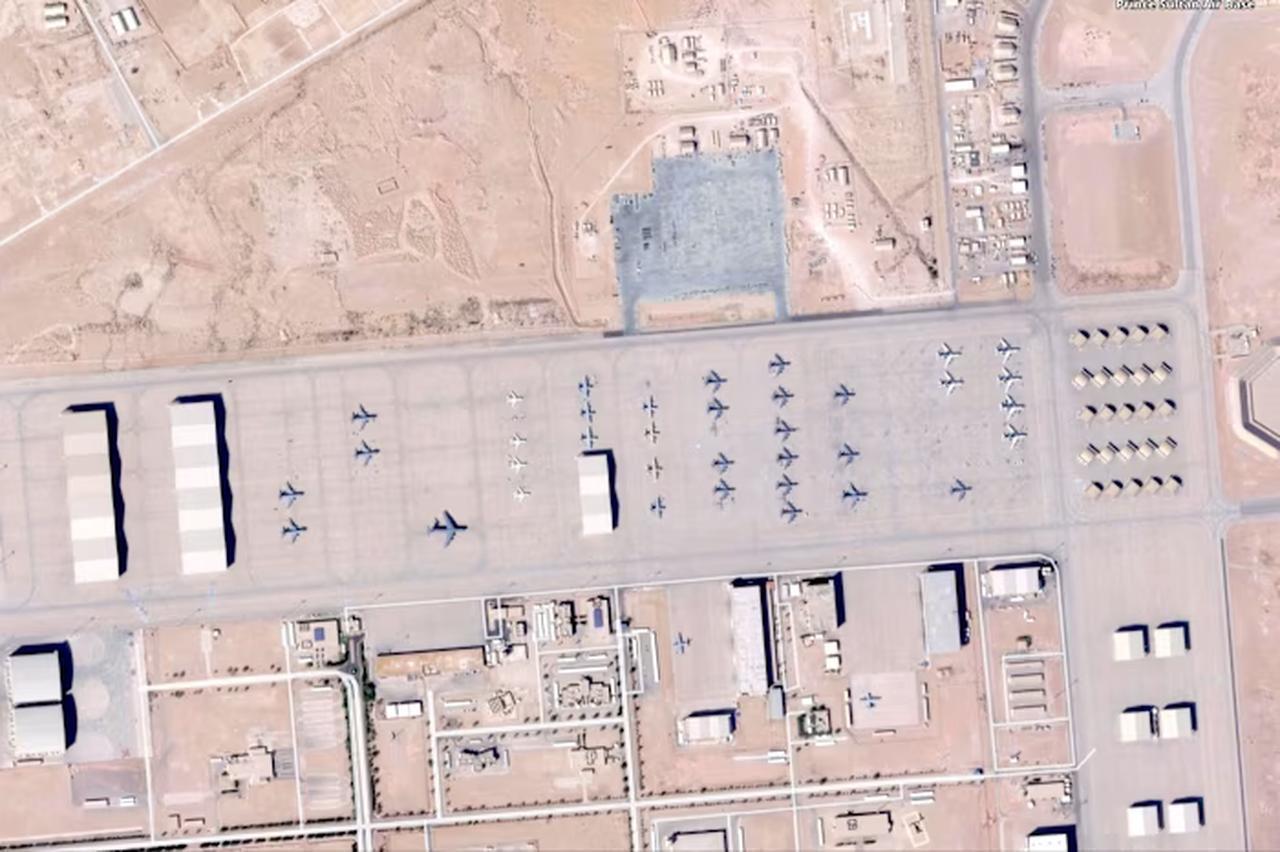
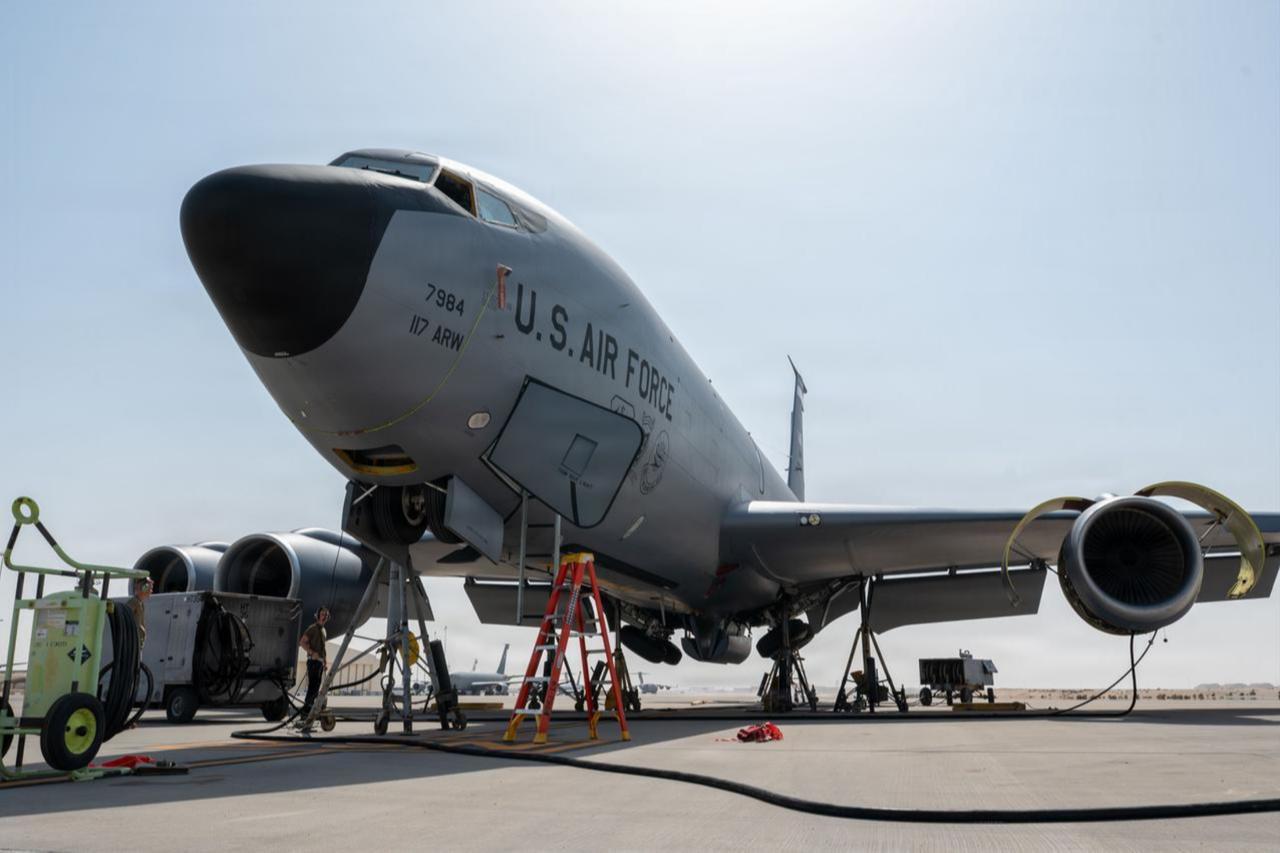
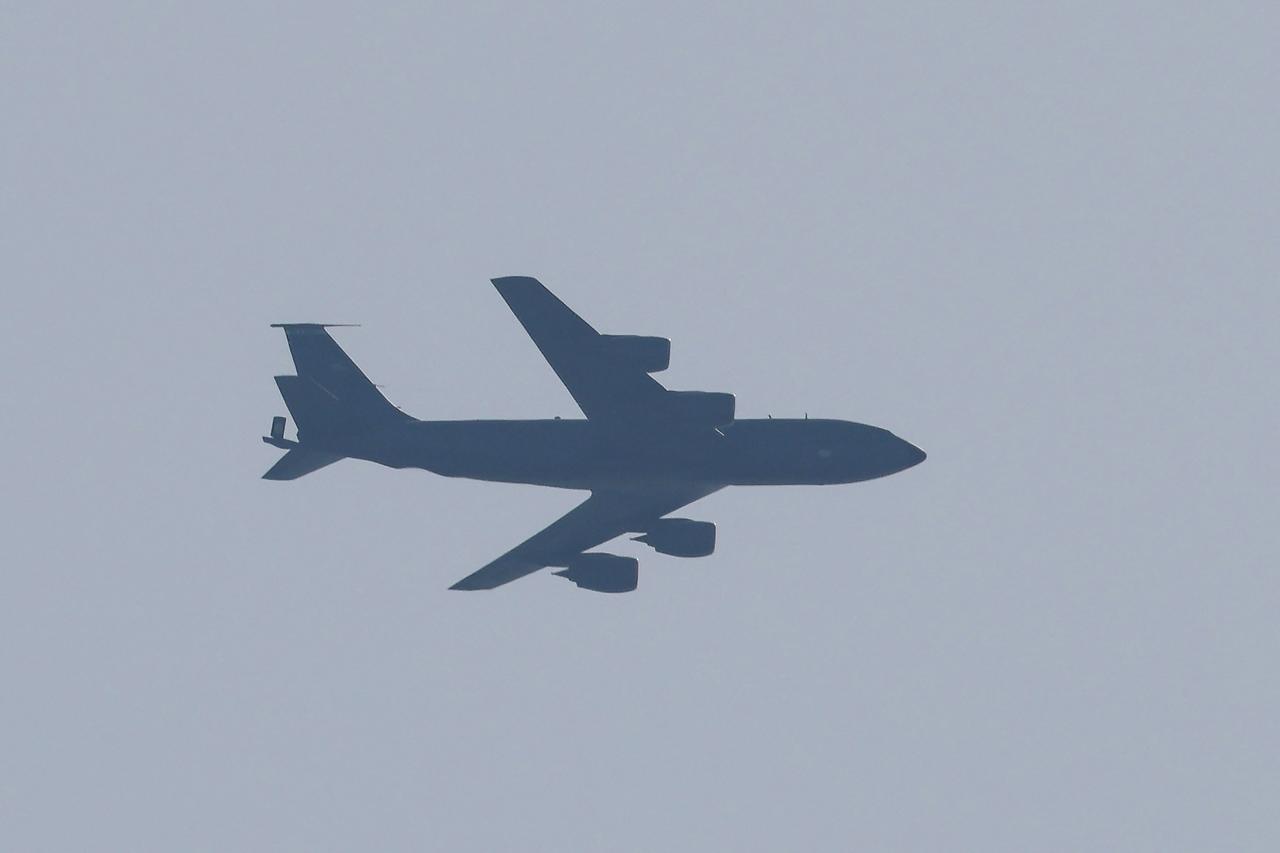
Five U.S. Air Force (USAF) refueling planes were struck and damaged on the ground at Prince Sultan Air Base in Saudi Arabia during an Iranian missile strike, the Wall Street Journal (WSJ) reported Saturday, as a separate analysis estimated total U.S. military asset losses in the first two weeks of Operation Epic Fury at approximately $3.84 billion.
 Breaking News, Direct to You.
 Follow Türkiye Today on WhatsApp
for real-time updates and key insights from Türkiye and beyond.
Follow Türkiye Today on WhatsApp
for real-time updates and key insights from Türkiye and beyond.
Citing two U.S. officials, the Wall Street Journal reported that the tankers were damaged but not destroyed and are being repaired.
No casualties were reported in the incident, as U.S. Central Command declined to comment, the outlet said.
The strike brings the total number of U.S. Air Force refueling planes damaged or destroyed in the war to at least seven. A U.S. service member died after being seriously injured during an attack at the Saudi base on March 1.

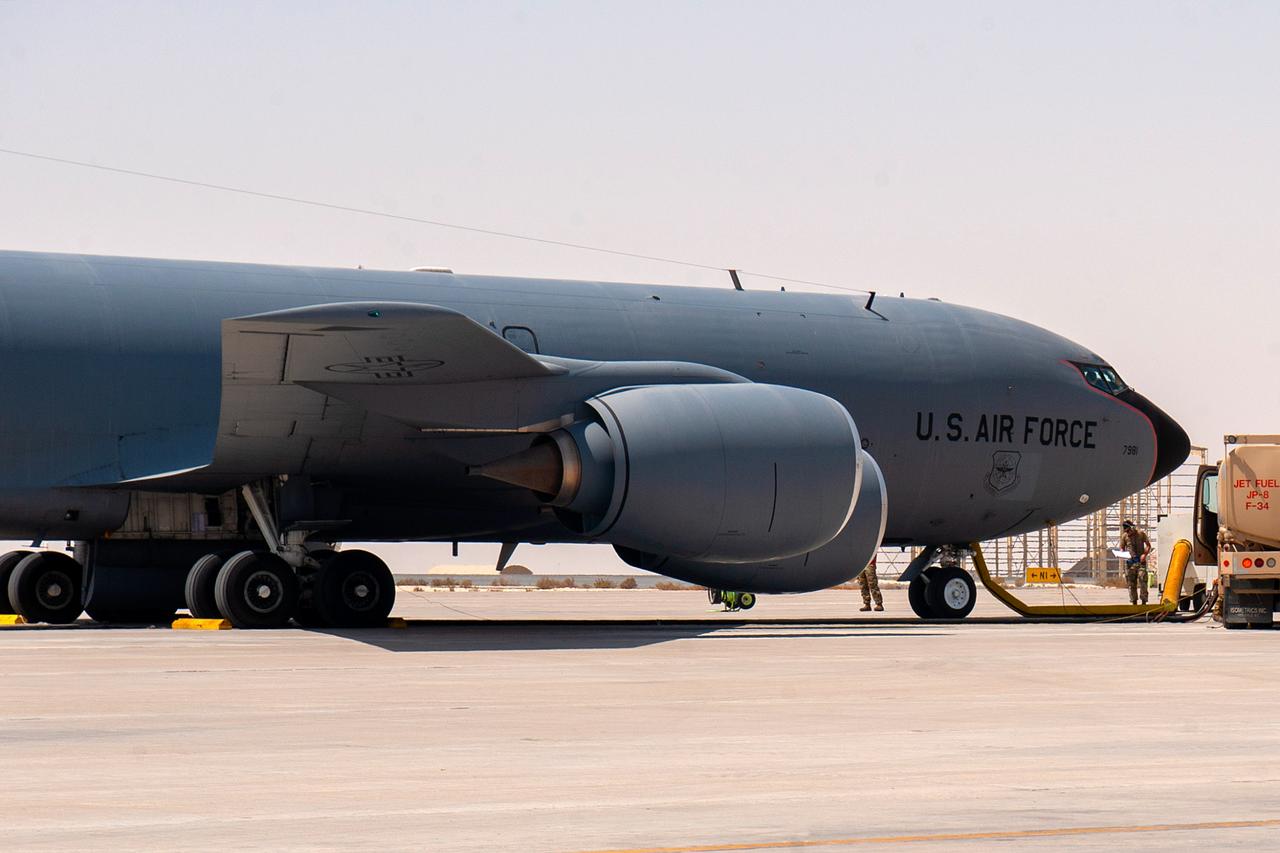
All six crew members aboard a U.S. KC-135 refueling aircraft that crashed in western Iraq on Thursday were killed, CENTCOM said Friday.
"The circumstances of the incident are under investigation. However, the loss of the aircraft was not due to hostile fire or friendly fire," CENTCOM said in a statement on X.
Two aircraft were involved in the incident. One went down in western Iraq and the second landed safely, CENTCOM said.
The crash involved a collision between two KC-135 tankers, according to the report.
U.S. Defense Secretary Pete Hegseth, speaking alongside Gen. Dan Caine, chairman of the Joint Chiefs of Staff, said: "War is chaos and as we saw yesterday with the tragic crash of our KC-135 tanker, bad things can happen."
Caine said: "Those are very, very, very tough days when that knock comes on the door."
The recent fatalities bring the total number of U.S. troops killed since the operation began Feb. 28 to 13.
According to estimates and data compiled by Türkiye's state-run Anadolu Agency (AA), the United States has lost approximately $3.84 billion in military assets in the first two weeks of Operation Epic Fury.
The largest cost driver is damage to AN/TPY-2 radar components belonging to THAAD missile defense systems in the UAE, Jordan and Saudi Arabia, valued at an estimated $2 billion.
Satellite imagery analyzed by multiple outlets confirms that four AN/TPY-2 radars have been hit across those locations.
A U.S. AN/FPS-132 early warning radar at Al Udeid Air Base in Qatar, valued at $1.1 billion, was struck by an Iranian missile when retaliatory attacks began on Feb. 28. Qatari authorities confirmed the radar was damaged.
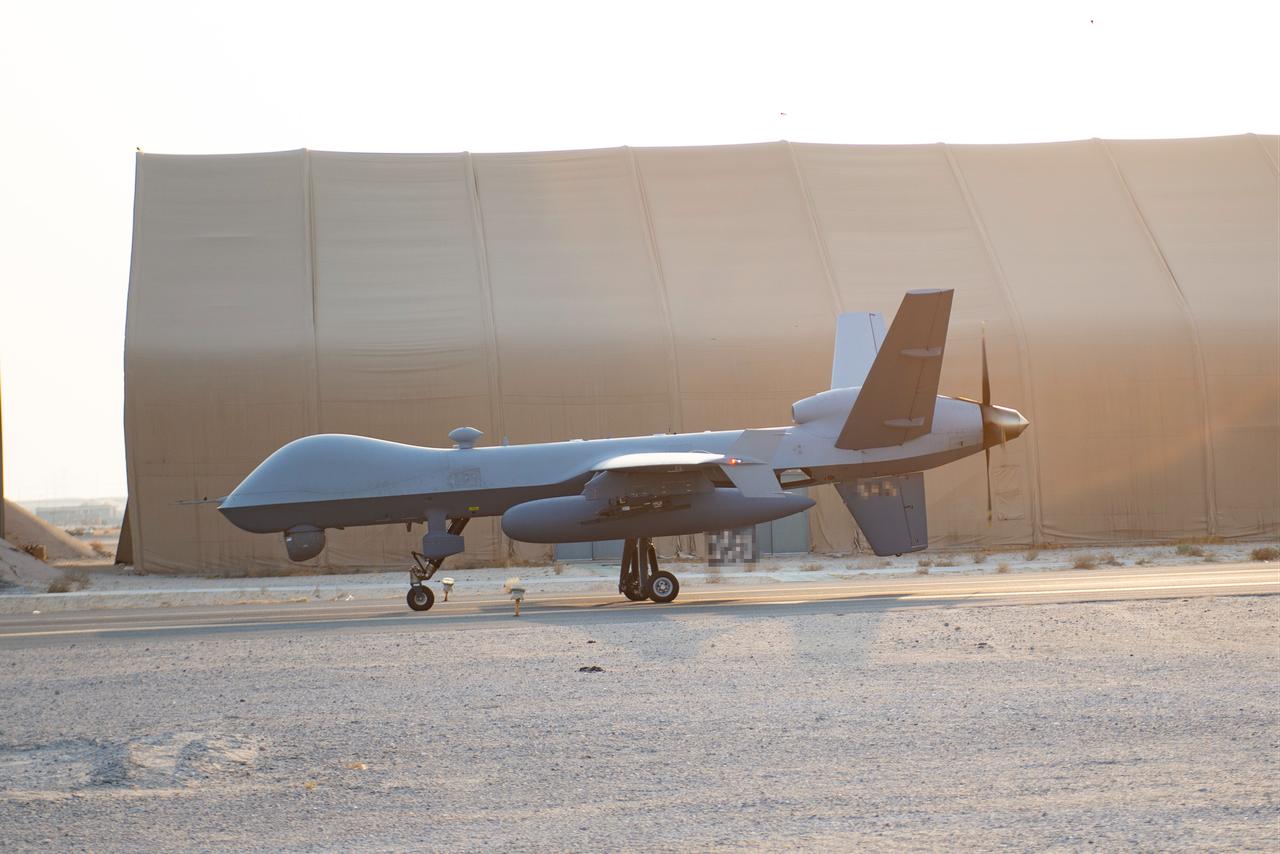
U.S. officials speaking to CBS News confirmed that 11 MQ-9 Reaper drones have been downed. At a unit cost of roughly $30 million, the total loss amounts to approximately $330 million.
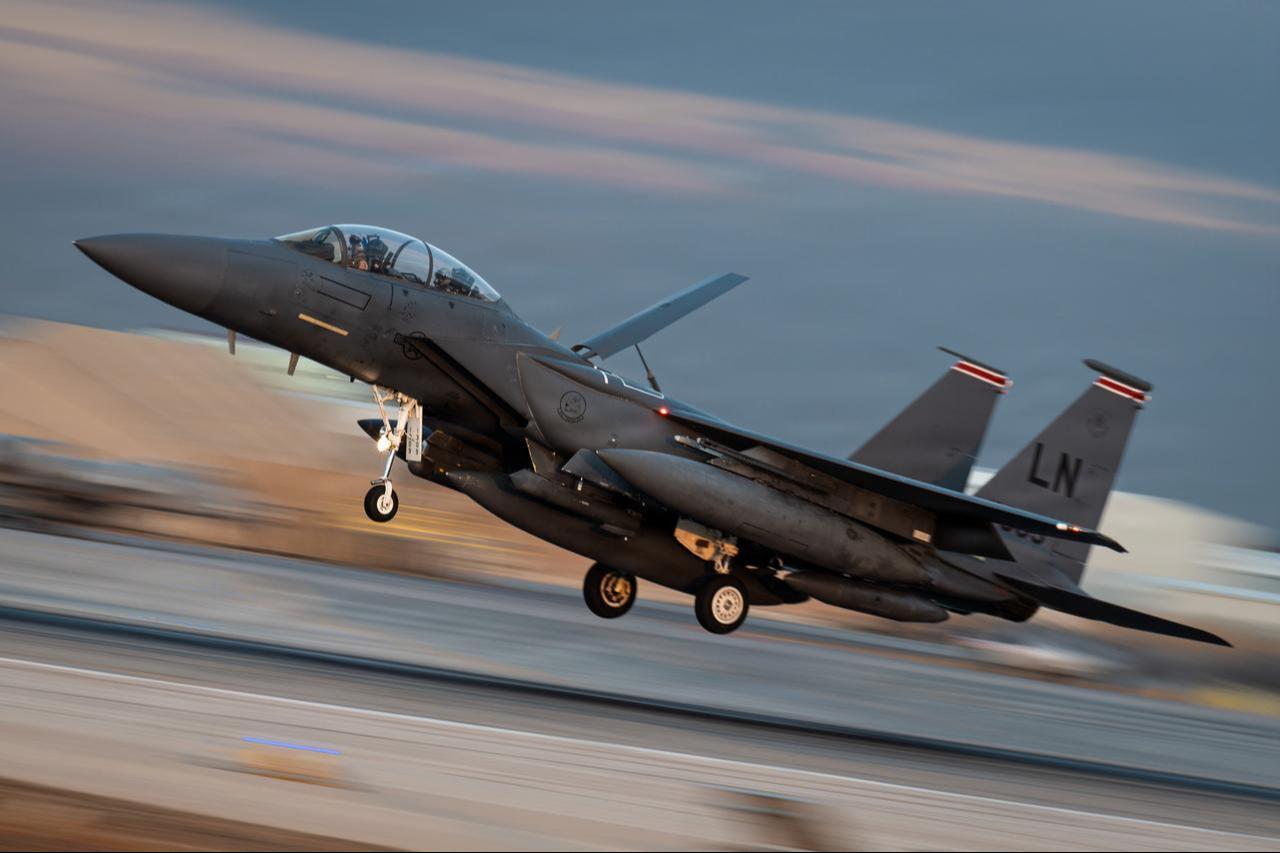
On the second day of strikes, three F-15E Strike Eagle fighter jets were lost in a friendly-fire incident involving Kuwaiti air defenses. All six aircrew survived, but the aircraft were destroyed, with replacement costs estimated at $282 million.
Iran also struck the U.S. Navy's Fifth Fleet headquarters in Manama, Bahrain, destroying two satellite communications terminals and several large buildings. The targeted terminals have been identified in open-source intelligence reports as AN/GSC-52Bs, with an estimated cost of $20 million including deployment and installation.
Satellite imagery analyzed by The New York Times of Camp Arifjan in Kuwait showed three destroyed radomes, adding roughly $30 million in damage.
The replacement cost of the downed KC-135, adjusted for inflation, is estimated at $80 million.
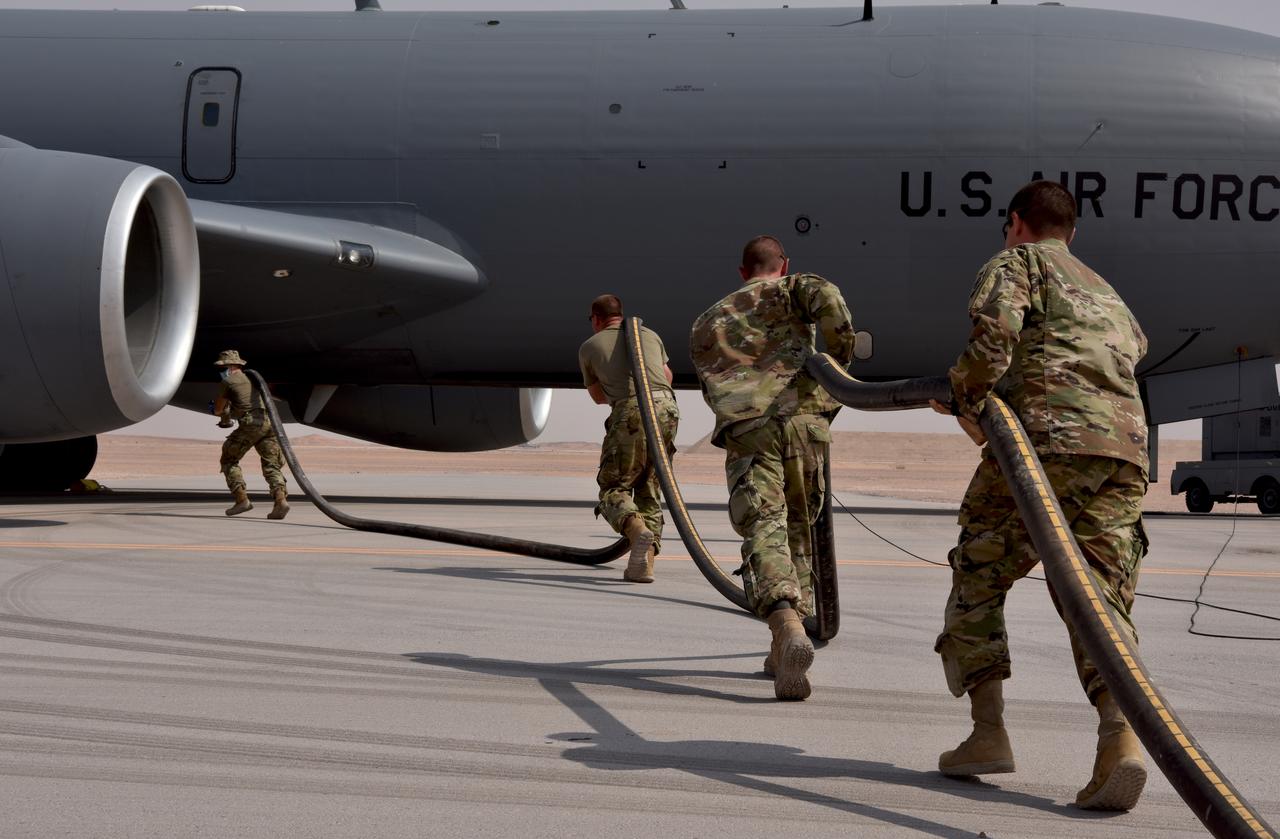
The United States deployed more than 160 military refueling aircraft across U.S. Central Command and European Command regions in the second week of strikes against Iran, according to open-source data compiled.
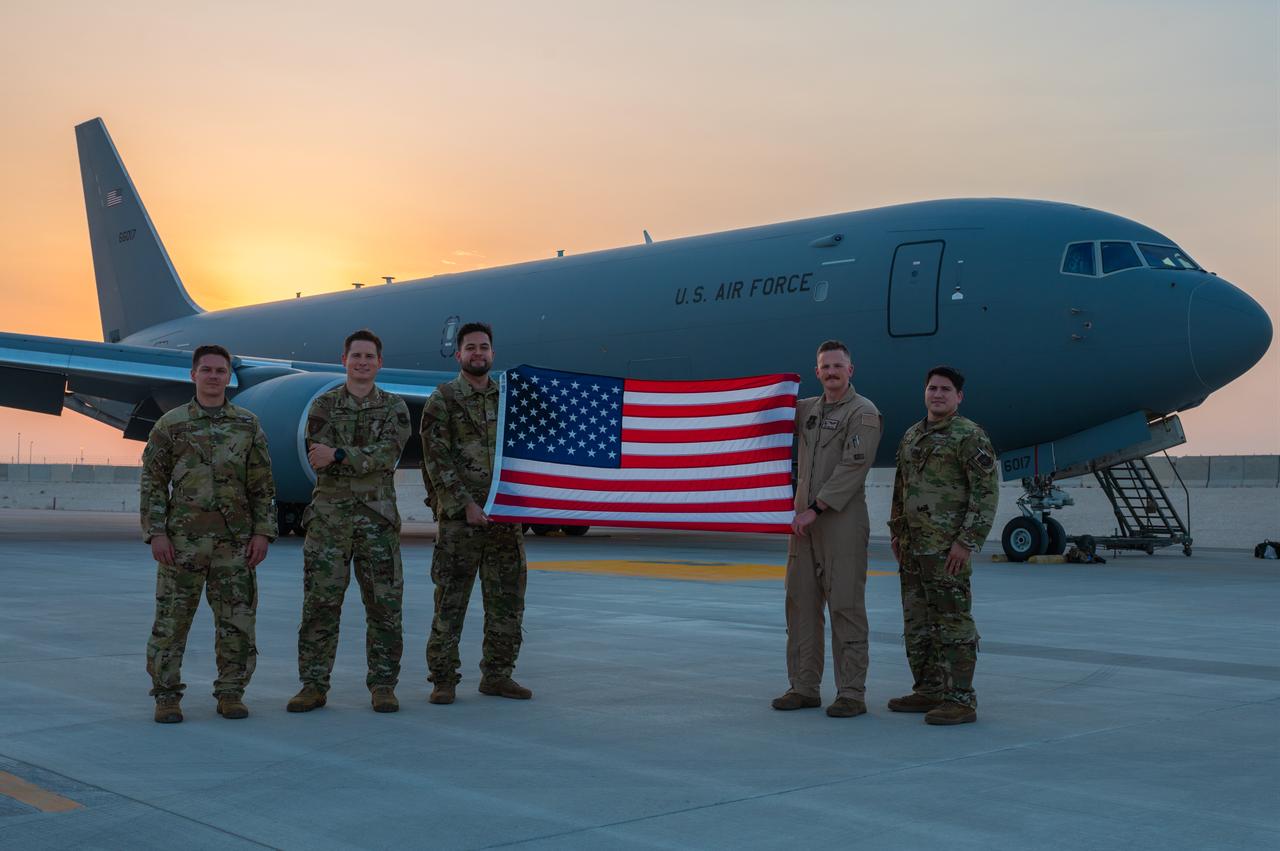
17 KC-46A Pegasus and 62 KC-135 Stratotanker aircraft were deployed at CENTCOM-controlled airfields near the operation area and at Diego Garcia, a joint U.S.-U.K. base.
More than 40 additional tankers were identified at Ben Gurion Airport in Israel.
Approximately 36 KC-135s and one KC-46A were deployed at bases in southern Europe and the Mediterranean, likely to refuel aircraft coming from the United Kingdom.
Following the United Kingdom's opening of its bases to U.S. use, numerous U.S. bomber aircraft began using RAF Fairford for strikes against Iran.
An additional 15 KC-46A and 33 KC-135 tankers were deployed in the U.K., at Lajes Air Base in Portugal and at bases in northern Europe.
As of December 2025, the U.S. Air Force holds the world's largest refueling fleet with 396 KC-135s and 100 KC-46As. Approximately 75% of that fleet flew in the past four weeks.
Iran has targeted U.S. troops and military equipment at bases across the region in response to Operation Epic Fury.
The U.S. and Israel launched the operation on Feb. 28. Iranian officials said U.S.-Israeli strikes have killed 1,348 people and wounded more than 17,000 in Iran.


 Set as preferred source
 Set as preferred source


 1 min read
 1 min read