Newsletters


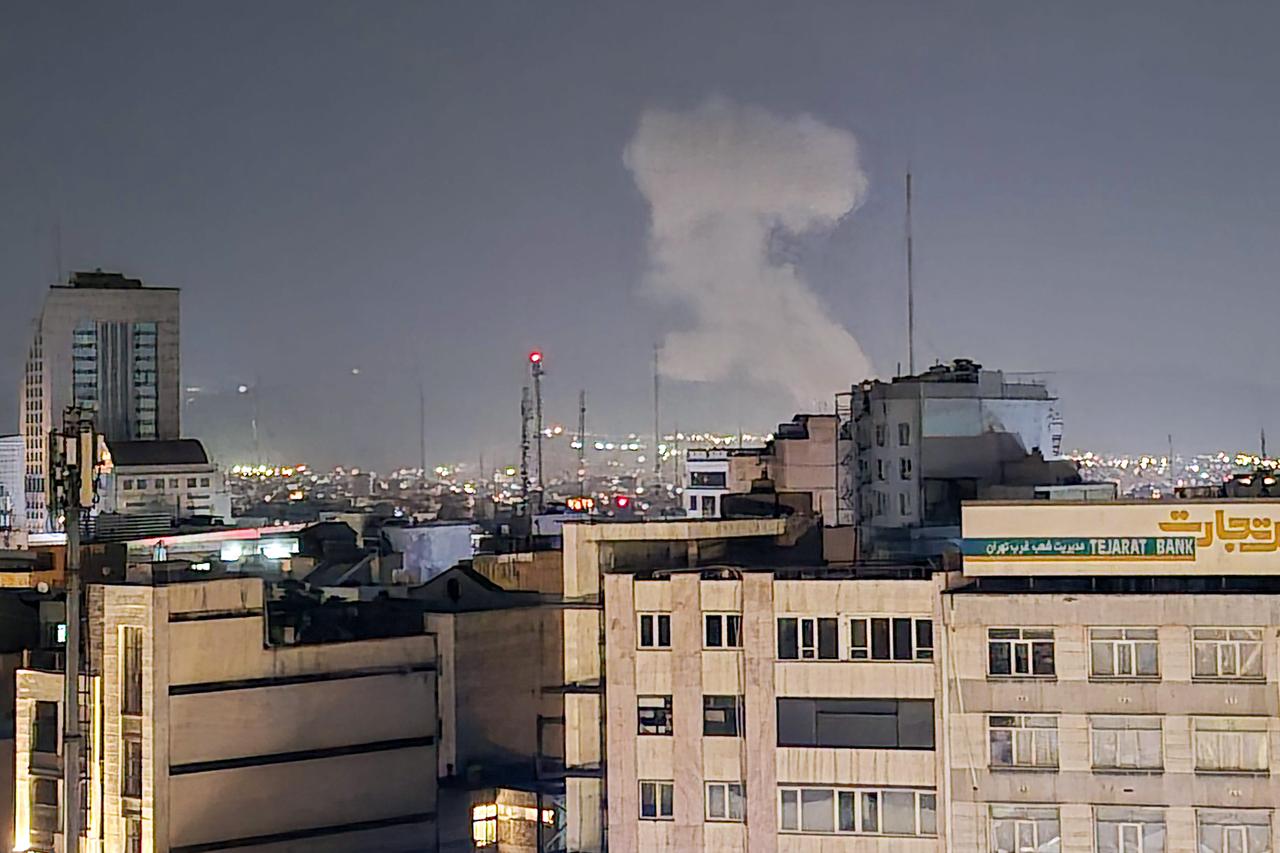


United States allies in the Middle East are moving closer to joining the war against Iran, according to a report published Monday.
Saudi Arabia and the United Arab Emirates are inching toward collaborating with U.S. and Israeli forces after repeated Iranian attacks disrupted their economies and raised fears Tehran could gain long-term leverage over the Strait of Hormuz, The Wall Street Journal reported.
Recent steps taken by Middle Eastern allies are helping the United States expand its airstrike capabilities and open a new front targeting Iran’s financial networks, the report said. However, Gulf countries have not yet committed to openly deploying their militaries in the conflict.
Gulf states have previously said they wanted to avoid direct war with Iran, but pressure is mounting as Tehran threatens to expand its influence over the energy-rich region.
Saudi Arabia has recently agreed to allow American forces to use King Fahd Air Base on the western side of the Arabian Peninsula, according to the report. The kingdom had previously said it would not allow its facilities or airspace to be used for attacks on Iran, but that position may be shifting as Iran continues missile and drone attacks targeting Riyadh and Saudi energy infrastructure.
"Saudi Arabia’s patience with Iranian attacks is not unlimited," Saudi Foreign Minister Faisal bin Farhan told reporters last week after a series of Iranian strikes on Gulf energy infrastructure. "Any belief that Gulf countries are incapable of responding is a miscalculation."
According to the report, Saudi Crown Prince Mohammed bin Salman is seeking to re-establish deterrence and is nearing a decision on whether to join military operations. One source told the Journal that "it is only a matter of time before the kingdom enters the war."

As the war approaches the one-month mark, the United Arab Emirates has begun targeting Iranian-owned assets, threatening a major financial lifeline for Tehran, while also debating whether to deploy its military and lobbying against a ceasefire that would leave some of Iran’s military capabilities intact, the report said.
The UAE recently shut down the Iranian Hospital and Iranian Club in Dubai, according to sources familiar with the closures. The hospital’s phone numbers, WhatsApp channel and website were out of service Monday, and Dubai health authorities said the facility was no longer operational.
"Certain institutions directly linked to the Iranian regime and IRGC will be closed under targeted measures after being found to have been misused to advance agendas that do not serve the Iranian people, and in violation of U.A.E. law," government officials said in a statement.
 2 min read
The UAE, long a financial hub for Iranian businesses, also warned Tehran that it could freeze billions of dollars in Iranian assets after coming under heavy attacks earlier in the war. Such a move could severely restrict Iran’s access to foreign currency and global trade networks, further damaging an economy already struggling under inflation and sanctions.
Following recent strikes on energy facilities in Saudi Arabia, Kuwait, the UAE and Qatar, Gulf countries are becoming increasingly united in their opposition to Iran. Qatar condemned the attacks as a dangerous escalation and a direct threat to its national security.
Middle Eastern allies remain in constant communication with the Trump administration about the next steps in the war. However, experts say that if Iran continues attacks on Gulf states, those countries may ultimately have little choice but to enter the conflict directly.


 Set as preferred source
 Set as preferred source



 1 min read