Newsletters


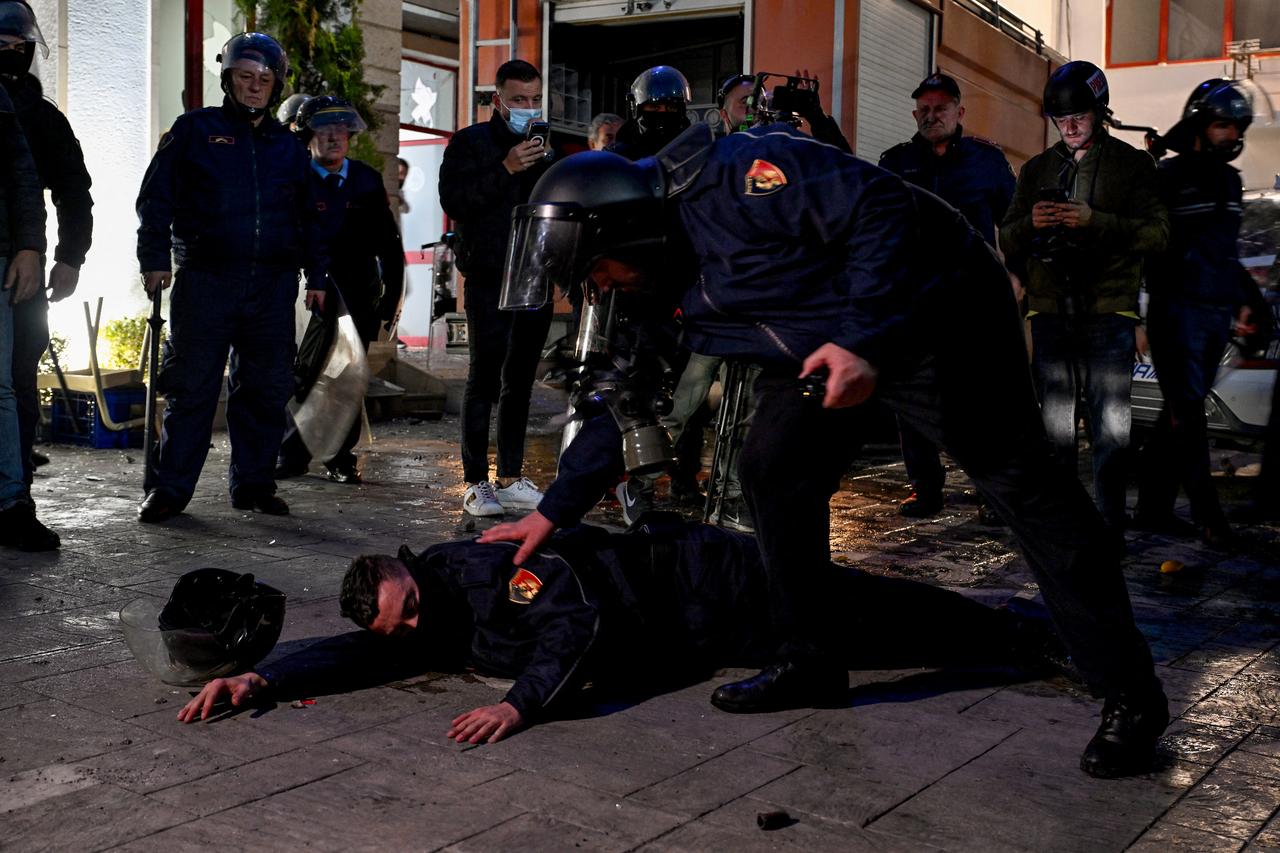


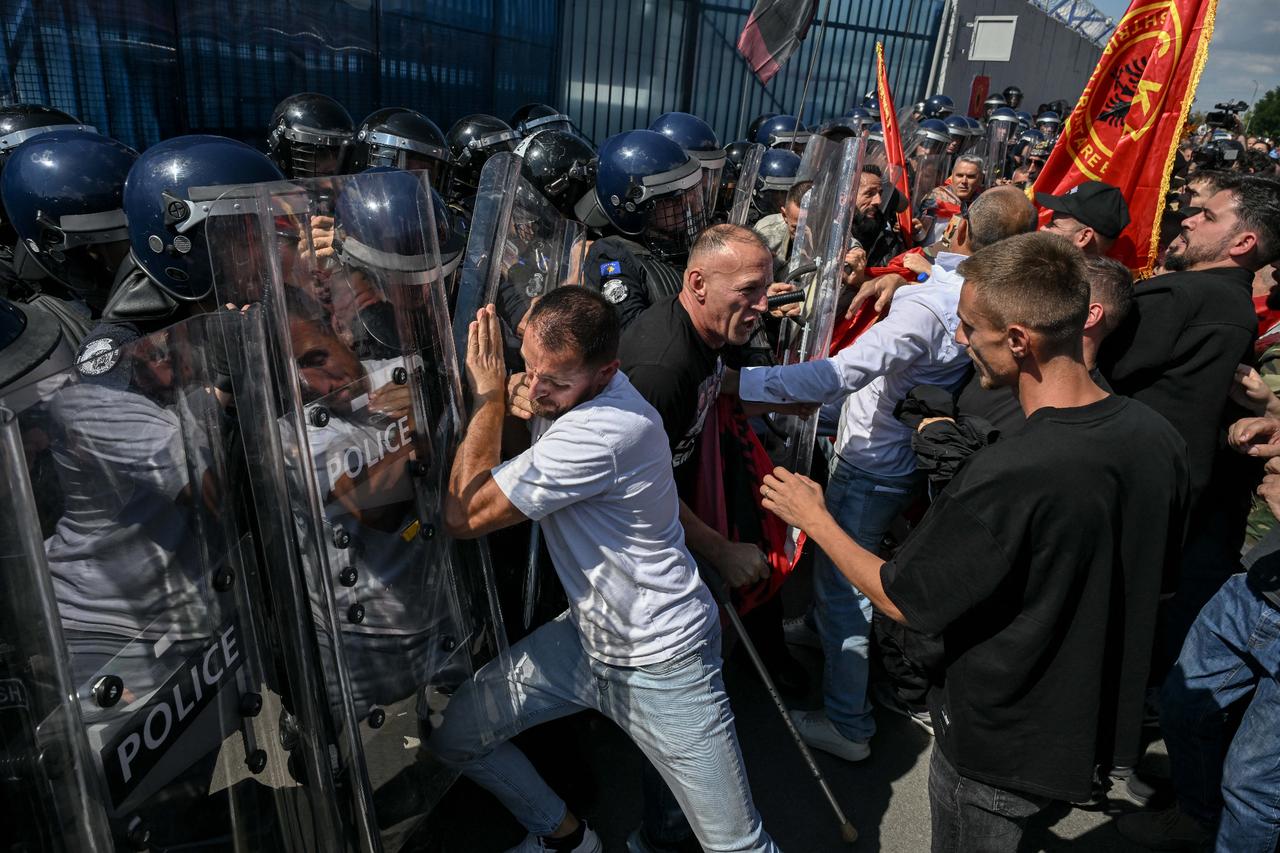
Albanian police fired water cannon and tear gas on Sunday as violent anti-government protests entered a sixth day, and Prime Minister Edi Rama rejected demands that he step down.
Demonstrators have clashed with police in the capital since Tuesday, demanding action over poor conditions at universities, high tuition fees and corruption. Hundreds gathered at noon outside the education ministry, chanting “Rama, resign,” in a tense standoff with officers.
After police moved to disperse the crowd, the protest broke up and spread through central Tirana, turning into hours of violent confrontation.
Protesters set litter bins on fire, smashed windows, including at the headquarters of the governing Socialist Party, and set fire to a police station and the entrance of the interior ministry.
On the main boulevard and square, demonstrators hurled rocks, Molotov cocktails and pyrotechnic devices, while police answered with rubber bullets and tear gas, an AFP journalist reported. Ambulances were seen shuttling in and out of the areas of conflict to collect the wounded.
The health ministry told AFP that 16 police officers were injured on Sunday, 14 of them when protesters attacked the police station.
Ahead of the demonstration, shops and offices in the center had covered doors and windows with metal shutters, and city workers had lifted paving stones to keep them from being thrown.
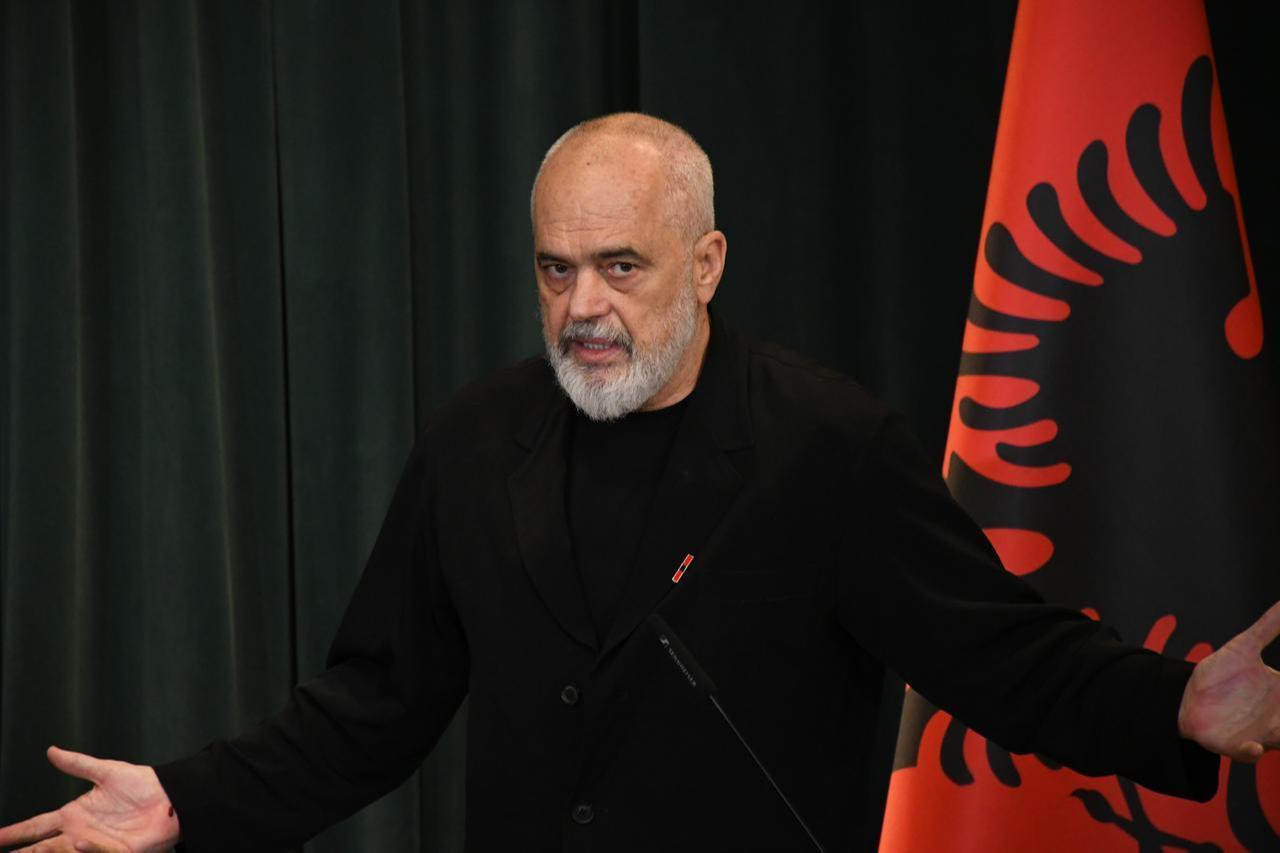

In a video address that ran for more than an hour, Rama ruled out resigning and described the protests as the “work of an outside hand.”
The Austrian federal press service said the Albanian side had canceled Rama’s official visit to Austrian Chancellor Christian Stocker, which had been scheduled for Monday.
Rama has led the Socialist government since 2013, and Albania has been a candidate for European Union membership since 2014.
Saturday brought the harshest violence of the unrest. Protesters threw rocks, Molotov cocktails, metal objects and pyrotechnic devices at police and set cars and litter bins ablaze to build barricades against advancing officers.
A court, banks and a post office were among the buildings set on fire or badly damaged. AFP journalists saw police use rubber bullets for the first time since the protests began.
Albert Nushi, of the police public security department, said in a statement that “the unprecedented scale of attacks on the police” had led officers to make “limited use of specialised crowd-control equipment.”
He urged demonstrators to keep away from the masked individuals he blamed for the violence and to “assemble in a peaceful manner.”
Police detained 54 people in Tirana on Saturday, and 27 of them face criminal proceedings, Nushi said.
A health ministry report issued Sunday put the toll at 65 injured, including 37 police officers, with 12 people hospitalized. Since Tuesday, 272 people have been hurt in the clashes, 169 of them police officers, the ministry said.
Lura Elezi, a 38-year-old writer and activist, told AFP she was protesting for “a better life, rule of law and against crime and corruption.”
She said she loved her country but that her government “does not respect us, it defies us,” adding that every citizen must take responsibility for the nation, including “the duty to lead, to love, and not to destroy.”
The United States, a close ally of Albania, responded late Saturday, when its embassy in Tirana called for “restraint and calm on all sides.”
The European Commission said in a written statement that it “condemned the use of violence in Tirana and other cities” and that the response “must remain proportionate.”
It added that in a candidate country committed to the accession process, grievances should be handled through “constructive dialogue” and in a peaceful manner.
The unrest follows months of anti-government protests in the Balkan country, which were initially sparked by a controversial resort development linked to the family of US President Donald Trump.


 Set as preferred source
 Set as preferred source


 1 min read
 1 min read