Newsletters


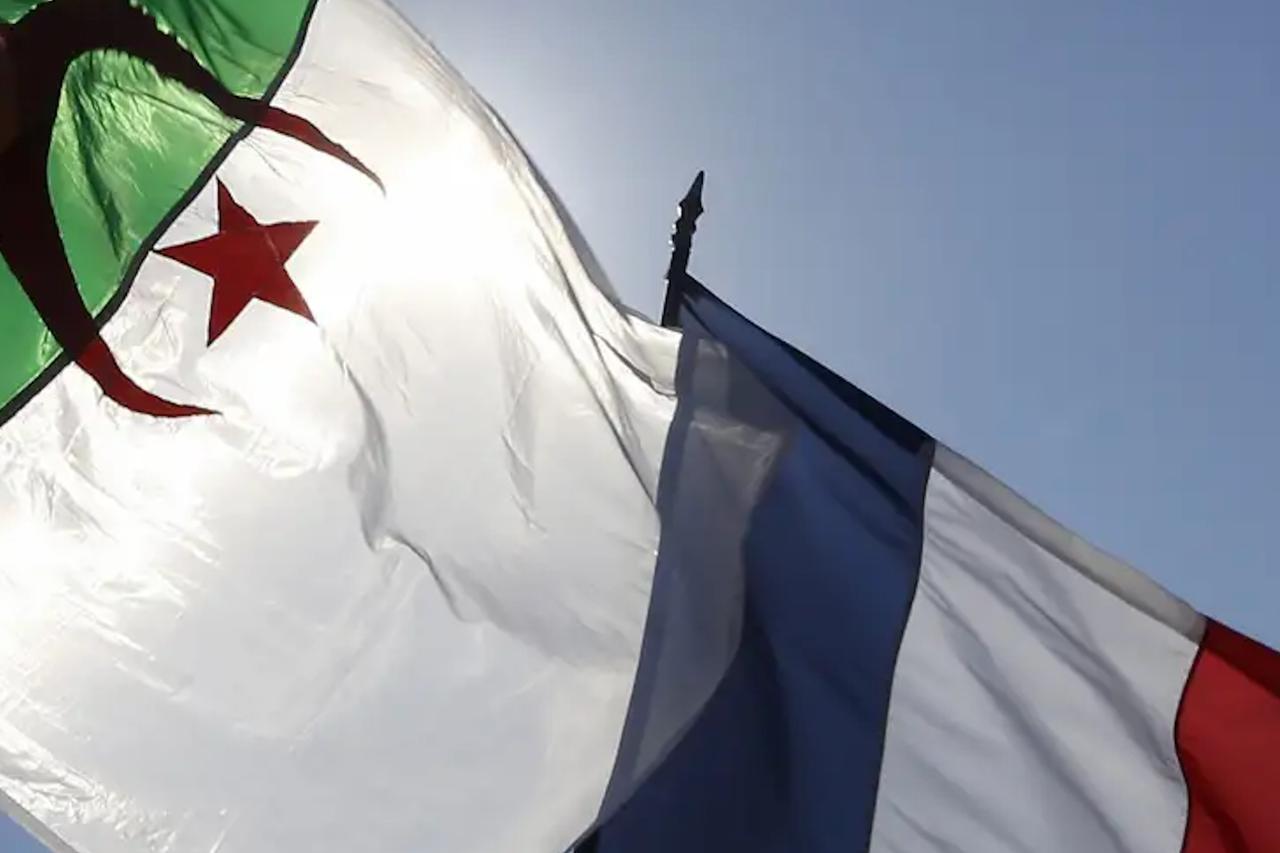


Algeria’s parliament on Wednesday unanimously approved a draft law criminalizing France’s colonization of Algeria from 1830 to 1962 and calling for an apology and reparations, a move France condemned as “hostile.”
According to Agence France-Presse (AFP), lawmakers stood in the chamber wearing scarves in the colors of the national flag and chanted “long live Algeria” as they applauded the passage of the bill, which states that France holds “legal responsibility for its colonial past in Algeria and the tragedies it caused.”
The law comprises five chapters and 27 articles and aims to establish accountability and to secure recognition and an apology for colonial-era crimes as a foundation for reconciliation with history and for safeguarding the national memory.
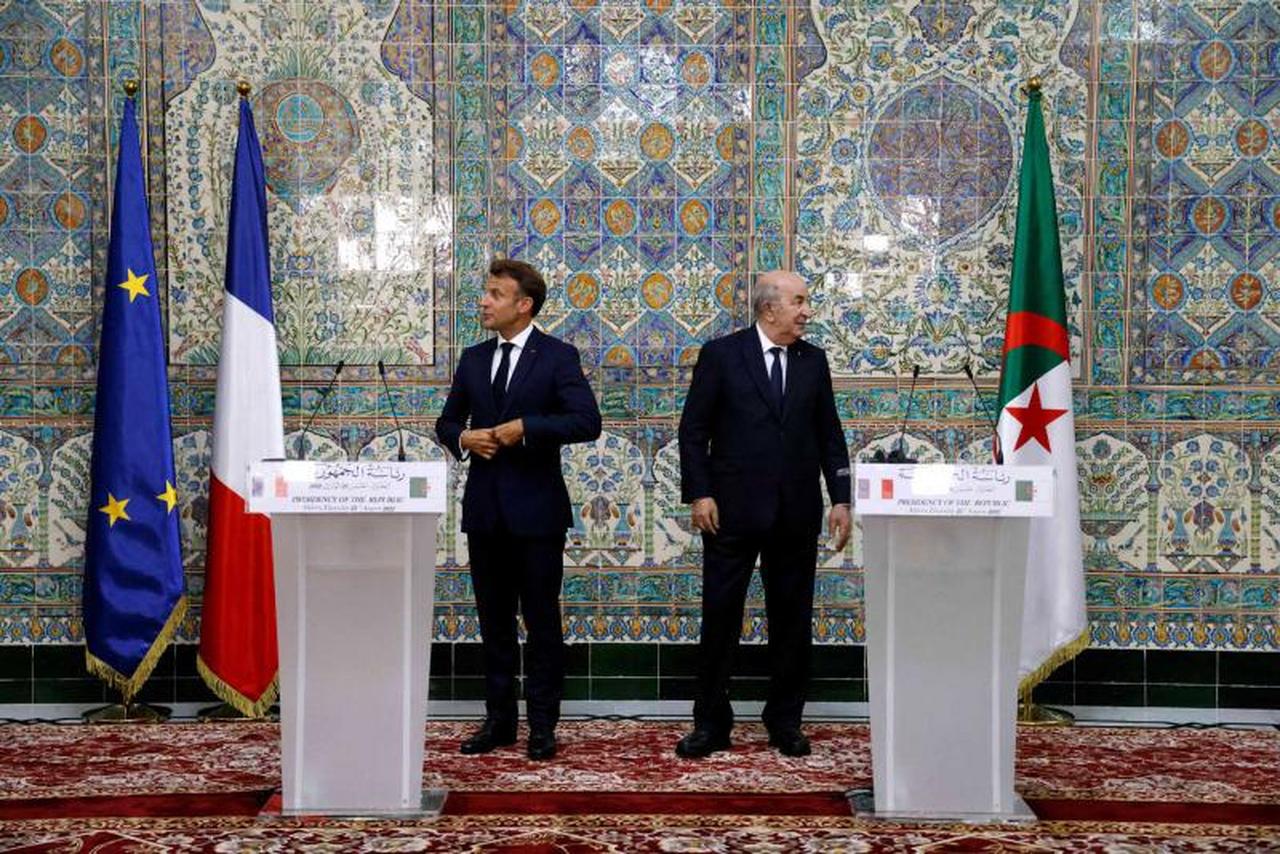

France’s rule over Algeria from 1830 until 1962 remains a sore spot in relations between the two countries. The period was marked by mass killings and large-scale deportations, and it ended with the bloody war of independence from 1954 to 1962.
Algeria says the war killed 1.5 million people, while French historians put the death toll lower. AFP cited estimates of 500,000 in total, 400,000 of them Algerian.
Proceedings began last Saturday with a plenary session dedicated to debating the proposed legislation. Parliament speaker Brahim Boughali told the APS state news agency before the vote that it would send “a clear message, both internally and externally, that Algeria’s national memory is neither erasable nor negotiable.”
The legislation lists the “crimes of French colonization,” including nuclear tests, extrajudicial killings, “physical and psychological torture,” and the “systematic plundering of resources.”
It states that “full and fair compensation for all material and moral damages caused by French colonization is an inalienable right of the Algerian state and people.”
Lawmakers also unanimously voted to adopt amendments and refinements to several articles, incorporating proposals raised during deliberations on the draft, particularly Articles 05, 18, and 19, both in substance and in their legal wording.
The parliament’s Defense Committee said the amendments included in the supplementary report on the draft law, a copy of which Al Jazeera Net obtained, aim to strengthen legislative quality and to firmly establish accountability in line with principles of international law.
According to the report, the committee backed amending Article 05 to include “aggression against the Algerian state,” describing it as a major crime against the state.
It also said Article 18 was revised by replacing the term “temporary imprisonment” with “imprisonment” only, to ensure consistency in the legal text and to reflect the approved terminology.
Lawmakers further voted to amend Article 19 to criminalize any statement or act that seeks to praise colonial collaborators or justify their actions, to protect the national memory and to prevent the denial of the Algerian people’s struggle under any pretext.
A French foreign ministry spokesperson condemned the law’s passage as counterproductive to “the desire to resume Franco-Algerian dialogue and to calm discussions on historical issues.”
The official said Paris was “not in the business of commenting on Algerian domestic politics” but pointed to “the work undertaken” by French President Emmanuel Macron to establish a commission of historians to study the period of colonial rule.
Macron has previously acknowledged the colonization of Algeria as a “crime against humanity” but has stopped short of offering an apology. Asked last week about the vote, French foreign ministry spokesman Pascal Confavreux said he would not comment on “political debates taking place in foreign countries.”
Hosni Kitouni, a researcher in colonial history at the University of Exeter in the U.K., said that “legally, this law has no international scope and therefore is not binding for France.”
But “its political and symbolic significance is important: it marks a rupture in the relationship with France in terms of memory,” he added.
The vote comes as Algeria and France are embroiled in a major diplomatic crisis. An analyst told AFP that while the move is largely symbolic, it is still politically significant.
Tensions escalated after France officially backed Moroccan sovereignty over the disputed Western Sahara region, where Algeria supports the pro-independence Polisario Front.
Several events have since exacerbated strains, including the conviction and imprisonment of the French-Algerian writer Boualem Sansal, who was ultimately pardoned following German intervention.


 Set as preferred source
 Set as preferred source


 3 min read