Newsletters


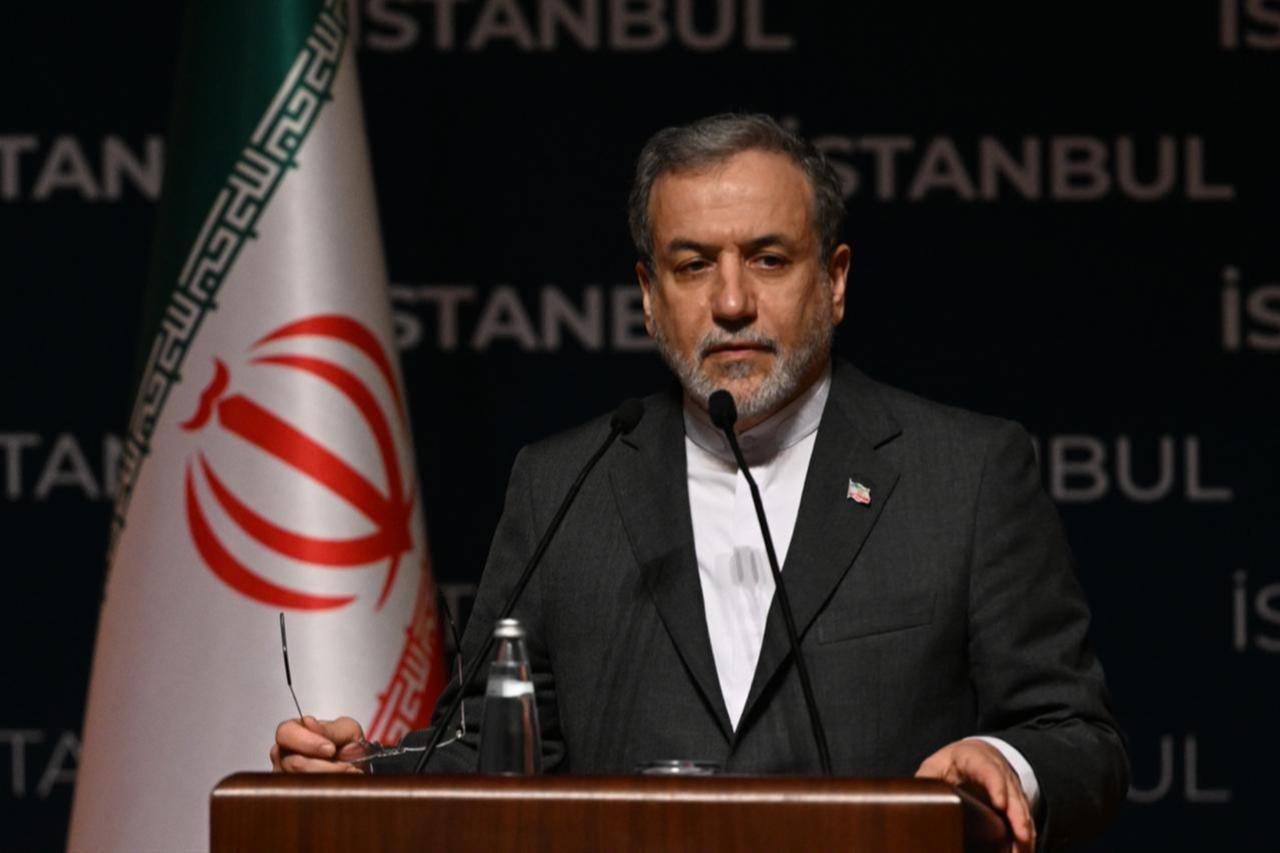


Iranian Foreign Minister Abbas Araghchi said the snapback mechanism's threatened economic consequences are largely psychological warfare, asserting the measure lacks the effectiveness its proponents claim.
Speaking to business representatives in Isfahan, Araghchi acknowledged Iran faces sanctions but argued the country can function under such pressure. He said the snapback provisions from the 2015 nuclear agreement serve primarily to create fear rather than impose substantive economic damage.
"The rhetoric around snapback was far more negative than reality," Araghchi said, according to Iran's official IRNA news agency. He described the aim as creating panic and "psychologically paralyzing the economy," while maintaining that the mechanism "did not have the claimed effect."
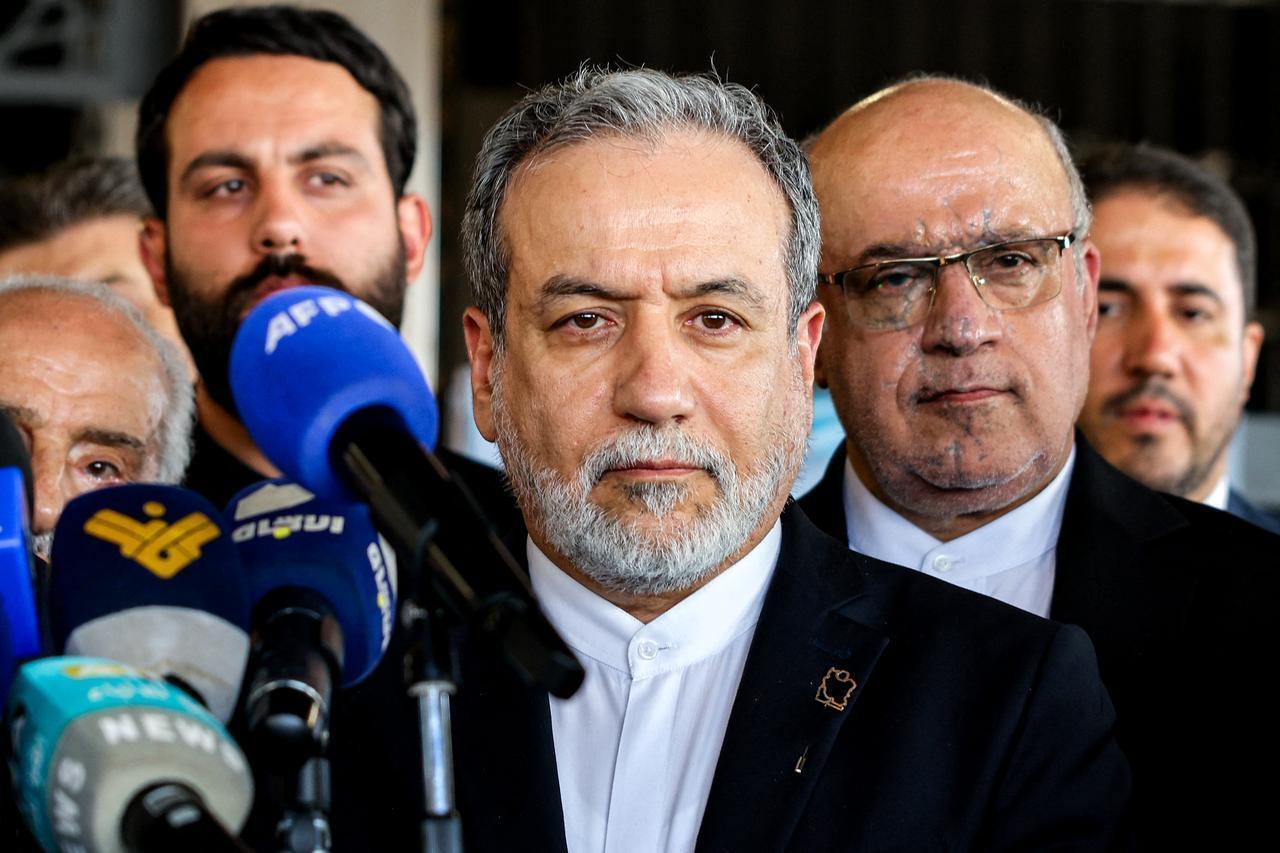

Araghchi told the gathering that Iran must accept the reality of sanctions while also recognizing that nations can be governed under such restrictions. He noted that sanctions create opportunities to address internal weaknesses, suggesting the country has not yet fully utilized its diplomatic capacity or potential with neighboring states.
The foreign minister said Iran has no right to complain about the sanctions, emphasizing the need to adapt to the current environment rather than protest against it.
Addressing a recent 12-day military confrontation with Israel, Araghchi said the episode left a lasting mark on Iranian history. He characterized the Iranian public's response as choosing resistance and dignity over capitulation.
"The enemy became the side that withdrew in the 12-day resistance. They even called for an immediate ceasefire," Araghchi said. "This meant nothing other than surrender."
According to the foreign minister, Israel had expected Iran to capitulate within days of the conflict beginning.
The snapback mechanism allows signatories of the 2015 nuclear agreement to reimpose United Nations sanctions on Iran if they determine Tehran has violated the deal's terms. Britain, France and Germany activated the provision after failing to reach a new nuclear agreement with Iran, giving them the ability to restore previously lifted sanctions.
The original Joint Comprehensive Plan of Action, signed in 2015, provided sanctions relief to Iran in exchange for limitations on its nuclear program. The agreement included provisions allowing parties to trigger a rapid reinstatement of sanctions under specific circumstances.


 Set as preferred source
 Set as preferred source


 1 min read
 1 min read