Newsletters


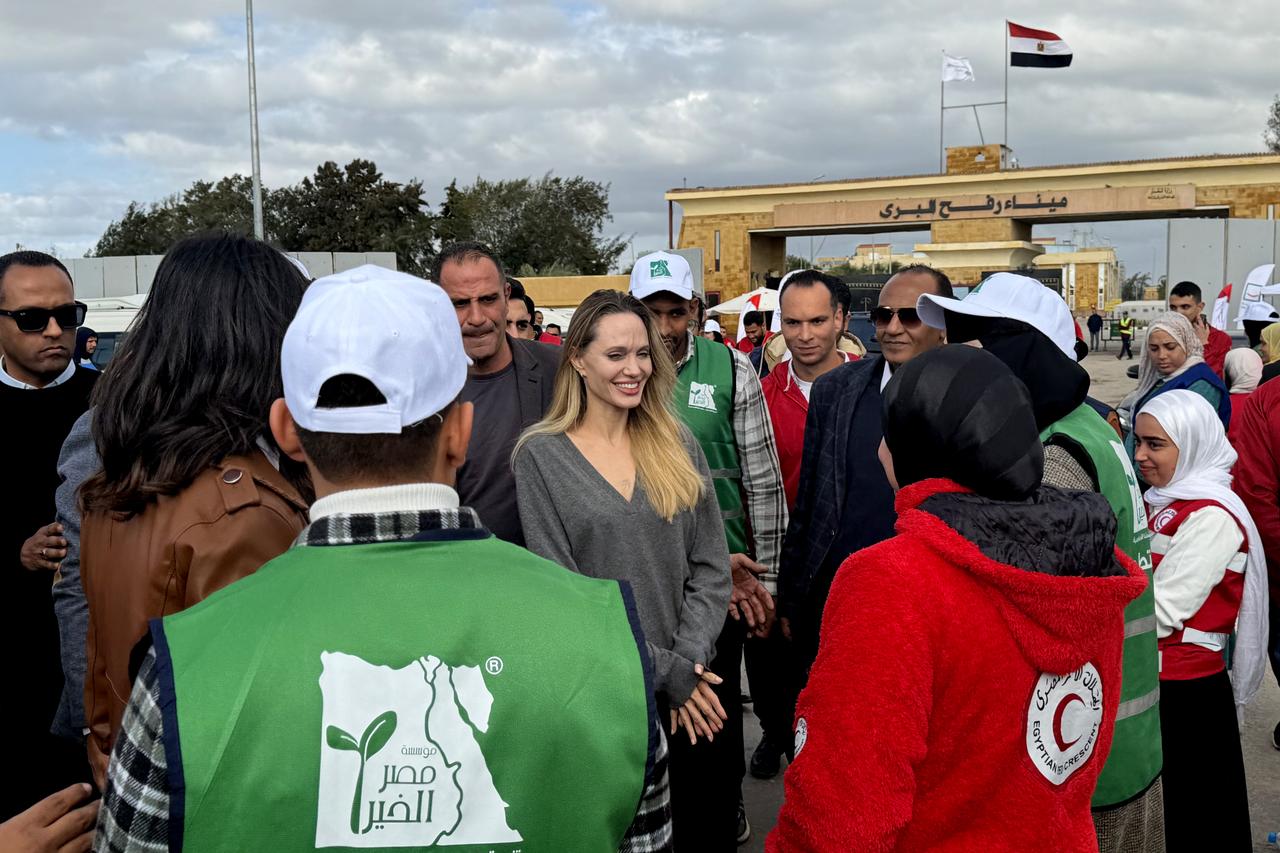


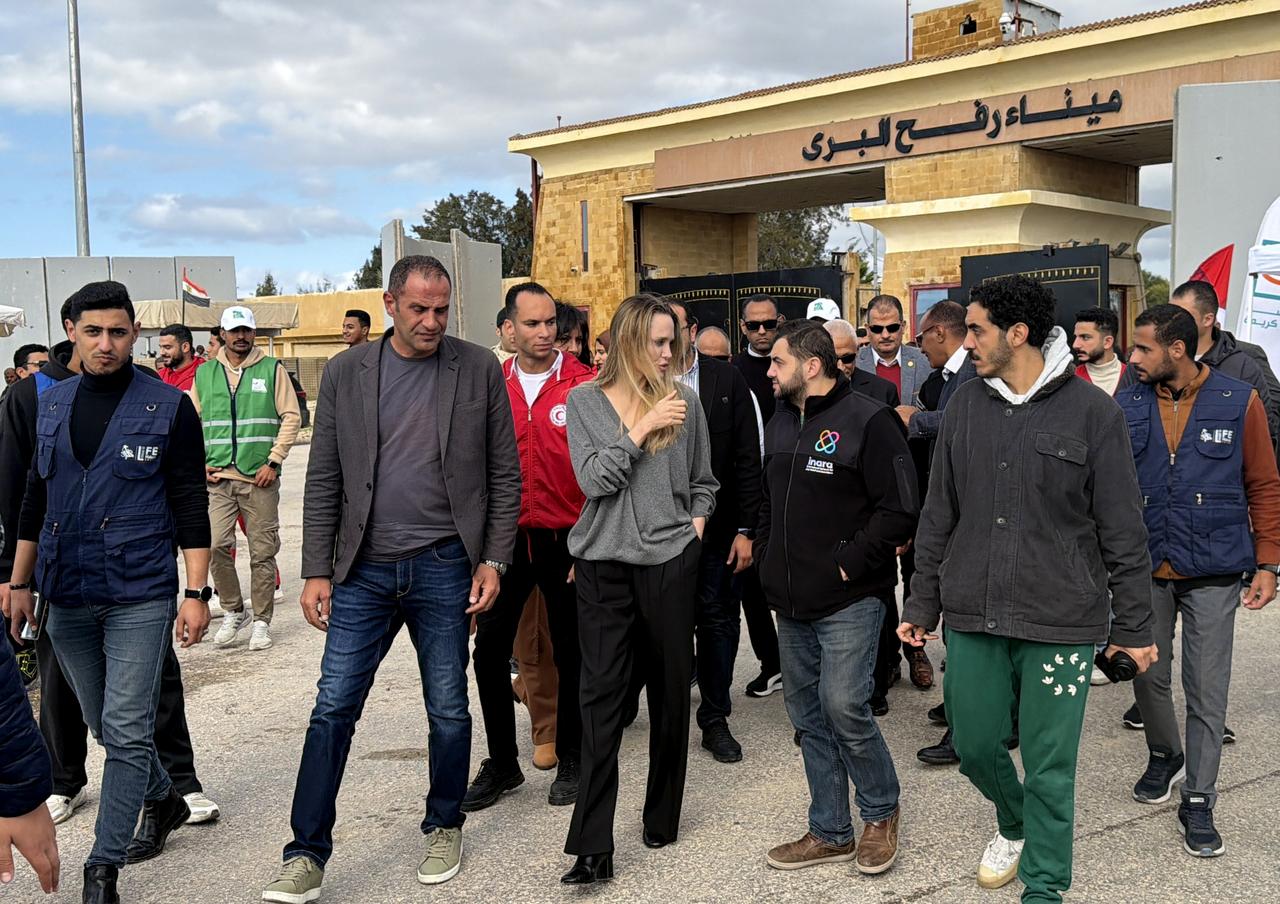
U.S. actress and humanitarian Angelina Jolie has reiterated her support for Palestinians during a visit to Egypt’s Arish city and the Rafah border crossing, where she reviewed humanitarian aid operations linked to Gaza and outlined plans for a relief project for orphaned children affected by the war.


According to information shared by Anadolu Agency and Egypt’s state-run Al-Ahram newspaper, the Oscar-winning actress toured key locations connected to the delivery of aid into Gaza, including logistics warehouses used to store and distribute humanitarian supplies. She was accompanied by a US delegation and received by both former and current Egyptian officials.
During her visit to the Rafah crossing, which serves as the main gateway for aid entering Gaza from Egypt, Jolie met volunteers working with the Egyptian Red Crescent.
She was told that thousands of aid trucks were waiting to cross into Gaza to deliver essential assistance to the enclave’s civilian population, which international organizations estimate at around 2.2 million people.
Jolie was quoted as saying she felt honored to meet humanitarian workers at the crossing, underlining the importance of their efforts to keep aid flowing despite ongoing restrictions.

While reviewing the humanitarian response, Jolie reportedly announced plans to set up a relief village for orphaned children in Gaza.
The project is intended to provide shelter and access to healthcare, education, and psychological support for children who have lost family members during Israeli attacks.
She emphasized that children in Gaza deserved the same chance at life and hope as children anywhere else in the world, framing the initiative as a long-term effort to help young survivors cope with trauma and rebuild their lives.
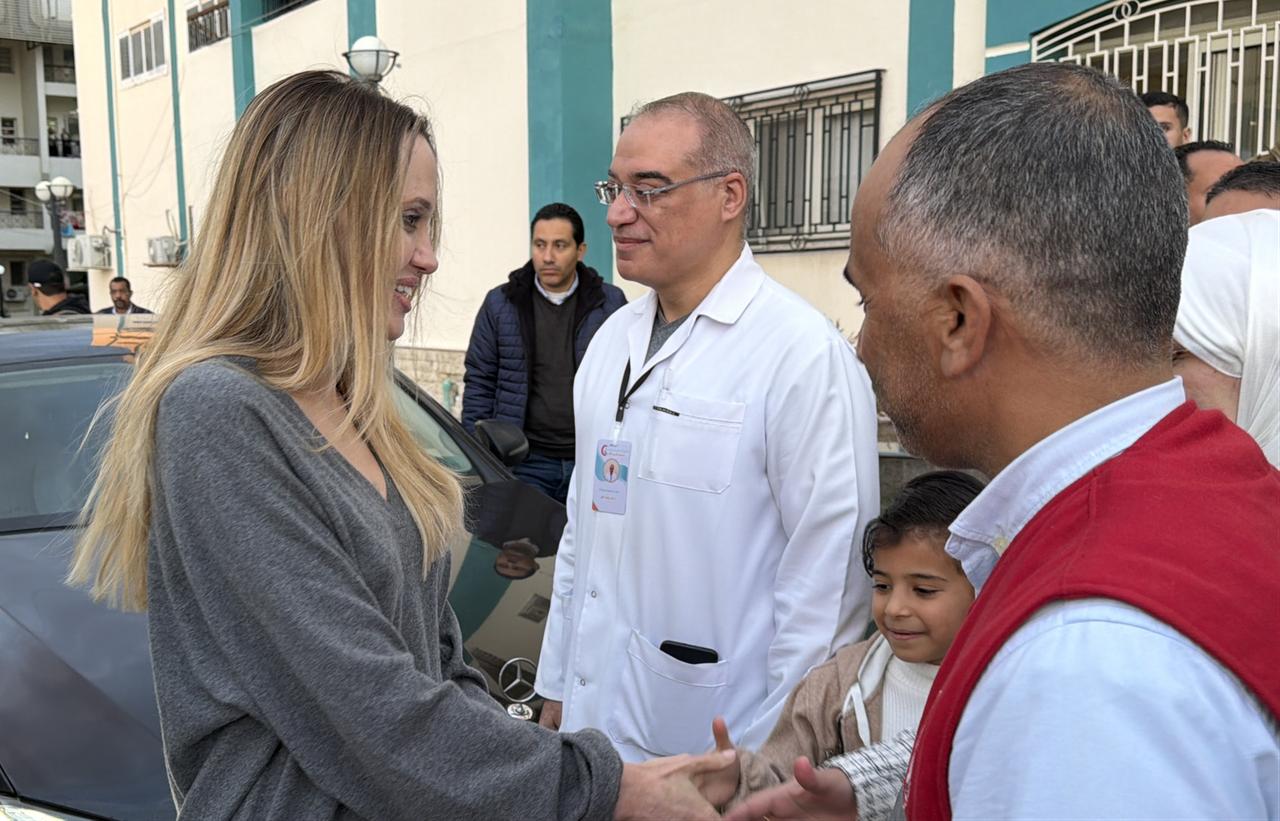
Egyptian officials briefed Jolie on how humanitarian assistance is coordinated and transported from Egypt to Gaza, explaining the stages aid passes through before reaching those in need.
As part of her visit, she was also expected to travel to El-Arish Hospital to check on Palestinian wounded and patients who were accepted by Egypt during the ceasefire period for medical treatment.
Under a ceasefire agreement reached on Oct. 10, the Israeli army was expected to reopen the Rafah crossing, allow the entry of up to 600 aid trucks per day into Gaza, halt military attacks completely, and withdraw from designated military lines.
However, according to the information provided, aid deliveries never reached the agreed levels, the crossing was not fully reopened, and hostilities did not entirely stop.


 Set as preferred source
 Set as preferred source



 1 min read