Newsletters




European Union High Representative for Foreign Affairs and Security Policy Kaja Kallas said the EU wants to be part of the Gaza peace process and called for a diplomatic resolution to rising tensions with Iran, speaking ahead of the EU Foreign Ministers' meeting in Brussels on Monday.
Kallas said the EU's Border Assistance Mission at the Rafah Crossing (EUBAM Rafah) and the EU Police Mission for the Palestinian Territories (EUPOL COPPS) could play important roles in Gaza's peace process.
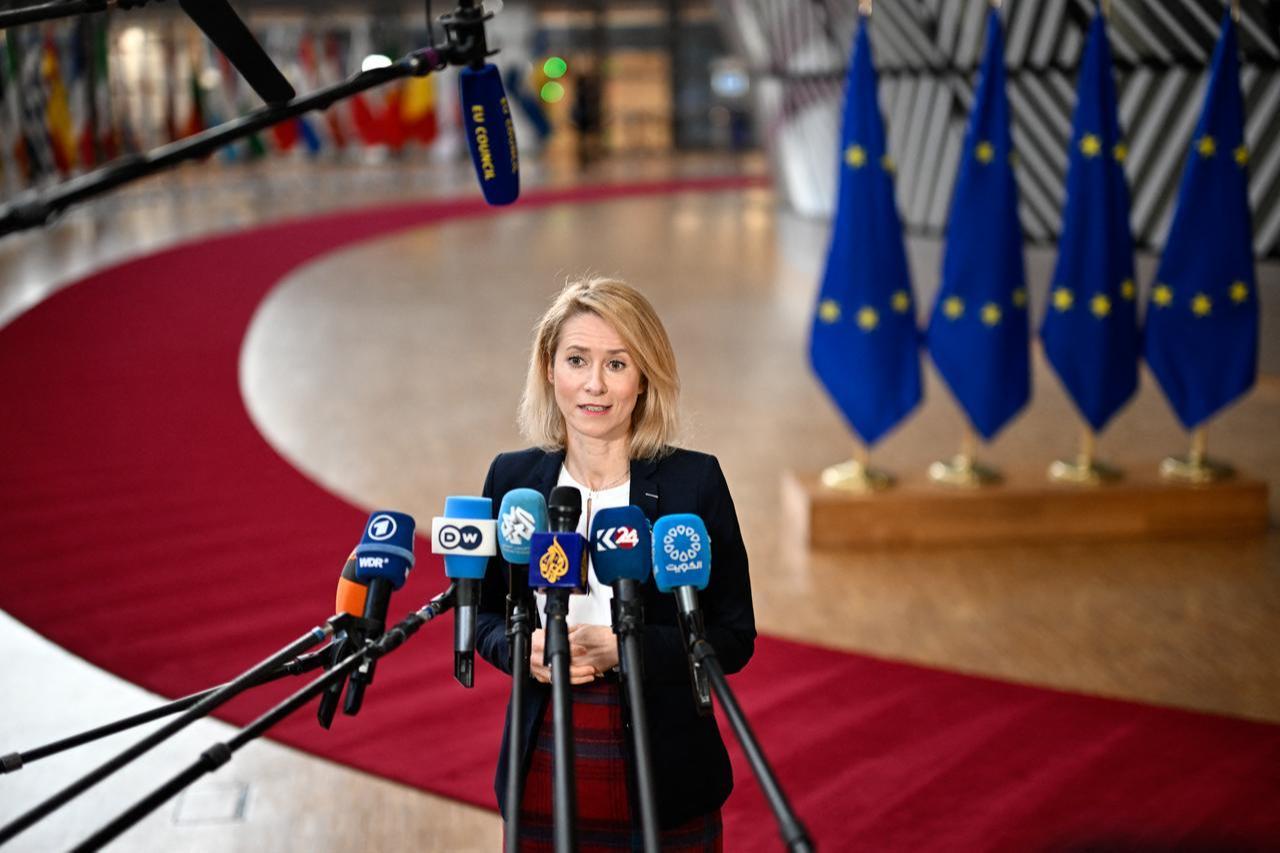

"We want to be part of the peace process in Gaza and contribute with what we have," Kallas stated.
She noted that Palestinian police are needed for the disarmament of Hamas and that EUPOL COPPS could be beneficial in that effort.
"We have agreements with the Jordanian and Egyptian sides, but we also need Israel's approval," Kallas added.
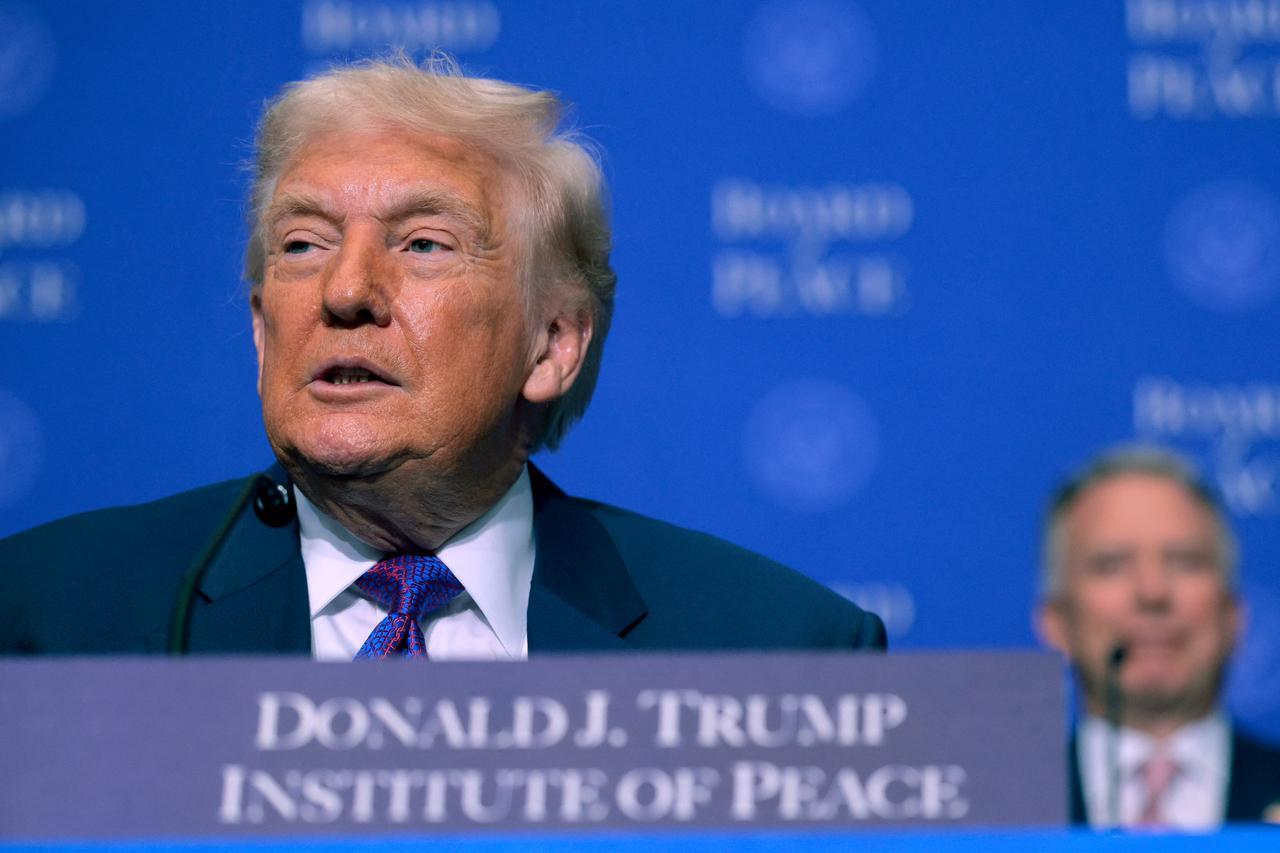
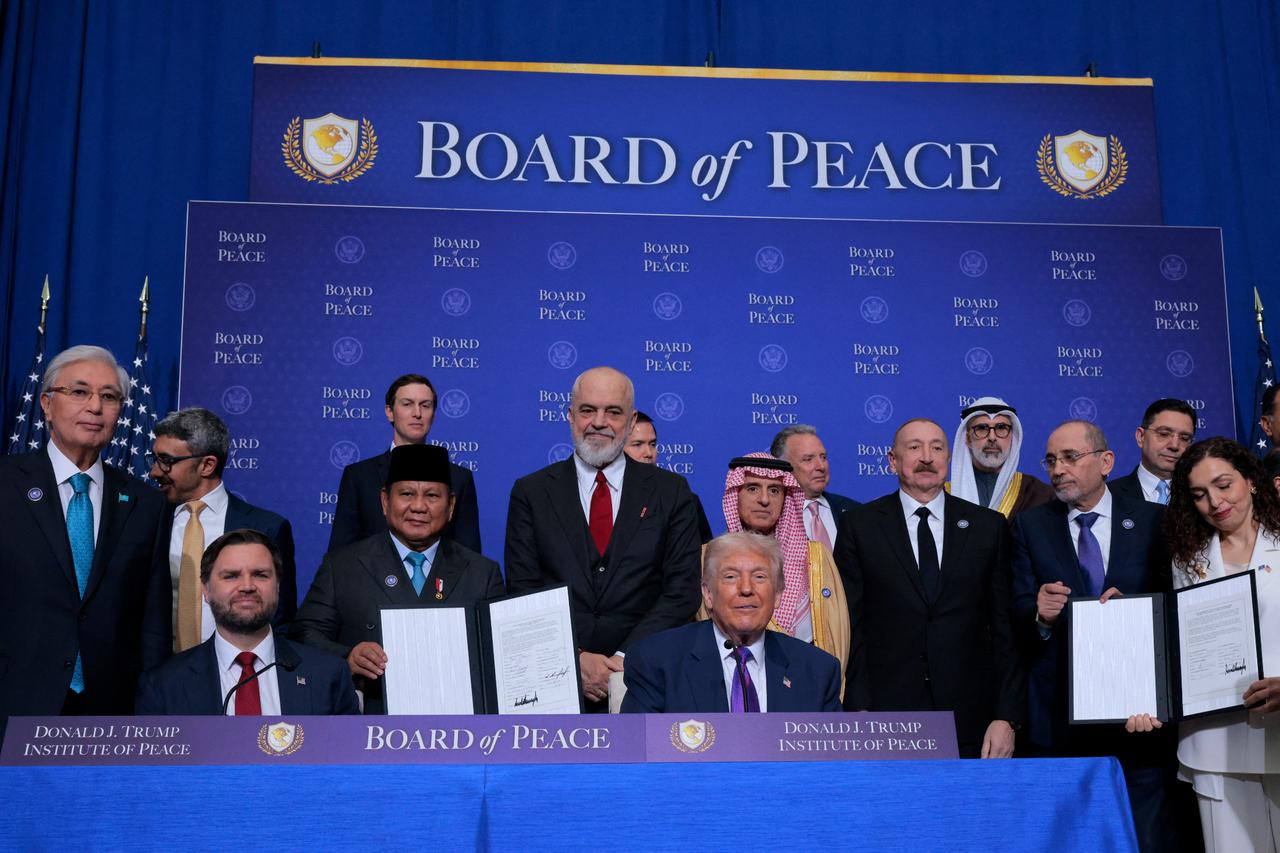
The EU foreign ministers will also receive a briefing from the Gaza Peace Board High Representative Nickolay Mladenov on the situation in the region, she added.
Kallas said foreign ministers would discuss the 20th sanctions package against Russia as the war in Ukraine enters its fifth year on Tuesday, as well as a €90 billion ($106 billion) credit package allocated for Ukraine.
"We will maintain the necessary pressure," Kallas said, noting there is not yet consensus on the sanctions package.
On peace negotiations with Russia, Kallas said what matters most is not who talks to Moscow but what concessions Russia is prepared to make.
"If you demand a lot, you get little. If you demand little, you get nothing. And if you demand nothing, you pay dearly for it. That is very clear," she said.
Asked whether she shares U.S. optimism about a potential peace deal in Ukraine, Kallas said she does not.
"The Russian negotiators are not serious at all and are not willing to discuss any political issues. We have seen a lot of pressure on Ukraine to make concessions and give up. But the Ukrainians are not willing to give up," she said.
"I am not very optimistic that we will see any results in the coming weeks and months," Kallas added.
On Syria, Kallas said a ceasefire is in place but remains "very fragile."
"The forces need to work together toward an inclusive government and genuine reconciliation. We are ready to help with that," she stated.
Kallas added that ministers would discuss whether the time has come to establish a high-level political dialogue with Syria.
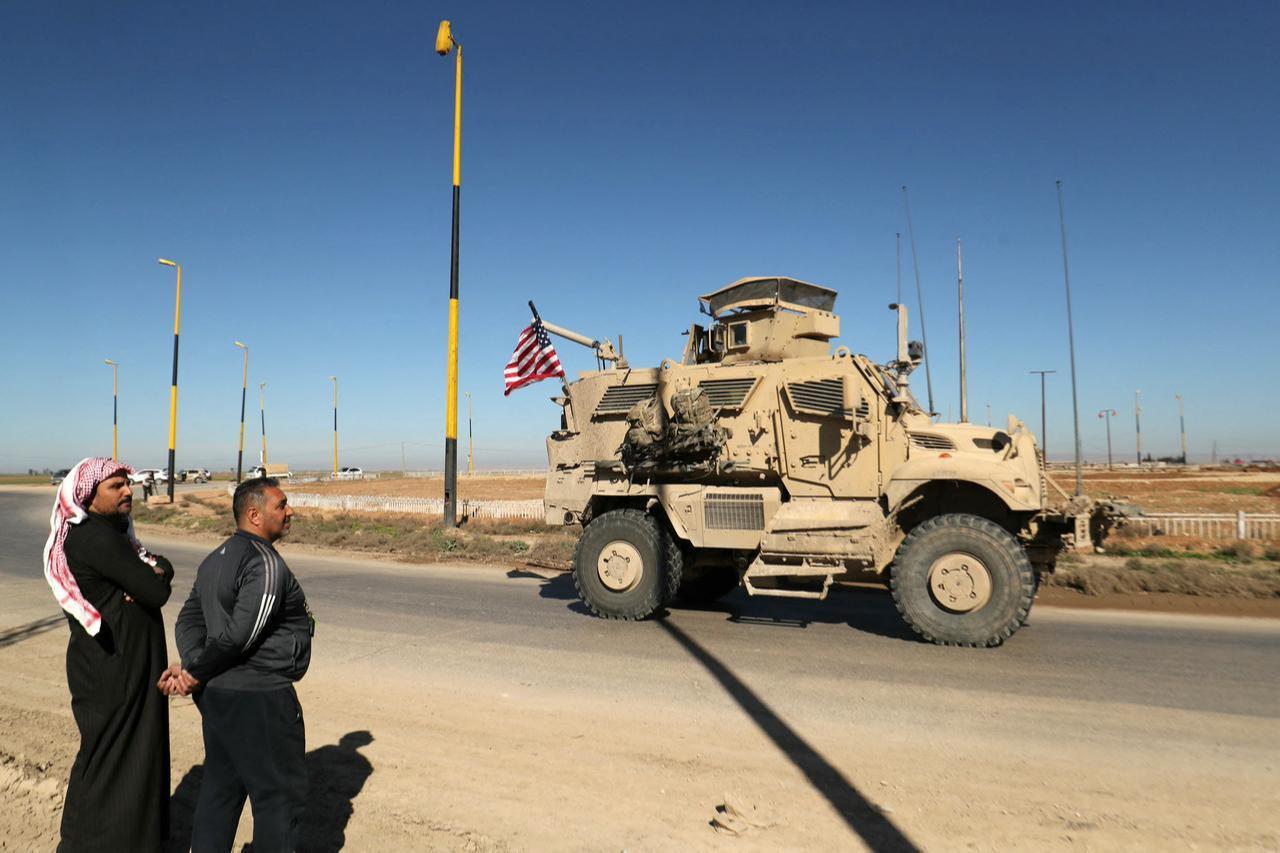
U.S. forces that led the coalition against the Daesh terror group will complete their withdrawal from Syria within a month, three sources told Agence France-Presse (AFP) on Monday, as they began leaving a major base.
"Within a month, they will have withdrawn from Syria and there will no longer be any military presence in the bases," a Syrian government official said.
The United States has about 1,000 troops still deployed in Syria.
Kallas lastly confirmed that any long-term peace framework would require Russia to withdraw its forces from occupied territories, including in Georgia and Moldova.
"Some say these demands are unrealistic, but let's be honest, Russia's demands are not realistic either. They are even demanding through diplomacy territories they could not capture militarily," she concluded.


 Set as preferred source
 Set as preferred source


 1 min read
 1 min read