

 Newsletters




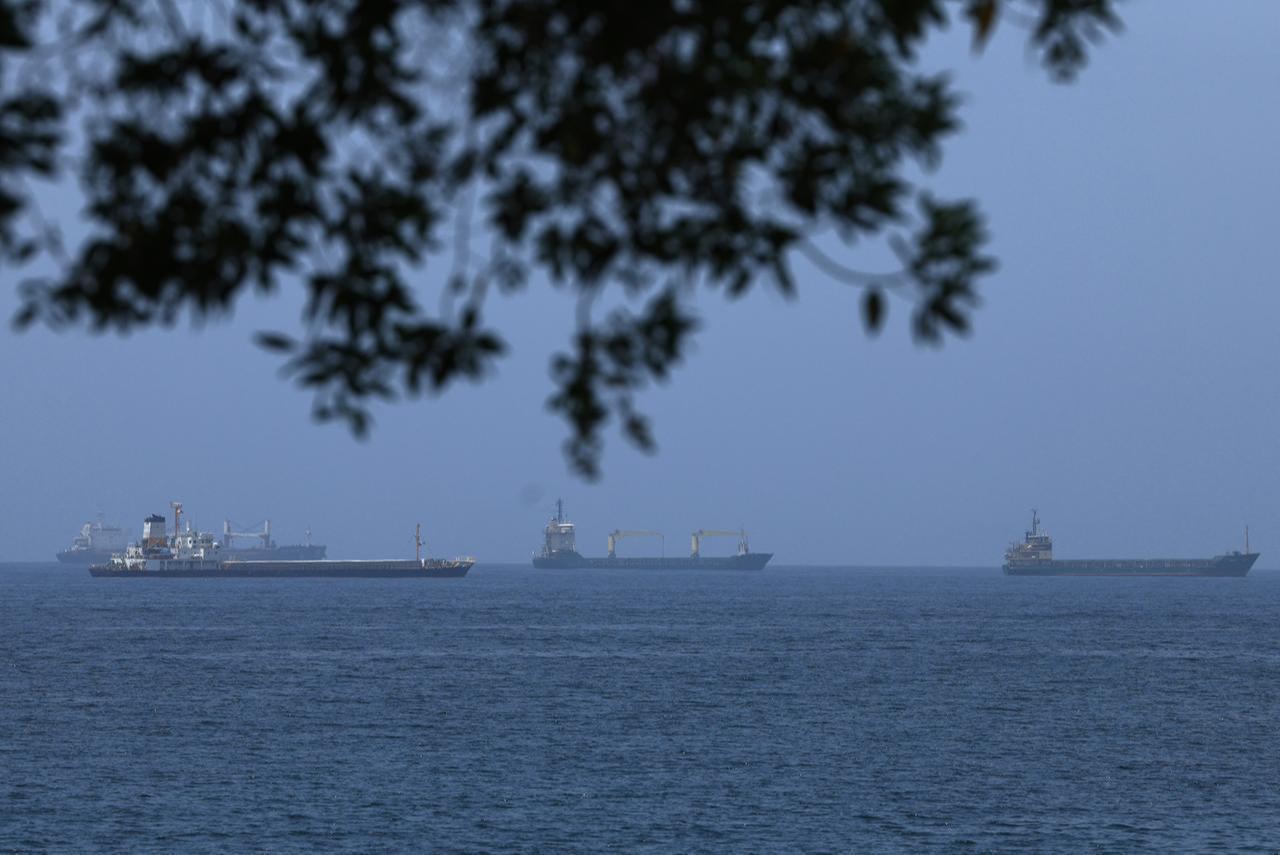
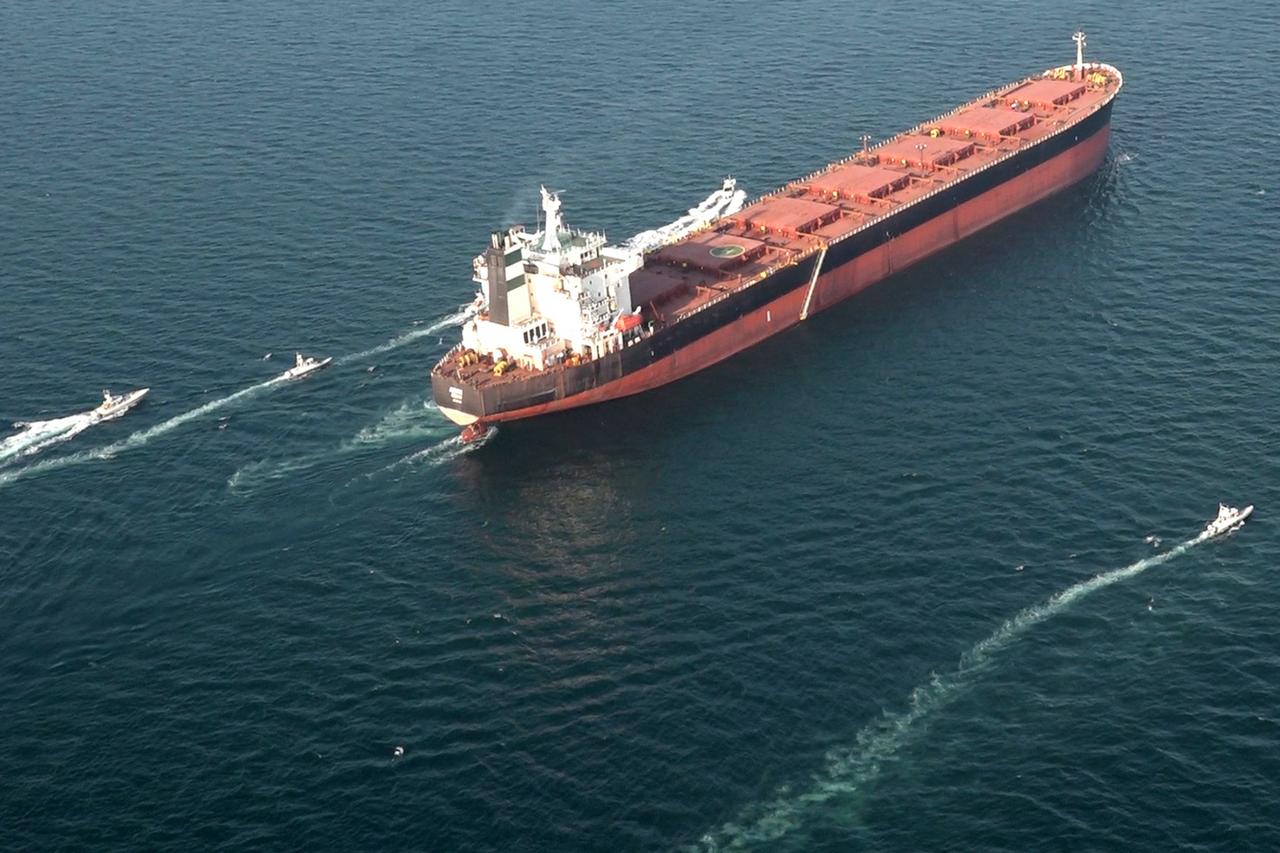
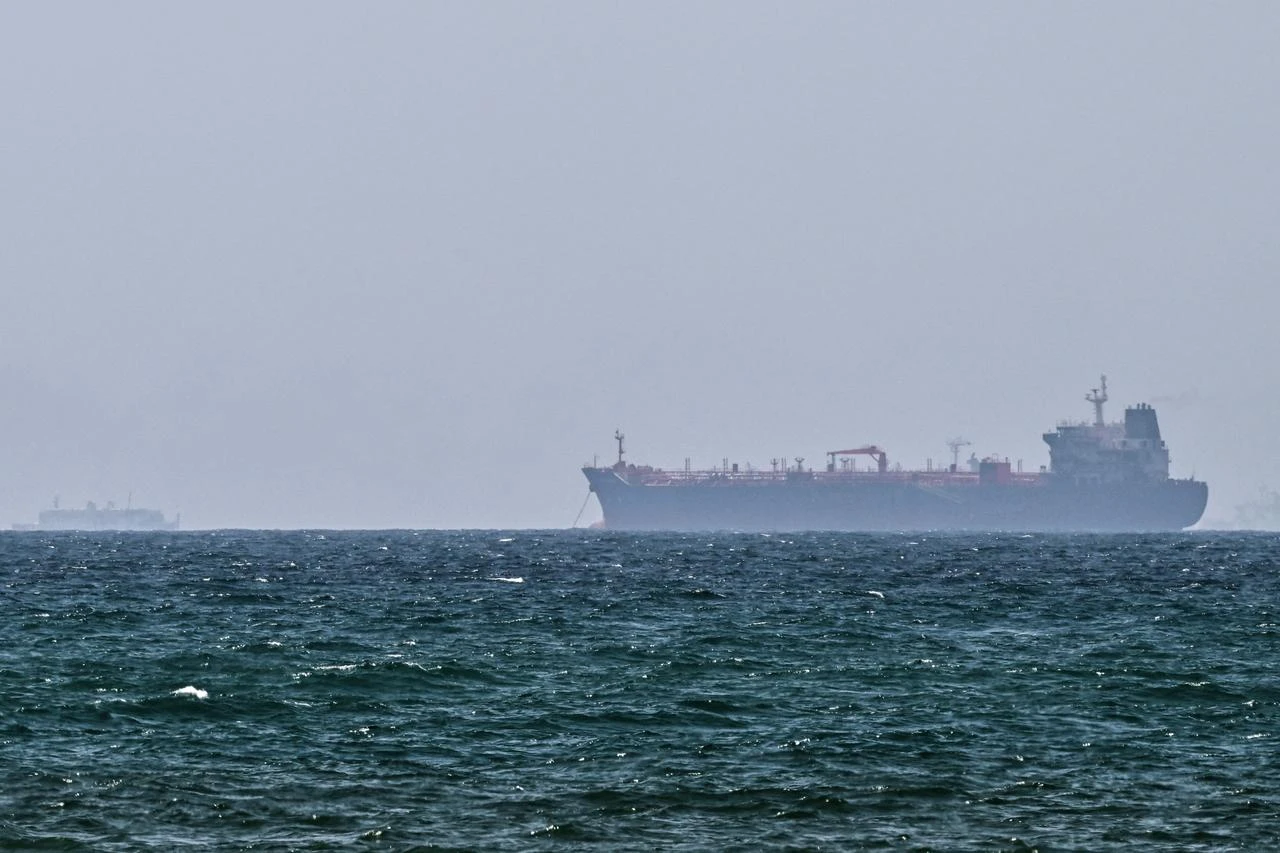
Iran's Islamic Revolutionary Guard Corps (IRGC) fired at least two missiles at commercial ships in the Strait of Hormuz late Monday, Axios reported, as a NATO official said a Gulf mine-clearing mission would depend on alliance consensus.
A tanker was hit by an "unknown projectile" off the coast of Oman, triggering a fire aboard the vessel, the U.K. Maritime Trade Operations center (UKMTO) said.
No casualties or environmental damage were reported.
UKMTO said the incident occurred eight nautical miles east of Limah, Oman.
"A tanker has reported being hit by an unknown projectile on the port side, causing a fire, whilst travelling southbound," the agency said in a notice, adding that authorities were investigating the matter and advised vessels to transit with caution.
Axios, citing two unnamed U.S. officials, reported that Iran had fired at least two missiles at commercial ships and that a second vessel was also struck and significantly damaged.
Iranian media outlet Fars News Agency wrote on Telegram, citing sources, that a Qatari oil tanker "intended to pass through the Omani route in the Strait of Hormuz with U.S. Navy support and was targeted after it ignored repeated warnings."
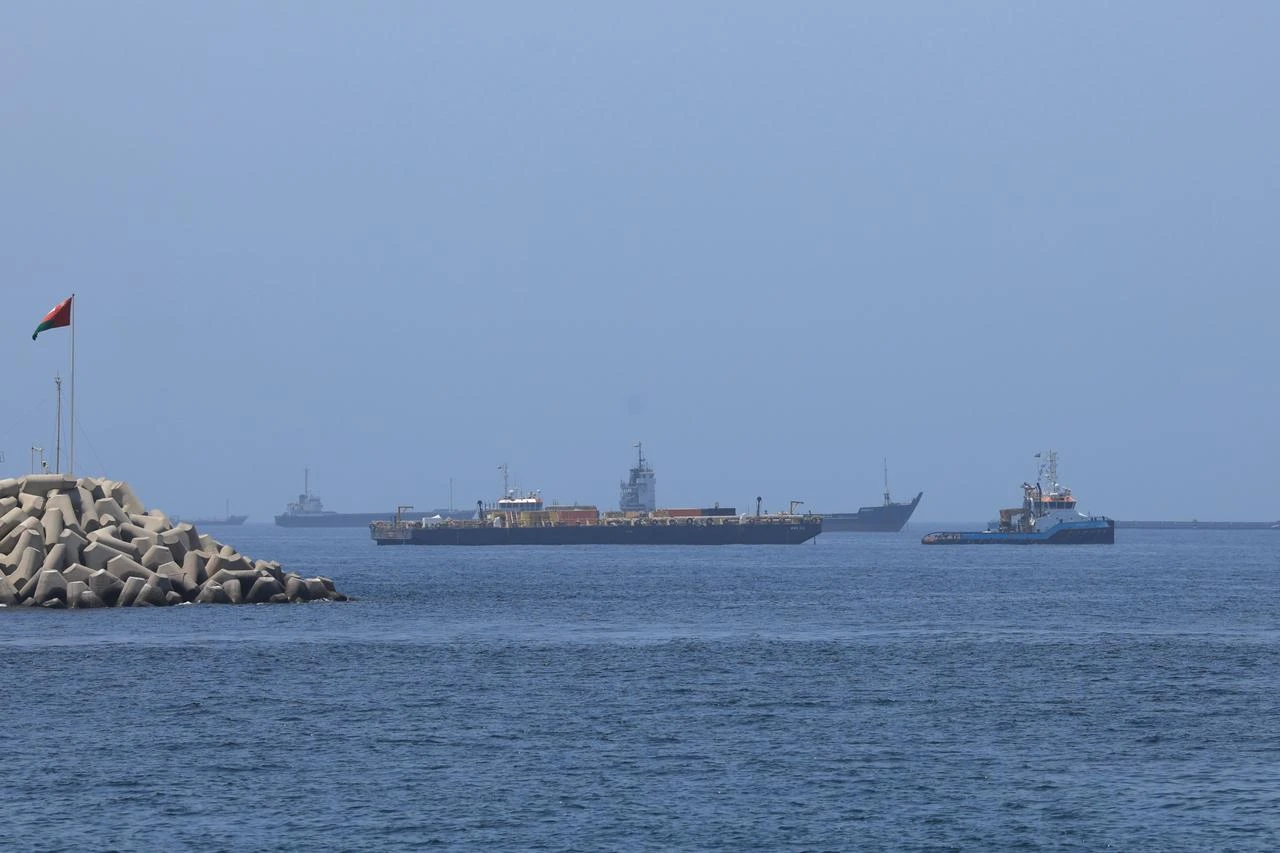
The strait became the flashpoint of the Middle East war when Iran blockaded the waterway and targeted commercial vessels, sending global energy prices soaring.
In response, the United States enforced its own naval blockade and launched retaliatory airstrikes against Iran to halt the shipping attacks.
Maritime traffic finally resumed last month after Washington and Tehran signed a memorandum of understanding to end the conflict and reopen the route.
However, Iran has declared there will be no return to prewar free-passage arrangements, warning vessels to stay within a state-authorized corridor along its coastline.
According to the U.S. Energy Information Administration, roughly 20 million barrels of crude oil passed through the strait daily in 2024—accounting for nearly one-fifth of the global supply.

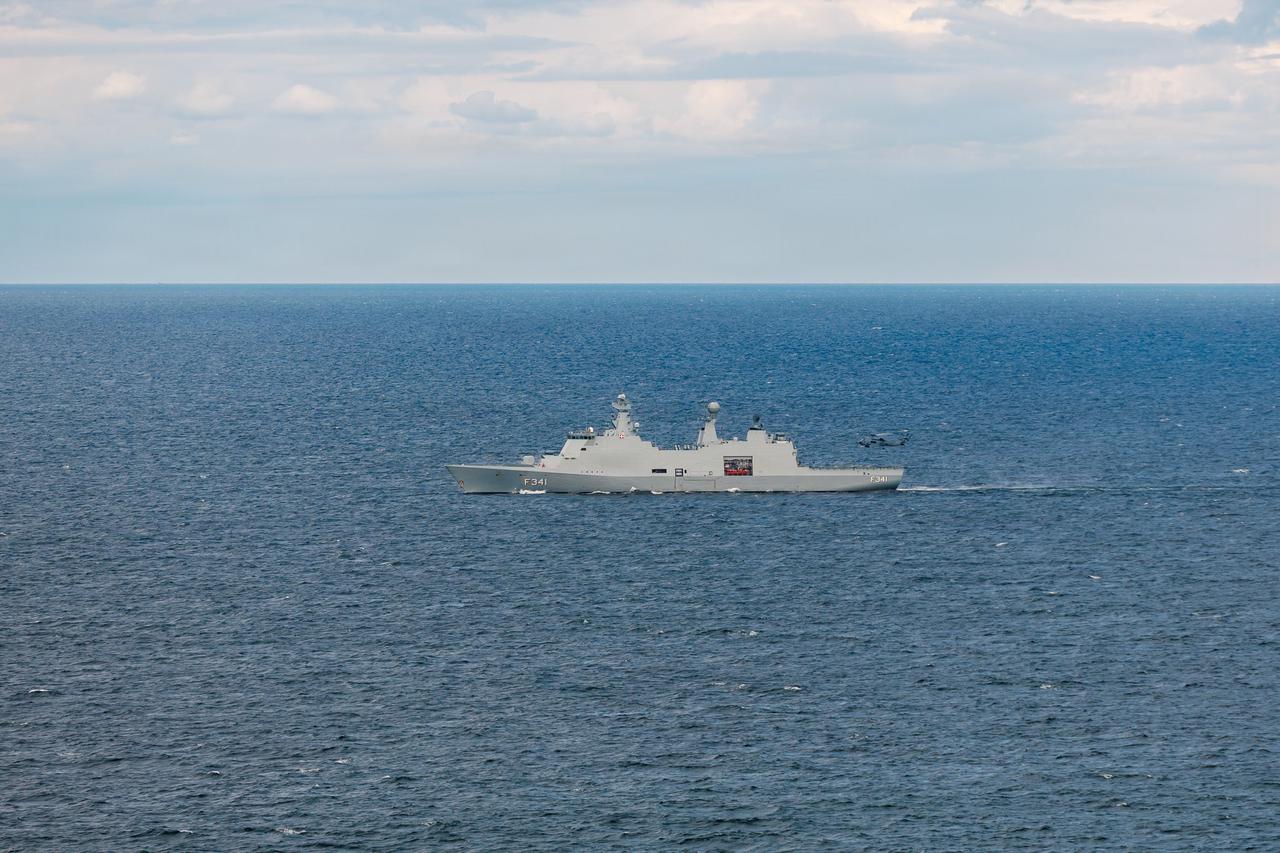
Asked whether NATO was building or considering a mission to safeguard the Strait of Hormuz or clear mines there, similar to the alliance's existing mine-clearing mission in the Black Sea, a NATO official said any Gulf mission "fully depends on how the situation evolves and also on the level of political consensus within the alliance."
The official said the Gulf—much like the Baltic and Black Sea regions—is a technologically and industrially "interesting area" due to ongoing demining activity, a heavy presence of unmanned systems, and a severe threat landscape. The official called such environments "very, very interesting playgrounds for us to verify that the investments we are making in our military capabilities" will pay off over the long term.
The official noted they would personally encourage allies to operate in the Gulf, but said it was unclear whether that would happen "under the NATO umbrella."
Without full alliance alignment, the official said, involvement would more likely take the form of "coalitions of the willing," with specific nations proactively increasing their posture, because the Gulf, unlike Afghanistan or the North Atlantic, is "not traditionally in NATO's area of responsibility."
"Having said that, I think we are ready to see it," the official said, noting that France has assets in the region, the United Kingdom has sent assets, and a Dutch frigate is on its way.
The official described allies as already "proactively taking steps to be ready for something," adding that the situation there is "fluid."


 Set as preferred source
 Set as preferred source


 1 min read
 1 min read



