Newsletters


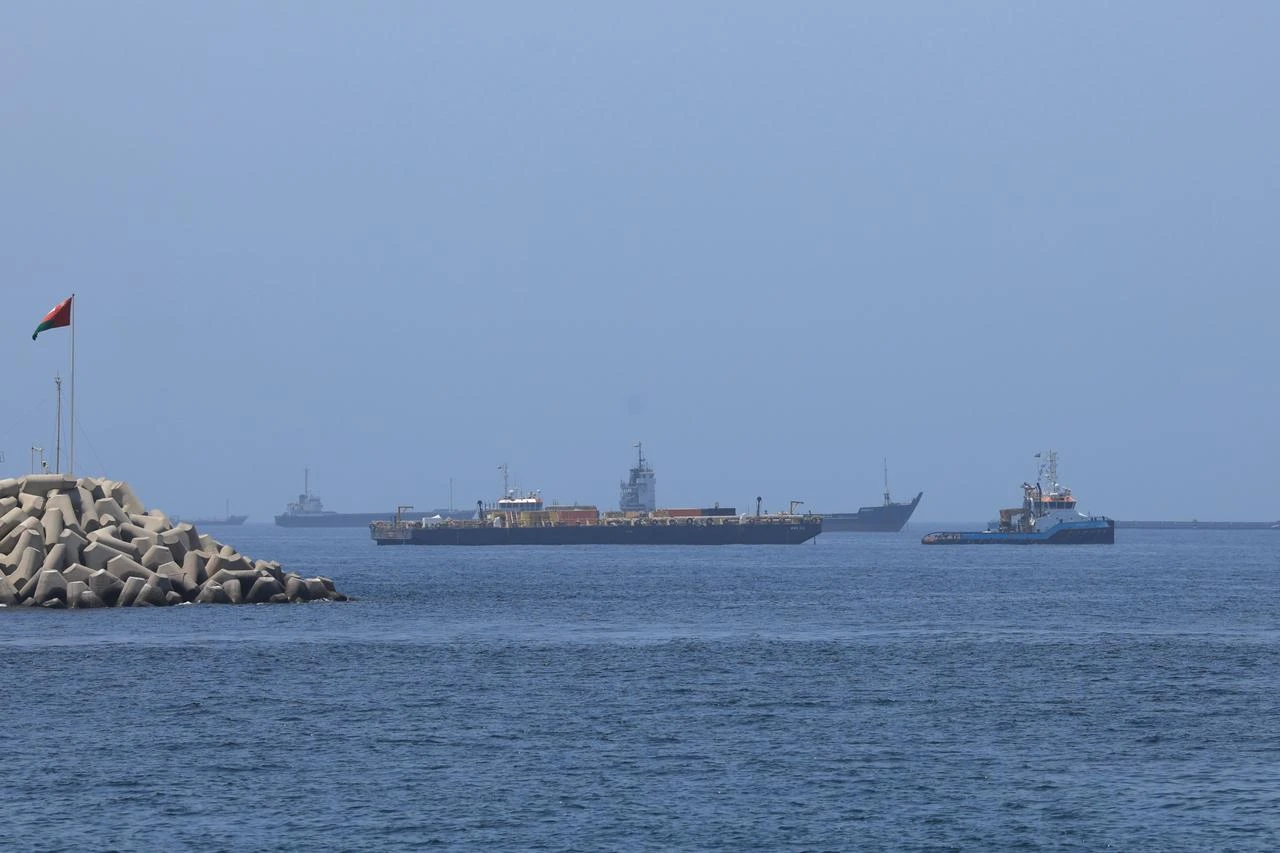


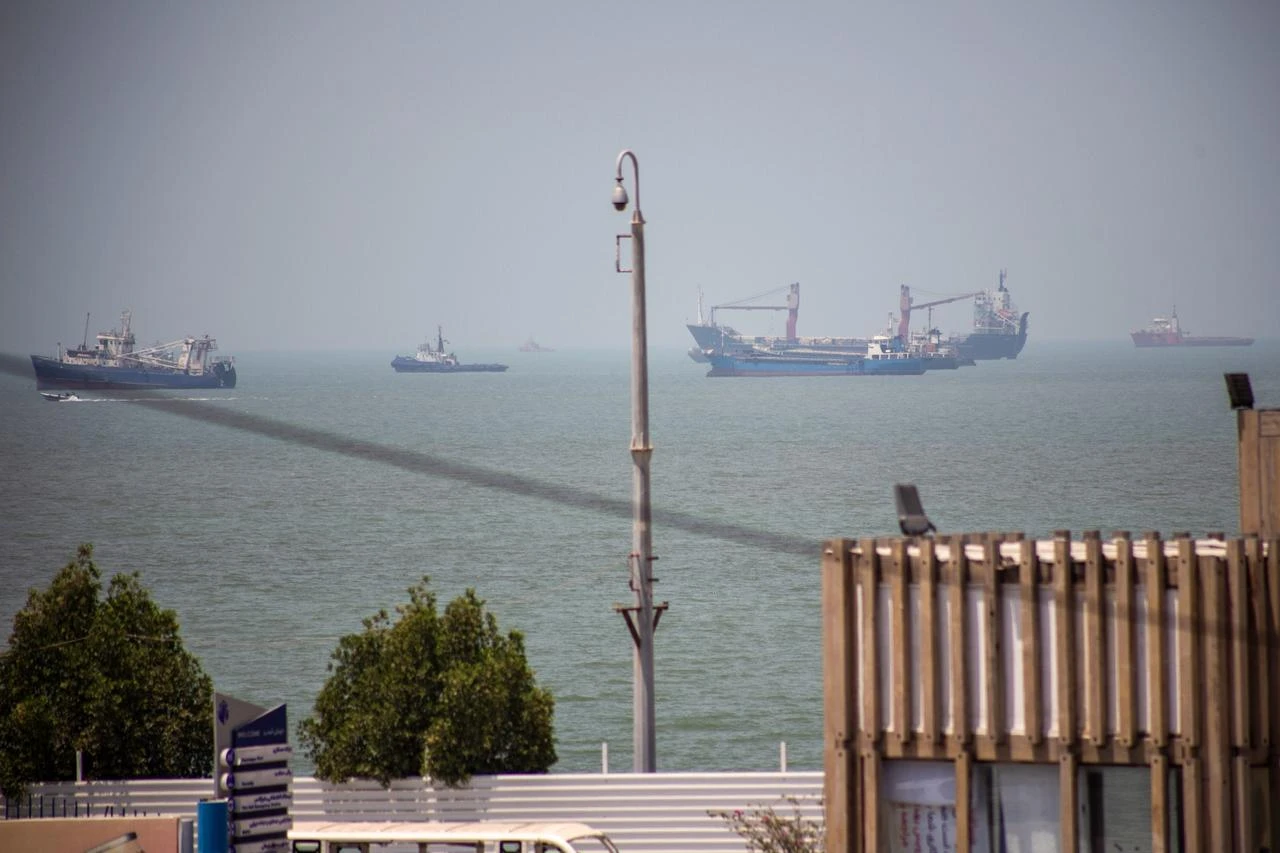
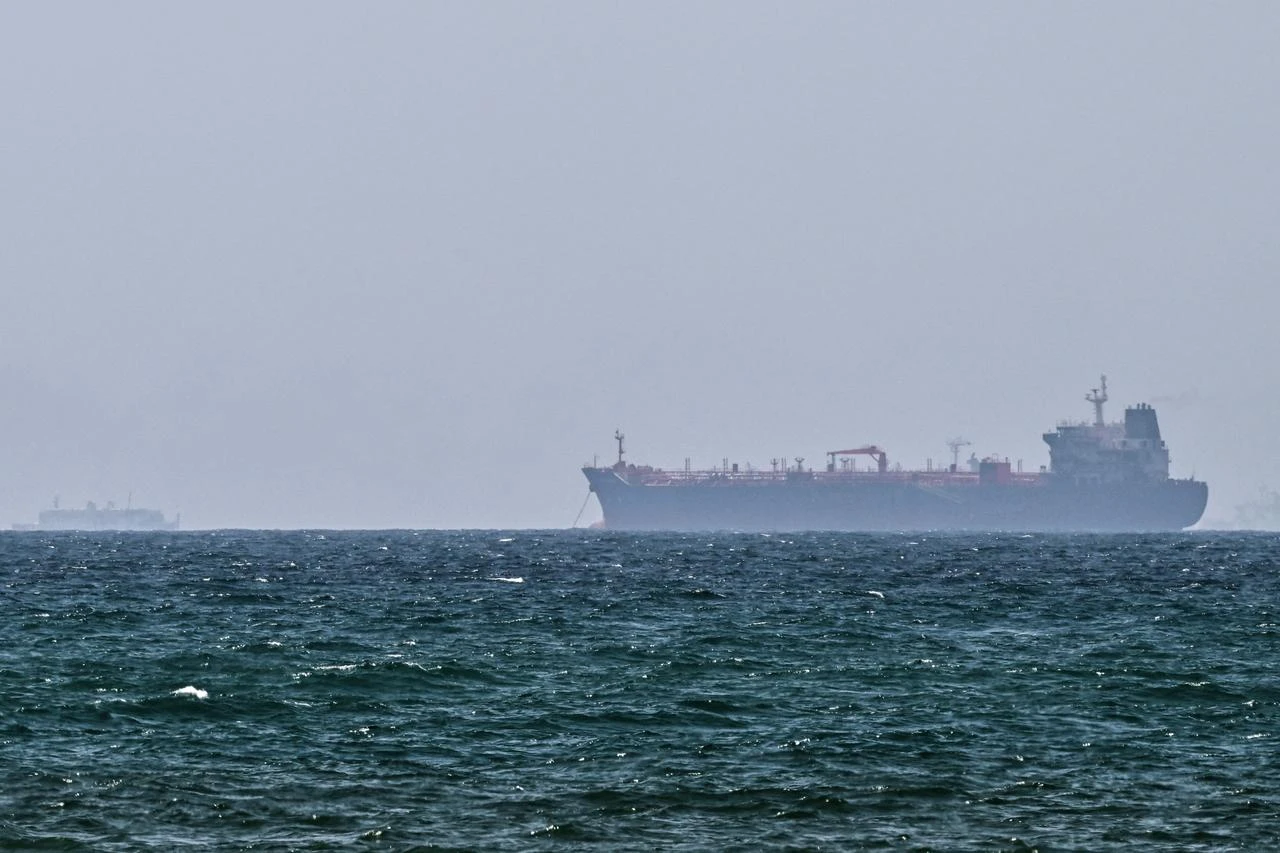
Russian Security Council Deputy Chairman Dmitry Medvedev said Iran's influence over the Strait of Hormuz gives it leverage comparable to a "nuclear weapon," arguing that restrictions on passage through the strategic waterway demonstrated Tehran's regional reach.
Speaking to reporters after a visit to Iran, Medvedev said Tehran could also disrupt shipping through the Bab el-Mandeb Strait in the event of a wider regional conflict, potentially halting oil and commercial transport.
"I hope it does not come to that, but all countries seeking conflict in the region should remember this," he said.
Medvedev criticized recent U.S. strikes on Iran, calling them "completely unprovoked" and arguing that Tehran posed no threat to the United States while negotiations between the two sides were underway.
He said the attacks undermined international law and claimed Russia had previously proposed a peaceful solution to concerns over Iran's nuclear program.
Addressing a U.S.-Iran memorandum of understanding, Medvedev said negotiations were preferable to conflict but warned that reaching a final agreement would be "extremely difficult," particularly over sanctions relief and funding for Iran's reconstruction.
Medvedev said he discussed with Iranian President Masoud Pezeshkian the creation of a platform for countries under sanctions to coordinate efforts against what Moscow describes as illegal restrictions.
He said the proposal, first put forward by Tehran several years ago, could take the form of an agreement or organization bringing together sanctioned countries.
Medvedev held talks with Pezeshkian in Tehran on Friday on the sidelines of funeral ceremonies for former Supreme Leader Ali Khamenei.
He visited Iran as a special envoy of Russian President Vladimir Putin to convey Moscow's condolences.
Khamenei was killed in a joint U.S.-Israeli attack on Iran on Feb. 28, triggering nearly three weeks of war and sharply escalating regional tensions before a ceasefire was reached under a U.S.-Iran memorandum brokered by regional mediators.
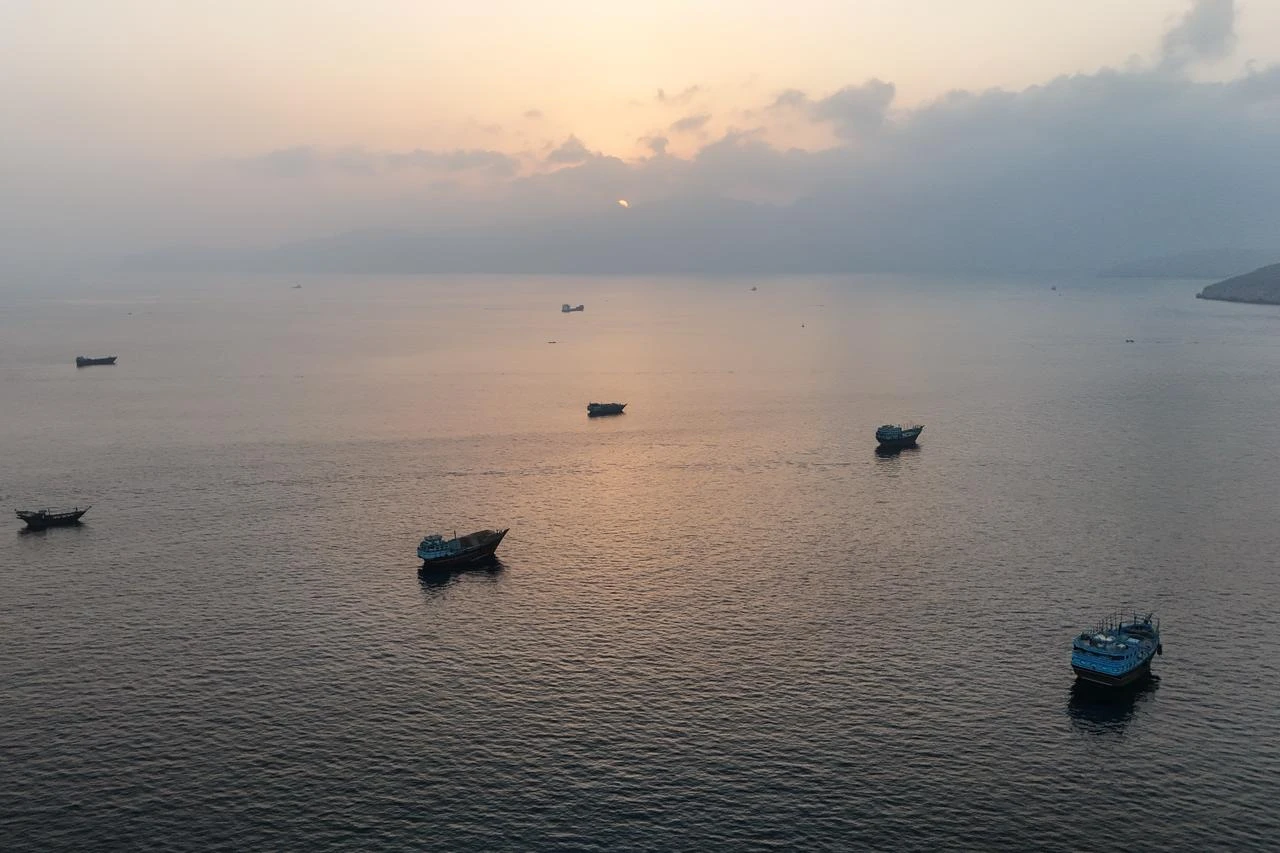

Iranian Deputy Foreign Minister Kazem Gharibabadi said Saturday that the Strait of Hormuz "is not a stage for extra-regional powers to display military force," warning against foreign military activity in the waterway.
"As a responsible power and the guarantor of security in the strait, Iran warns against any military activity in this sensitive waterway," Gharibabadi wrote on X.
His comments came in response to a joint British-French statement saying the two countries were prepared to support a broader multinational military mission to protect freedom of navigation.
Gharibabadi said security in the strait "rests with the littoral states."
"Those who create crises will bear responsibility for the consequences of their adventurism. This is a serious warning," he added.
British Prime Minister Keir Starmer and French President Emmanuel Macron said late Friday that London and Paris were prepared to help establish a multinational military mission to secure navigation through the Strait of Hormuz.
"The Strait of Hormuz is a vital artery for the global economy," they said in a joint statement.
"Restoring safe transit for ships of all nations through the strait is a matter of global concern."
The leaders said Oman had agreed to cooperate with Britain and France to ensure safe passage through its territorial waters.
They added that both European countries were prepared to anchor a broader multinational mission supporting freedom of navigation.
"The United Kingdom and France reaffirm their shared commitment to regional stability, respect for the sovereignty of all states, and their willingness to maintain close cooperation with their partners in order to uphold global security, freedom of navigation and international law," the statement said.
A memorandum of understanding between Iran and the United States, brokered under Pakistani mediation, entered into force June 18 after being electronically signed by Pezeshkian and U.S. President Donald Trump.
The framework covers a cessation of hostilities, sanctions relief, Iran's nuclear program, the reopening of the Strait of Hormuz and broader regional security arrangements.
Iranian officials have repeatedly rejected foreign involvement in maritime security operations in the strait, arguing that responsibility for the waterway belongs exclusively to countries bordering it.


 Set as preferred source
 Set as preferred source


 1 min read
 1 min read