Newsletters


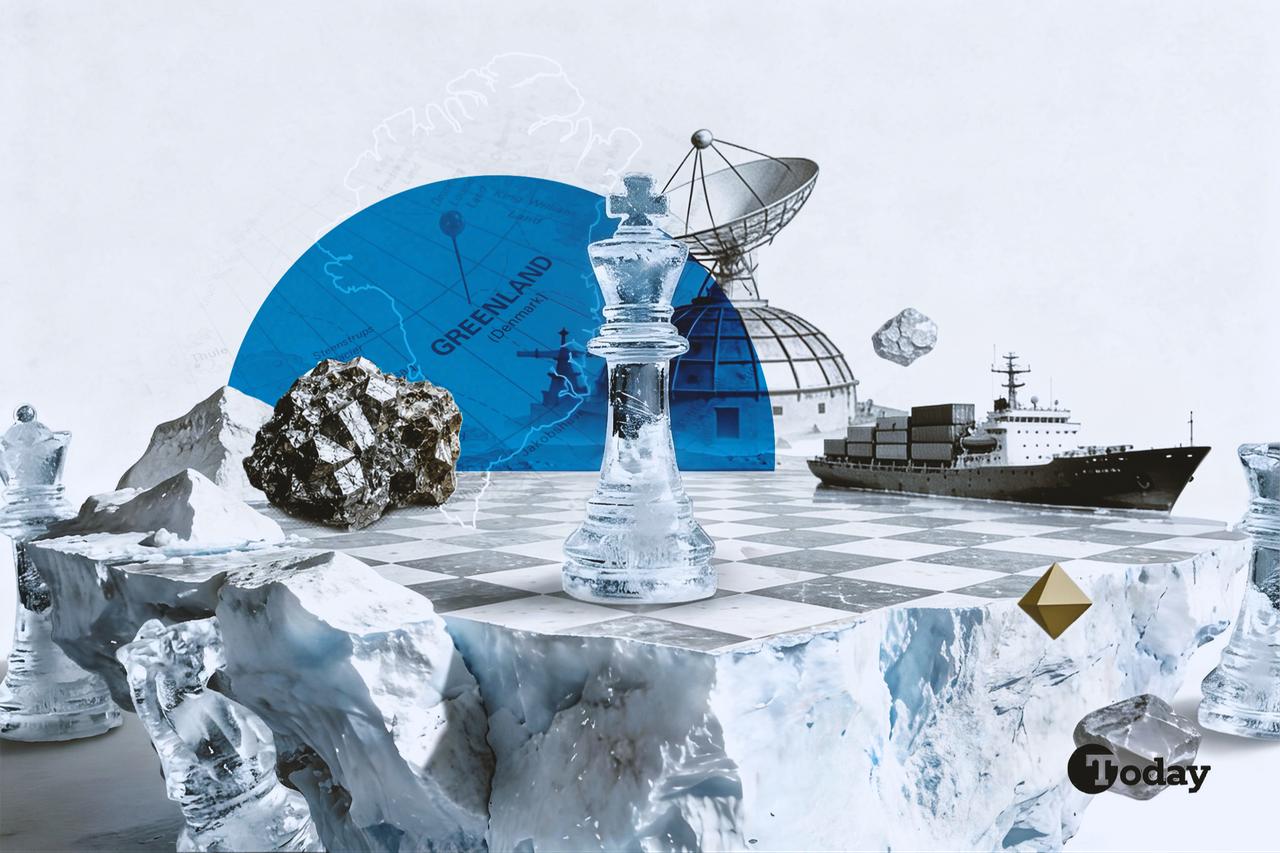


On a May afternoon in Nuuk, during the 2026 The Future is Greenland conference, the island's booming geopolitical value was captured in a single question.
"How will you make the girl dance?"
Christian Keldsen, CEO of the Greenland Business Association, bypassed diplomatic jargon to ask European Commissioner Jozef Sikela that blunt question.
As global superpowers eagerly line up to court the resource-rich Arctic territory, the ultimate dilemma is no longer who wants a partnership, but why Greenland should choose one suitor over another.
Sikela arrived in Nuuk carrying a clear message. "The Arctic has become one of the world's most strategic regions. Greenlanders feel this reality every day. Europe is matching this reality with action through investments and an updated EU Arctic Strategy," he said.
Greenland currently receives around €225 million ($261.41 million) under the EU's 2021–2027 budget framework, a figure the Commission proposes to increase to €530 million in the next cycle, alongside an additional €50 million investment package from Brussels.
Welcoming the Commissioner, Greenlandic Premier Jens-Frederik praised the growing relationship between Nuuk and Brussels. "The EU and Greenland relationship has grown stronger," he said, highlighting cooperation in education, housing, energy, critical minerals, and tourism. More importantly, both leaders repeatedly emphasized a principle that surfaced throughout the conference: Greenland's development must primarily benefit Greenlanders.
Yet the European Union was not the only suitor at Greenland's Arctic ball.
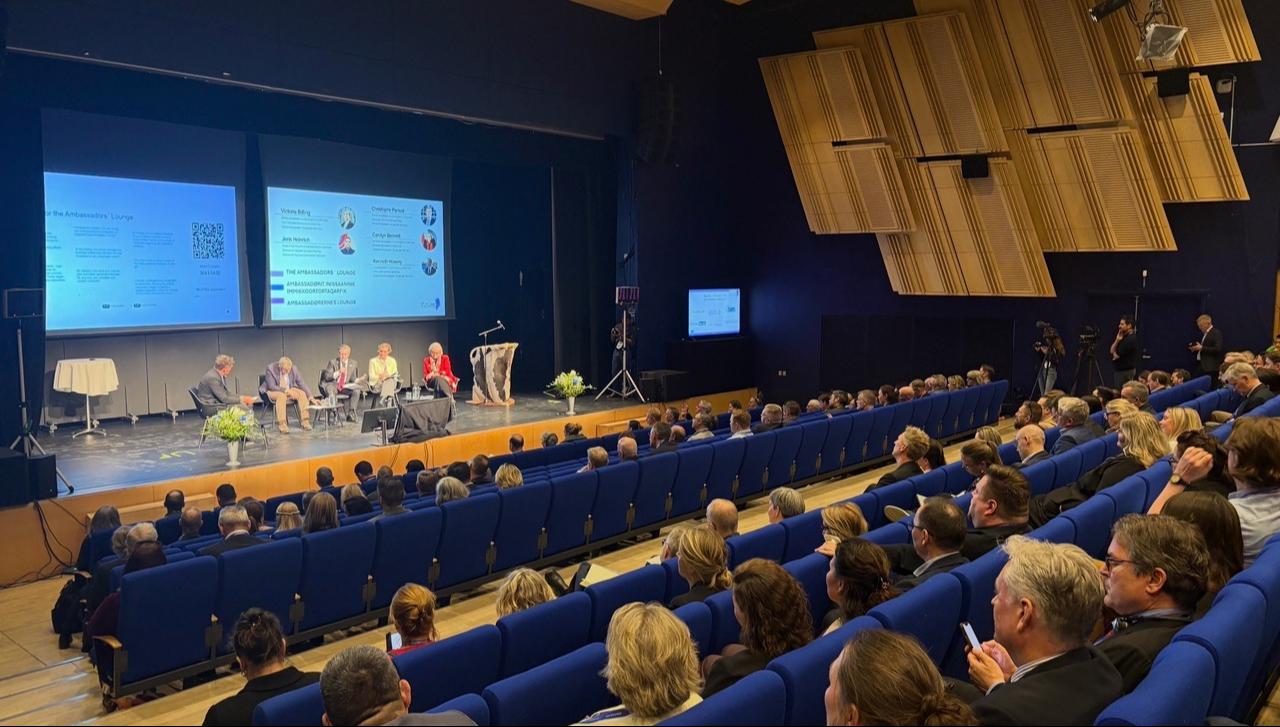
One of the conference's most anticipated sessions, "The Ambassadors' Lounge," brought together the head of missions in the Kingdom of Denmark; Kenneth Howery of the United States, Victoria Billing of the United Kingdom, Carolyn Bennett of Canada, and Christophe Parisot of France. Their statements revealed four distinct approaches to Greenland.
Washington's pitch was built around opportunity. Ambassador Howery highlighted critical minerals, emerging Arctic shipping routes, tourism, and future technology investments. He pointed to cooperation on coastal erosion, noted that the number of American visitors to Greenland is approaching 50,000 annually, and emphasized that operations at the strategically important Pituffik Space Base are carried out by a Greenlandic company.
Looking ahead, he promised that Greenland could eventually host major data centers built by the U.S. Without directly addressing President Donald Trump's past proposal to “buy” Greenland, Howery repeatedly stressed efforts by American diplomats in Nuuk to strengthen relations and improve Greenlanders' perceptions of the United States.
If the American approach focused on opportunity, the British message centered on connectivity. Ambassador Victoria Billing highlighted maritime security, regional stability, climate cooperation, trade, and investment.
She pointed to the growing role of British mining companies in Greenland while emphasizing the importance of diversifying the economy beyond fisheries. New scholarship opportunities for Greenlandic students formed another pillar of London's outreach.
French Ambassador to Denmark Christophe Parisot delivered one of the conference's most memorable lines: "Only Greenlanders can decide Greenland's future. These lands are not for sale and cannot be bought."
The message carried additional weight because French President Emmanuel Macron became the first head of state to visit Greenland following the diplomatic tensions created by renewed American interest in acquiring the island.
Parisot also urged realism regarding mining projects, arguing that only a limited number would ultimately generate sustainable returns. He advocated public-private partnerships and closer European cooperation while joking about "the elephant in the room," prompting laughter across the hall.
Canada, meanwhile, shifted the conversation from geopolitics to people. Ambassador Carolyn Bennett repeatedly emphasized that “partnership should truly mean partnership,” staring sharply at her counterparts.
Drawing on Canada's own experience with Indigenous communities, she acknowledged past mistakes and argued that successful development requires listening to local voices.
“Economic activity that does not generate meaningful benefits for Greenlanders,” she warned, “is ultimately not sustainable.”

Throughout the conference, Ambassador Kenneth Howery worked hard to present Washington as a constructive partner; yet, one could not escape the feeling that American diplomats are still dealing with the aftershocks of political statements made far above their pay grade.
This is often the fate of diplomats. Politicians create crises; diplomats are left to manage them.
The participation of Jeff Landry, President Donald Trump's special envoy to Greenland, illustrated this reality. Although present at the conference, Landry's appearance did not appear to generate much enthusiasm among Greenlandic officials. Several protocol seats reserved alongside the American delegation remained conspicuously empty during the session, a small but telling diplomatic signal. Then, Landry left without participating in the opening ceremony of the new U.S. Consulate in Nuuk.
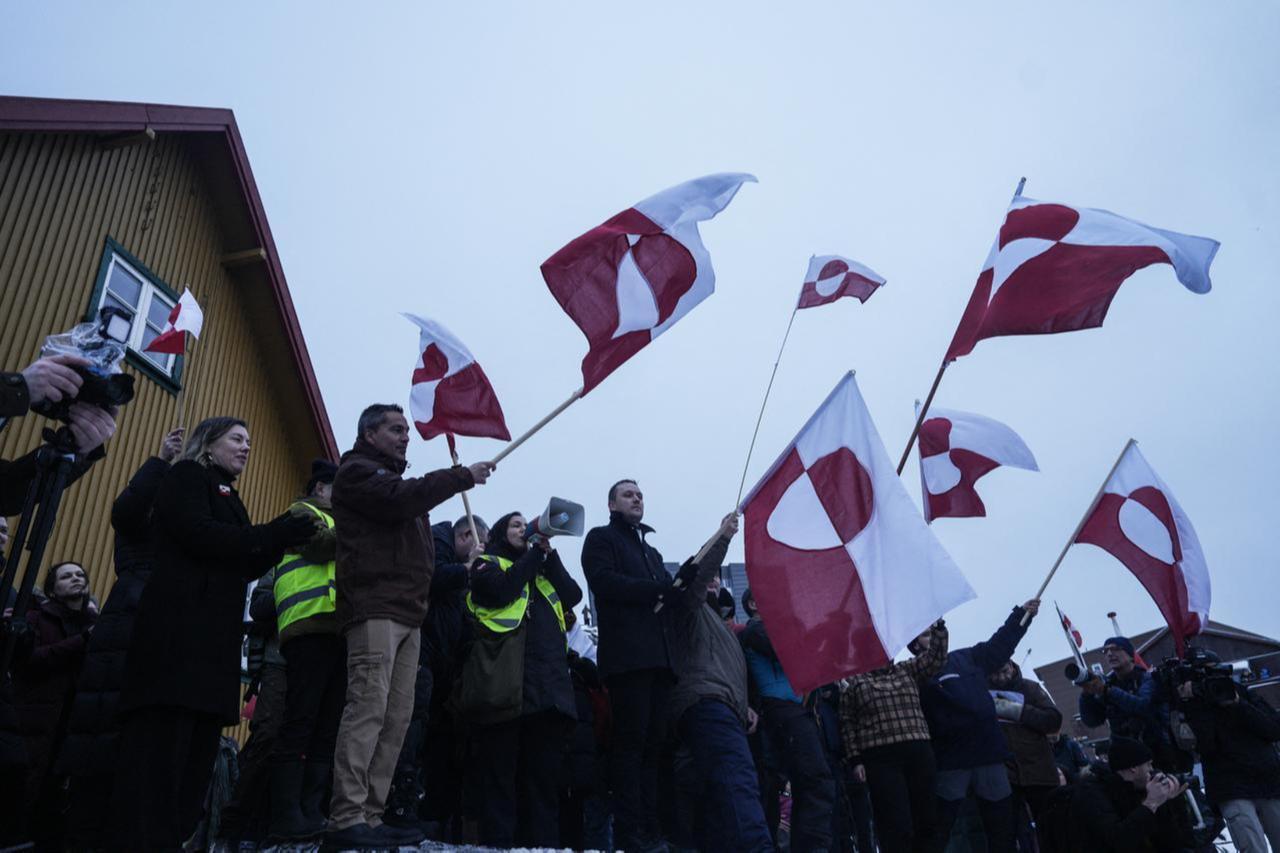
That opening ceremony produced another revealing moment. Outside the consulate, protesters, predominantly Inuit Greenlanders, demonstrated against what they viewed as American pressure on Greenland with banners saying “U.S. OUT, NATO IN”.
Meanwhile, it is noteworthy that U.S. officials and the Greenland Police provided journalists a platform within the consulate building to observe and report on the protests.
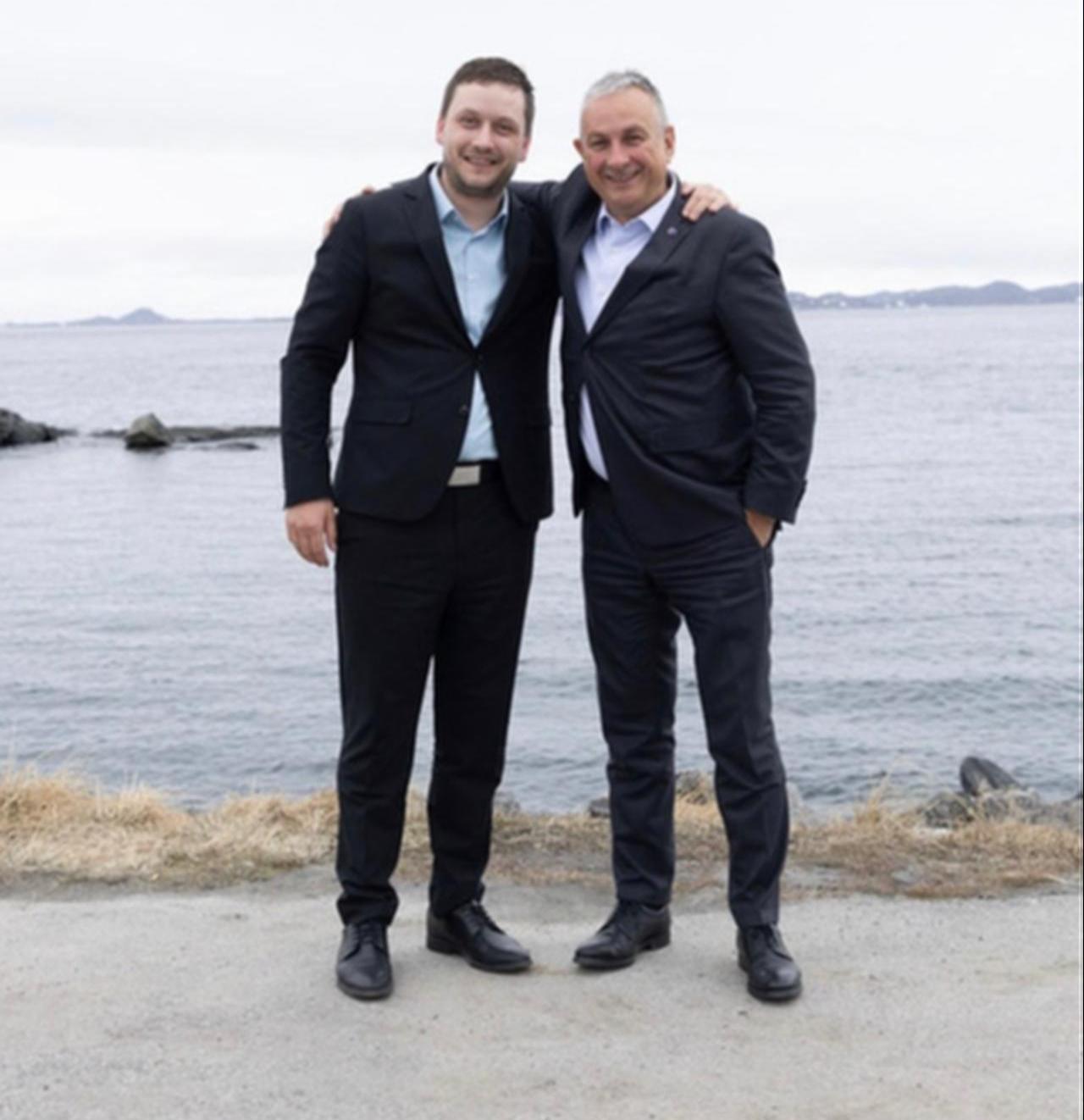
Notably, Prime Minister Jens-Frederik Nielsen had also chosen naturally not to attend the opening of the new U.S. Consulate in Nuuk. Greenland was represented by Jacob Isbosethsen, who is a highly regarded diplomat who currently serves as the Head of the Greenland Representation to the United States and Canada in Washington, D.C.
Observers and colleagues frequently described him as one of the sharpest minds in Greenland’s young foreign service, as he stands quietly between these tensions, acting both as a diplomatic bridge and a protective buffer.
His appointment came as Greenland found itself at the center of unprecedented American political attention. Today, he carries one of the most delicate portfolios in Greenlandic diplomacy. His job is not merely to promote trade or attract investment or invite tourists, as he did in his prior role in Beijing.
He is tasked with ensuring that Greenland speaks for itself in Washington while helping transform a crisis first into a solution and then into an opportunity. If Howery's task is to improve America's standing among Greenlanders, Isbosethsen's task is to ensure Greenland's interests are understood in Washington.
Working in close coordination with the Greenlandic envoy in D.C., Ambassador of the Kingdom of Denmark Jesper Moller Sorensen plays a vital role in de-escalating the ongoing “tiny” crisis and transforming the permanent and apparently unalterable American presence in Greenland into a platform for constructive dialogue.
Isbosethsen, Sorensen and Howery seem to work hard on the long process of turning political controversy into practical cooperation.
Every ballroom has standards. In Nuuk, some of the Arctic's most persistent and controversial suitors did not make it onto the dance floor.
China, despite its longstanding interest in Greenland's minerals, infrastructure, and Arctic shipping routes, was largely absent from the discussion. Russia's exclusion was even more pronounced.
Speakers repeatedly pointed to Moscow's invasion of Ukraine as the event that disrupted Arctic cooperation and largely froze Arctic Council engagement at the ministerial level, even as practical cooperation continues through working groups and diplomatic channels.
In Nuuk, only a few still held the door open for business diplomacy with Russia, taking care not to speak too loudly.
Perhaps the strongest signal came not from foreign diplomats but from Greenlandic officials themselves. They repeatedly positioned Greenland alongside NATO and the broader Western community.
References to shared values, trusted partnerships, and democratic cooperation surfaced throughout the discussions. Greenland's leaders left no doubt that they intend to choose their own future.
For centuries, Greenlanders survived where many others could not. They built communities between icebergs and glaciers, endured Arctic winters, and developed a culture defined by resilience rather than abundance.
Today, they possess something many larger nations struggle to have: strategic relevance without strategic vulnerability. And to achieve this, they need strategic partnerships.
Greenland, with fewer than 60,000 people, has no army of its own. The island's security does not stem from military power but from geopolitical reality. The major powers gathered in Nuuk may compete for influence, investment opportunities, and partnerships, but they also serve as buffers against the Arctic's larger elephants.
The conference in Nuuk demonstrated that Greenland is not asking how it fits into the world. The world is increasingly asking how it can fit into Greenland.
One can clearly admit that the strong and unsettling U.S. attention toward Greenland has left many people in Nuuk with “a natural suspicion” of “everything else outside” and “outside the Nordics” at the moment.
Well, Canada has also been counted as one of the closest friends to Nuuk, especially after Trump renewed calls for Canada to become the “51st state,” shortly after Canadian Prime Minister Mark Carney proposed a fresh framework for cooperation with the United States.
As an outside observer and as a final word, I would say that yes, Greenland is the most coveted partner at the Arctic ball, with the power to make those seeking a dance adjust their strategies. Yet, one of the most important aspects of managing a crisis is to resist allowing such concerns from evolving into broader distrust or over-skepticism.
While caution is understandable, it is equally vital to identify reliable international allies and remain open to genuine partnerships.
Continuous engagement and knowledge-sharing will remain essential to Greenland’s evolving relationship with the global economy.


 Set as preferred source
 Set as preferred source


 1 min read
 1 min read