Newsletters


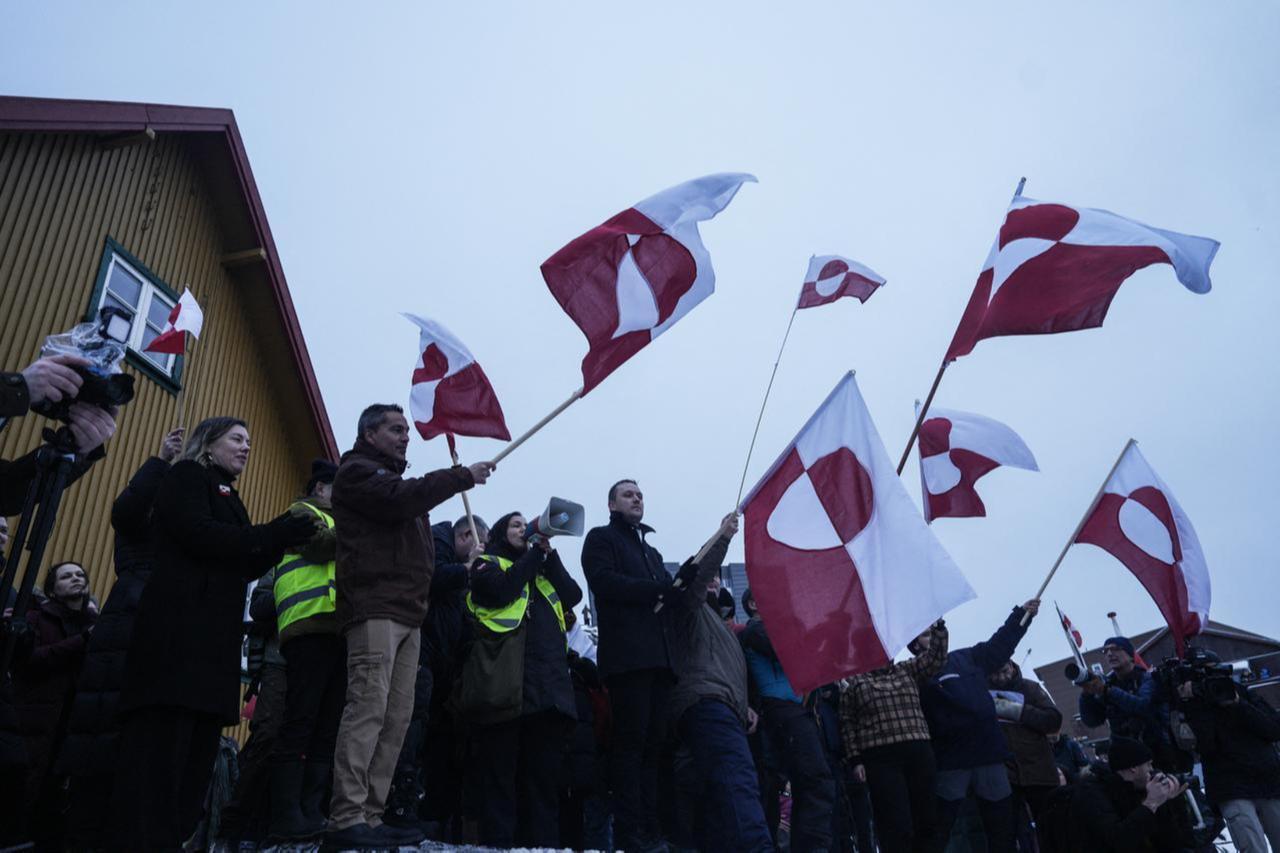


Greenland, which U.S. President Donald Trump has repeatedly described as a matter of U.S. national security, spent more than two centuries as a Danish colony before gaining broad self-rule, Anadolu Agency reports according to historical records and research.
Trump’s renewed remarks about acquiring Greenland have brought renewed focus to the island’s geography, history and geopolitical significance.
Following the dissolution of the Denmark–Norway kingdom in 1814, Greenland became a Danish colony and was long viewed as a profitable possession.
Research by the Danish Institute for International Studies noted that Greenland remained under colonial rule for more than 230 years, from 1721 until 1953.
Greenland was recognized as a semi-autonomous territory within the Kingdom of Denmark in 1979. Under the Self-Government Act that entered into force in 2009, the Greenlandic people gained the right to self-determination under international law.
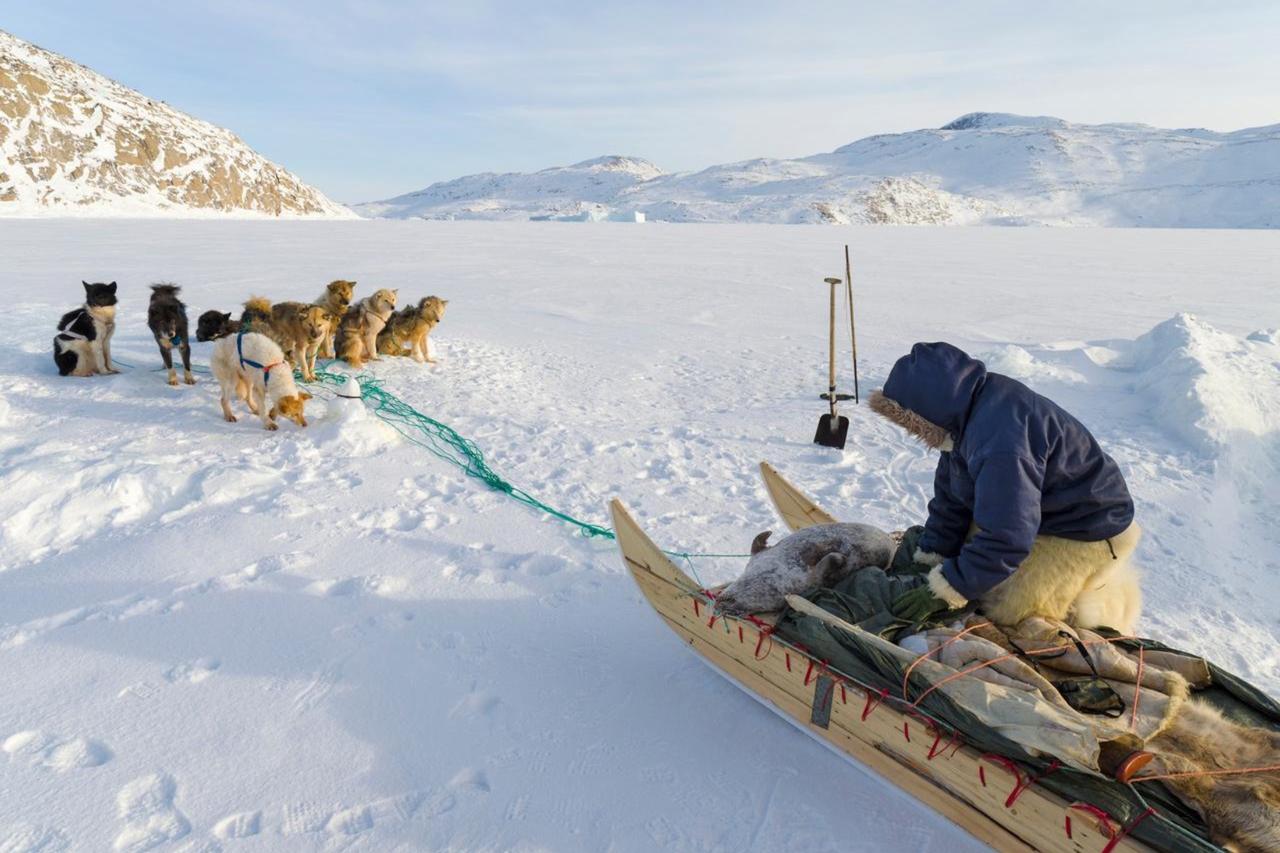
A 2025 report by the International Work Group for Indigenous Affairs said Greenland, the world’s largest island at 2 million square kilometers, has a population of 56,562, with about 88% belonging to the Indigenous Inuit population. The island’s official language is Kalaallisut, while Danish is used as a second language.

According to DIIS research, Inuit people arrived in Greenland around 4,500 years ago. The first non-Indigenous settlement began in the 10th century with Norse Vikings, who later disappeared by the 15th century, possibly due to conflict or climate conditions.
Colonial rule began in 1721 with the arrival of a Norwegian priest who introduced Christianity. Over generations, Greenland became politically and economically tied to the Denmark–Norway kingdom.
After 1814, Denmark retained control, while the United States recognized Danish sovereignty over Greenland in 1916 and Norway later abandoned its claims by court ruling.
Following World War II, the United Nations pushed for decolonization, leading to Greenland’s eventual autonomy.
The United States established its first presence in Greenland in 1941 and later strengthened ties with Denmark as NATO allies after 1949.
The Pituffik Space Base, formerly Thule Air Base, has been used to monitor Russian missiles, aircraft and nuclear submarines and plays a strategic role in the Arctic.
The U.S. first expressed interest in purchasing Greenland in 1867. Trump revived the idea after taking office in 2017, and his statements intensified after returning to the presidency in 2025.
Greenland’s location between the Arctic and Atlantic oceans places it on a strategic maritime route. The island is rich in minerals and natural resources, including rare earth elements, uranium, gold, iron and zinc, as well as oil and hydrocarbons.
The strategic importance of Greenland is also recognized by Russia and China, according to assessments cited in the report. Trump has said the island is vital for U.S. security and has emphasized full economic and military access.
Greenland has reiterated its ties to the Kingdom of Denmark, while Danish leaders have stressed continued support for the island. Danish Prime Minister Mette Frederiksen recently visited Nuuk, reaffirming Denmark and the EU’s backing.
Trump has criticized NATO allies over Greenland, saying he is uncertain whether NATO would fully support the United States.
During a meeting with NATO Secretary General Mark Rutte in Davos on Jan. 21, Trump said a framework agreement on Greenland had been formed and announced a pause in planned tariffs on eight European countries.
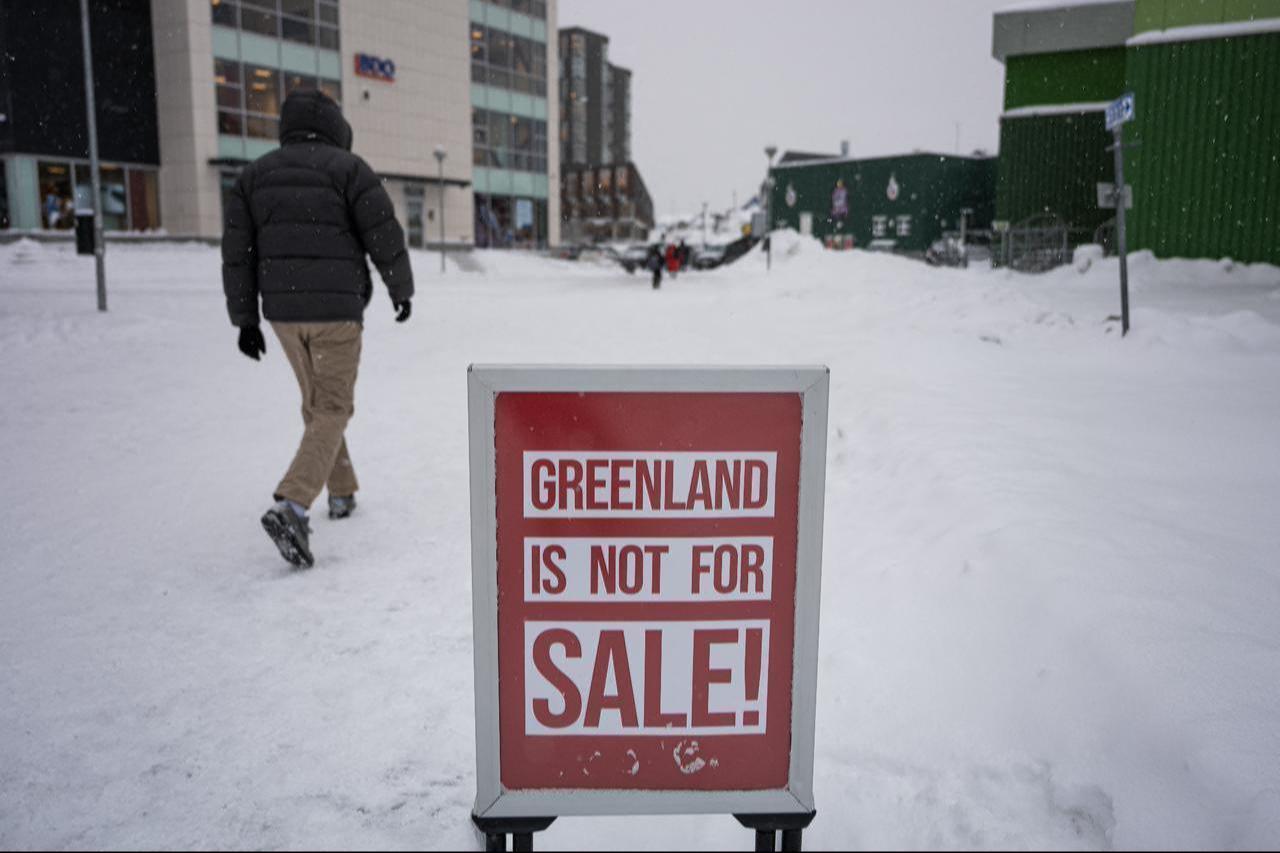
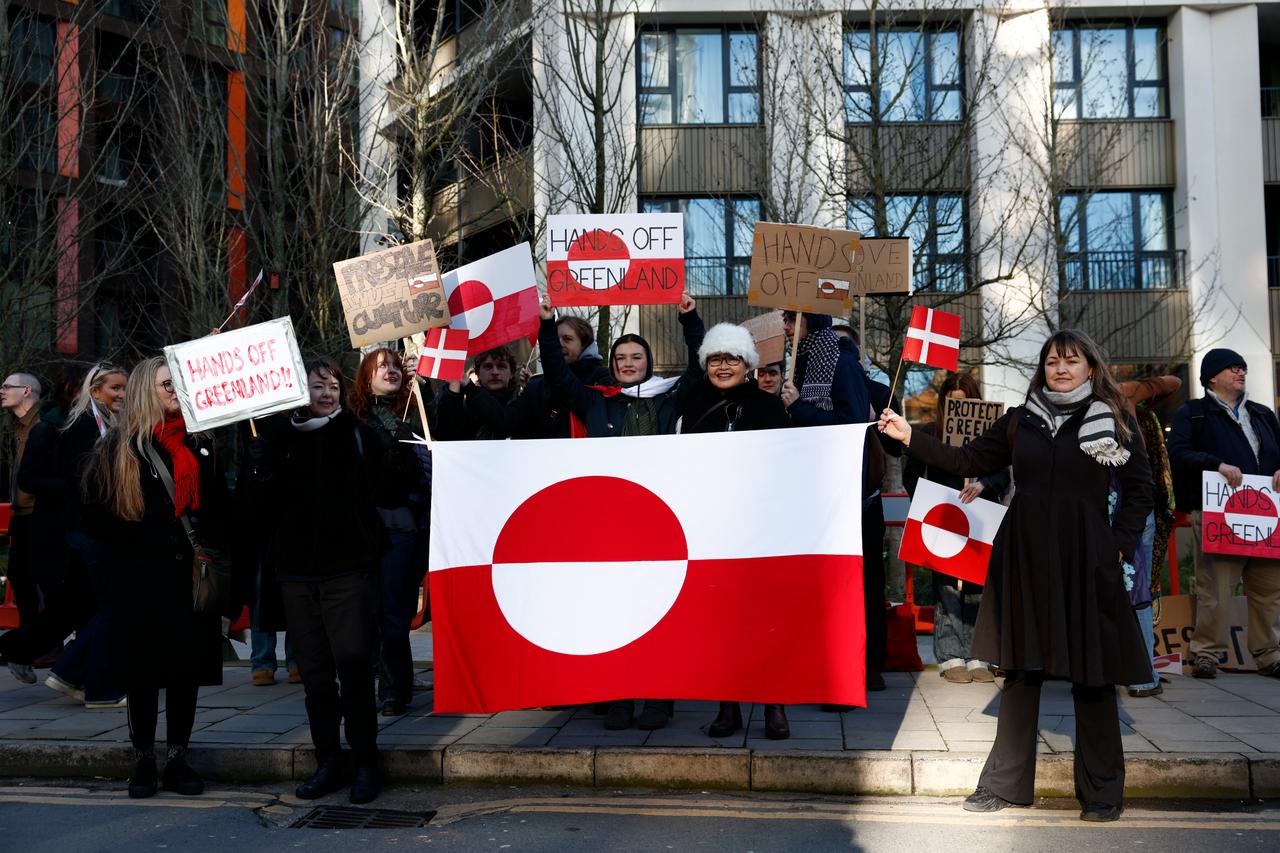
Despite Trump’s continued insistence, Greenland has repeatedly stated that it is not for sale.


 Set as preferred source
 Set as preferred source


 1 min read
 1 min read