Newsletters


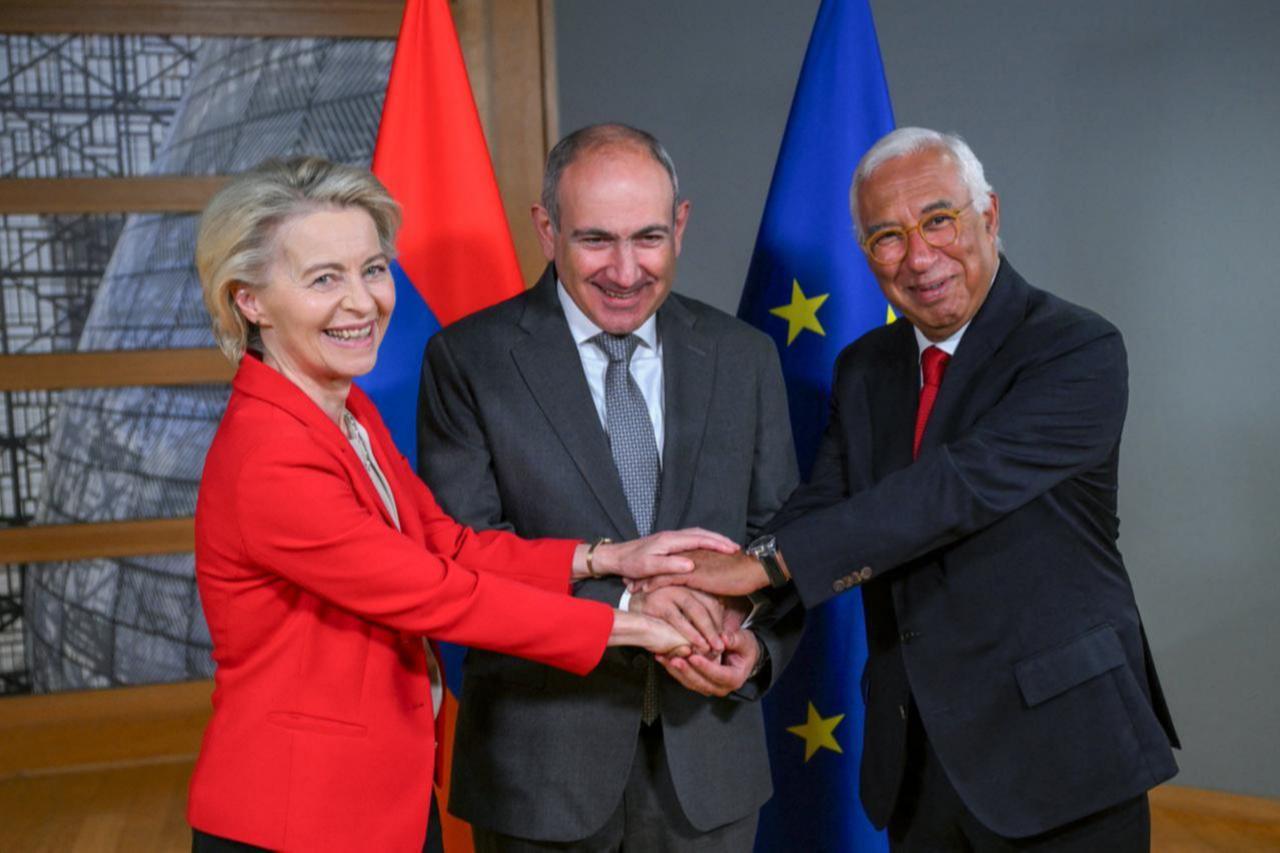


Armenia plans to formally apply for European Union membership in 2027 or 2028, Prime Minister Nikol Pashinyan said Thursday, signaling a further shift toward the West as relations with longtime ally Russia continue to deteriorate.
"We have begun a process of creating an alternative so that our people have the opportunity to choose," Pashinyan told a news conference.
"It is clear to me that this process will ultimately lead us, in 2027 or 2028, to formally submit an application to begin the process of joining the EU as a full member."
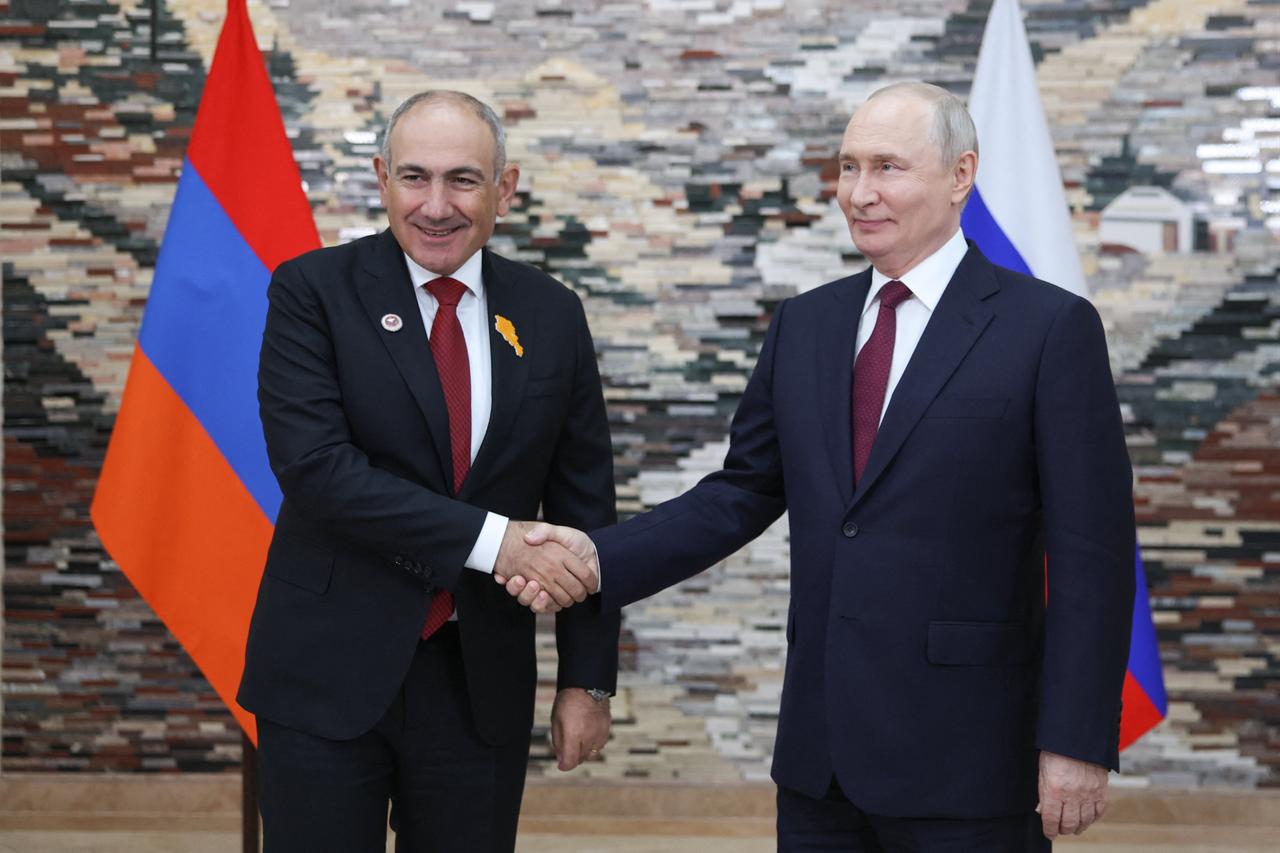
The announcement comes as Yerevan pursues closer relations with Western countries following years of strained ties with Moscow, which Armenia has accused of failing to protect it against neighboring Azerbaijan.
In 2020 and 2023, Azerbaijan regained control of its breakaway Karabakh region, which had long been held by Armenian separatists. The developments prompted more than 100,000 ethnic Armenians to flee the enclave for Armenia.
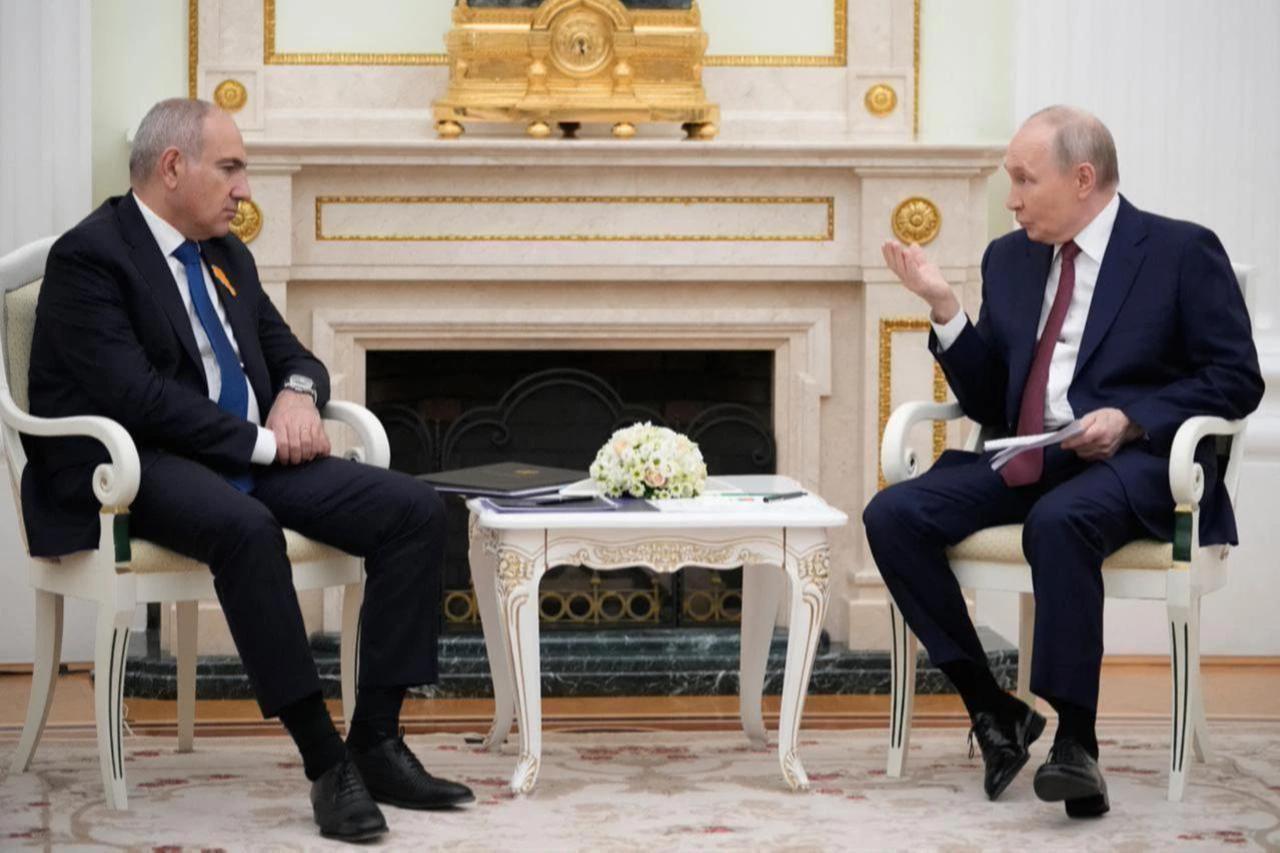

Despite outlining plans to seek EU membership, Pashinyan said Armenia had no immediate intention of withdrawing from the Eurasian Economic Union (EAEU), a Russia-led trade bloc comprising several former Soviet states.
"We are not planning to leave the EAEU," he said.
Pashinyan added that members of the bloc had raised the possibility of Armenia holding a referendum on its future geopolitical alignment.
Moscow has repeatedly warned that Armenia cannot simultaneously belong to the EAEU and the EU because of conflicting membership requirements.
Armenia took a formal step toward European integration in April 2025, when it adopted legislation launching the process of seeking EU membership.
However, the law did not constitute an official application to join the bloc.
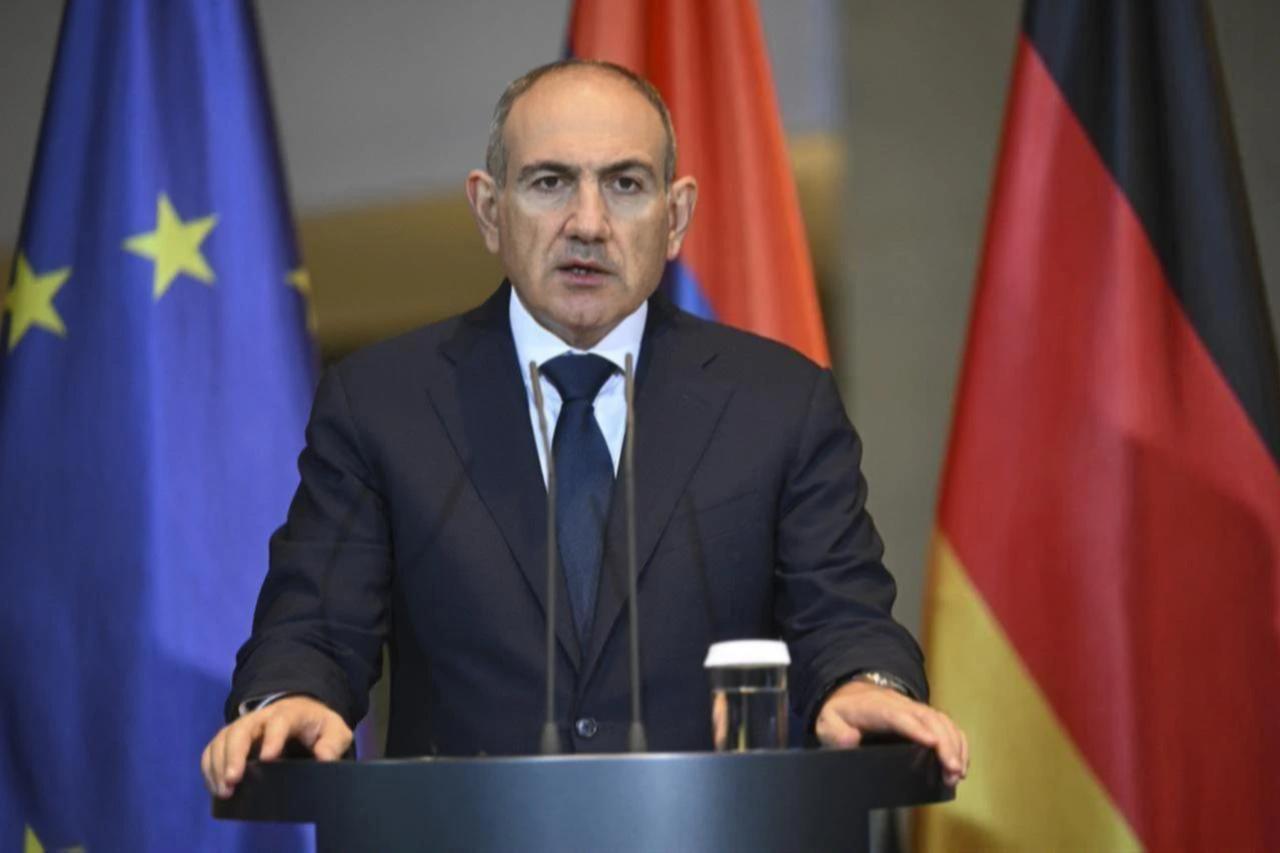
The Armenian leader also reiterated his country's dissatisfaction with the Collective Security Treaty Organization (CSTO), the Moscow-led military alliance in which Yerevan has frozen its participation.
"Our interest in the CSTO has been exhausted. We have no further interest in the CSTO," Pashinyan said.
Armenia's growing distance from Russian-led institutions follows its criticism of Moscow's response to its conflicts with Azerbaijan.
The country's increasingly Western-oriented foreign policy has also drawn criticism from the Kremlin.
Earlier this year, Russia imposed trade restrictions on Armenian agricultural exports and threatened to cut preferential energy supplies.
Pashinyan's latest remarks outline a potential timetable for Armenia's formal EU membership application while maintaining, for now, its participation in the Russia-led economic bloc.


 Set as preferred source
 Set as preferred source


 1 min read

 1 min read