Newsletters


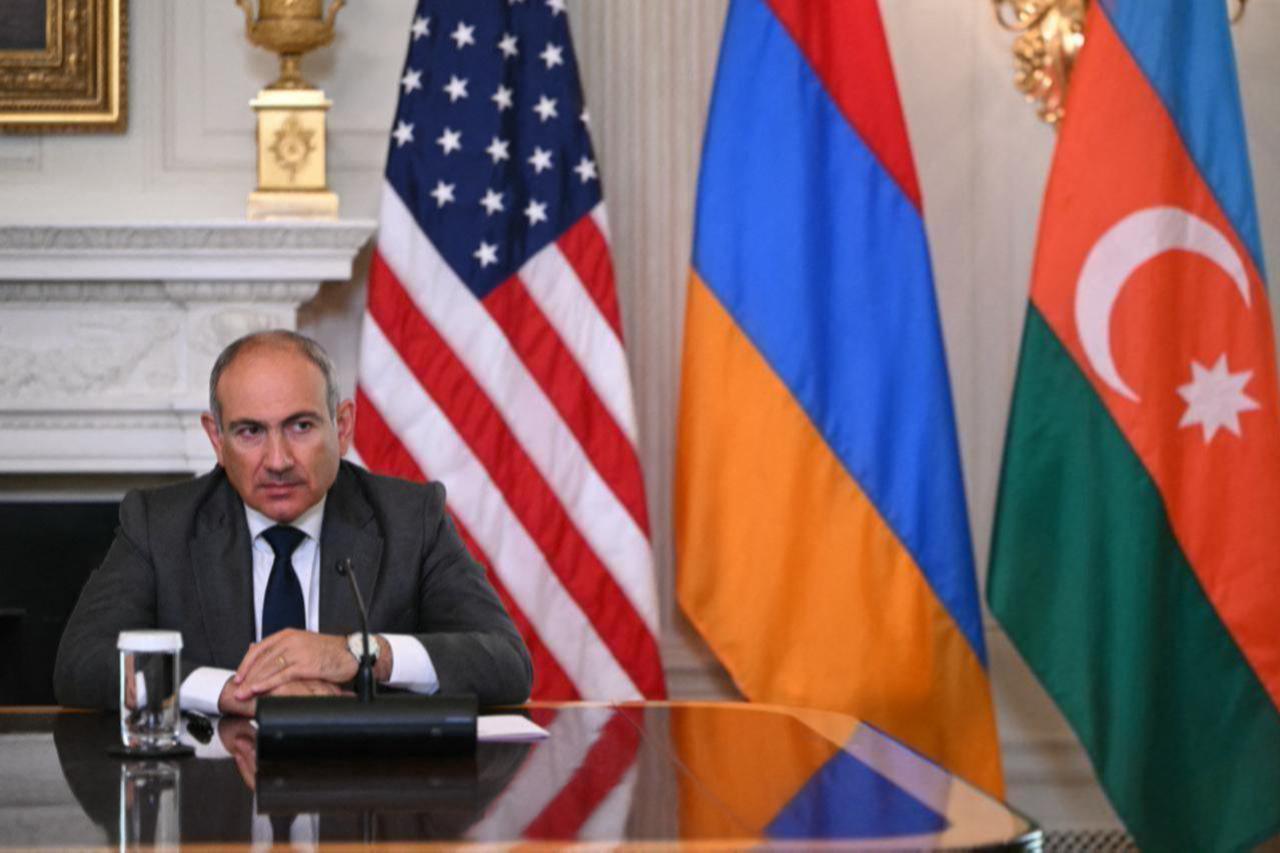


Armenian Prime Minister Nikol Pashinyan said the time has come to take broader and more concrete steps in bilateral relations with Türkiye, expressing hope that long-discussed measures will now move forward.
“Within the framework of our bilateral dialogue, the time has come for symbolic, and even non-symbolic, broader, and more concrete, steps to take place, and I hope that they will happen,” Pashinyan said at a press briefing, according to state news agency Armenpress.
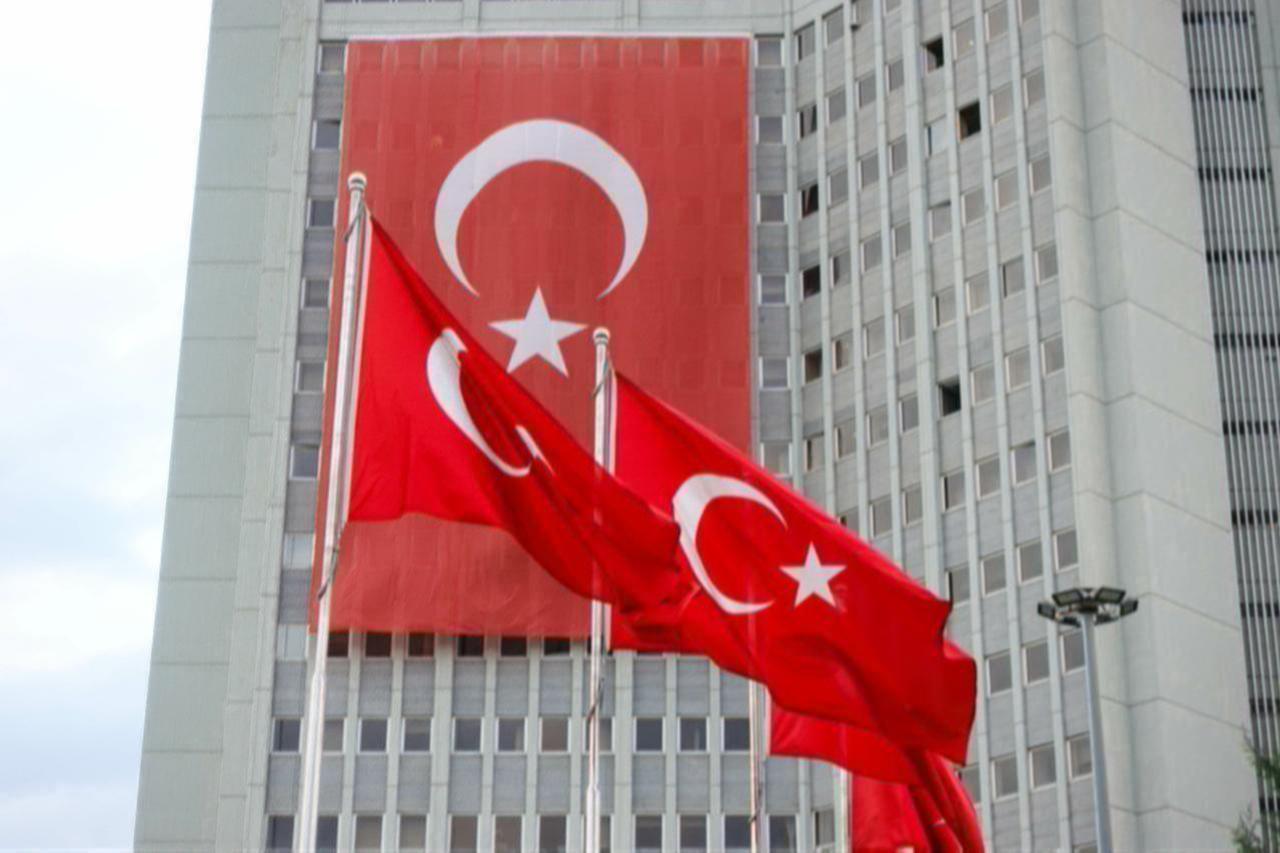
His remarks came after he was asked about comments by Turkish President Recep Tayyip Erdogan, who said earlier this month that Türkiye plans to take “some symbolic steps” starting in early 2026 as part of normalization efforts with Armenia.
Speaking on Dec. 16, Erdogan said Azerbaijan and Armenia were closer than ever to signing a peace agreement, adding that Ankara was advancing normalization with Yerevan in parallel and in dialogue with Azerbaijan.
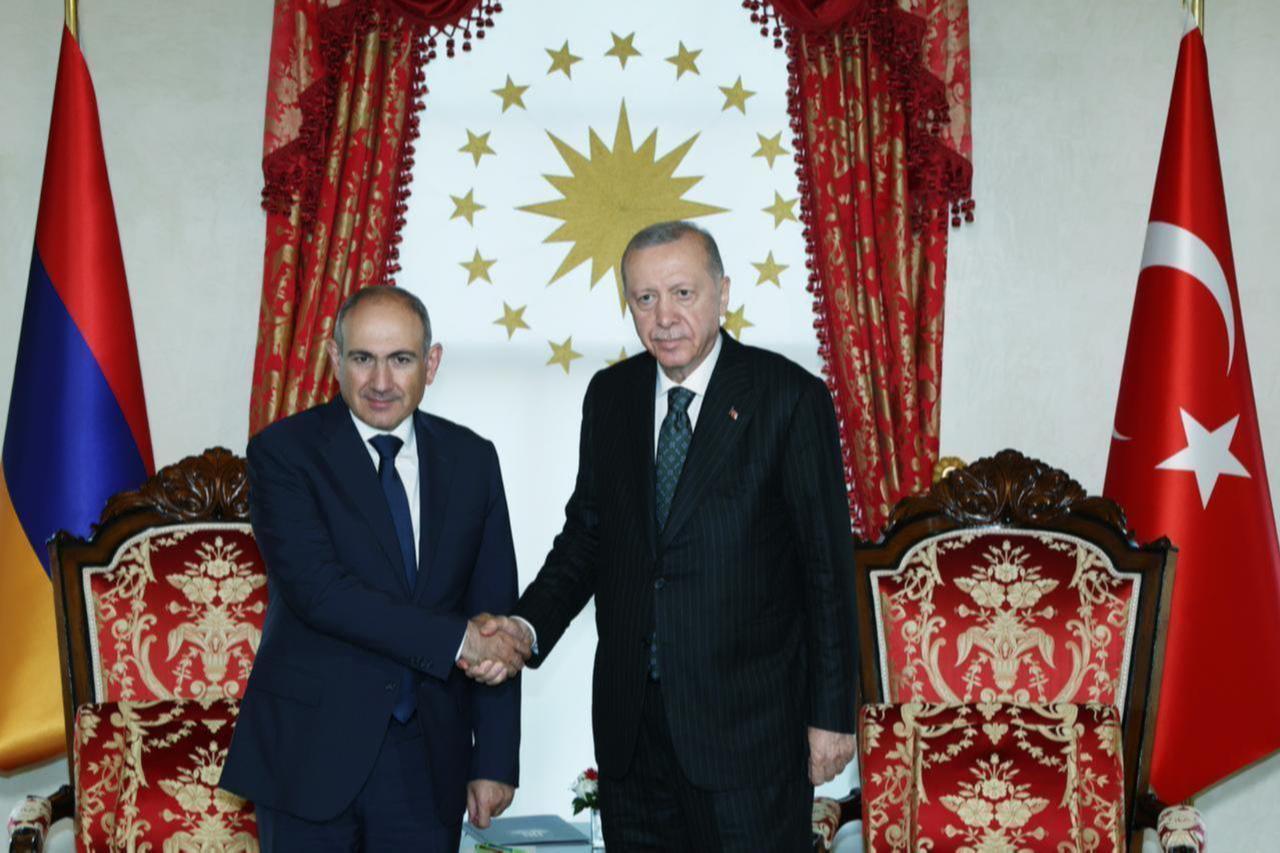

In response, Pashinyan reiterated that the moment had arrived to move beyond symbolism. “Whether symbolic or beyond symbolic, the time has come to take broader and concrete steps,” he said.
Türkiye and Armenia have no formal diplomatic relations. Ankara closed its border with Armenia in 1993 in support of Azerbaijan during the Karabakh conflict.
Most of the Karabakh region, which had been under Armenian occupation for nearly three decades, was retaken by Azerbaijan during the 44-day war in the fall of 2020, which ended with a Russian-brokered ceasefire and opened the door to renewed normalization efforts across the region.
On Nov. 8, Azerbaijani forces captured the city of Shusha, later declared Victory Day by presidential decree.
Referring to the route commonly described as the “Zangezur Corridor,” also known as the Trump Route for International Peace and Prosperity (TRIPP), Pashinyan said Armenia and the United States have prepared a document outlining the project’s strategic framework.
He said on-the-ground developments are expected to begin in the second half of 2026, with the construction of a railway likely to be the first step.
“We are working on procuring advanced technological equipment and modern infrastructure for borders and customs,” Pashinyan said, adding that the systems would be used at Armenia’s borders with Azerbaijan, Georgia, Iran and Türkiye.
He also said Armenia hopes to see progress in developing bilateral trade with Azerbaijan, including enabling Armenian exports.
Commenting on the Armenia-Azerbaijan peace process, Pashinyan welcomed Baku’s decision to lift restrictions on the transit of goods to Armenia, saying it was natural for Yerevan to respond positively to such steps.
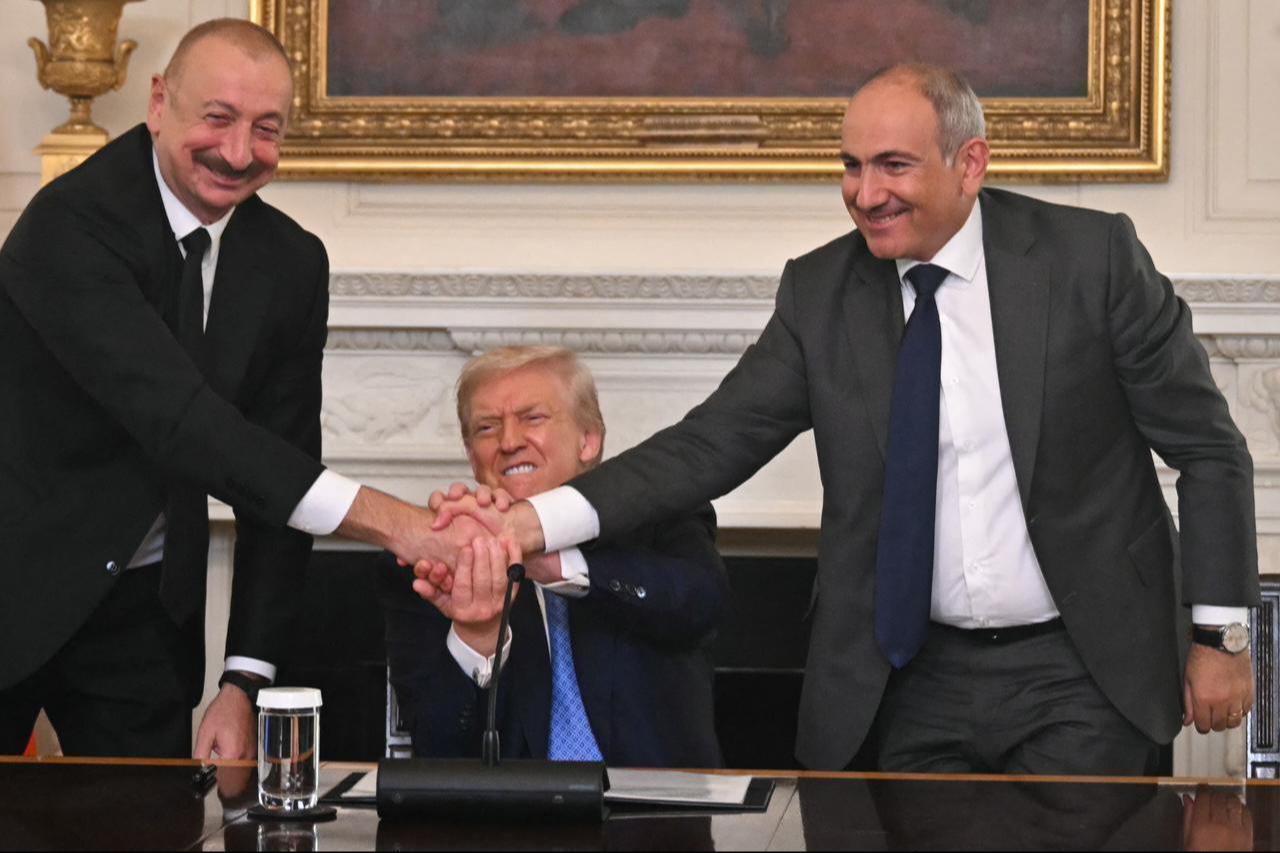
At a trilateral summit at the White House in August, Armenia and Azerbaijan, together with U.S. President Donald Trump, signed a declaration pledging to halt hostilities, reopen transportation routes and normalize relations, raising hopes for a lasting settlement after decades of conflict.


 Set as preferred source
 Set as preferred source


 1 min read
 1 min read