Newsletters





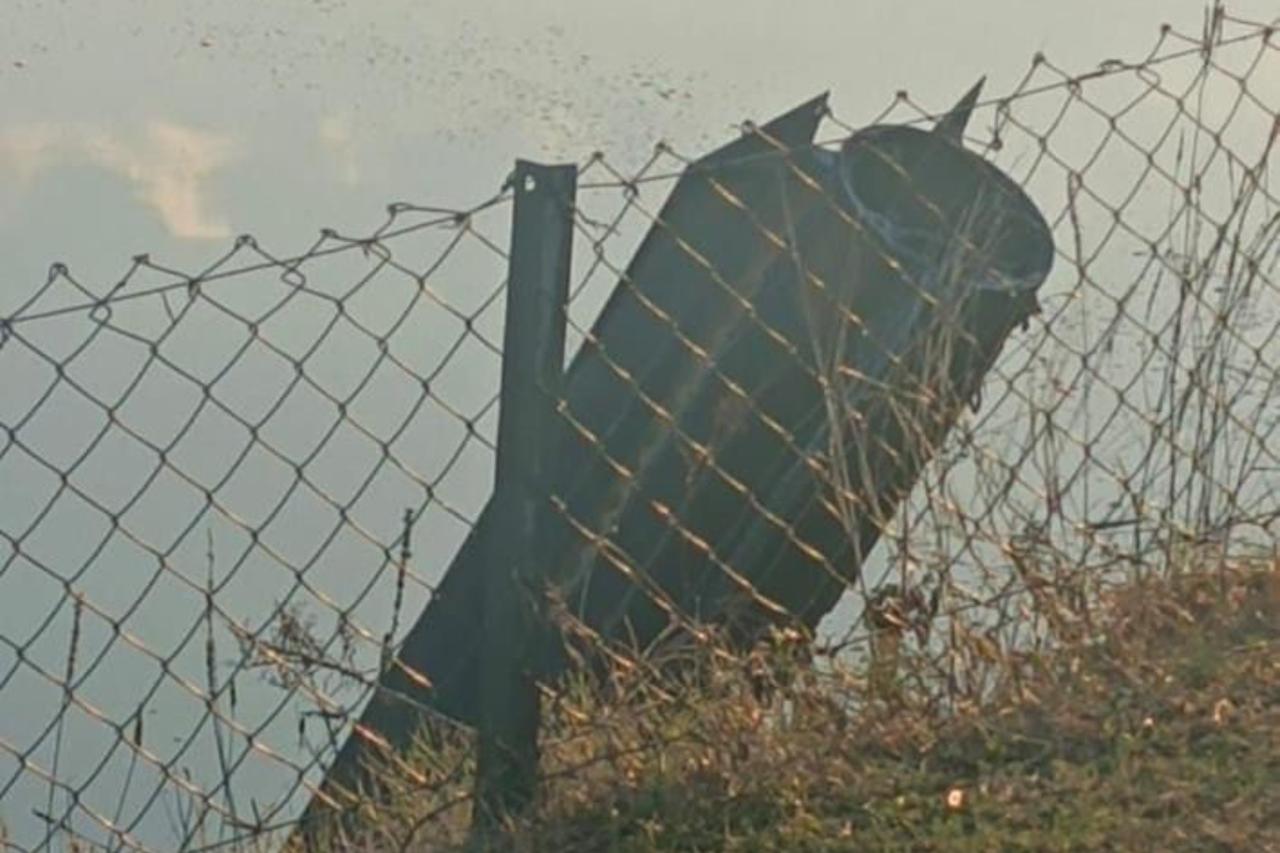
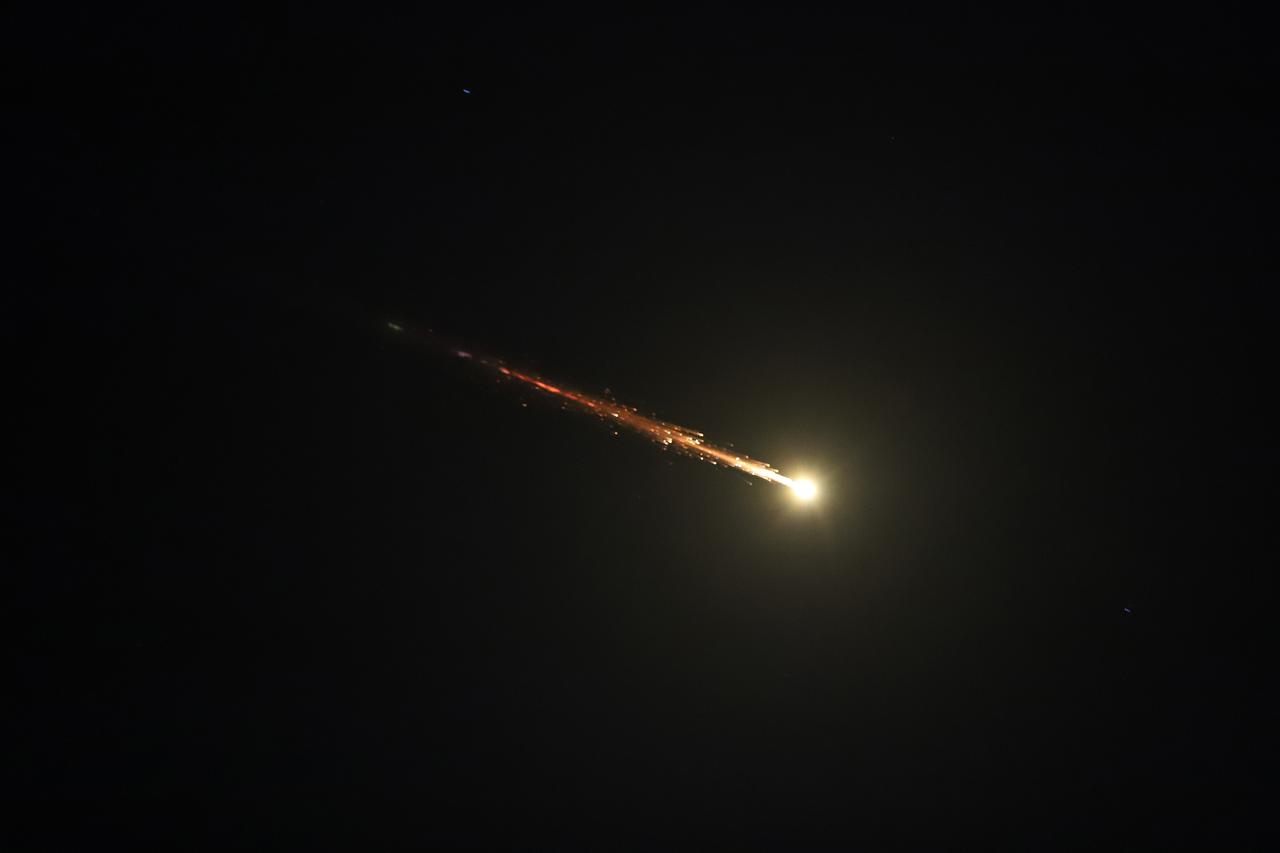
NATO Secretary General Mark Rutte said Article 5 of the alliance’s collective defense clause is not being considered after an Iranian missile was intercepted while heading toward Türkiye’s airspace.
“Article 5 is not in force here, and no one is talking about it,” Rutte said when asked whether the incident could draw NATO into the conflict.
Rutte said the alliance condemned the incident and pointed to the interception as evidence of NATO’s defensive capabilities. “We clearly condemn this,” he said, adding that NATO air and missile defense systems were able to neutralize the missile.
He said the event showed NATO’s commitment to protecting allied territory. “It is also clear proof of our commitment to defend every inch of NATO territory,” Rutte said.
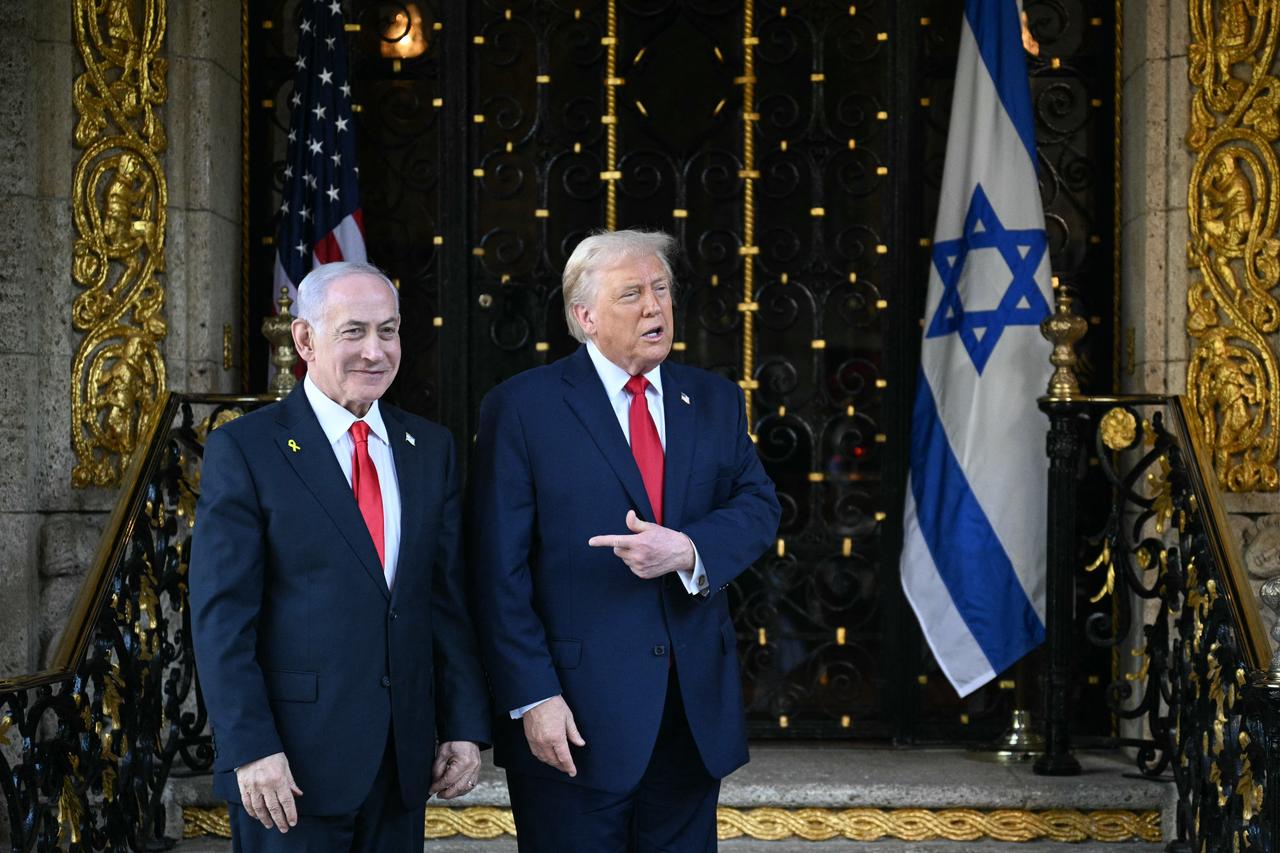
U.S. Secretary of War Pete Hegseth also said the incident was unlikely to activate NATO’s collective defense clause.
Speaking at a Pentagon briefing, Hegseth said the U.S. was aware of the missile intercept but did not believe it would trigger Article 5.
“On the matter with Türkiye, I'll have to get back to you on exactly what the intercept looked like. We're aware of that particular engagement. Although, no sense that it would trigger anything like Article 5. No,” Hegseth said.
Under NATO’s founding treaty, Article 5 treats an attack on one member as an attack on all.

Rutte said NATO’s military is closely monitoring the situation.
“Our military is constantly monitoring the situation,” he said, describing the incident as serious and one that must be unequivocally condemned.


 Set as preferred source
 Set as preferred source


 1 min read

 1 min read