Newsletters


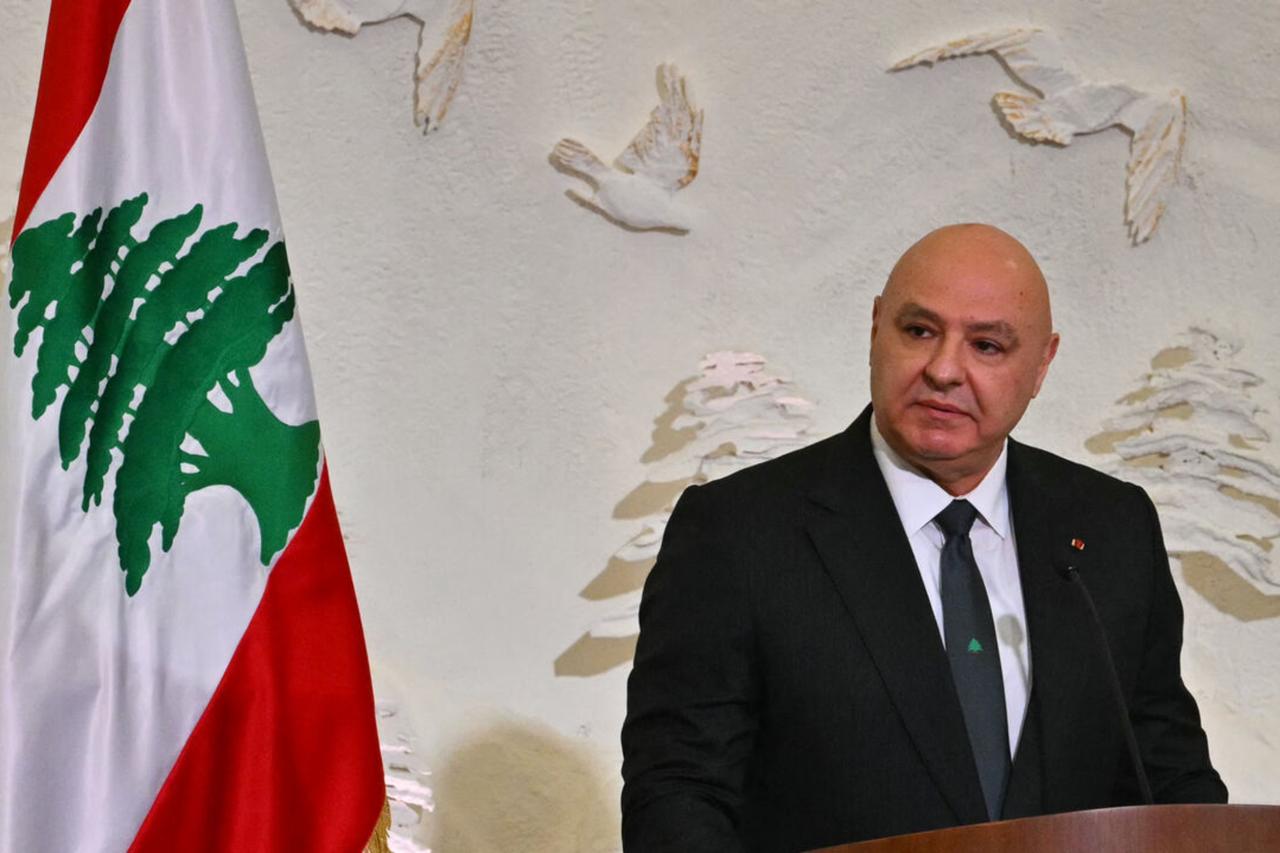


Lebanese President Joseph Aoun publicly accused Iran of using Lebanon as a "bargaining chip" in its negotiations with the United States, prompting a sharp retort from Iranian Foreign Minister Abbas Araghchi.
Meanwhile, Lebanese Prime Minister Nawaf Salam separately called on Tehran to stop treating southern Lebanon as "leverage" to improve its negotiating position with Washington.
Speaking to CNN from the presidential palace in Beirut, Aoun said Iran was not trying to help Lebanon and that the country's people were paying the price for Tehran's interests.
"They are using Lebanon as a bargaining chip in their negotiation with the United States," Aoun said of Iran, adding, "It's unacceptable."
Addressing the Islamic Revolutionary Guard Corps (IRGC) directly, he said, "It's not your country; it's our country."
"You are not trying to help us... the people of Lebanon are paying the price... for the sake of your own interest," he told Iran, adding that Lebanese and Iranian interests "do not coincide."
Aoun also addressed Israel, saying military operations would never achieve their objectives against Hezbollah. "Military activities or military solutions will never provide you with security and safety for the northern people; we are ready to sit and talk," he said.
"Aren't you fed up with war since 1948? Do you really want to live in peace? Let's sit and talk. For the Israeli government, it's a time… for the power of reason to prevail over the reason of power," he noted.
On Hezbollah members, Aoun offered a notably personal framing. "They are Lebanese people. They are not Naim Qassem's people," he said.
"I prefer negotiations over wars. I don't want my children… and I don't want the people in Lebanon to live the same hardship. The best way forward is diplomacy," he added.
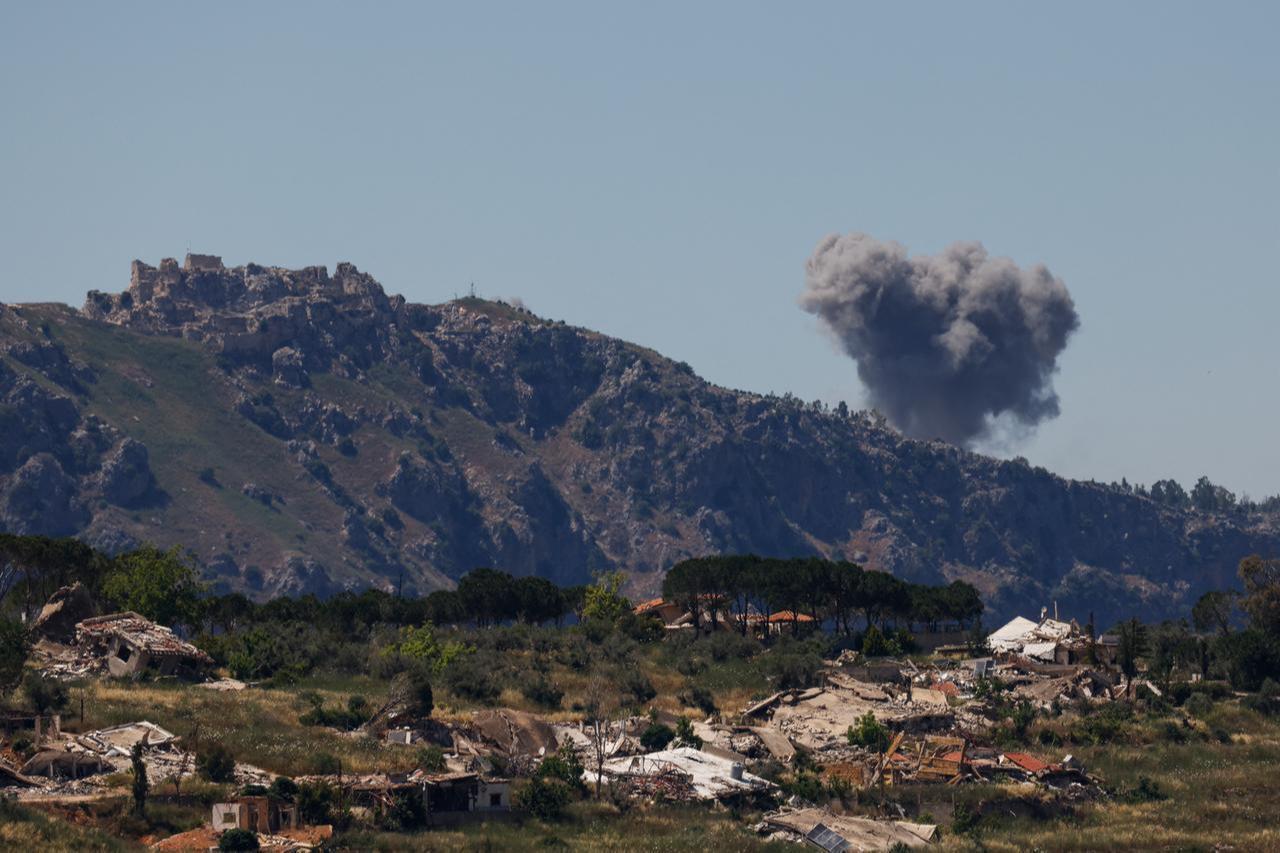

Iranian Foreign Minister Araghchi rejected Aoun's characterization in a post on X, turning the accusation back toward Israel.
"Based on Mr. Aoun's comments, one would think it's Iran that has occupied 1/5 of Lebanon, displaced 1/4 of Lebanese and bombing his country on a daily basis," Araghchi wrote.
Araghchi also wrote: "Had Lebanon been a bargaining chip for Iran, we'd have a deal long ago."
"Save Lebanon from your real foe, Mr. President," he concluded.
Prime Minister Nawaf Salam made similarly direct remarks Friday at a news conference in Beirut launching a second emergency humanitarian appeal for those affected by Israel's war on Lebanon.
"The Islamic Revolutionary Guard Corps was the first party to reject" the ceasefire arrangement reached through U.S.-mediated talks, Salam said, adding that the IRGC's position "once again confirms that this is not our war, that it is not being fought for us, but on our land and at the expense of our people."
Addressing Iran directly, Salam said: "Have mercy on our south and stop treating it and its people as merely leverage to improve the terms of your negotiations" with the United States.
"Lebanon is not a card on anyone's negotiating table, and the south is not anyone's reserve front," he said.
"The people of the south are once again paying the price for a decision they did not make and for a war that is not theirs," Salam added.
Salam noted that Lebanon had reached its ceasefire arrangement "through the efforts of the Lebanese state, the support of Arab brothers and American understanding" and stressed that Lebanon "has a homeland that refuses to become a mailbox for the messages of others or an open arena for their wars."
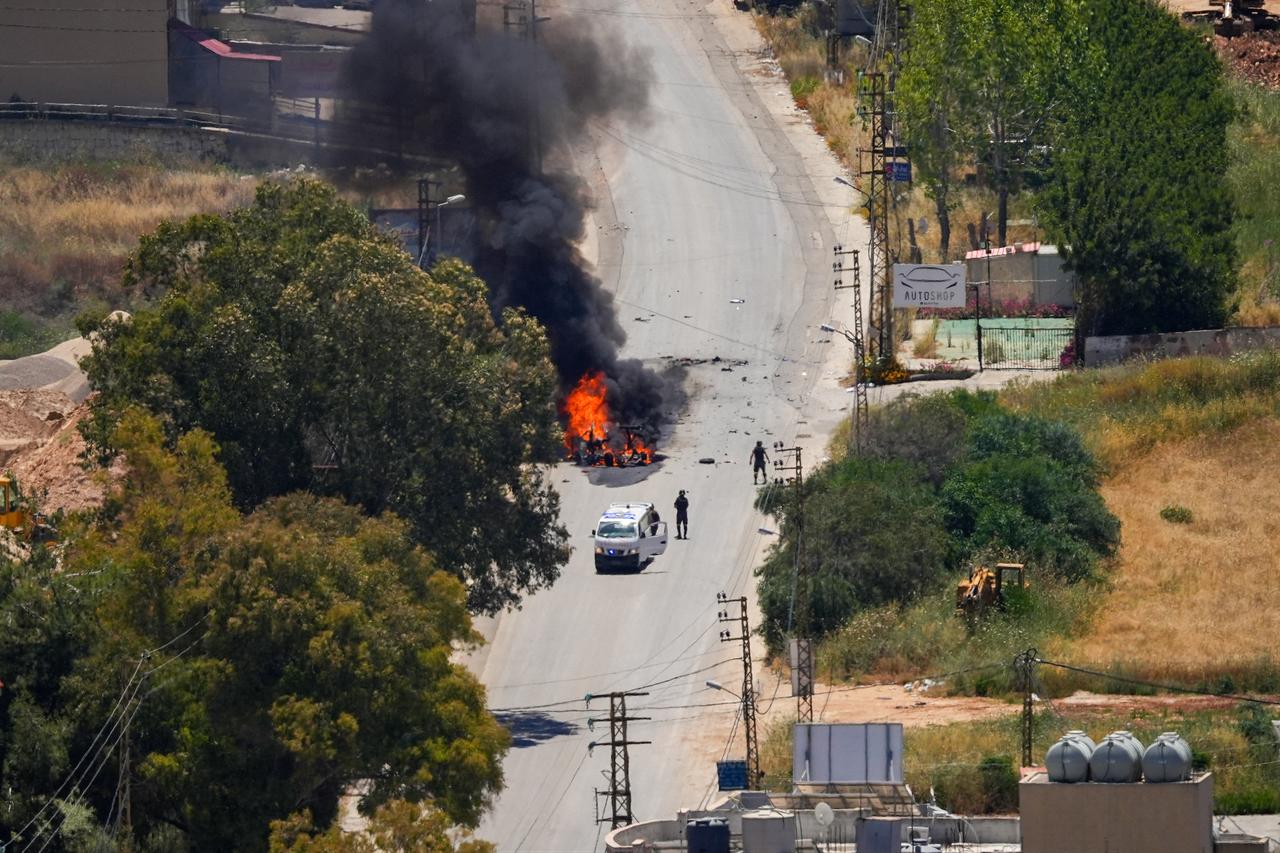
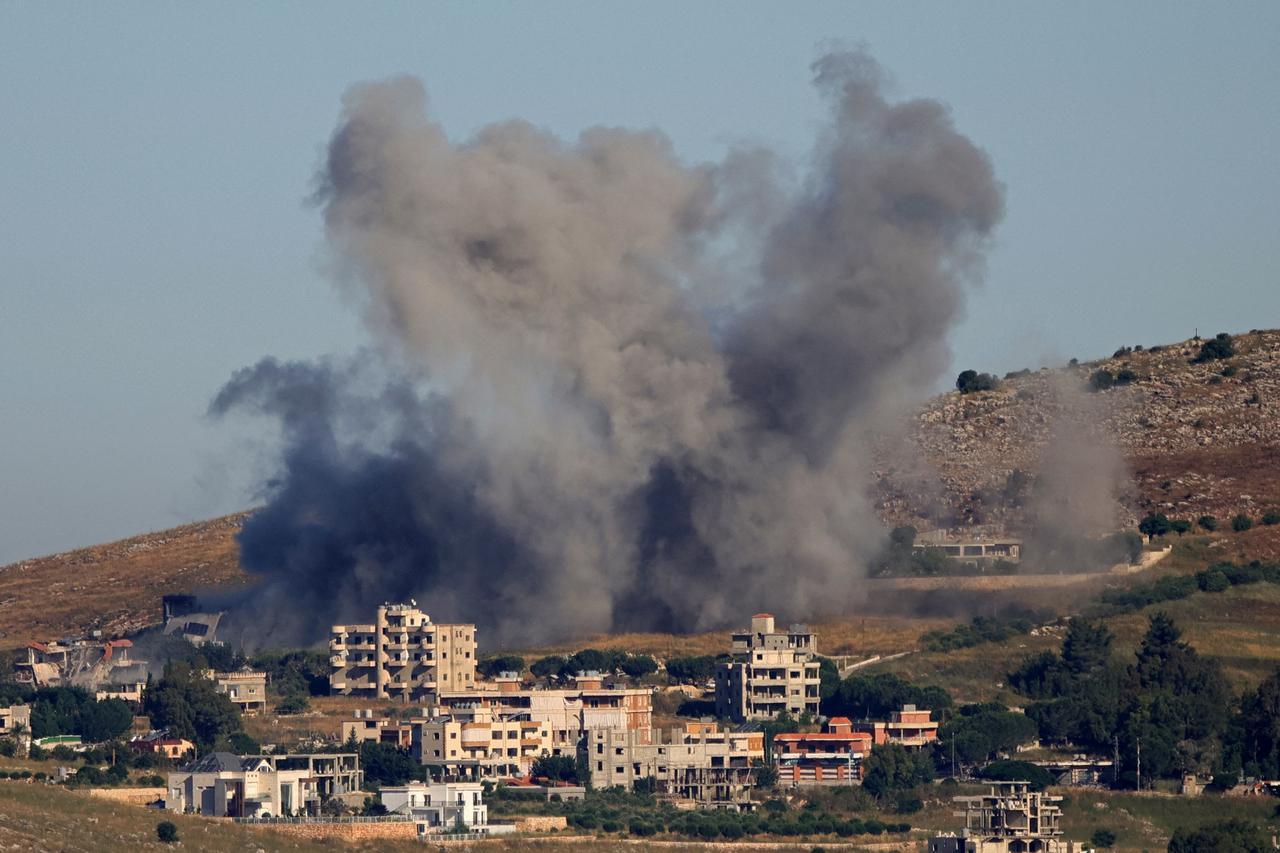
Israel continues its attacks on southern Lebanon despite a fragile ceasefire in place since April 17, which Washington extended until early July, and amid continued diplomatic efforts to preserve it and prevent its collapse.
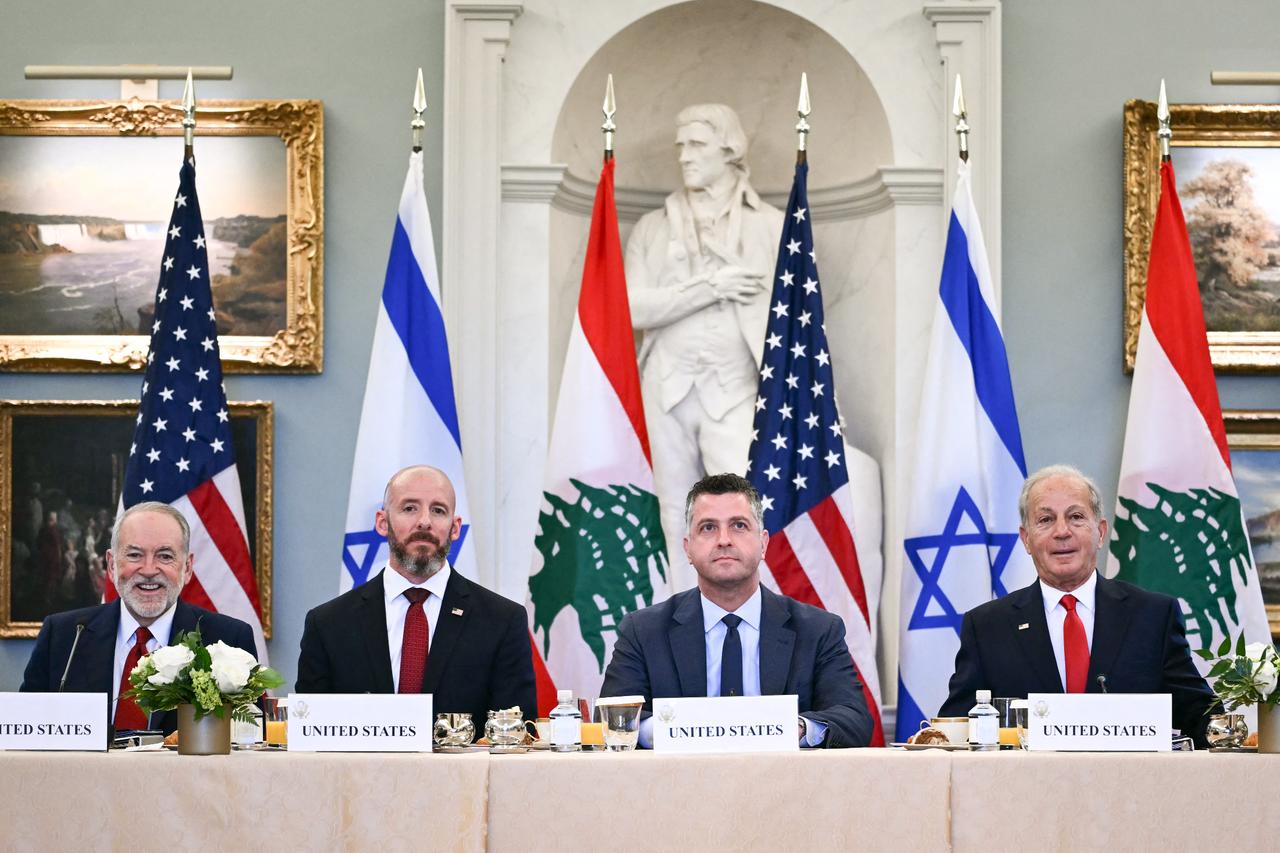
A joint Lebanese-U.S.-Israeli statement announced early Thursday that Beirut and Tel Aviv had agreed during talks in Washington to implement a ceasefire based on a complete halt to Hezbollah attacks and the withdrawal of all Hezbollah members from the area south of the Litani River.
Lebanese President Joseph Aoun said the U.S. would determine the timing and mechanism for implementing the ceasefire, which could begin within 24 hours of receiving approval.
But Hezbollah chief Naim Qassem rejected the outcomes of direct negotiations between Lebanon and Israel.
Israel occupies areas in southern Lebanon, some held for decades and others seized during the 2023–2024 conflict. During the current offensive, Israeli forces advanced more than 10 kilometers (6.2 miles) into Lebanese territory, marking their deepest incursion since 2000.
More than 3,550 people have been killed and over 10,800 injured in Israeli attacks in Lebanon since March 2, according to Lebanese officials.


 Set as preferred source
 Set as preferred source


 1 min read
 1 min read