Newsletters


Iran warned Friday that it would retaliate against any attack on its infrastructure and that Israel would face a response, as Qatari negotiators traveled to Iran in a U.S.-coordinated effort to de-escalate the conflict between Washington and Tehran.
Mohammad Bagher Zolghadr, secretary of Iran's Supreme National Security Council, said in a statement carried by Tasnim News Agency: "As we have previously announced, any attack on infrastructure will be met with retaliation in kind."
He said Israel, which he described as being behind recent hostile acts, "will not be safe from the response of our fighters."
In an official statement graphic released alongside the remarks, Zolghadr said "the world's most despised figure" had once again said what he deserved to hear, addressing "the great nation and the risen, grieving people of Iran."
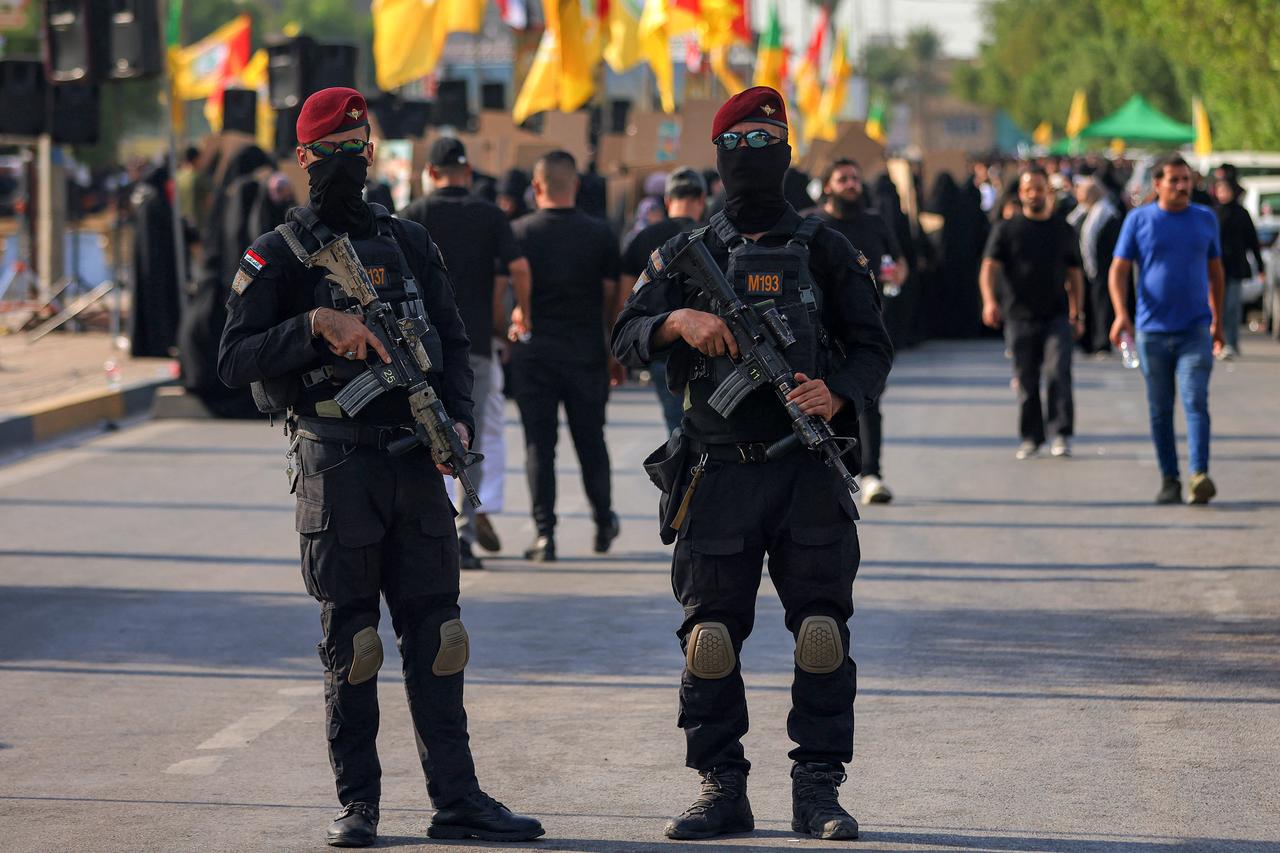
He said the figure was angered by what he described as the historic display of the Iranian and Iraqi people at the funeral procession for the "martyred leader."
Zolghadr repeated that any attack on infrastructure would be met in kind and that "the criminal Zionist regime," which he said was behind the hostilities, "will not be safe from the response of our fighters."
The statement was signed by Zolghadr in his capacity as secretary of the Supreme National Security Council.


Fighting picked up again this week between the U.S. and Iran in the most significant exchange of fire since the two sides signed a Memorandum of Understanding (MoU) on June 17, aimed at formalizing an earlier ceasefire and guiding talks toward ending the conflict.
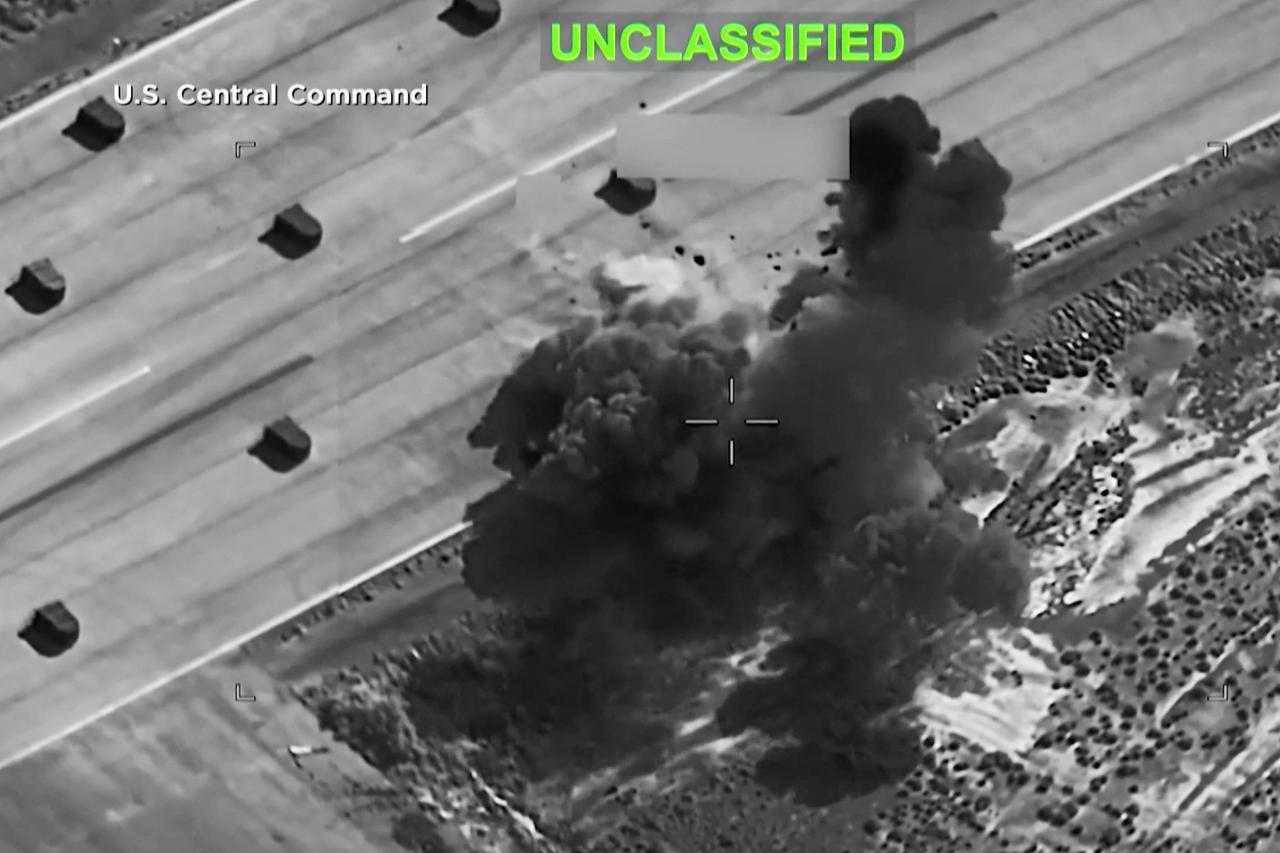
The U.S. military carried out heavy strikes overnight between Wednesday and Thursday, saying it targeted 90 military sites.
Iran accused Washington of also targeting civilian infrastructure, saying the strikes were intended to detract from the funeral of late Supreme Leader Ali Khamenei.
Bridges and railway links between Tehran and Khamenei's hometown of Mashhad, where he was buried Thursday, were hit, according to Iran. Iranian authorities say 17 people have been killed in U.S. strikes.
Iranian state media reported Thursday a U.S.-Israeli attack on a military headquarters near Bushehr, the site of Iran's only civilian nuclear power plant.
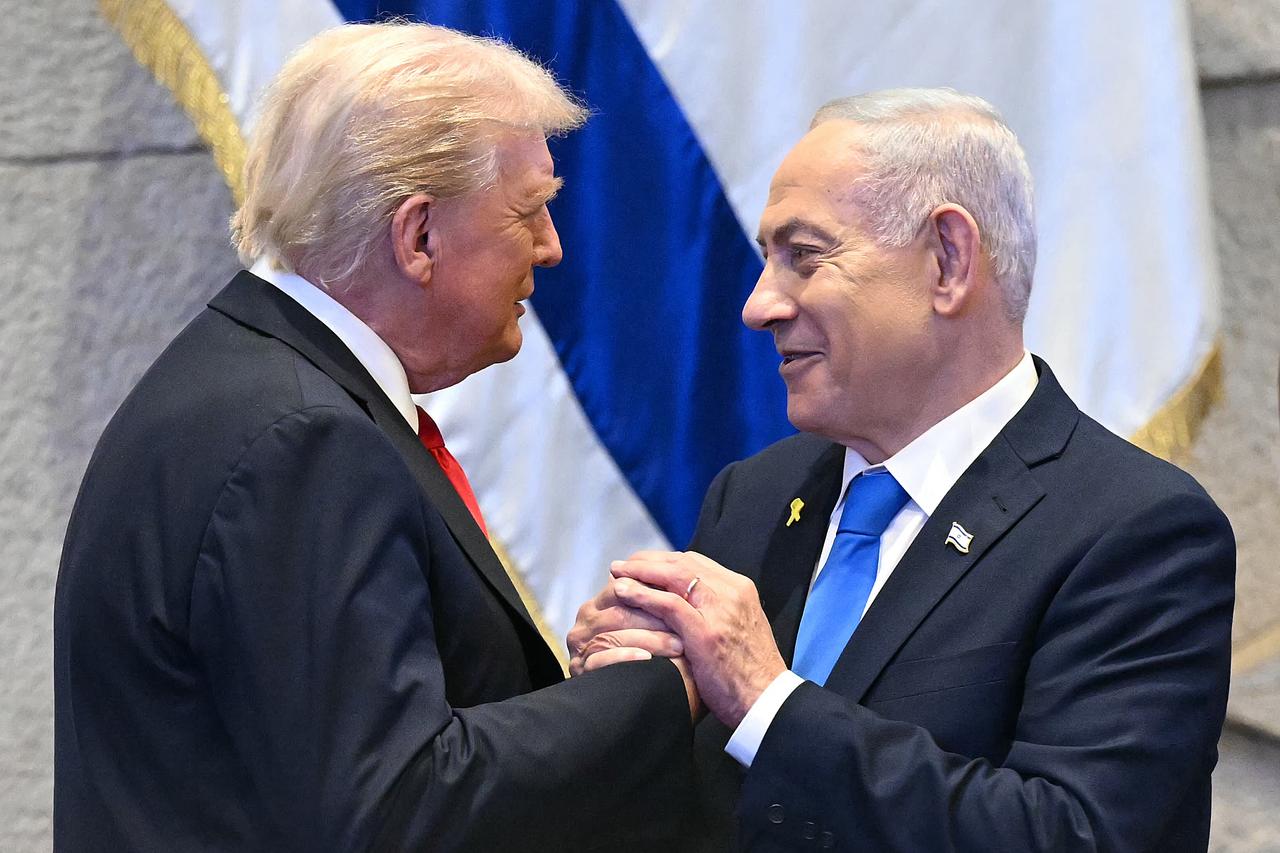
Netanyahu's office said the Israeli prime minister spoke with Trump on Thursday, who briefed him on the latest U.S. moves in the Gulf.
Israeli Defense Minister Israel Katz said Israel was prepared to resume its military campaign against Iran if needed, vowing to do so "with even greater force."
However, CNN reported, citing two Israeli sources, that the Trump administration does not want Israel involved in the current fighting, out of concern about losing control of the conflict.
"Netanyahu would really want to join the U.S. strikes," one source told CNN, "but the U.S. doesn't want Israel involved at the moment."
The same source said the prevailing Israeli assessment is that Trump does not want a return to full-scale war and that the most he may be willing to do is reinstate a naval blockade on Iranian ports.
A source with knowledge of the situation told Reuters that Qatari negotiators were in Iran on Friday to meet Iranian officials in an effort to de-escalate tensions and create conditions for broader negotiations to continue, with the talks conducted in coordination with the United States.
The source said the talks aimed to address implementation of the U.S.-Iran Memorandum of Understanding and the issues that triggered the recent escalation, including disputes over navigation in the Strait of Hormuz.
A U.S. official told CNN that diplomacy was continuing behind the scenes, with the U.S. deliberately striking and then pausing to avoid further escalation and give diplomacy room to work, while maintaining a target list as leverage.
Multiple officials told CNN there were preparations for potential further U.S. strikes if needed but that diplomacy was currently taking the lead.
Aboard the USS Abraham Lincoln in the Arabian Sea, crews loaded fighter jets with armaments and practiced drills in preparation for potential strikes while also carrying out routine defensive flight operations.
U.S. officials said Iranian claims of additional U.S. strikes on Thursday were inaccurate, though they cautioned the situation remained dynamic, and strikes could resume if needed.


 Set as preferred source
 Set as preferred source


 3 min read