Newsletters


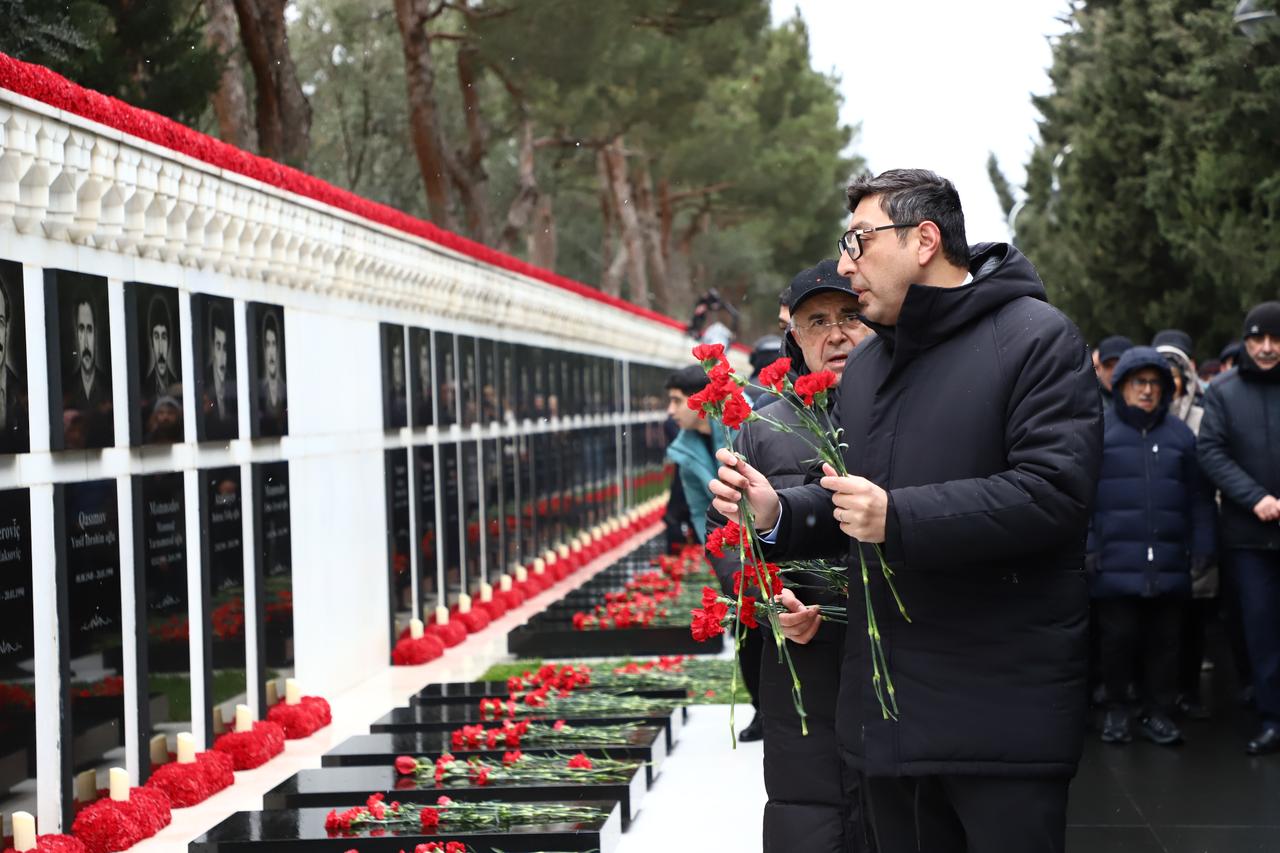


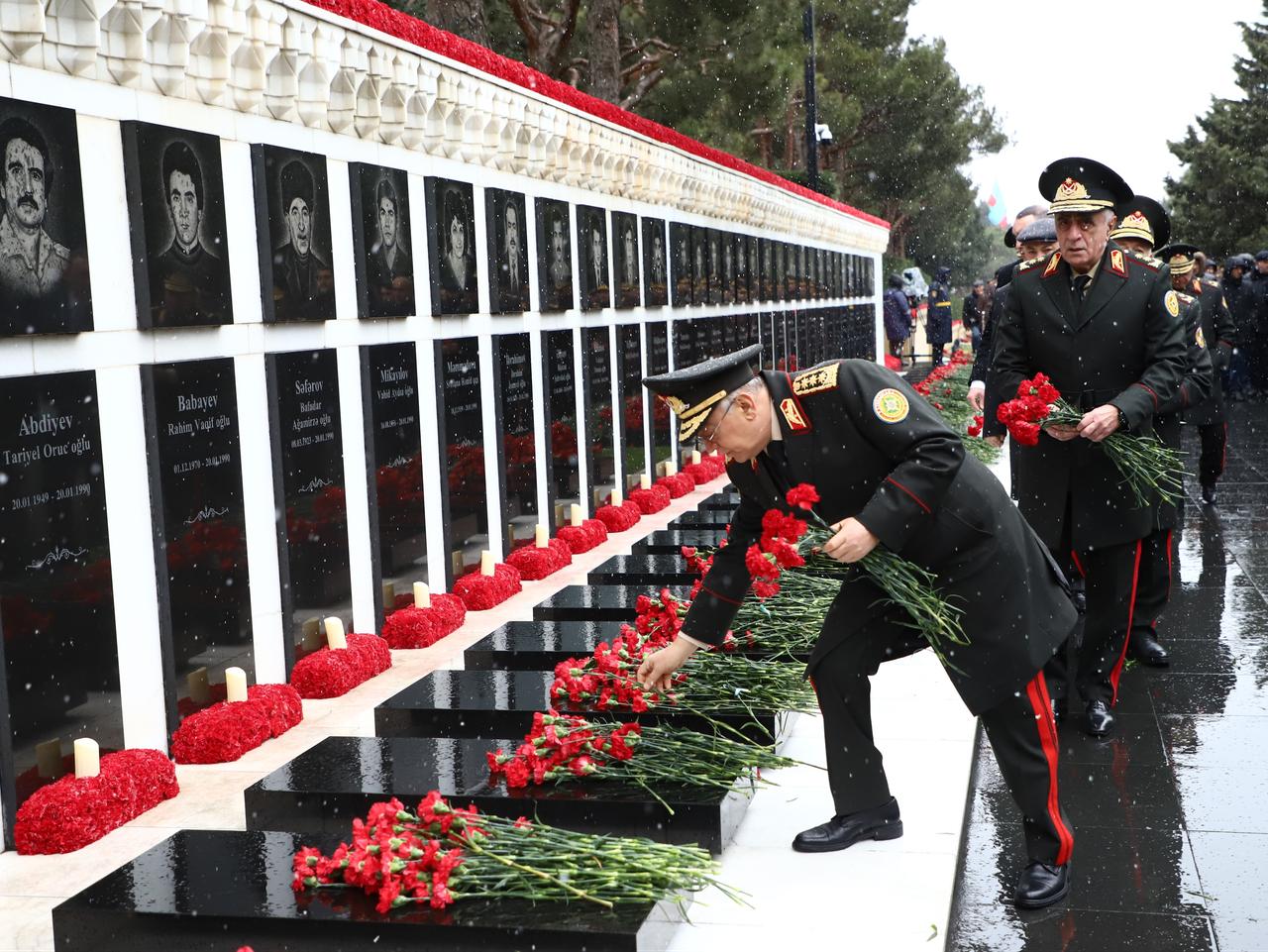
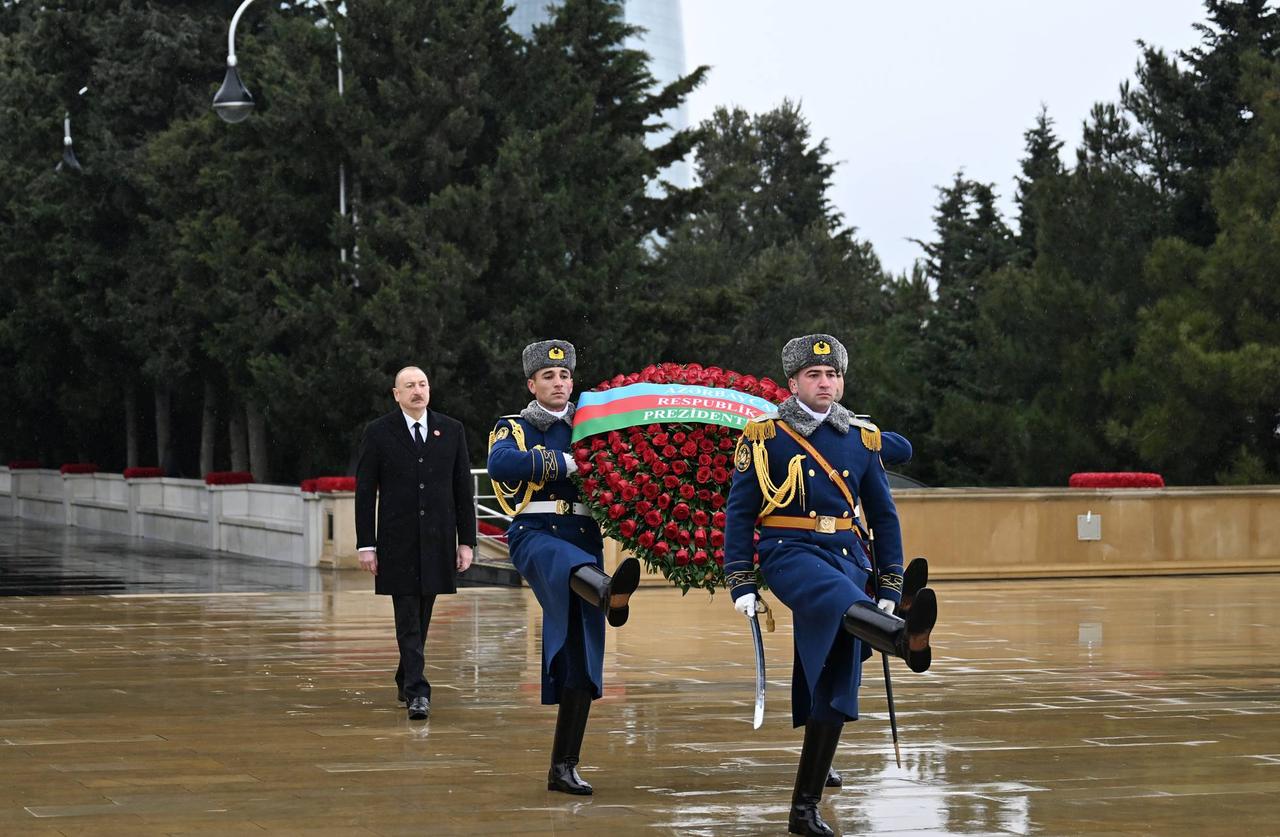
Thousands of people in Azerbaijan gathered on Monday at Martyrs’ Alley in Baku to commemorate the victims of the Jan. 20, 1990 killings, known as “Black January,” on the 36th anniversary of the events.
Long lines formed at the memorial as mourners laid red carnations on graves and offered prayers.
At noon local time, a minute of silence was observed across the country, with ships along the Caspian Sea coast, metro trains and buses sounding horns in tribute.

In a statement marking the anniversary, Azerbaijan’s Foreign Ministry said the violence carried out on Jan. 20, 1990 was aimed at suppressing the Azerbaijani people’s legitimate demands for freedom, national dignity and sovereignty.
The ministry said the crackdown failed to break public will and instead strengthened efforts to restore independence and fully exercise sovereign rights.
It said the sacrifice of those killed played a key role in Azerbaijan regaining independence in 1991.
Azerbaijan’s Human Rights Commissioner Sabina Aliyeva called for the events to be investigated objectively and comprehensively within the framework of international law.
In a separate statement, Aliyeva said the killings should be recognized as crimes against humanity and that not only the perpetrators but all those involved in decision-making processes should be held legally accountable.
She urged international organizations, particularly relevant bodies of the United Nations, to cooperate in bringing those responsible to justice.
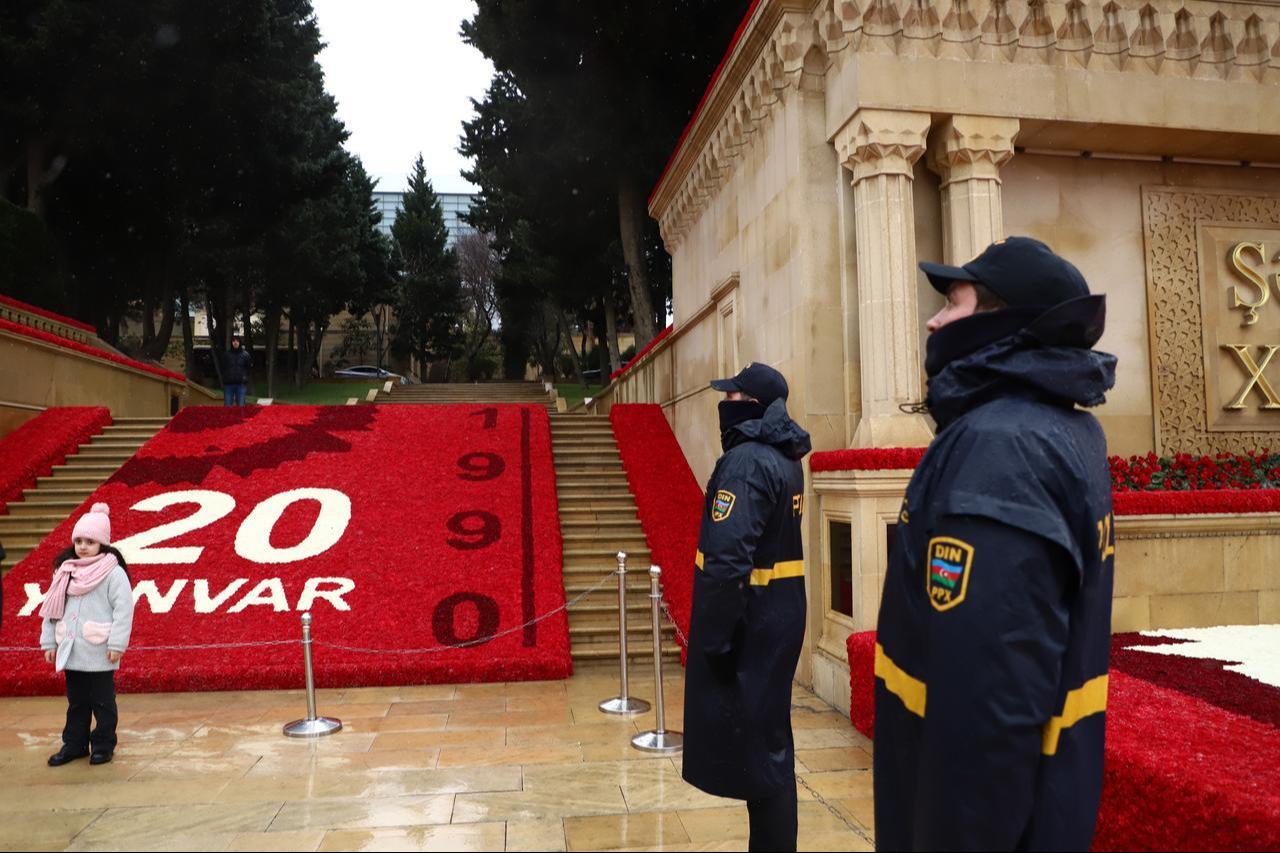
Protests erupted in early 1990 as tens of thousands of Azerbaijanis gathered in Baku’s Azadliq Square to oppose growing territorial claims by Armenians and express anger toward the Soviet administration.
On Jan. 20, 1990, around 26,000 Soviet troops entered Baku from multiple directions to disperse the demonstrations.
Soviet forces opened fire on unarmed civilians, including women and children, killing about 150 people across Baku and other regions such as Neftchala and Lankaran. Hundreds were wounded and nearly 400 people were detained.
Despite the declaration of a state of emergency and full Soviet control of the capital, large crowds took to the streets to bury the dead.
The victims were laid to rest at what later became known as Martyrs’ Alley, with funeral processions attended by hundreds of thousands.
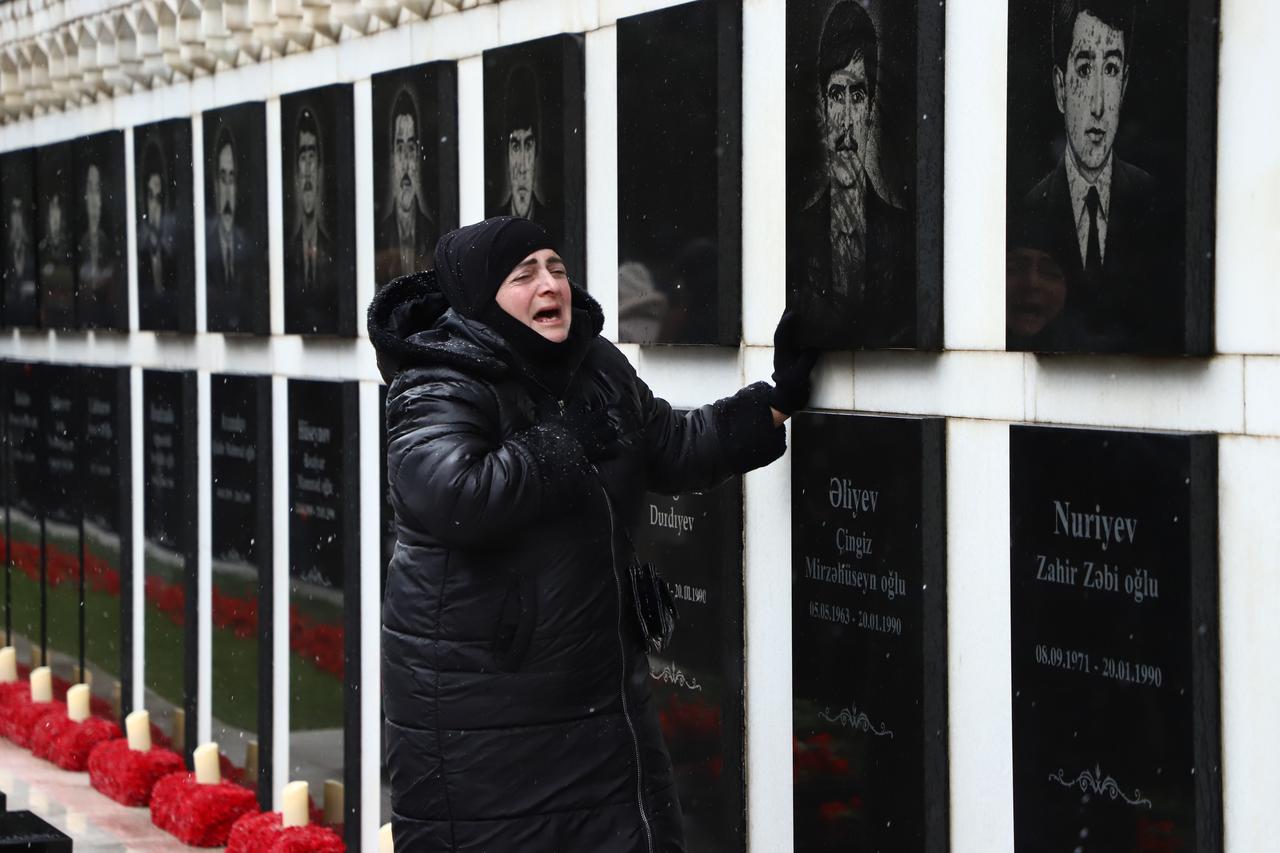
Sahib Alizade, a 71-year-old witness to the events, said the crackdown marked a turning point in Azerbaijan’s history.
Speaking to Anadolu Agency, he said Soviet troops fired indiscriminately after entering the city and used prohibited ammunition.
Alizade said he was wounded during the violence and later received treatment in Türkiye in 1991 with the support of Turkish authorities.
He said Azerbaijanis did not lose morale despite the losses, adding that the events showed the Soviet leadership that the people could not be suppressed.
Speaker of Türkiye’s Parliament Speaker Numan Kurtulmus marked the anniversary with a message honoring the victims.
In a social media post, Kurtulmus said the sacrifice of the “Black January” martyrs remains one of the strongest symbols of the Azerbaijani people’s will for independence, adding that Türkiye would continue to stand with Azerbaijan “in sorrow and in joy” under the principle of “two states, one nation.”


 Set as preferred source
 Set as preferred source


 1 min read
 1 min read