Newsletters


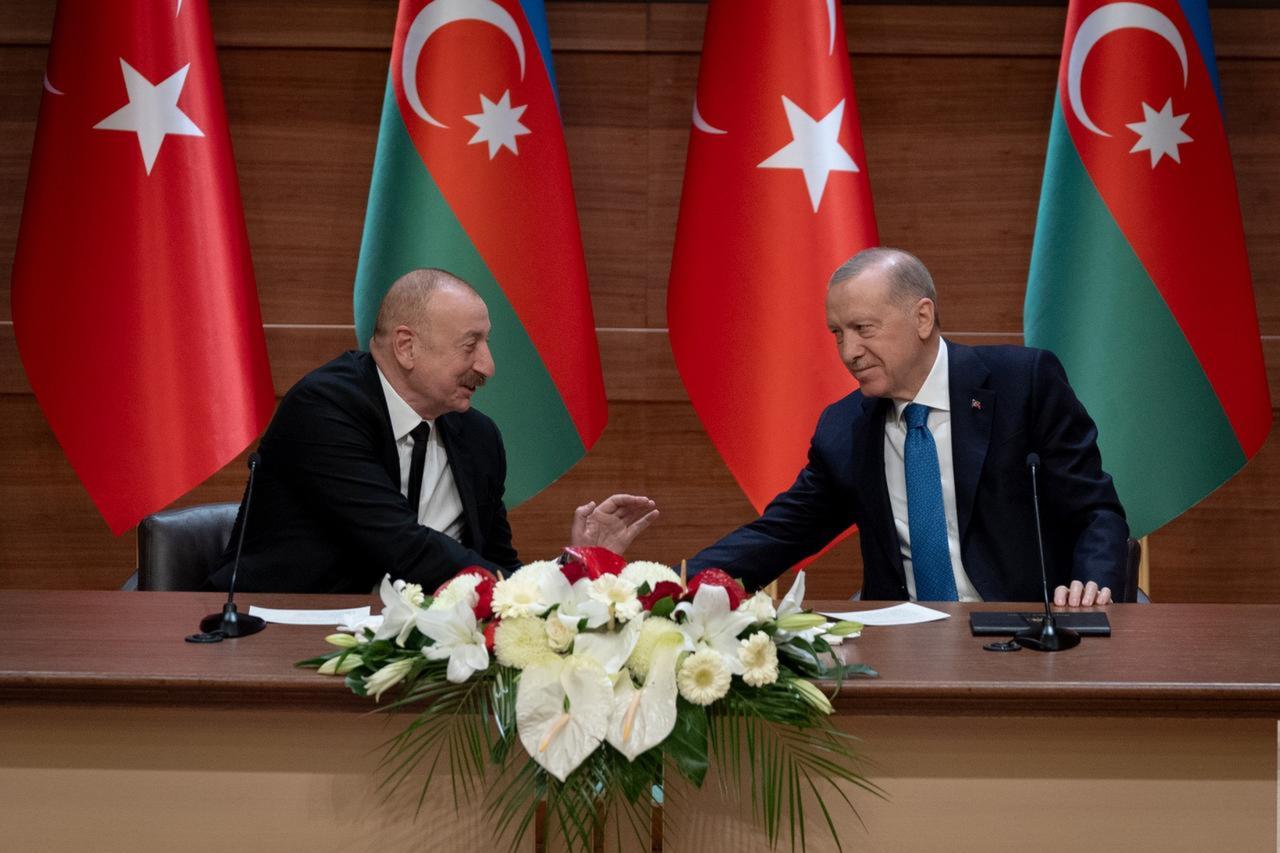


Türkiye and Azerbaijan on Monday signed the 12th Joint Economic Commission (JEC) protocol, adopting a 110-point action plan covering key areas including energy, trade, investments and tourism.
The agreement was signed in the Azerbaijani capital by Turkish Vice President Cevdet Yilmaz and Azerbaijani Prime Minister Ali Asadov.
Yilmaz recalled that the Shusha Declaration, signed on June 15, 2021, by Turkish President Recep Tayyip Erdogan and Azerbaijani President Ilham Aliyev, elevated bilateral relations to the level of a strategic alliance.
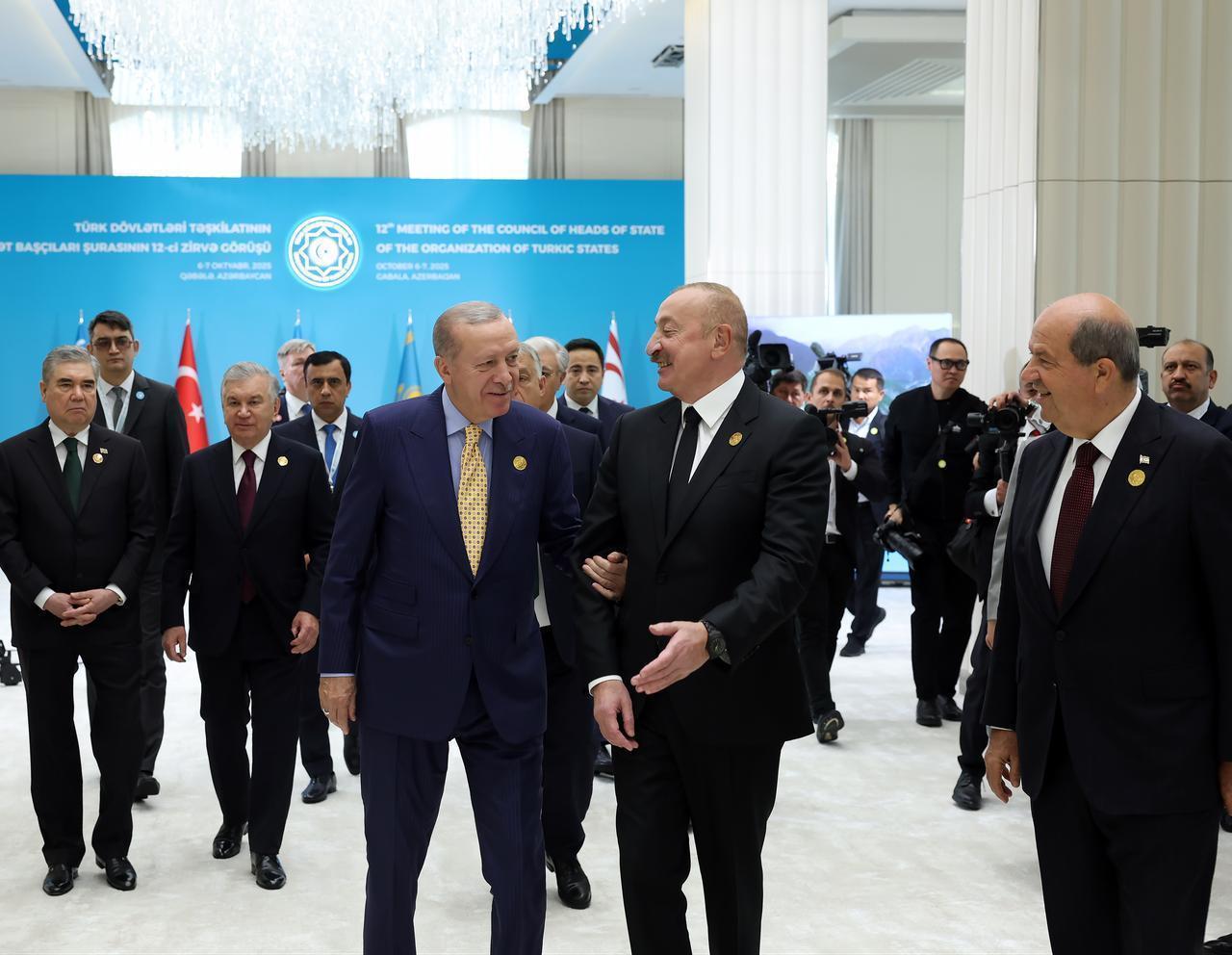
He said the new cooperation aims to contribute to the prosperity of the broader Turkic world, particularly through activities under the umbrella of the Organization of Turkic States.
According to Yilmaz, JEC meetings provide a roadmap for producing concrete projects and turning cooperation into tangible outcomes.
Yilmaz said 93 of the 120 items adopted at the 11th JEC meeting in 2024 have been completed, representing a 78% success rate, paving the way for new achievements across sectors such as trade, investment, transportation, energy, education and agriculture.
Under the newly signed action plan, the two sides will explore the possibility of a free trade agreement, cooperate on investments and service trade in third countries, and establish a joint working group for Azerbaijan’s integration into the New Computerized Transit System.
The plan also includes steps to set up joint industrial training centers, sign a cooperation agreement in agriculture, expand collaboration in oil and natural gas projects, and organize experience-sharing programs in areas ranging from health and tourism to banking and public procurement.
Yilmaz said bilateral trade reached a record $8 billion last year, calling the $15 billion trade target a medium-term goal.
He added that Türkiye’s investments in Azerbaijan have reached $18 billion, while Azerbaijan’s investments in Türkiye have totaled $21 billion.

Yilmaz stressed that Türkiye and Azerbaijan should not act solely as transit countries for Caspian energy resources but as strategic centers ensuring energy management and supply security.
He underlined the importance of diversifying energy cooperation to include renewable sources and advancing the planned energy corridor through Nakhchivan.
He pointed to increased cooperation between Turkish Petroleum (TPAO) and Azerbaijan’s state oil company SOCAR, the opening of the Igdir–Nakhchivan Natural Gas Pipeline, joint activities by BOTAS, SOCAR and TPAO in third countries, and projects such as the Green Electricity Transmission and Trade Project and the Türkiye–Azerbaijan Nakhchivan Interconnection Project.
Yilmaz also highlighted the Middle Corridor, often referred to as the modern Silk Road, noting its growing importance for East–West trade via the Caspian Sea.
He said transforming this potential into a sustainable logistics architecture would shape trade routes stretching from China to Europe through the strategic partnership between Türkiye and Azerbaijan.


 Set as preferred source
 Set as preferred source


 1 min read
 1 min read