Newsletters


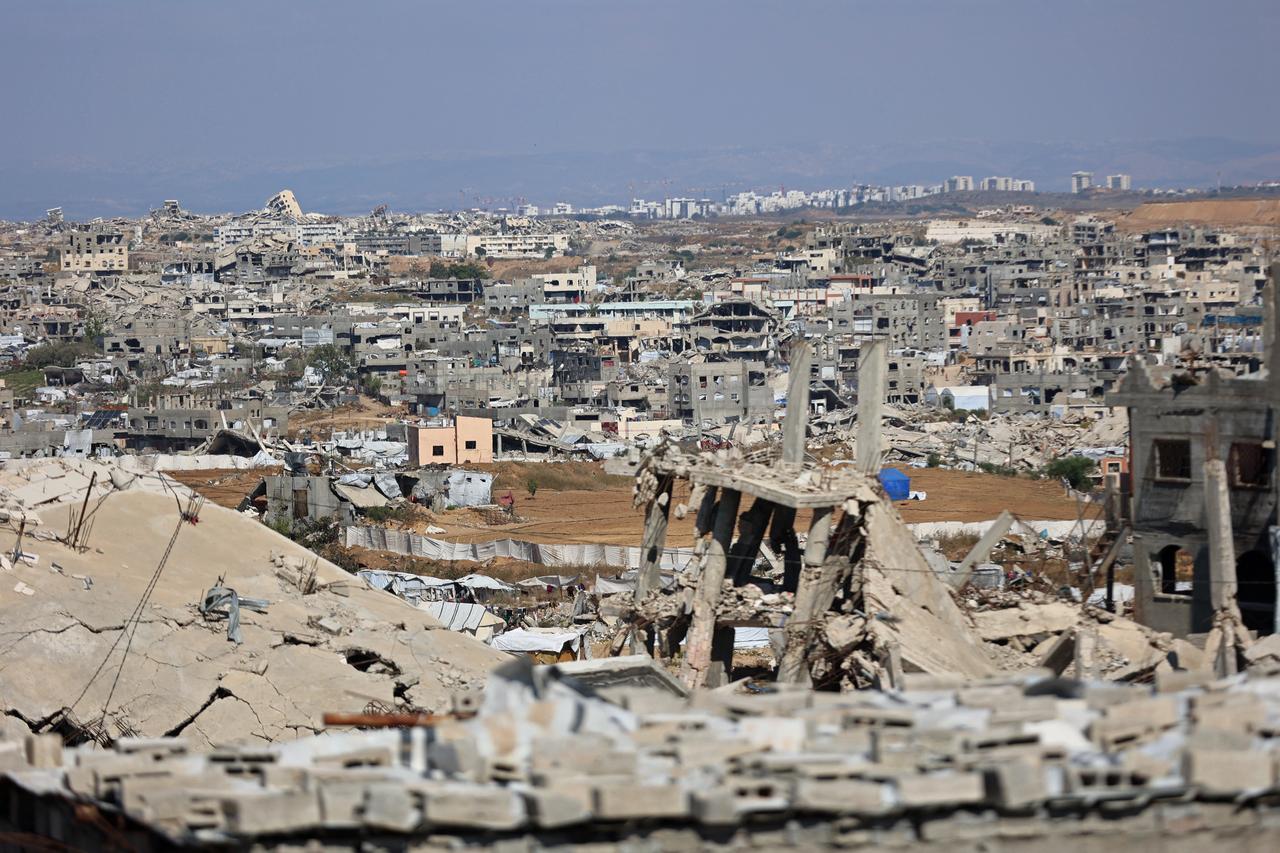


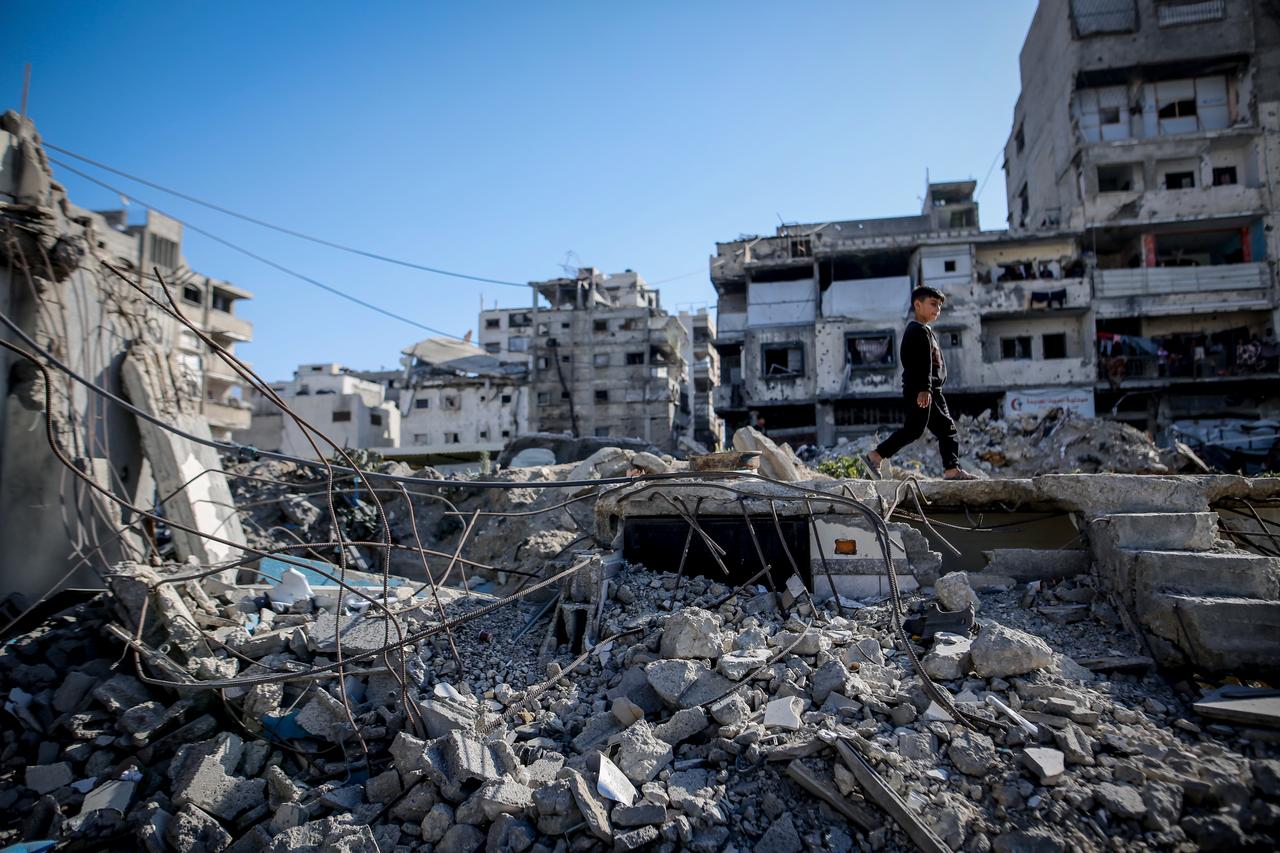
Azzam al-Hayya, son of senior Hamas Political Bureau member and chief negotiator Khalil al-Hayya, died Thursday of wounds sustained in an Israeli airstrike on Gaza City's Daraj neighborhood the previous night.
It marked the fourth of Khalil al-Hayya's sons to be killed in Israeli strikes, as the Hamas delegation held talks in Cairo with regional mediators and the lead envoy of Trump's Board of Peace, Nickolay Mladenov.
Senior Hamas official Basim Naim confirmed Azzam's death, saying he had succumbed to his injuries after being struck in the Israeli strike on Daraj.
Hamas official Hamza al-Sharbasi was also killed in the same attack.
Speaking to Al Jazeera after the strike but before his son's death was confirmed, Khalil al-Hayya said: "These Zionist attacks and violations clearly indicate that the occupation does not want to abide by a ceasefire or by the first phase."
He described the attack as "an extension of the Israeli aggression against our people everywhere" and said the political message was to pressure Palestinian negotiators by signaling that "neither they nor their children were beyond targeting."
"My son or another child, there is no distinction. Our children are the children of the Palestinian people, and our feelings for each are the same," al-Hayya said.

Khalil al-Hayya has seven children and has survived multiple Israeli assassination attempts.
One son was killed in an Israeli strike in Doha in September 2025, when Israel attacked a building housing the Hamas negotiating delegation; six people died, including a Qatari police officer, though al-Hayya survived.
Two other sons were killed in previous Israeli strikes in Gaza in 2008 and 2014. Azzam is the fourth.
Following the September Doha attack, Israeli Prime Minister Benjamin Netanyahu threatened further action, saying, "Either you expel them or deliver them to justice." If you don't, we will."
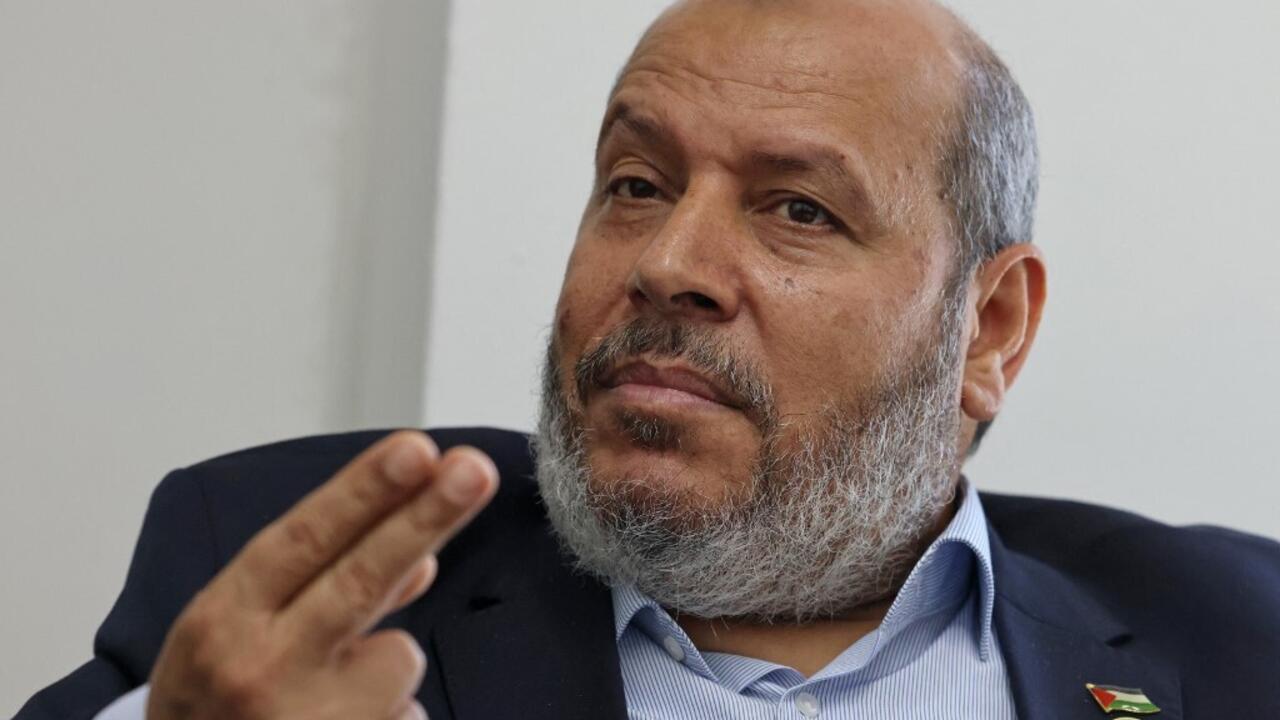
Hamas spokesperson Hazem Qassem recently told Türkiye's state-run Anadolu Agency (AA) that the delegation in Cairo, led by Khalil al-Hayya, was holding meetings with Egyptian, Qatari and Turkish mediators to develop pathways for the full implementation of the Gaza agreement and to enter parallel negotiations on the second phase of Trump's peace plan.
"Hamas responded positively and attentively to the approaches proposed by the mediators to ensure the implementation of the various aspects of the agreement, given the Israeli intransigence and clear violations, including killings and the tightening of the siege," Qassem said.
A Hamas official separately told Reuters that the group had told Mladenov it would not engage in serious talks on the second phase until Israel concluded its first-phase obligations, including a complete halt to attacks.
The second phase involves broader Israeli withdrawal from Gaza, reconstruction and the beginning of disarmament of Palestinian factions, a sticking point Hamas says must be addressed through national consensus and internal dialogue, not through the Israeli agenda alone.
 1 min read
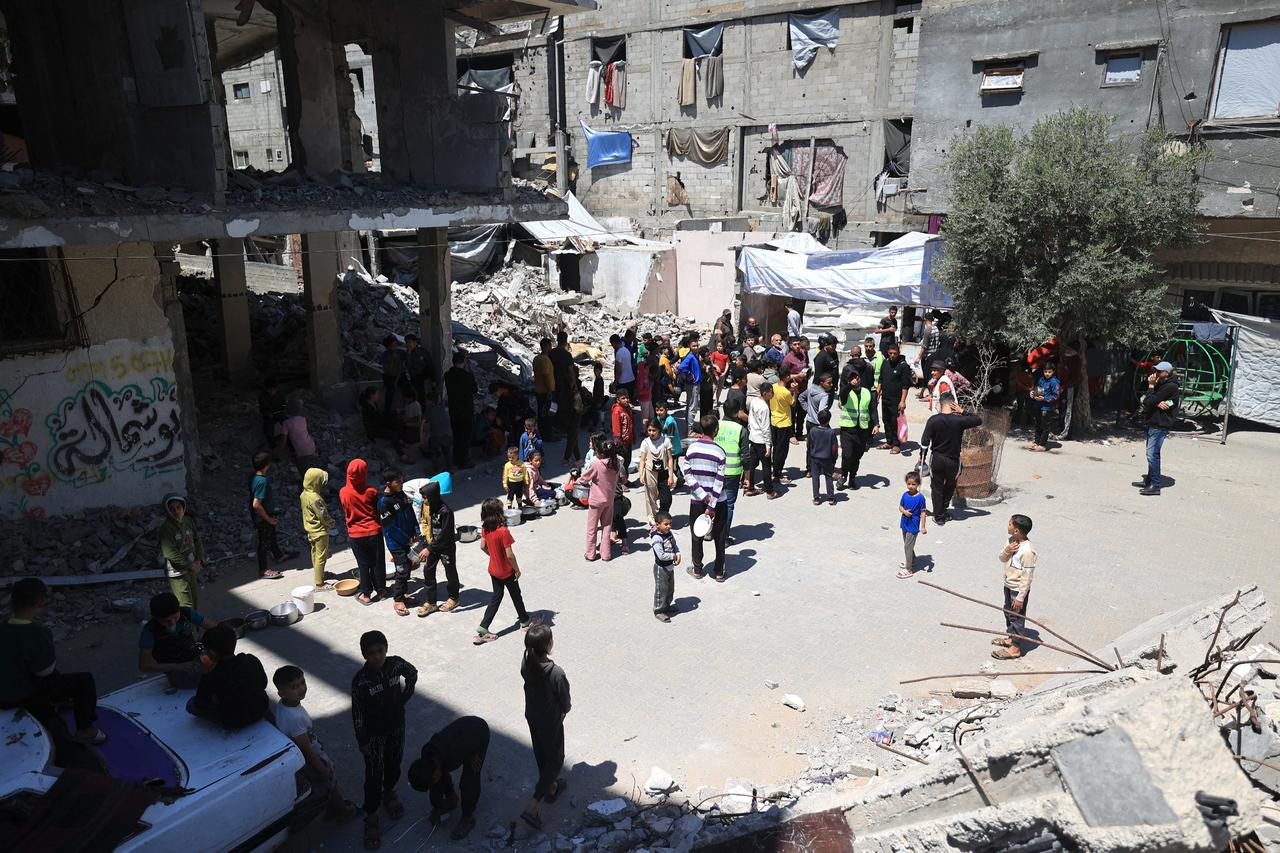
According to Gaza's Health Ministry, at least 837 Palestinians have been killed and 2,381 injured since the Sharm el-Sheikh ceasefire agreement took effect on Oct. 10, 2025.
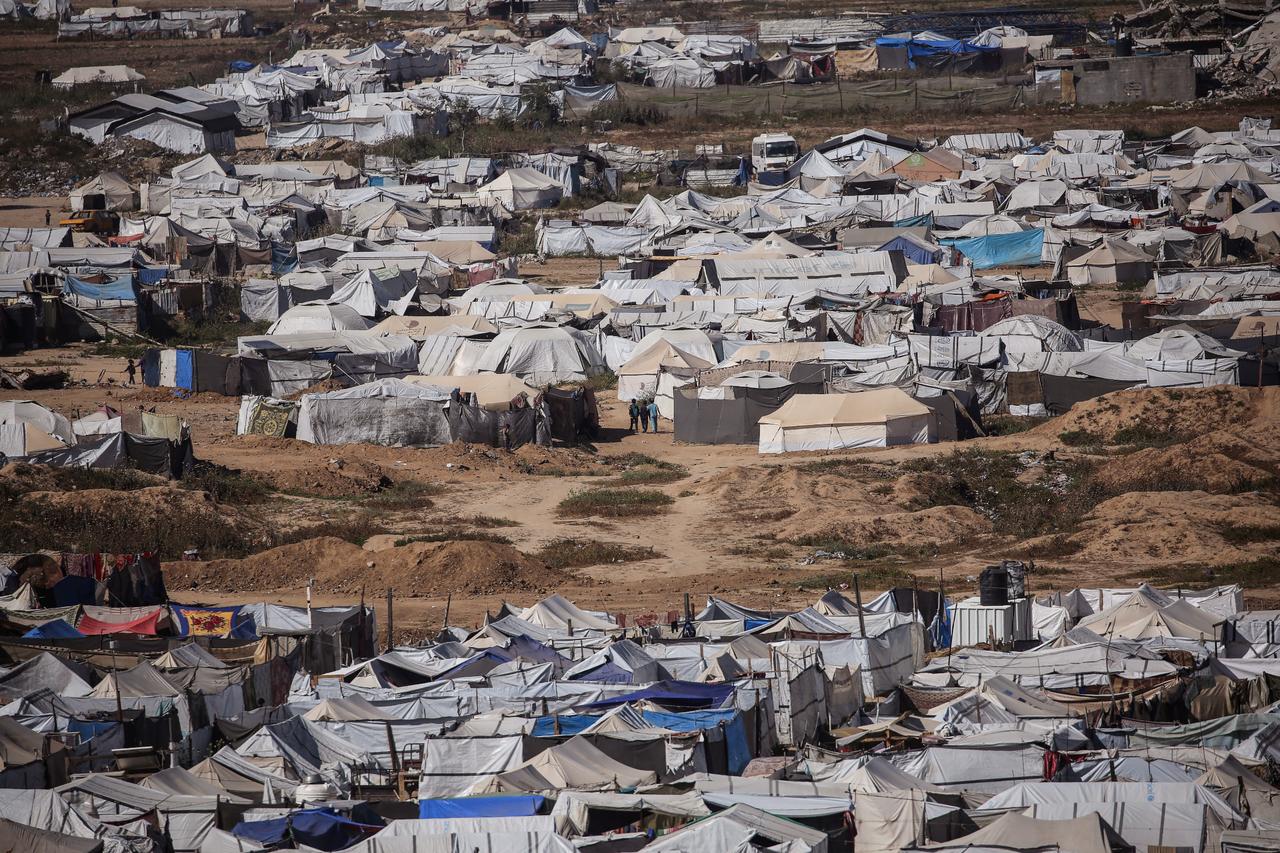
Israel has also continued to restrict the entry of food, medicine and shelter materials into Gaza, where 2.4 million Palestinians face severe humanitarian conditions.
Hamas said it had submitted daily ceasefire violation reports to mediators and called on the United States to pressure Israel to comply.
The ceasefire followed two years of Israeli military operations that began Oct. 8, 2023, killing over 72,000 Palestinians and wounding over 172,000, while devastating approximately 90% of Gaza's civilian infrastructure.


 Set as preferred source
 Set as preferred source


 1 min read