Newsletters


Israeli airstrikes on the southern suburbs of Beirut killed at least three people and wounded 15 others on Sunday, drawing an immediate warning from Iran's chief negotiator that peace talks with the United States had been rendered meaningless if Washington could not prevent Israeli military action.
Iranian Parliament Speaker Mohammad Bagher Ghalibaf, who serves as Iran's chief negotiator, said the Israeli strike on Dahiyeh demonstrated that the United States either lacked the will or the capacity to uphold its commitments.
"If you do not have the will and ability to fulfill your commitments, it is not possible to talk about continuing the path," Ghalibaf said.
He accused Washington of signaling tacit approval to Israel.
"By showing a green light to the regime, you cannot gain concessions. The good cop, bad cop game is old," Ghalibaf said on X.
The deputy commander of Iran's Khatam al-Anbiya Central Headquarters, Mohammad Jafar Assadi, also warned that Israeli "crimes" in Beirut’s southern suburbs will not go unanswered.
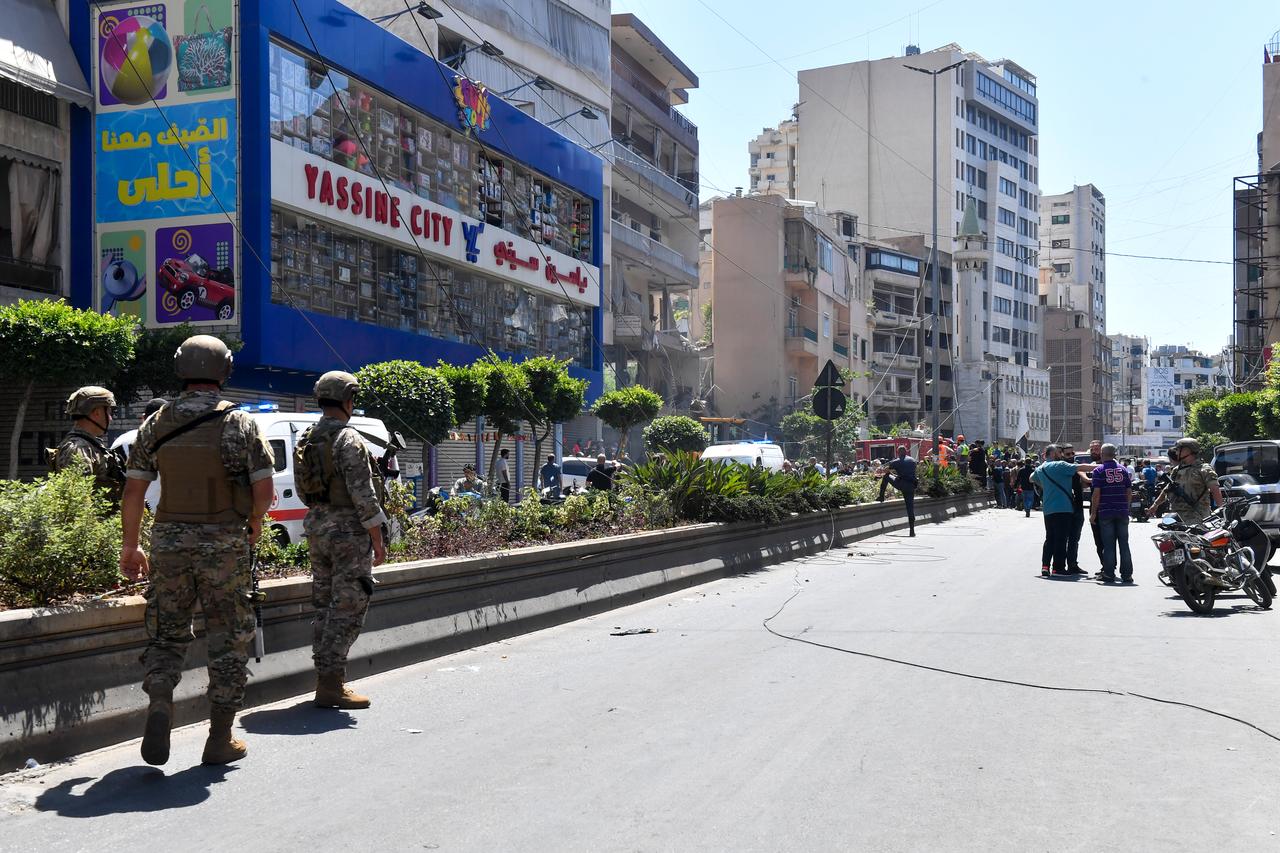

The strikes hit the Ghobeiry area of Dahiyeh without prior warning, according to a reporter from Türkiye's state-run Anadolu Agency (AA) on the ground.
Two explosions were heard, with smoke visible rising from the targeted sites.
Lebanon's state news agency NNA confirmed three fatalities and 15 wounded, with significant damage to nearby buildings and shops. Lebanese civil defense said it had recovered three bodies from the site and that search, rescue, and debris removal operations remained ongoing.
The Israeli military described the operation as "a precise strike" on a command center used by Hezbollah, adding that "prior to the strike, steps were taken to mitigate harm to civilians, including the use of precise munitions and aerial surveillance."
Israeli Prime Minister Benjamin Netanyahu and Defense Minister Israel Katz issued a joint statement saying the strike was a response to Hezbollah firing into Israeli territory.
Sunday's attack came hours after Israeli National Security Minister Itamar Ben-Gvir and Finance Minister Bezalel Smotrich publicly called for strikes on Dahiyeh following two Hezbollah drone attacks in northern Israel.
A ceasefire between Israel and Lebanon has been in effect since April 17.
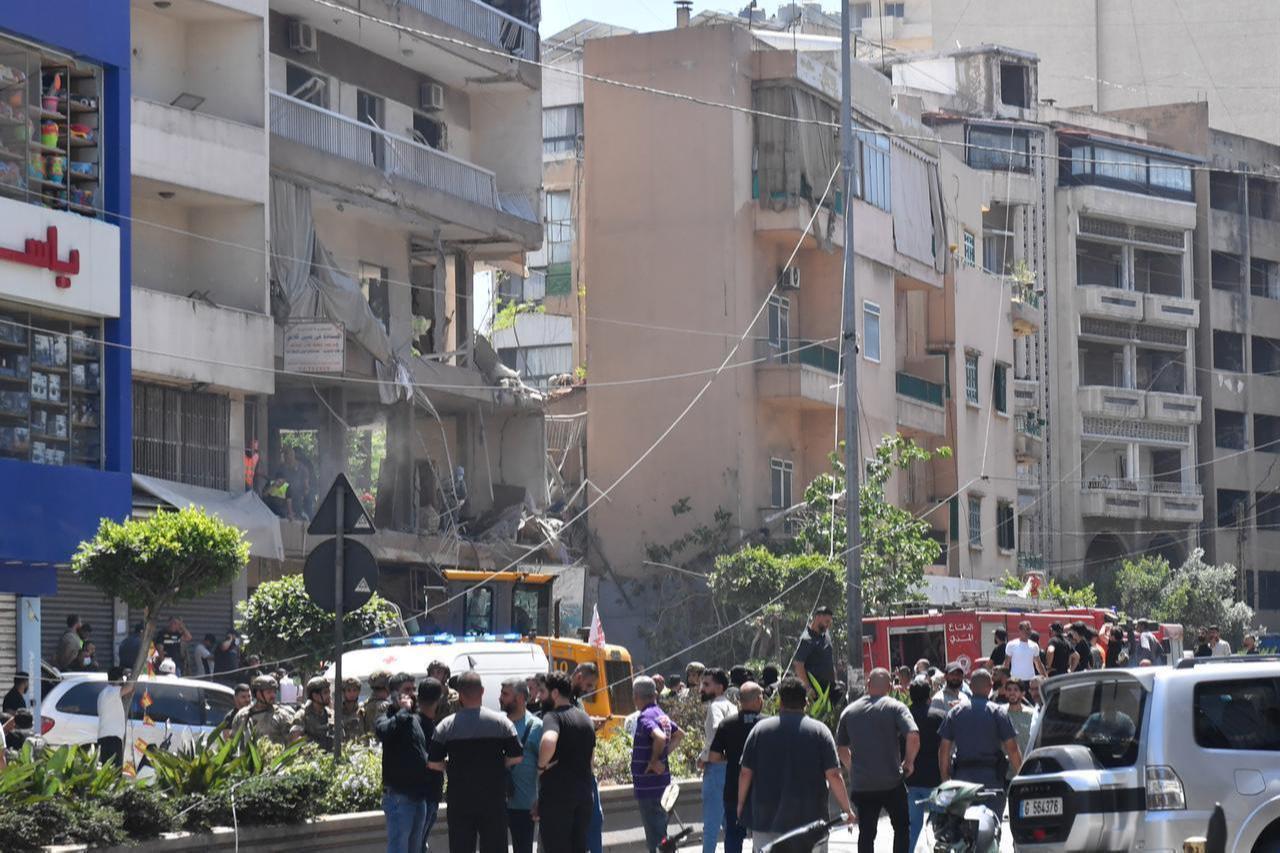
The Israeli bombing campaign on Lebanon has continued since March 2 and has killed over 3,700 people, wounded nearly 11,500 and displaced more than 1.5 million since that date, according to Lebanese officials.
Israel occupies several towns in southern Lebanon seized during the current offensive.
A ceasefire framework for Lebanon was announced earlier this week following talks in Washington, with Lebanese President Joseph Aoun saying the U.S. would determine the timing and mechanism for implementation.
Sunday's Dahiyeh strike, conducted while that ceasefire framework remained in effect, directly undercut the diplomatic architecture Washington has been attempting to build simultaneously with both Tehran and Beirut.


 Set as preferred source
 Set as preferred source


 2 min read