Newsletters




A bitter dispute between Armenian Prime Minister Nikol Pashinyan and the country’s powerful church has deepened political divisions ahead of elections in June.
The rift follows months of government criticism and arrests targeting religious and opposition figures, AFP reported.
Pashinyan has called for the removal of Catholicos Karekin II, the leader of the Armenian Apostolic Church and one of his most prominent critics.
He has alleged that Karekin II fathered a child in violation of his vow of celibacy.
The dispute has rattled Armenia, a deeply Christian country of 3 million people bordering Iran and Türkiye, and put Pashinyan on a collision course with one of the country’s most venerated institutions before the vote.
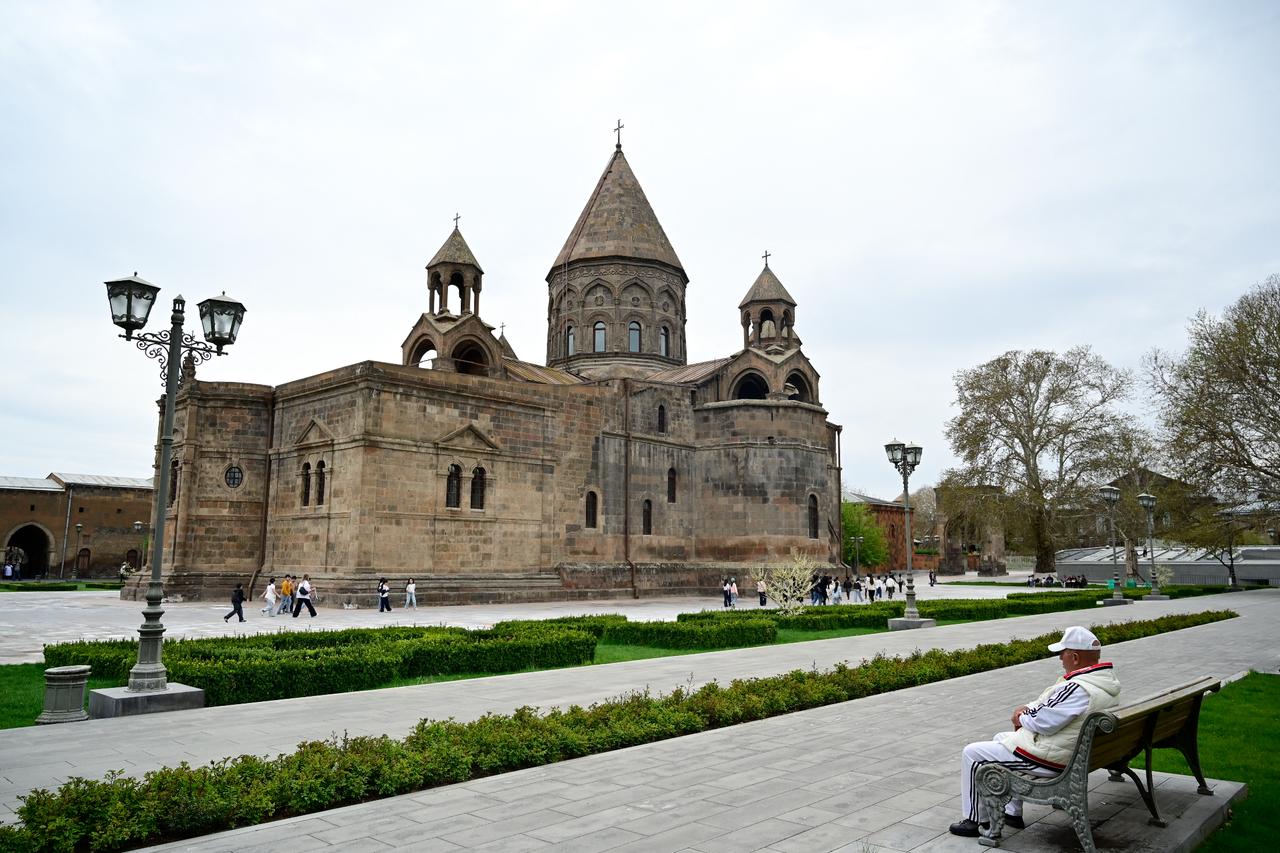
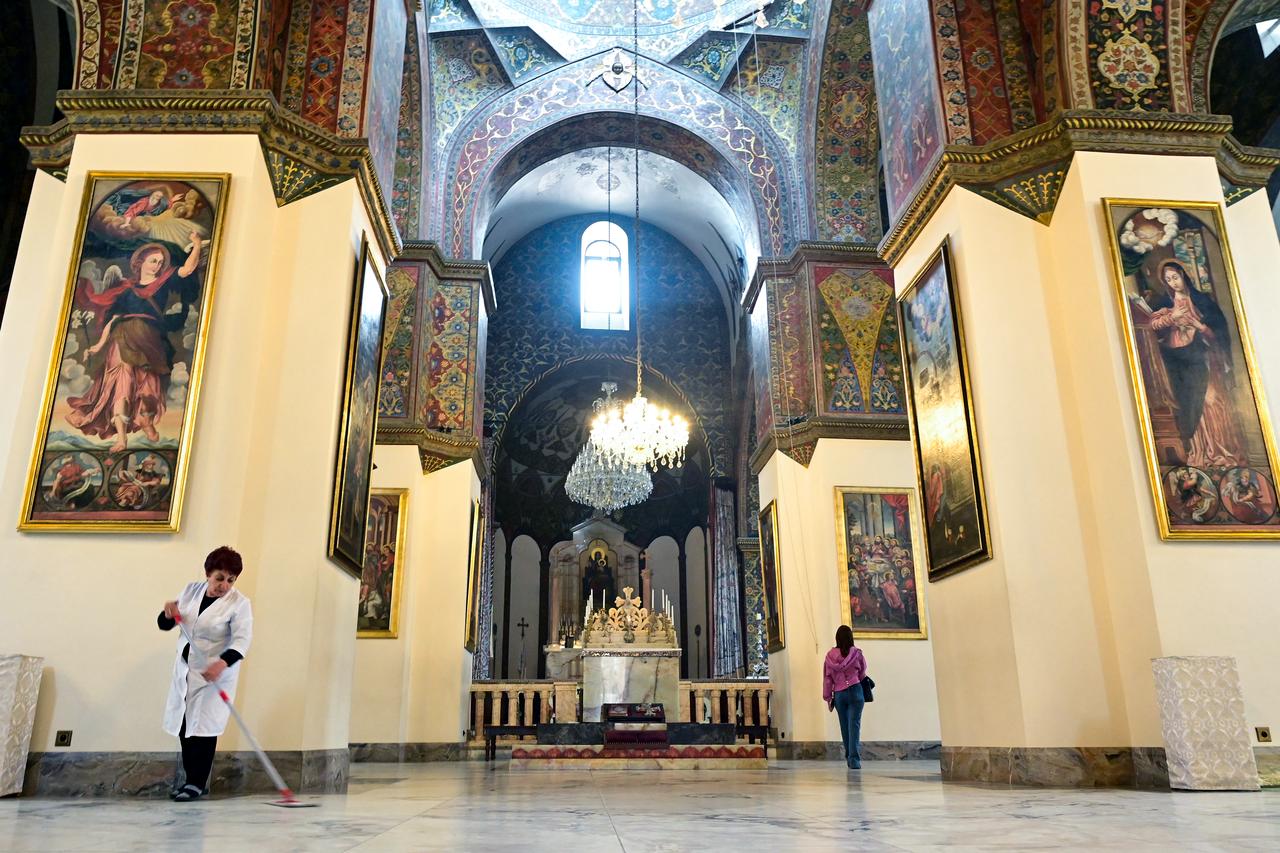
At Etchmiadzin Cathedral, Armenia’s most sacred church, 37-year-old worshipper Nara Sargsyan criticized the government’s stance.
“I don’t support their position on the church. I don’t support it at all,” she told AFP.
Sargsyan, an academic, said government agencies were interfering in church affairs and making “obscene remarks” about the Catholicos. She said the church leader’s role had grown stronger after recent clashes.
The Catholicos called on Pashinyan to resign after Armenia’s military defeat to Azerbaijan in 2020. Archbishop Bagrat Galstanyan later led mass street protests against Pashinyan’s rule.
Priests at the church backed their leadership when asked about divisions in Armenian society.
“The church is that link which embraces everyone in a warm hug,” said Hovhanes Avetisyan, a deacon from Armavir.
Security forces last year detained more than a dozen clergymen, including Galstanyan, as well as billionaire opposition figure Samvel Karapetyan.
Authorities accused some of them of plotting to overthrow Pashinyan. They reject the charges.
Karapetyan’s nephew, Narek Karapetyan, told AFP his uncle was a “political prisoner” and accused the government of persecuting religious leaders.
“This year, last year, it was a terrible time for our democracy,” he said. “We have clerics, we have archbishops in jail.”
Pashinyan denies Armenia has political prisoners. In April, he suggested Samvel Karapetyan, who holds Russian, Cypriot and Armenian citizenship, was a “foreign agent.”
Karapetyan has pledged to renounce his non-Armenian citizenships to be eligible for office in the June elections.

Pashinyan and his supporters suggest the church is aligned with Russia and say the opposition would lead Armenia into another war with Azerbaijan.
The opposition accuses Pashinyan of democratic backsliding and trying to dismantle the church’s independence.
The government has accused the church of corruption and says it needs reform, while the church has called the claim a pretext to take it over.
Pashinyan rose to power after a popular revolution in 2018, but his popularity has declined after military defeats against neighboring Azerbaijan.
Around 20% of Armenians trust the 50-year-old prime minister, still more than any other politician in the country, according to a February poll by the International Republican Institute.
Pashinyan launched his election campaign in Gyumri in April. His supporters have backed his church campaign.
“The majority of the people believe that our Apostolic Holy Church needs reform,” said Milena Aslanyan, a 27-year-old linguist and Pashinyan supporter.
Norayr Saakyan, a 55-year-old shoemaker wearing a Pashinyan campaign hat, said some priests “portray themselves as saints.”
“Nikol Pashinyan is simply pointing this out,” he said.


 Set as preferred source
 Set as preferred source


 1 min read
 1 min read