Newsletters


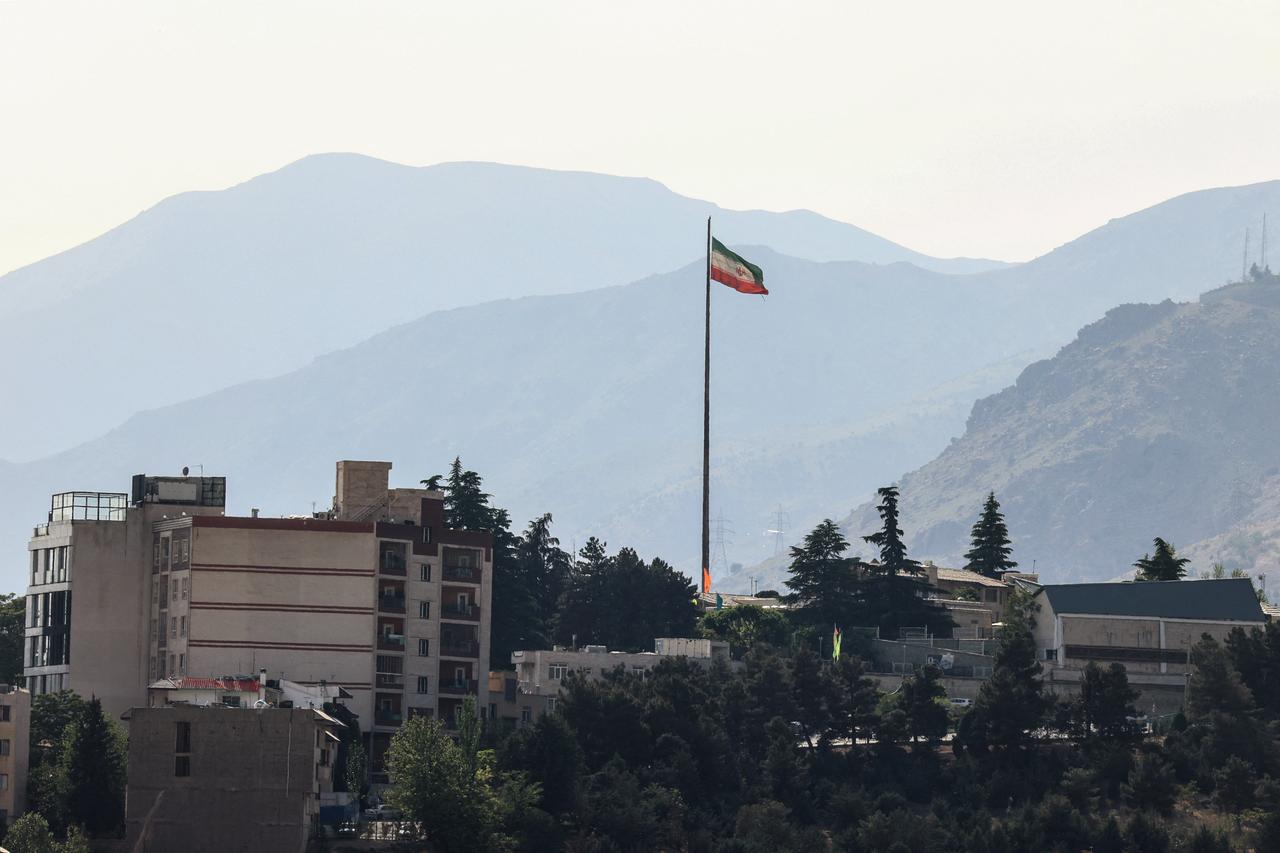


The United States has rejected Iran's 14-point written proposal for ending the war and reiterated what Tehran Times described as its "coercive stance, particularly regarding the nuclear issue."
The report said the U.S. response had been delivered through Pakistani intermediaries, marking another failed exchange in the stalled diplomatic track.
Tehran Times reported that the U.S. government had responded to Iran's written proposal and rejected it.
"By rejecting Tehran's proposals, the U.S. has once again reiterated its coercive stance, particularly regarding the nuclear issue," the outlet said.
It reported that Iran's proposal was structured around a two-stage process: "The first stage would lead to the end of the war on all fronts, and if Iran's conditions were met, the second stage of negotiations, concerning the nuclear issue, would commence."
Iranian parliament speaker Mohammad Bagher Ghalibaf warned Washington about the proposal's rejection on May 12, stating: "There is no alternative but to accept the rights of the Iranian people as laid out in the 14-point proposal."
"Any other approach will be completely inconclusive; nothing but one failure after another. The longer they drag their feet, the more American taxpayers will pay for it," he added.
The current exchange represents the latest iteration in a cycle of mutual rejections.
U.S. President Donald Trump stated on May 3 in an interview with Israeli state broadcaster KAN that he had reviewed Iran's earlier proposal and found it "unacceptable," after which Washington transmitted a new proposal of its own to Iran via Pakistan.
Iran transmitted its 14-point counter-proposal through Pakistan on May 10.
Trump dismissed it as a response he "didn't like" and renewed threats of military action.
Washington then responded to the 14-point plan, and Tehran Times reported that the response was also a rejection, with the U.S. maintaining its position on the nuclear issue.
The diplomatic impasse comes as Trump has publicly said he is "not going to be much more patient" with Iran and as Israeli defense officials have said they are on alert for possible resumed strikes following Trump's Beijing summit.


 Set as preferred source
 Set as preferred source


 4 min read