Newsletters


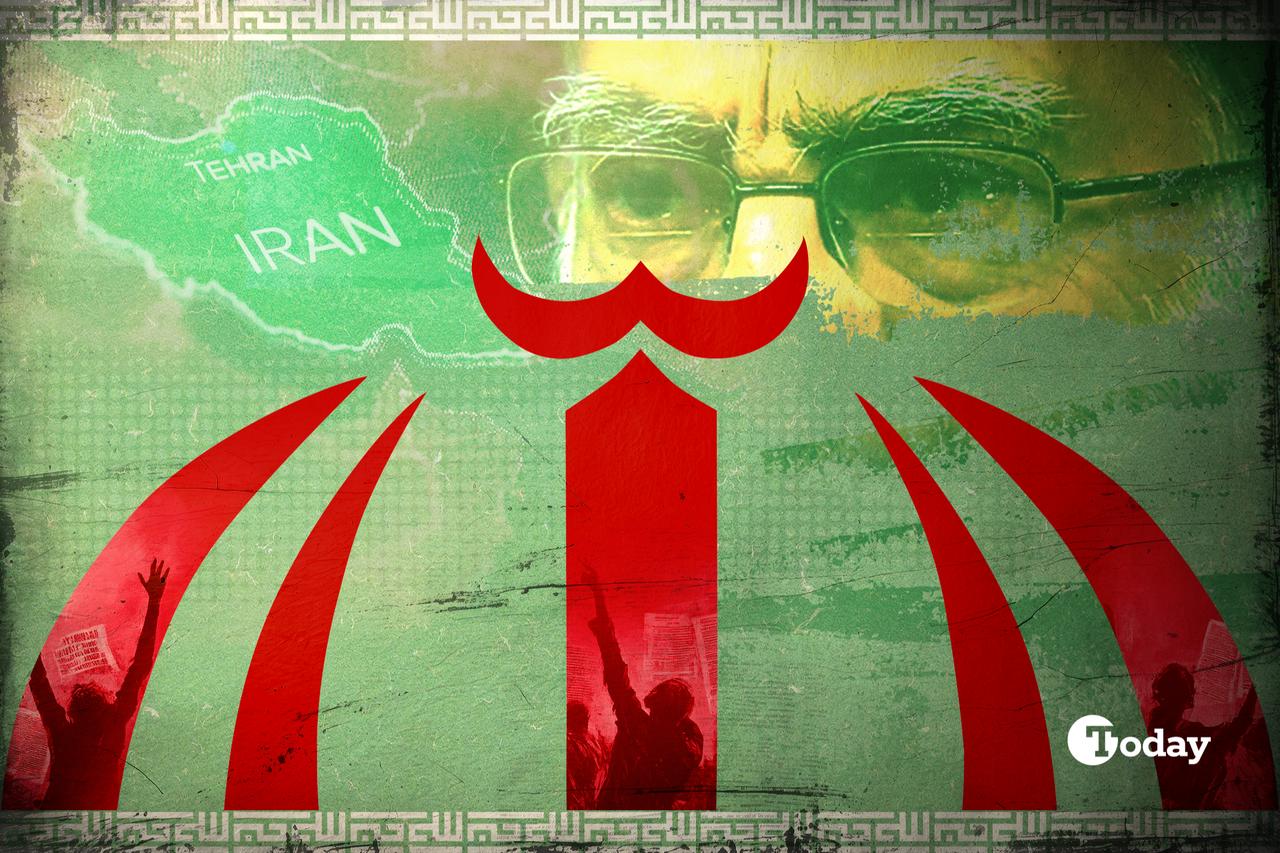


A growing set of witness accounts, rights group tallies, and international reporting has renewed attention on allegations of lethal force, mass arrests, and intimidation during Iran’s latest protest wave that began on Dec. 28, 2025, after a steep fall in the rial and worsening cost of living pressures.
Multiple reports describe hospitals receiving large numbers of gunshot casualties, patients and families avoiding formal care out of fear, and a widening crackdown that now appears to include doctors and volunteer responders accused of treating injured protesters.
Iranian officials have offered different death toll figures and have framed unrest as security-related. On the other hand, senior judicial figures have publicly urged authorities not to show leniency toward those accused of disrupting public order.
The pressure seems to also extend beyond the streets into emergency rooms, clinics, and improvised treatment spaces, making medical neutrality itself a point of risk.
Several Iranian doctors who later left the country described chaotic conditions during the peak nights of Jan. 8 and Jan. 9, when large numbers of wounded patients arrived in a short time window.
The accounts describe injuries resembling wartime trauma and heavy triage pressure, with wounds concentrated on the head, face, abdomen, lower abdomen, and flanks. One doctor described a shift in injury patterns after midnight on Jan. 8, stating that live ammunition appeared to be in use from that point.
Reports have also described a parallel trend that complicates any accounting of casualties. Some injured protesters reportedly avoided hospitals because they feared arrest, turning instead to clandestine treatment in private homes or to remote medical advice.
One account described an 18-year-old protester brought to a hospital under a false name and then taken home, where a doctor operated outside formal hospital systems, as reported by FRANCE24. Another doctor reported receiving hundreds of calls in two days to provide guidance without direct intervention.
According to testimonies reported by Le Monde, some doctors intentionally recorded alternative medical diagnoses, such as listing procedures as liver operations, in patient files to shield injured protesters from identification, while intelligence agents were said to gather radiology scans revealing gunshot wounds.
Some testimonies also describe hospitals themselves becoming spaces of risk. In a voice note heard by FRANCE 24, a protester who accompanied an injured friend to the hospital said, “The hospital surveillance cameras filmed us. Since then, I shake whenever I step outside. I fear that facial recognition software identified me. I haven't gone home. I'm afraid, and I don’t know what to do.”
He said doctors told him his friend could not be saved and urged him to leave quickly. “We took him to the hospital, where they told us it was already over for him and that we should take him away before (the security forces) came to collect his body,” he said.
Other reporting suggests that this climate of surveillance led some clinicians to take steps to shield patients from identification, including entering alternative diagnoses in medical files.
Security forces were also reported to have directly targeted hospitals earlier in the unrest. On Jan. 3, before the peak of the protests, forces entered Khomeini Hospital in Ilam in western Iran, fired tear gas inside the building, and arrested protesters from their hospital beds, triggering clashes outside.
One strand of reporting focuses on arrests of doctors and healthcare volunteers who allegedly treated injured protesters, with rights groups describing this as retaliation against medical workers who refused to abandon the wounded.
The Guardian reported that at least nine doctors and healthcare volunteers were arrested over the past week, and it describes raids on makeshift medical shelters and on the homes of doctors and volunteers who provided care. It also states that information about the whereabouts and condition of some detainees remains unclear.
The same reporting identifies Iranian surgeon Alireza Golchini, 52, from Qazvin, as a central case.
It states that a Norway-based rights group reported he was charged with “moharebeh” (waging war against God), which can carry the death penalty, and that a relative described a violent arrest at his home on Jan. 10 in front of his family. The reporting says Iranian authorities have not publicly commented on his detention or confirmed charges.
The reporting also notes international reactions. It states that the US State Department publicly called for Golchini’s release and demanded the release of other detained doctors, while also warning of consequences if executions take place.
Casualty estimates remain sharply contested.
According to HRANA’s aggregated data published on Jan. 28, 6,373 fatalities have been confirmed since the protests began. The group reports that 5,993 were protesters, 113 were children, 214 were government-affiliated forces, and 53 were non-protesters or civilians. It also lists 17,091 deaths under review, cases that remain unverified under current reporting restrictions.
Testimonies also reflect the human cost behind these figures. A 29-year-old woman in Tehran told the BBC, “We all know someone who was killed in the protests.”
Parisa, a Tehran resident interviewed by the BBC, said she knew at least 13 people killed since protests erupted on Dec. 28. She described taking part in a peaceful demonstration in northern Tehran before the escalation.
“No one was violent and no one clashed with the security forces. But on Friday night, they still opened fire on the crowd,” she said, adding that “the smell of gunpowder and bullets filled the neighbourhoods.”
Other accounts describe families avoiding hospitals out of fear of arrest. One woman said a wounded friend refused formal medical treatment and later died at home.
Zahra, an Iranian citizen who now lives abroad, shared her emotional turmoil following the internet blackout on Jan. 8, following a government crackdown on protesters.
“To put it simply, ‘shocking’ may be the only word that fits, or perhaps eyes frozen in disbelief. After the complete internet shutdown in Iran, we were confronted with images that remain impossible to fully comprehend, fragments sent with great difficulty through Starlink. Bodies. Wounded young people. Families searching for the missing.
Communication was cut, and we knew what that meant. We knew our country was about to smell of blood. The blood of human beings who wanted only one right: freedom.
This is my personal observation from behind the border that separates me from my family and loved ones, in a country far from my homeland.
It is impossible to define a single starting point for this tragedy. Its roots stretch back decades. After the 1979 revolution, womanhood was stripped of dignity and identity. Compulsory hijab was imposed. Women who did not comply were equated with immorality. That was the first shock.
Later came the Green Movement in 2009. I remember the video of Neda Agha-Soltan bleeding in the street. Her killer was never held accountable. Then Bloody Aban in 2020. A week of silence, the sound of bullets, and thousands of families mourning. Then Flight 752, shot down, followed by denial and lies.
Then the Mahsa protests in 2022. Again the answer was violence, executions, and prisons filled with those who demanded dignity. The world heard our voices, but nothing changed.
In recent weeks, as economic pressure deepened, protests began again. From the first moments, we knew the cycle would repeat. People walked toward the streets knowing what it could cost them. Friends called me before the internet cut again. They said goodbye in case they don't return. They asked me to celebrate the victory if I can return to a free Iran.
We saw only a few videos. After that, everything disappeared into darkness.
My people were singing freedom under bullets while I sat in silence in a peaceful Italian town, my heart torn apart. I left Iran, but the regime never left me. Four days without news. Only Starlink videos connected us. I searched every face, every street, for my friends, for my home.
Then the first video of the dead.
Only fragments of video arrived. Bodies stacked in trucks. Families screaming, searching among corpses. Teenagers 17, 18 years old. Bullets to heads and chests.
Our homeland became ‘sensitive content.’ On the fifth day, I heard my mother’s voice for 15 seconds: ‘You cannot imagine what I saw. But I am alive.’
They charge families money to retrieve bodies. Otherwise, the bodies go to mass graves. Families are forced to sign false confessions or pay thousands of dollars.
So much remains hidden. So much must still be told.”


 Set as preferred source
 Set as preferred source


 1 min read