Newsletters


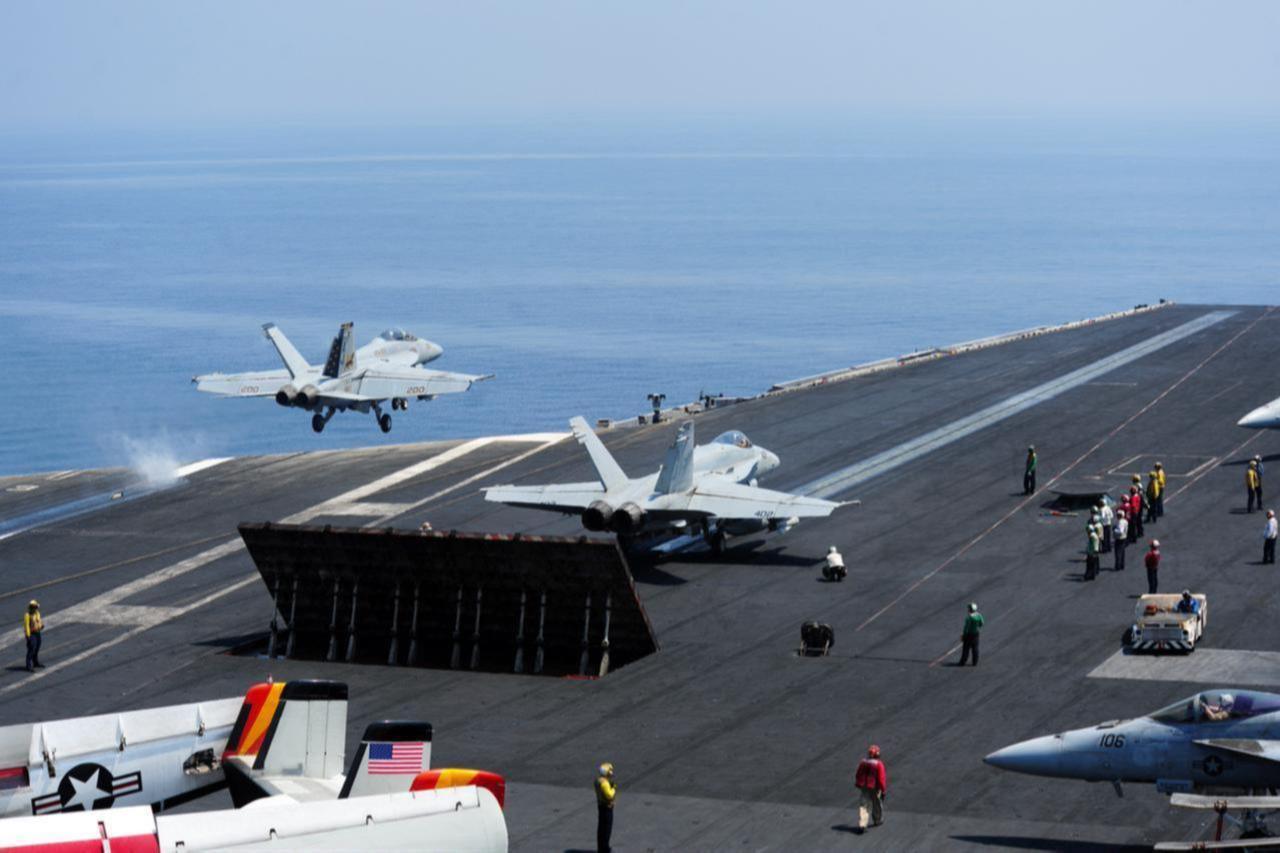


The ongoing U.S.-Israel military campaign against Iran has marked the first operational use of several advanced and previously undisclosed weapons systems.
From stealth drones to next-generation ballistic missiles and modified cruise missiles, the conflict has effectively become a testing ground for emerging military technologies.
These systems, some of which have been under development for years, are now being fielded in real combat conditions.
The Low-Cost Uncrewed Combat Attack System (LUCAS) entered combat for the first time after U.S.-Israel strikes on Iran began last week.
The drone, designed as a low-cost, expendable platform, was deployed as part of the American component of the campaign.
United States Central Command confirmed the system’s combat debut, describing it as a "one-way attack drone."
In a public statement on X, CENTCOM said its Task Force Scorpion Strike was using such drones in combat during Operation Epic Fury, marking the system's first operational use.
LUCAS appears visually similar to Iran’s Shahed-series drones, suggesting that the U.S. may have adopted elements of the low-cost, high-volume model pioneered by Tehran.
The approach prioritizes affordability and saturation over expensive, reusable platforms.
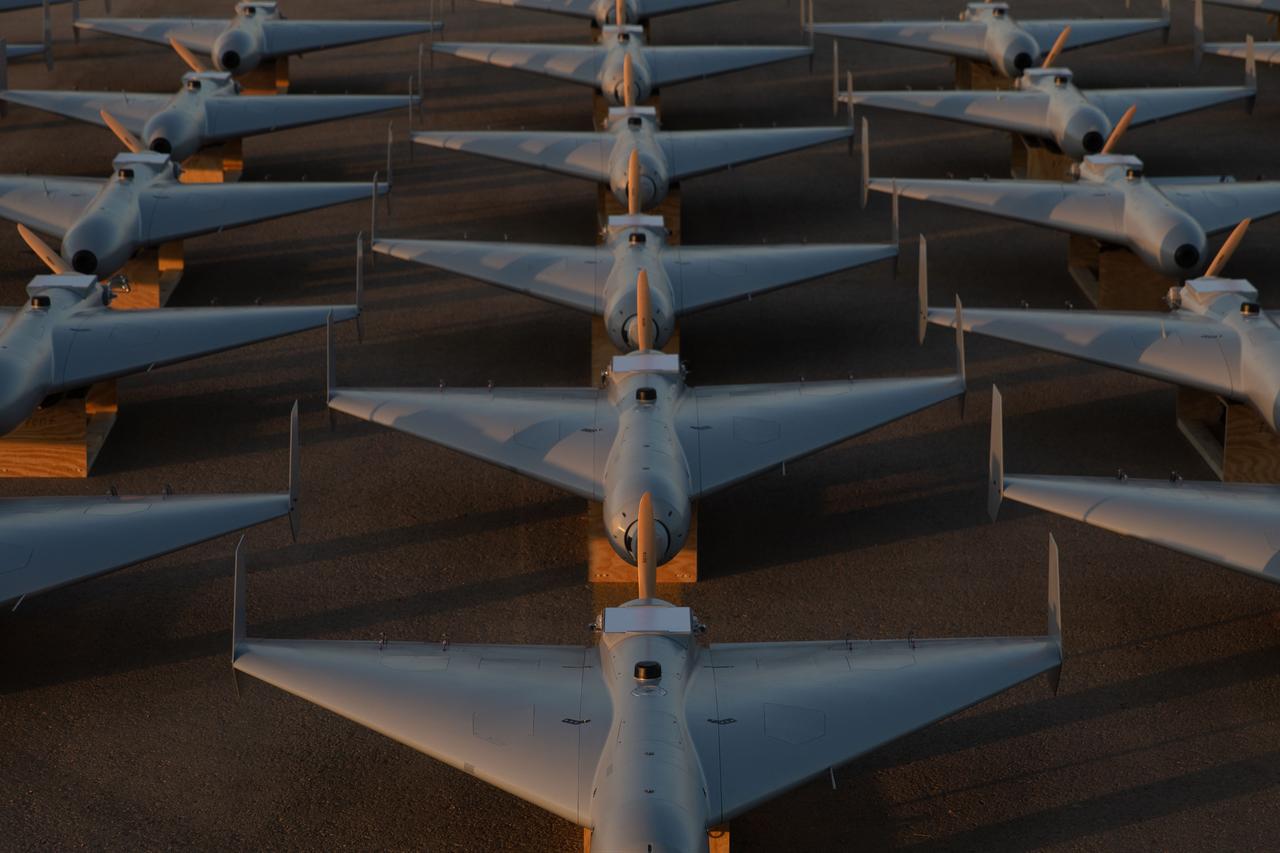

Earlier this week, footage circulating online from a remote area in Iraq shows what appears to be an intact delta-shaped drone resembling LUCAS.
In the video, two men are seen inspecting the drone, which had apparently landed without detonating.
While the footage has not been independently verified, if confirmed, it would indicate a mission failure, an unusual outcome for a system specifically designed as a “one-way” weapon.
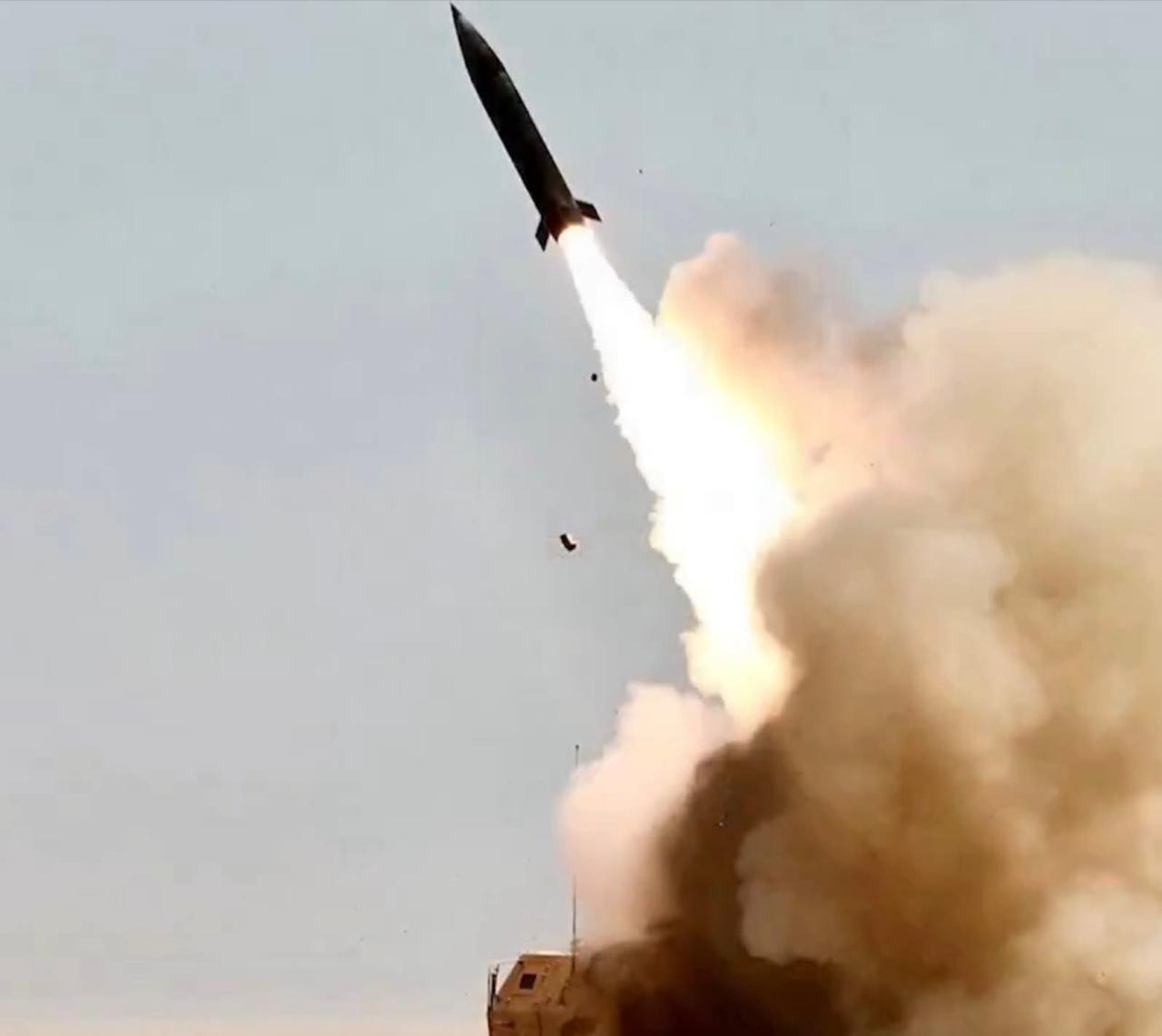
The U.S. military has also employed the new Precision Strike Missile, or PrSM, in what appears to be its first-ever combat use.
The short-range ballistic missile only began entering service roughly two years ago and was designed to replace the older Army Tactical Missile System (ATACMS).
PrSM offers a significantly greater range than ATACMS, allowing U.S. forces to strike targets hundreds of miles farther away. This expanded reach dramatically increases the number of Iranian targets that can now be held at risk without repositioning launch systems.
United States Central Command released imagery from the first 24 hours of Operation Epic Fury showing a PrSM launch from an M142 HIMARS platform.
The deployment underscores the Army’s growing emphasis on long-range precision fires as a central component of modern warfare.
By operationalizing PrSM in this theater, Washington is signaling confidence in the system’s reliability and deterrent value. The missile’s debut also demonstrates how evolving ground-based strike capabilities can complement air and naval operations in high-intensity conflicts for U.S. global operations.
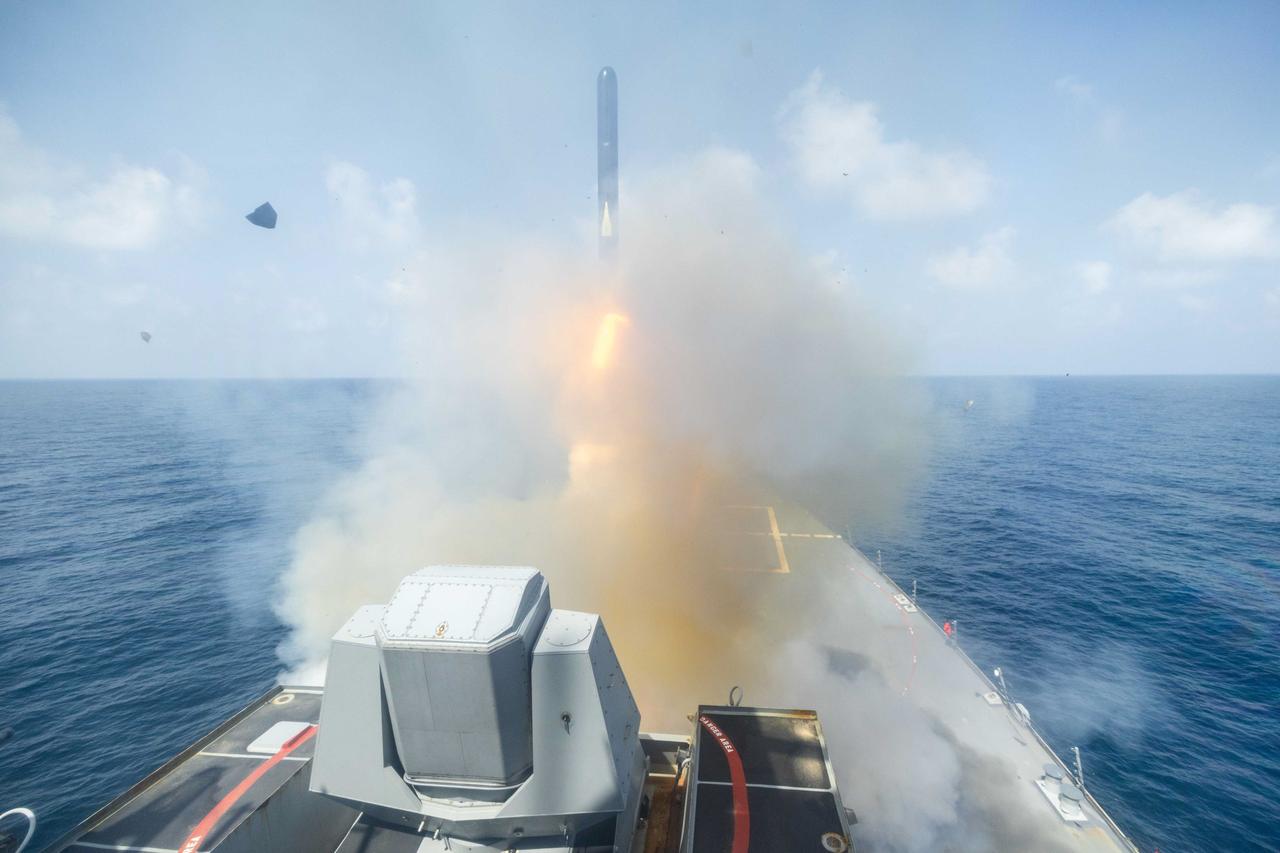
Naval operations have featured another potentially significant development: the appearance of a previously unseen black-painted Tomahawk cruise missile.
Images released by the U.S. Navy from Operation Epic Fury show launches of RGM-109 Tomahawk Land-Attack Missiles (TLAMs) from Arleigh Burke-class destroyer vessels.
One image in particular shows a glossy black Tomahawk, distinct from the standard haze-gray paint scheme traditionally used by the U.S. Navy. Analysts believe this could be the Maritime Strike Tomahawk (MST), also known as a "Black Tomahawk," configured for long-range anti-ship missions.
If confirmed, the missile may share characteristics or coatings with other U.S. Navy anti-ship weapons, potentially optimized for survivability and maritime targeting.
Its appearance would mark the first known operational sighting of this variant in combat.
Yet alongside the technological advances lies a logistical concern. Tomahawk missiles are not unlimited in supply.
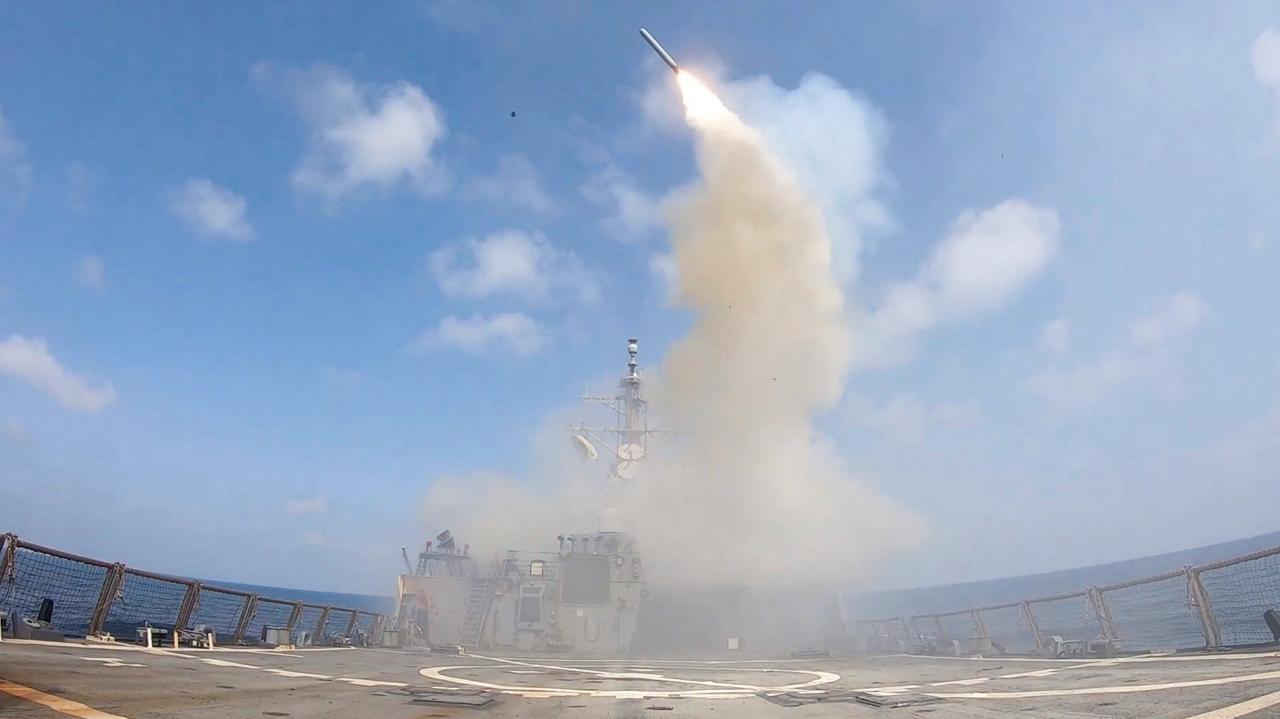
Significant numbers were expended in previous operations targeting Iran-linked forces, the Houthis, and other theaters.
In a potential conflict with China, TLAMs would play a critical role in long-range maritime and land-attack operations. The current rate of use raises questions about replenishment capacity and stockpile sustainability.
While the deployment of new systems highlights technological superiority, it also underscores the enduring importance of industrial capacity and munitions management in modern great-power competition.
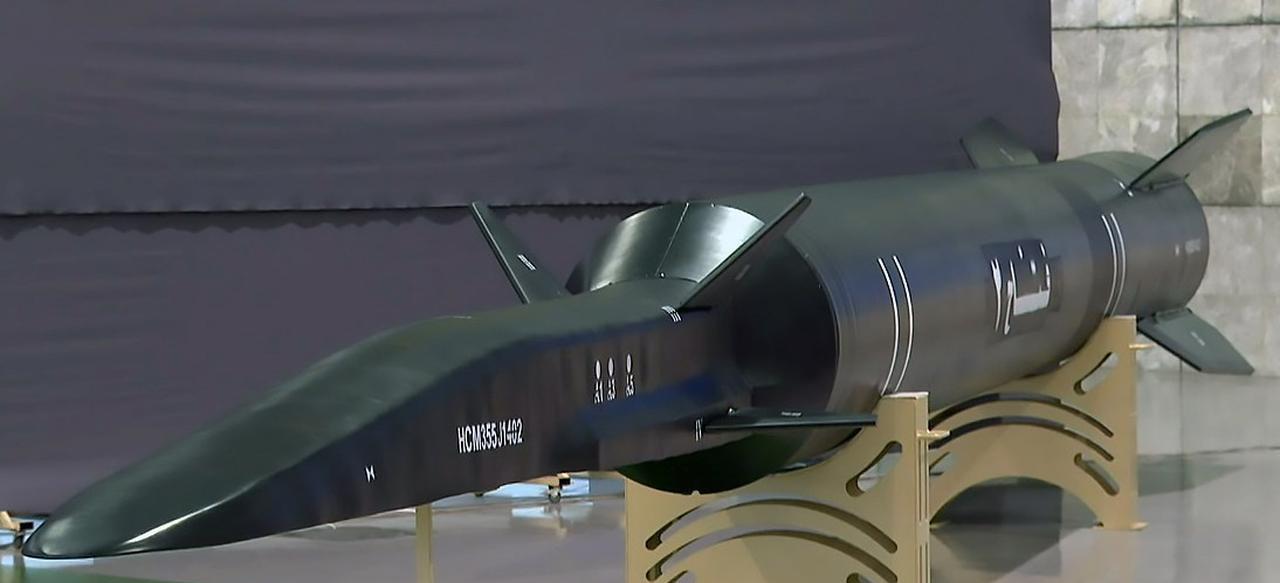
Iran had new weapons to try, as well. Reports have shown that Tehran used its Fattah-2 hypersonic missile in combat for the first time.
An Iranian military source told the outlet Al Ghad that the advanced system was deployed during the latest wave of retaliatory strikes following coordinated U.S.-Israel attacks on key Iranian facilities.
A video circulating online, shared by Chinese state broadcaster CGTN, claims to show the launch of the Fattah-2 missile.
The footage has not been independently verified, but its release coincided with Tehran’s public messaging that it had introduced a new phase of escalation in response to the US-Israeli strikes.
Iran first unveiled the Fattah-2 in November 2023 as an upgraded version of the earlier Fattah-1. The missile was presented by the Islamic Revolutionary Guard Corps as a next-generation hypersonic weapon equipped with a hypersonic glide vehicle (HGV), a capability that significantly complicates interception efforts.
According to Iranian officials, the Fattah-2 can reach speeds of up to Mach 15 and has an estimated range of approximately 1,500 kilometers (932.0 miles).
Unlike conventional ballistic missiles that follow a predictable arc, hypersonic glide vehicles can maneuver during flight, altering trajectory and altitude to evade missile defense systems.
The missile is reportedly capable of carrying a 200-kilogram (440-pound) explosive payload and is designed to strike both land-based and maritime targets.


 Set as preferred source
 Set as preferred source


 3 min read