Newsletters


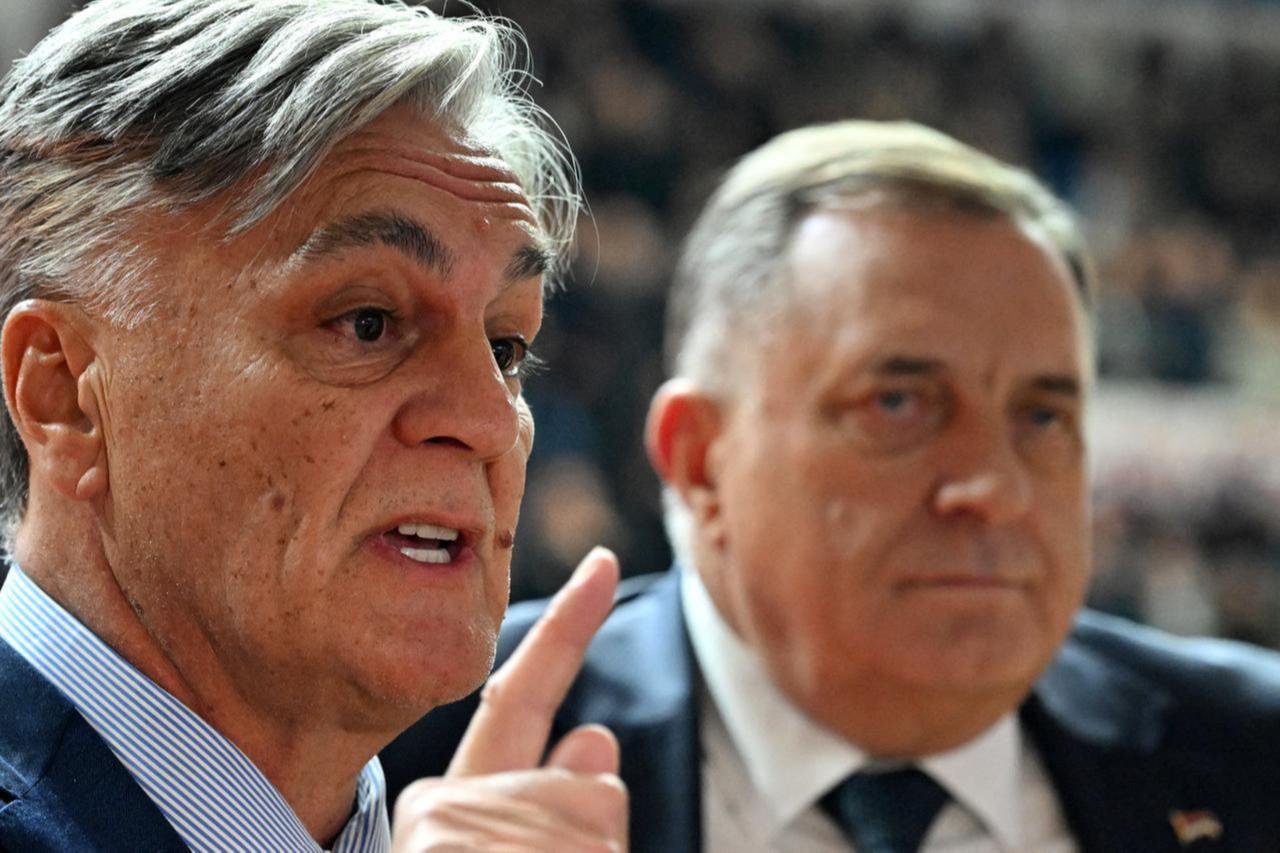


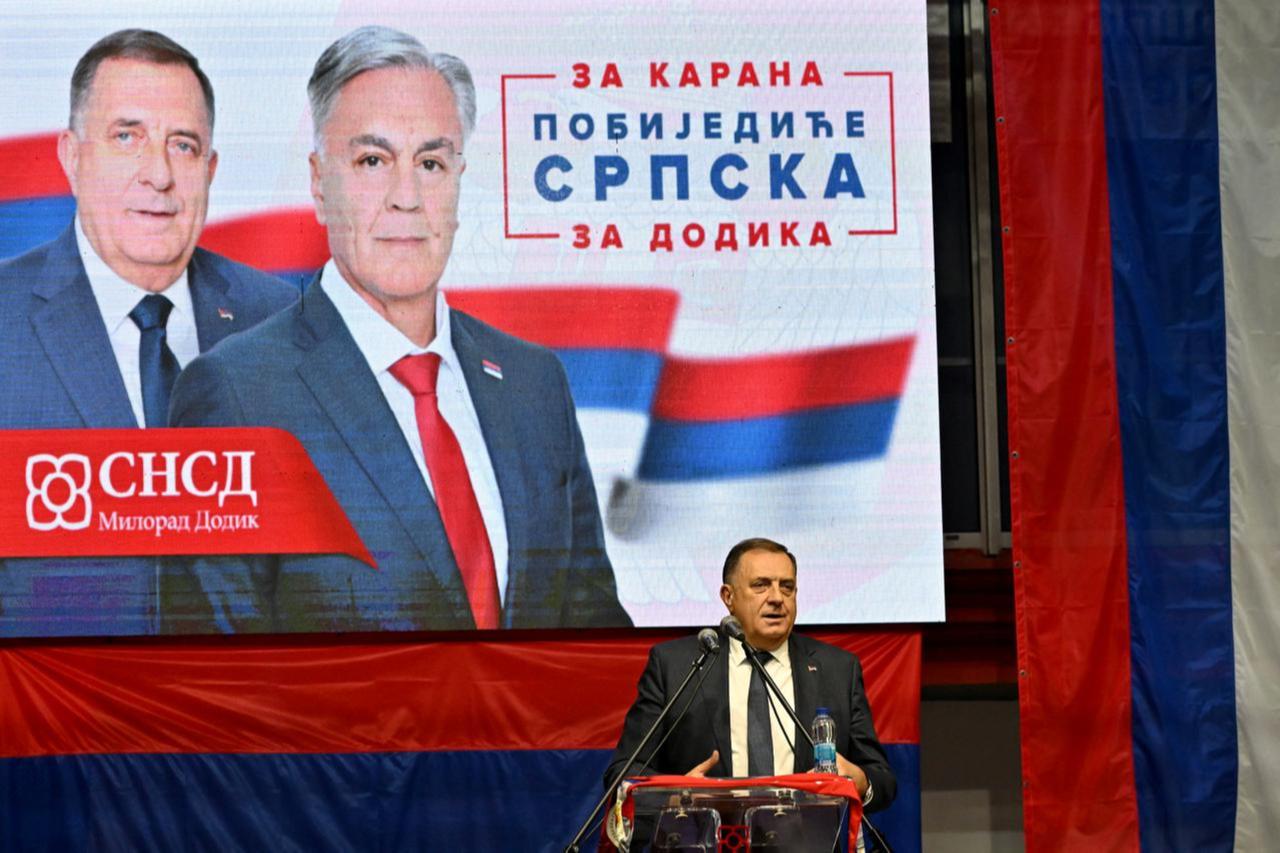
Bosnian Serbs will hold a partial repeat election on Feb. 8 to replace their banned former president, Milorad Dodik, after authorities annulled results from November’s vote due to irregularities, Bosnia’s central electoral commission said Wednesday.
The repeat ballot will involve more than 80,000 registered voters at 136 polling stations, out of about 2,160 nationwide, the commission said. The vote could prove decisive in the contest between candidates backed by Dodik’s camp and opposition parties in the Bosnian Serb entity of Republika Srpska.
Following the Nov. 23 election, the commission declared a narrow victory for Sinisa Karan, the candidate supported by Dodik and the ruling coalition, who won 50.4% of the vote. His main challenger, Branko Blanusa, backed by several opposition parties, received 48.2%.
With fewer than 10,000 votes separating the two candidates, opposition parties alleged fraud and said irregularities were decisive. Dodik rejected the accusations. After a partial recount, the commission annulled results at 136 polling stations, citing irregularities. Analysts say the repeat vote could, in theory, allow Blanusa to prevail.
Most of the polling stations affected are located in the eastern town of Zvornik, as well as in Doboj and Laktasi in the north.
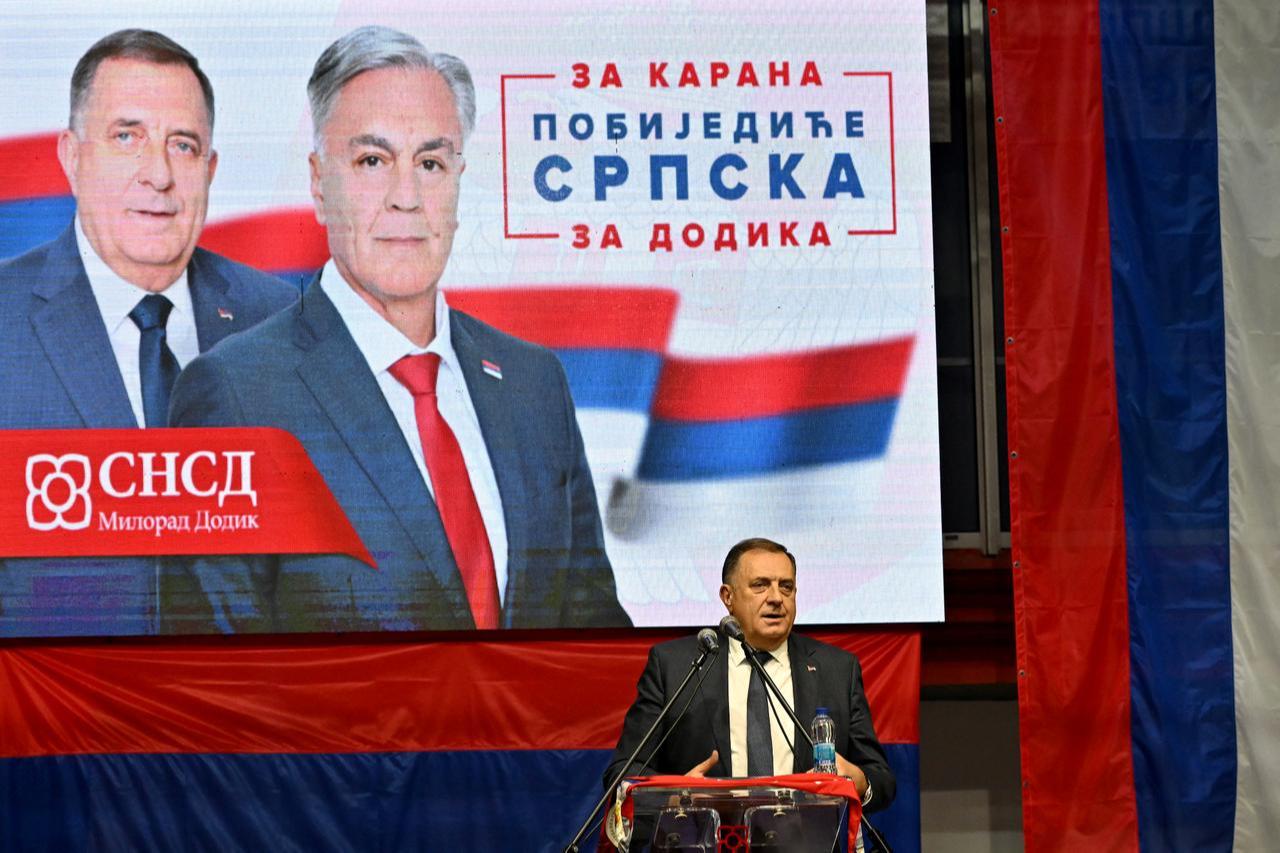

The November vote, marked by turnout of less than 36%, was held after Dodik, who led Republika Srpska for nearly two decades, was removed from office in August.
His removal followed a conviction for defying decisions by Christian Schmidt, the international High Representative overseeing the peace framework that ended Bosnia’s 1990s war. Dodik was sentenced in February 2025 by the Court of Bosnia and Herzegovina to one year in prison and a six-year ban from holding public office.
The prison sentence was later commuted to a fine.
An appeals court upheld the six-year political ban in August, leading to Dodik’s ouster as president of Republika Srpska. Initially, he rejected the verdict, triggering one of the most serious political crises in Bosnia and Herzegovina since the 1992-95 war.
The 66-year-old politician, known for repeated secessionist threats, later accepted the ruling and allowed the snap election to proceed.
The 1995 Dayton Peace Agreement ended the Bosnian war and established Bosnia and Herzegovina as a state composed of two entities: the Federation of Bosnia and Herzegovina and Republika Srpska. While the agreement halted the conflict, disputes over its interpretation and implementation continue to fuel political tensions, with weak central institutions linking the two largely autonomous entities.


 Set as preferred source
 Set as preferred source


 2 min read

 1 min read