Newsletters


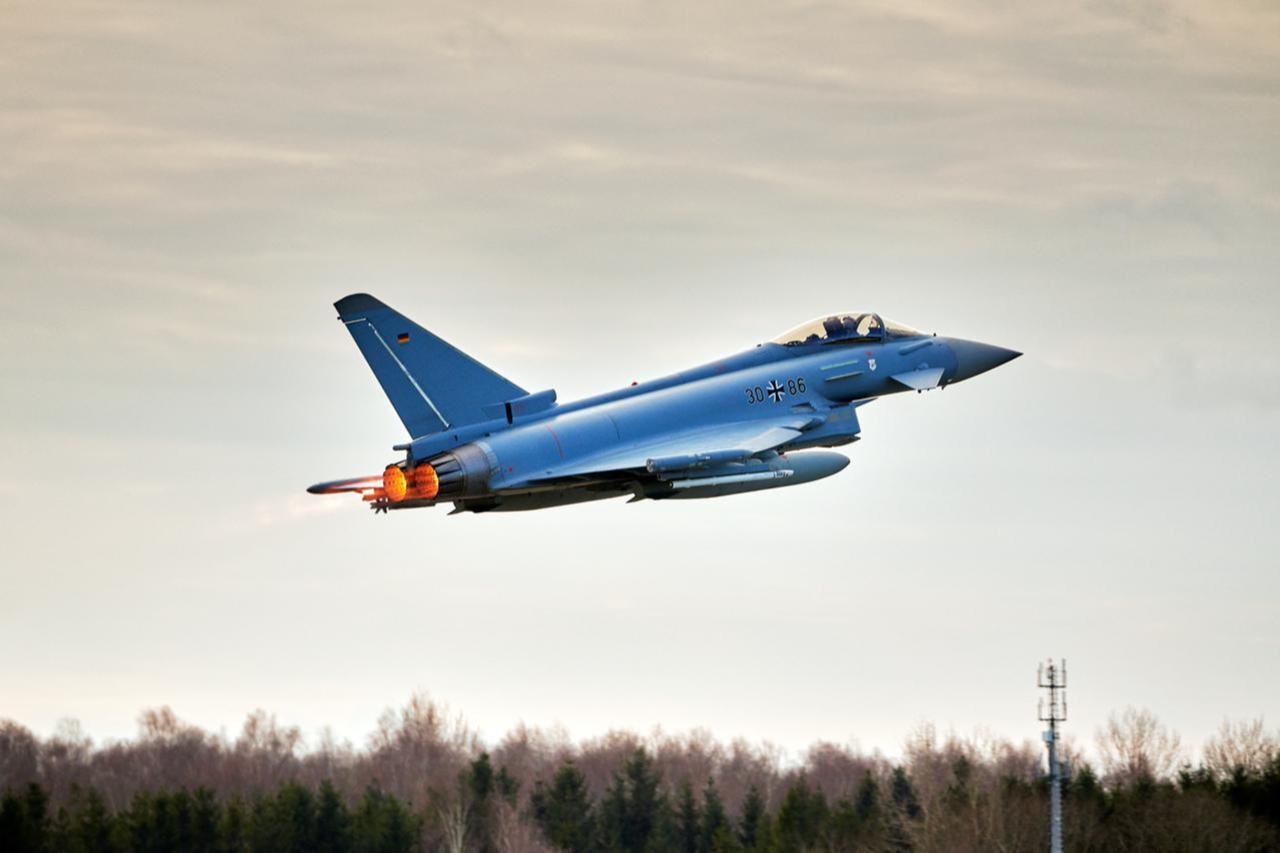


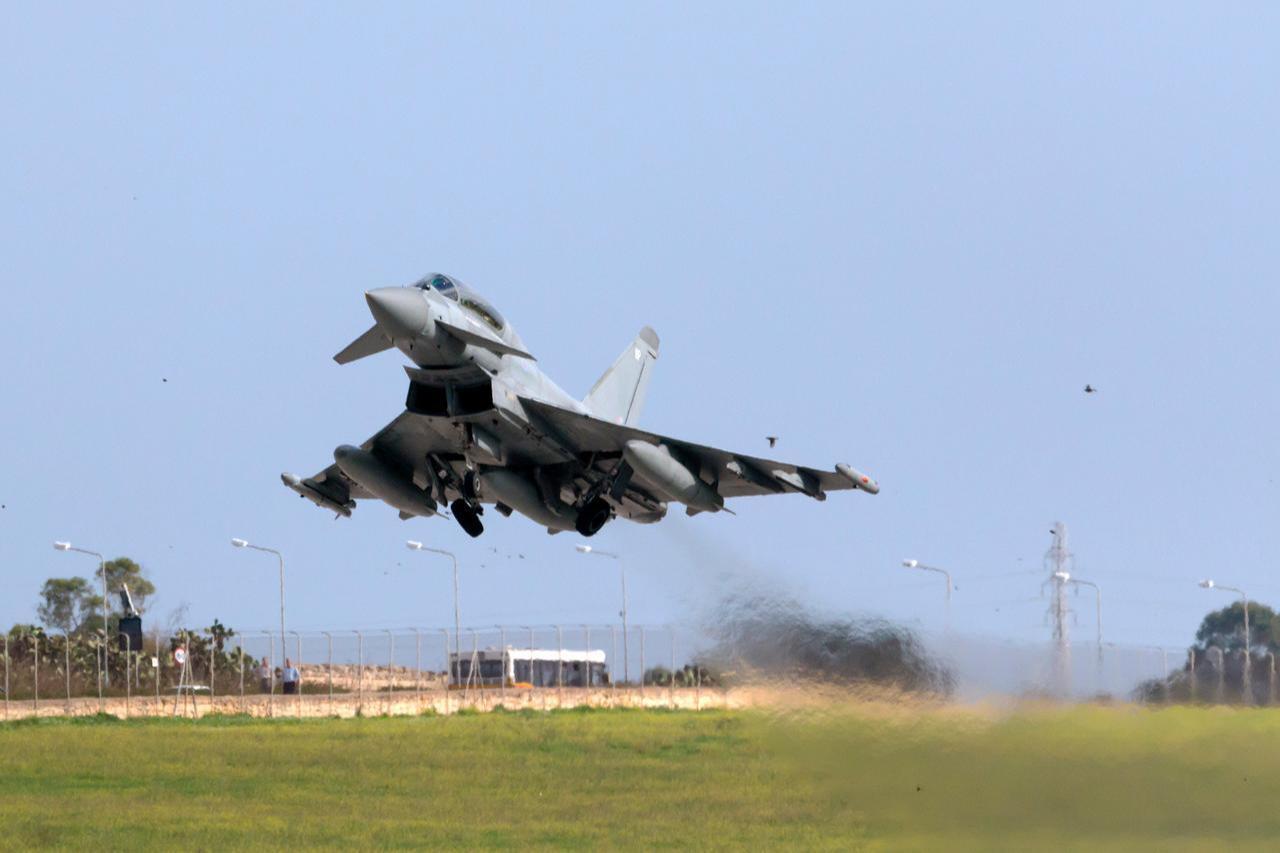
Prime Minister Keir Starmer announced Thursday that Britain is sending four additional Typhoon fighter jets to Qatar, stepping up the country's military posture in the Middle East as the widening regional war draws UK forces deeper into defensive operations, and draws criticism over the government's pace of response.
The jets will join an existing British squadron already stationed in the Gulf state. Starmer told reporters they would "strengthen our defensive operations in Qatar and across the region," a move that underscores the growing pressure on London to shore up its military presence as conflict spreads across the Middle East.
The announcement followed a visit by Defence Secretary John Healey to Greek Cyprus, where an Iranian-made drone struck a hangar at the Royal Air Force base at Akrotiri on Monday. Two additional drones detected the same day were intercepted and shot down by British warplanes. British officials said the strike caused minimal damage and no casualties, though service personnel's families have since been moved away from the base as a precaution.
Healey met with Greek Cypriot Defence Minister Vasilis Palmas during his visit, saying the two discussed how the UK was "further reinforcing our air defences to support our shared security."
The RAF Akrotiri base is one of Britain's most strategically significant overseas military installations. It has served as a launchpad for operations across the Middle East for decades, including during campaigns in Iraq and Syria.

Britain's Labour government has faced pointed criticism from Cypriot authorities over its handling of the aftermath. Greek Cyprus's High Commissioner to the UK, Kyriacos Kouros, said on Wednesday that Cypriots were "disappointed" at the level of information shared with residents following the drone strike.
"The people are disappointed, the people are scared, the people could expect more," Kouros told the BBC's Newsnight programme, a rebuke that highlights the diplomatic strain between London and Nicosia even as the two nations coordinate on defence.
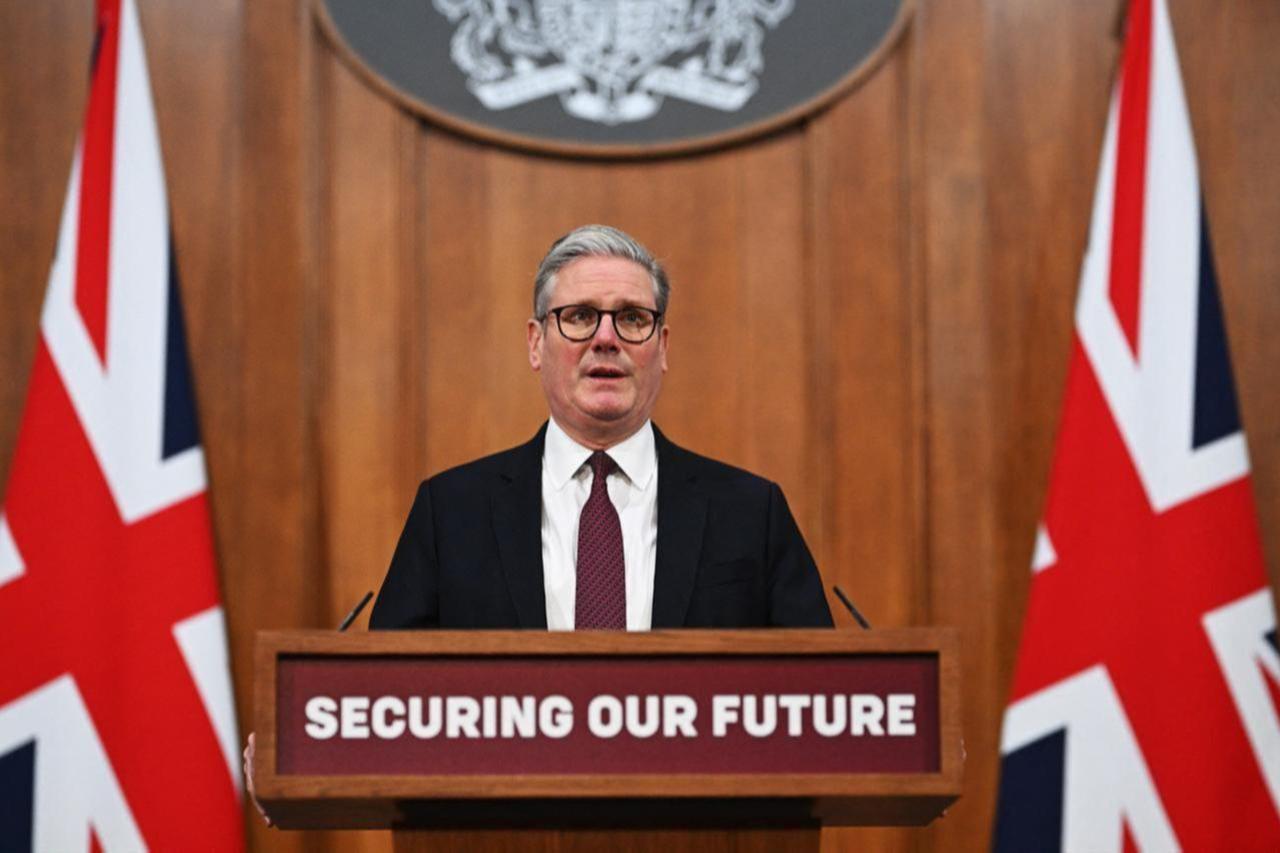
At a news conference Thursday, Starmer outlined a series of deployments aimed at reinforcing Britain's defensive capabilities. Two Wildcat helicopters armed with Martlet missiles capable of downing drones are expected to arrive in Cyprus on Friday.
HMS Dragon, a Type 45 air defence destroyer able to launch eight missiles in under 10 seconds and guide up to 16 simultaneously, has also been ordered to the region, though officials said it would not set sail until next week.
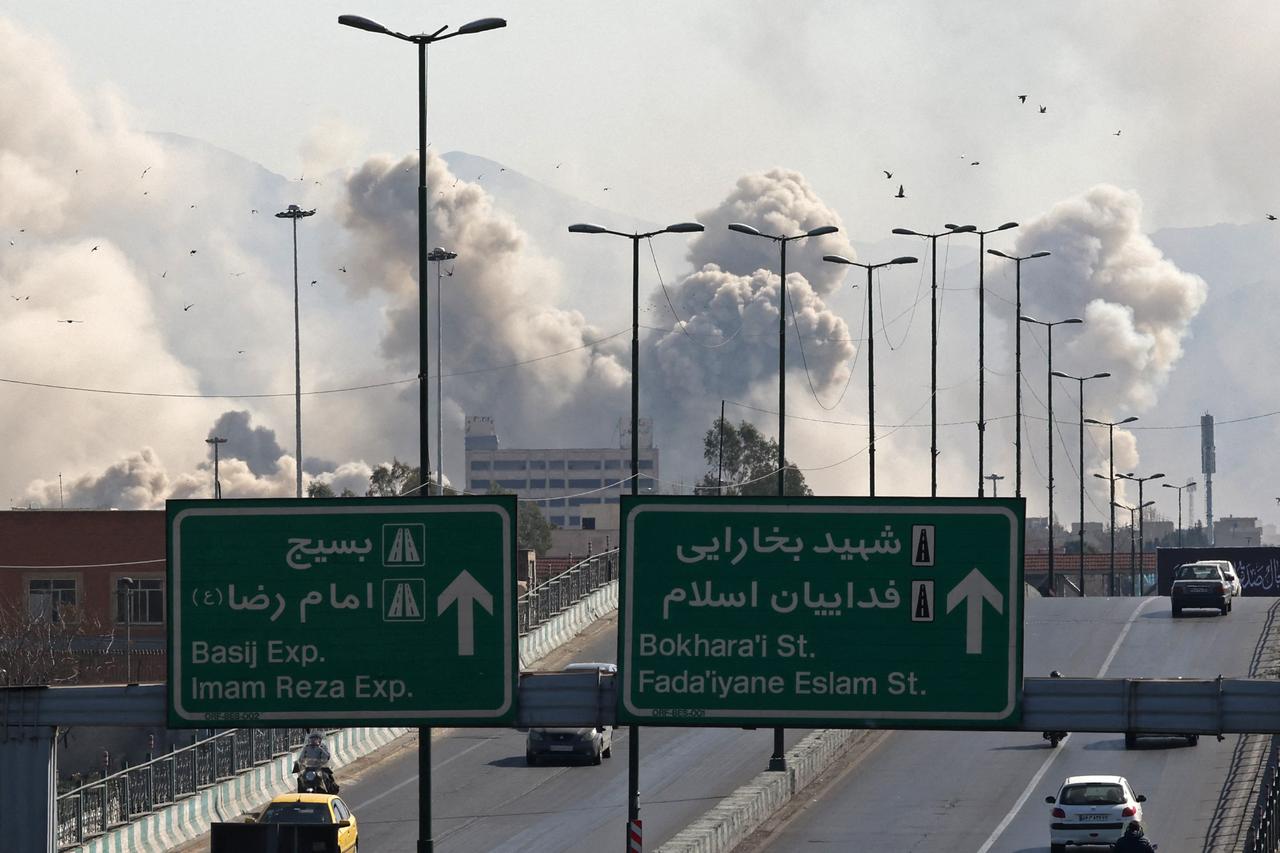
The opposition Conservative party has accused Starmer of being too slow to deploy resources. The prime minister pushed back, insisting that throughout January and February the government moved fighter jets, air defence missiles and advanced radar systems into the region. UK Typhoon and F-35B jets have been conducting operations in the Middle East since the war began on Saturday with US-Israeli strikes on Iran.
Starmer initially refused to take any role in the US-Israeli campaign against Iran but later agreed to a US request to use two British military bases for what he described as a "specific and limited defensive purpose." Those facilities are located in Gloucestershire in western England and at the joint UK-US base on Diego Garcia in the Indian Ocean.
The prime minister has been emphatic that the Akrotiri base in Cyprus is not being used by American bombers, a distinction that appears aimed at limiting the perception of British involvement in offensive operations while maintaining the country's commitments to regional security and its alliance with Washington.


 Set as preferred source
 Set as preferred source


 1 min read
 1 min read