

 Newsletters


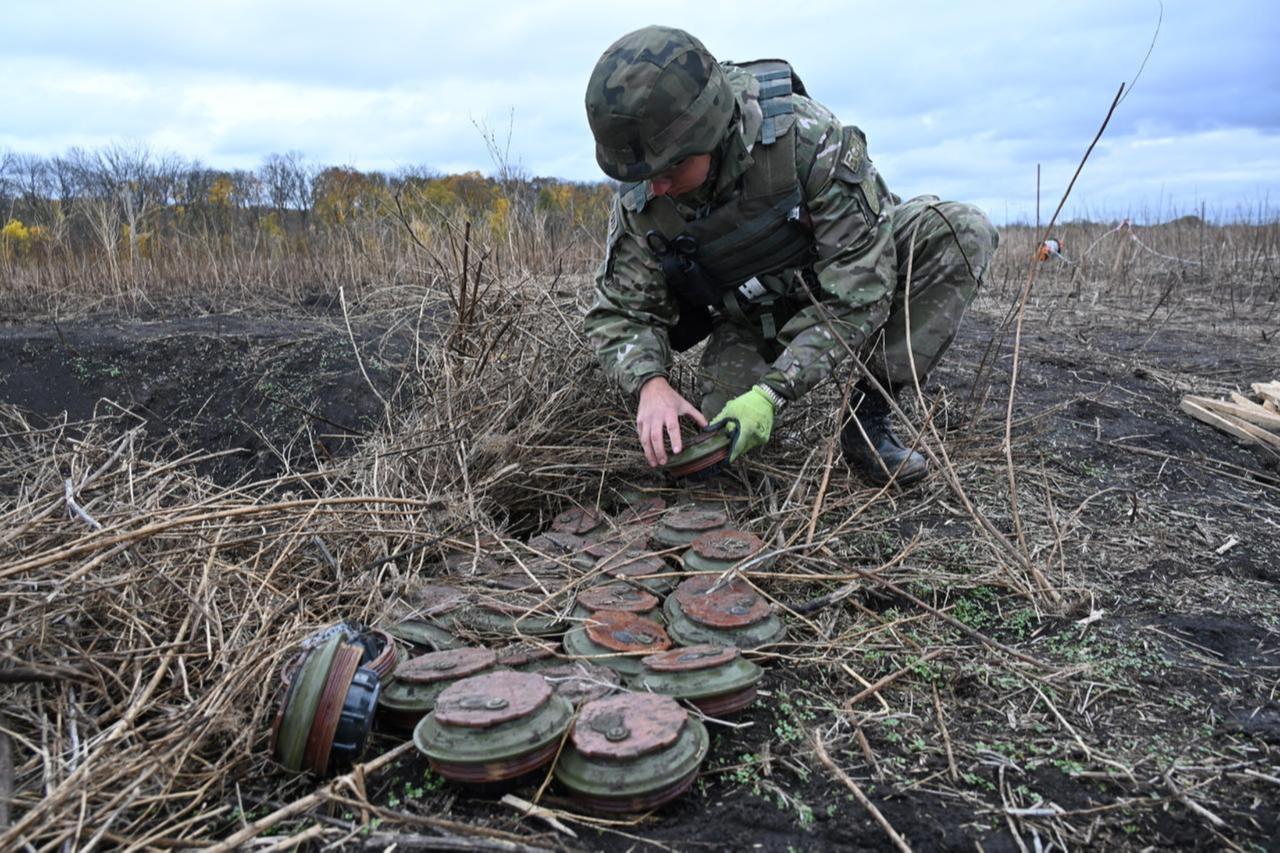


Bulgaria will no longer send weapons to Ukraine, Defense Minister Dimitar Stoyanov announced Tuesday, marking a significant shift in policy for a country that had been one of Kyiv's most substantial arms suppliers since Russia's full-scale invasion began in February 2022.
Stoyanov, speaking at a press conference at the Defense Ministry in Sofia, argued that the conflict had reached a stage where military solutions were no longer viable. "The war in Ukraine will not be resolved on the battlefield," he said, describing the fighting as a war of attrition in which continued weapons deliveries produced nothing beyond casualties.
The minister was direct in his assessment of Ukraine's military needs, saying the country already possessed sufficient arms. "Ukraine needs more people, not more weapons," Stoyanov said. "It has enough weapons, so we do not envisage providing more weapons to the Ukrainian army." He added that both sides needed to return to the negotiating table in pursuit of a just peace, one that he said must be defined by the parties directly involved in the conflict.
Bulgaria, a NATO member and European Union state, had delivered military equipment to Ukraine across more than a dozen assistance packages under previous governments, with annual UN arms transfer records documenting the scale of those shipments. The new government, led by Prime Minister Rumen Radev, took office in May 2026 and has signaled a markedly different posture on the war.
The announcement comes as a wider reorientation under Radev, who as president had consistently opposed military-technical aid to Ukraine and called for a diplomatic resolution to the conflict. Since taking office, Radev has spoken sparingly on the war. In May, following a meeting with German Chancellor Friedrich Merz, he addressed the topic only after being prompted by a journalist, saying that "this prolonged war is exhausting all parties involved."
Stoyanov, a retired Air Force colonel and co-chair of the Progressive Bulgaria party, acknowledged a potential complication for the EU's role as a mediator, noting it would be difficult for the bloc to serve in that capacity given its own material support for Ukraine throughout the war. He nonetheless described EU involvement as "extremely important" to any eventual peace process.


 Set as preferred source
 Set as preferred source


 1 min read
 1 min read



