Newsletters




Bulgaria's second-largest parliamentary group has declined the mandate to form a government, moving the country closer to another round of early elections following the resignation of Prime Minister Rosen Jelyazkov's cabinet.
The Continue the Change-Democratic Bulgaria (PP-DB) alliance returned the government formation mandate to President Rumen Radev without attempting to assemble a cabinet, citing the impossibility of forming a reformist majority in the 51st National Assembly.
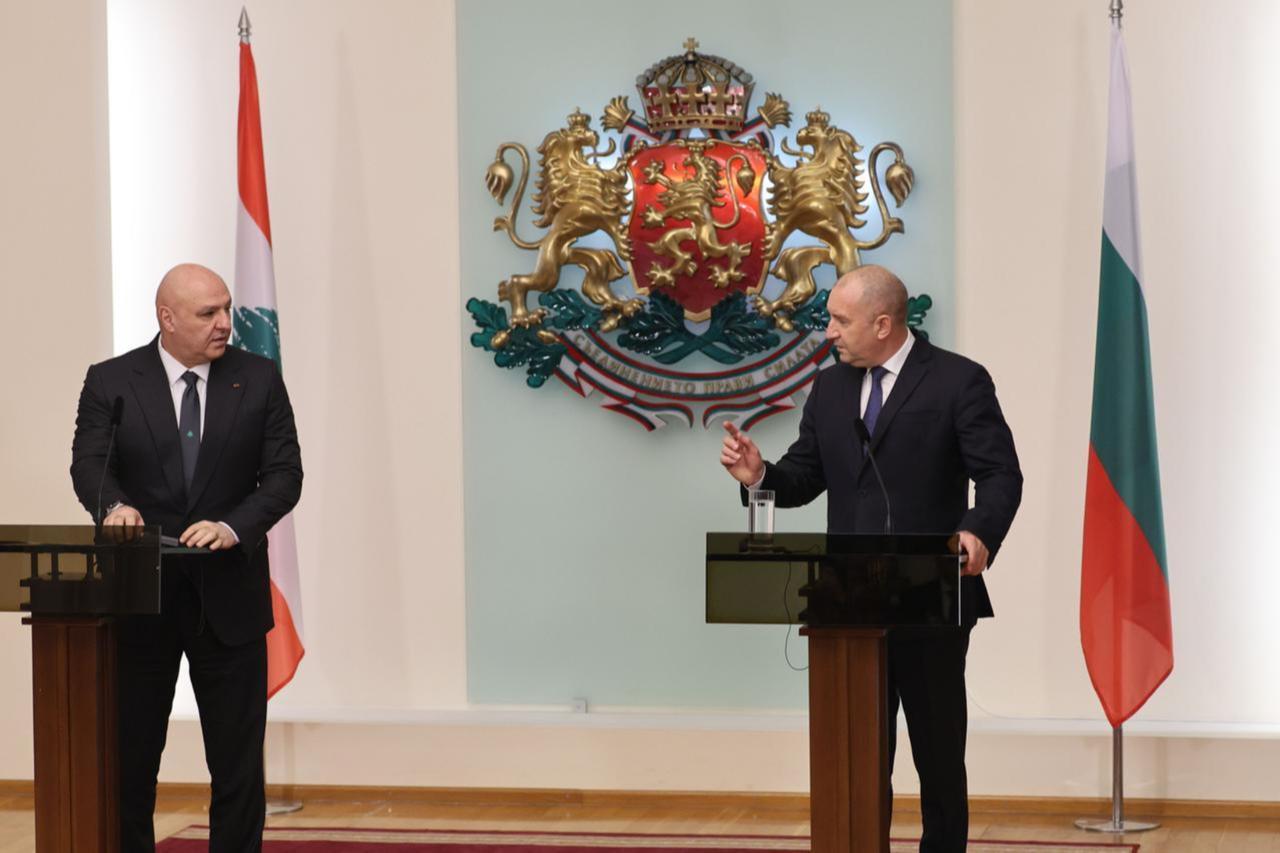
Nadejda Yordanova, co-chair of the PP-DB parliamentary group, formally returned the mandate during a ceremony at the presidential office. "We are here to fulfill the procedure," Yordanova said, adding that she was returning the authority immediately upon receiving it without fulfillment.
The refusal marks the second consecutive rejection of the mandate, following Jelyazkov's decision earlier this week to return his government formation task to Radev immediately after receiving it as the candidate of GERB-SDS, the largest parliamentary group.
President Radev emphasized the importance of election integrity over scheduling, calling on party leaders to demonstrate responsibility rather than simply propose dates. "What matters is not when elections will be held, but how they will be held," Radev said.
Under Bulgaria's constitutional framework, the president must offer the government formation mandate first to the two largest parties and coalitions in parliament, then to a third party represented in the assembly. If all three decline or fail to form a government, Radev will appoint a caretaker cabinet.
 1 min read

Recent changes to Bulgaria's constitution restrict the president's choices for caretaker leadership. Radev can only select a prime minister from a limited list of 10 individuals holding public office positions.
The nominated caretaker prime minister must present a draft cabinet and consult with parliamentary groups before Radev signs the decree. Once the caretaker government is appointed, the president will set a date for early parliamentary elections within two months.
Parliament will continue its work until the new government is sworn in.
The political impasse follows Jelyazkov's resignation on December 11, 2025, which triggered the current round of consultations with political leaders according to established constitutional procedures.


 Set as preferred source
 Set as preferred source



 1 min read