Newsletters


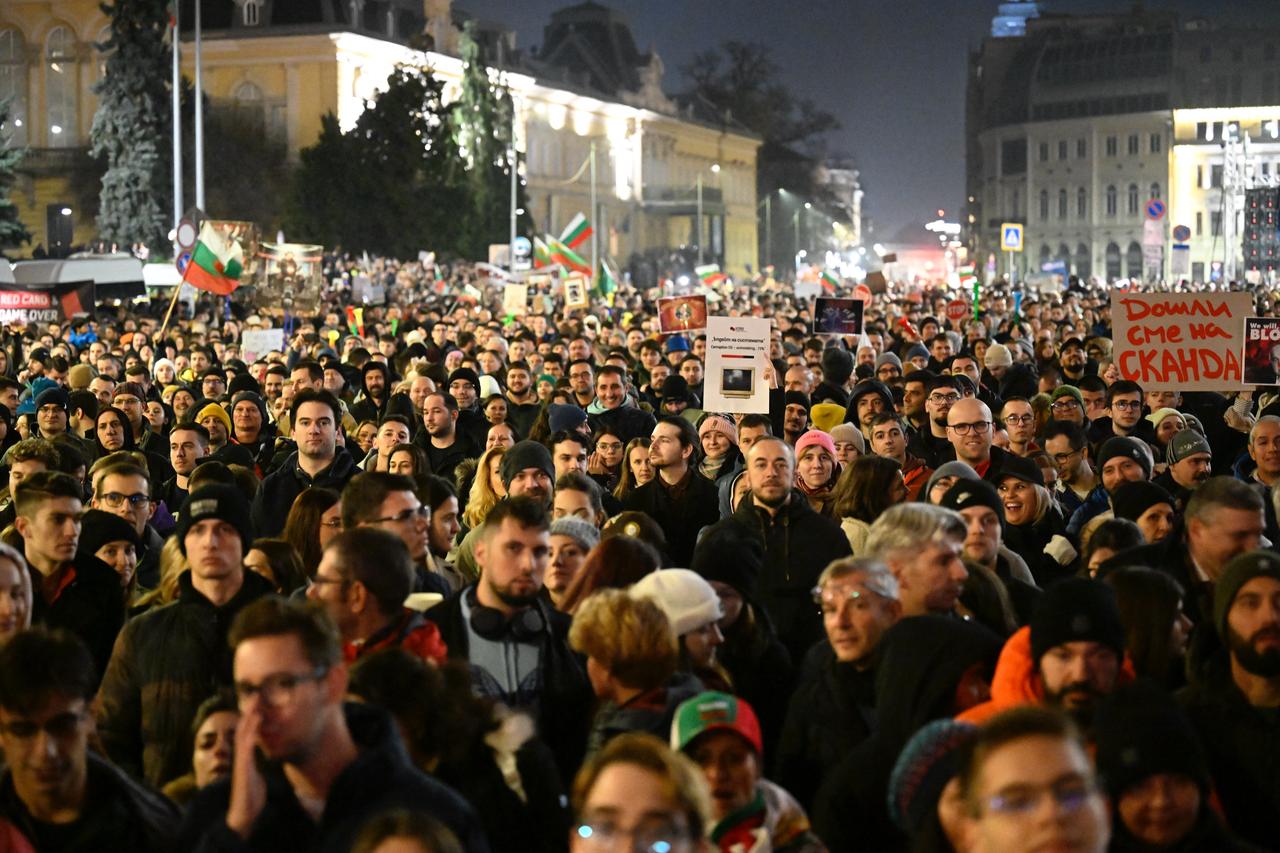


Bulgarian Prime Minister Rosen Zhelyazkov announced his Cabinet's resignation Thursday ahead of a parliamentary no-confidence vote, following weeks of mounting public unrest over controversial budget proposals and allegations of corruption, according to the Bulgarian News Agency.
Zhelyazkov announced during an emergency press conference in parliament, just before lawmakers were scheduled to vote on the motion submitted by the opposition.
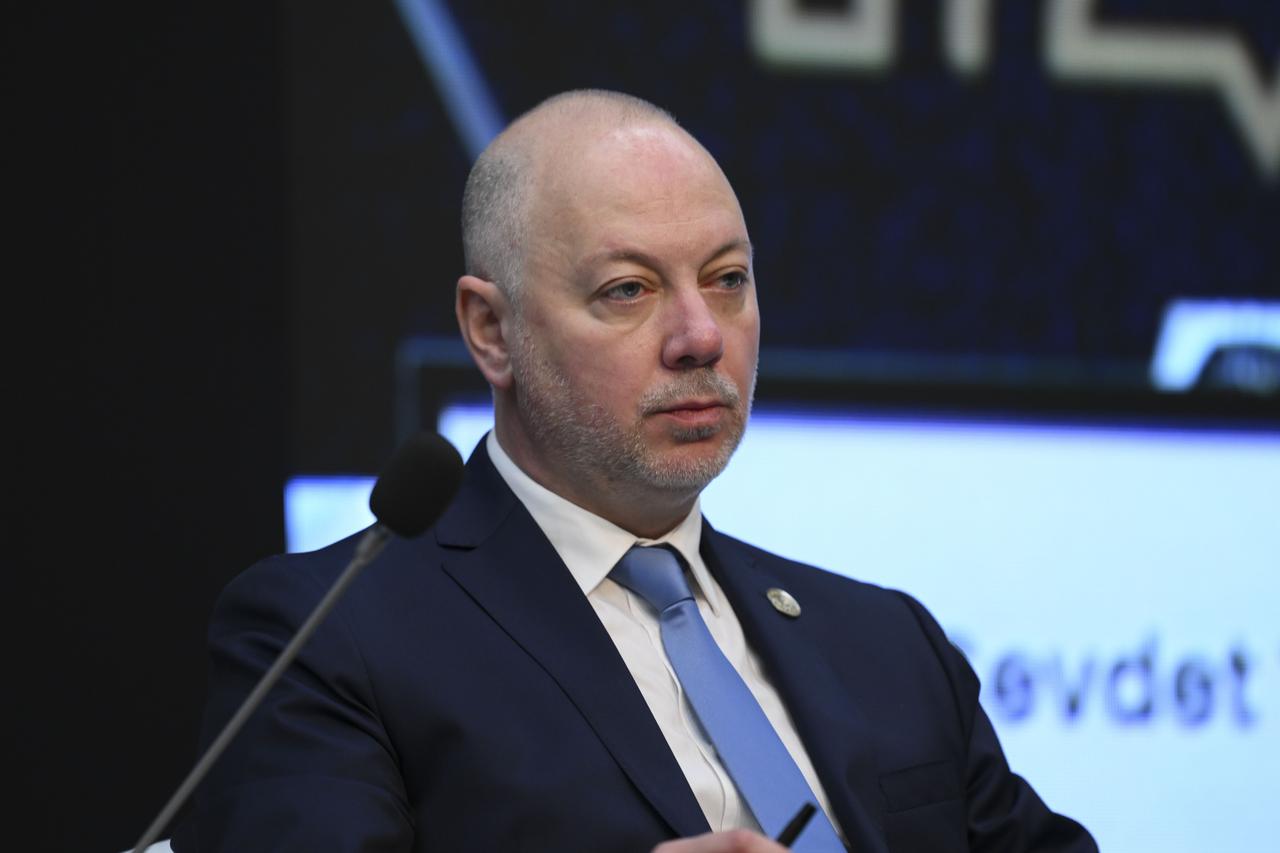

The resignation follows a wave of massive anti-government protests that swept the country in recent weeks.
The demonstrations initially erupted over the 2026 draft budget, which critics said masked widespread corruption.
Though the government withdrew the budget proposal last week, public anger persisted and quickly escalated into broader calls for political accountability.
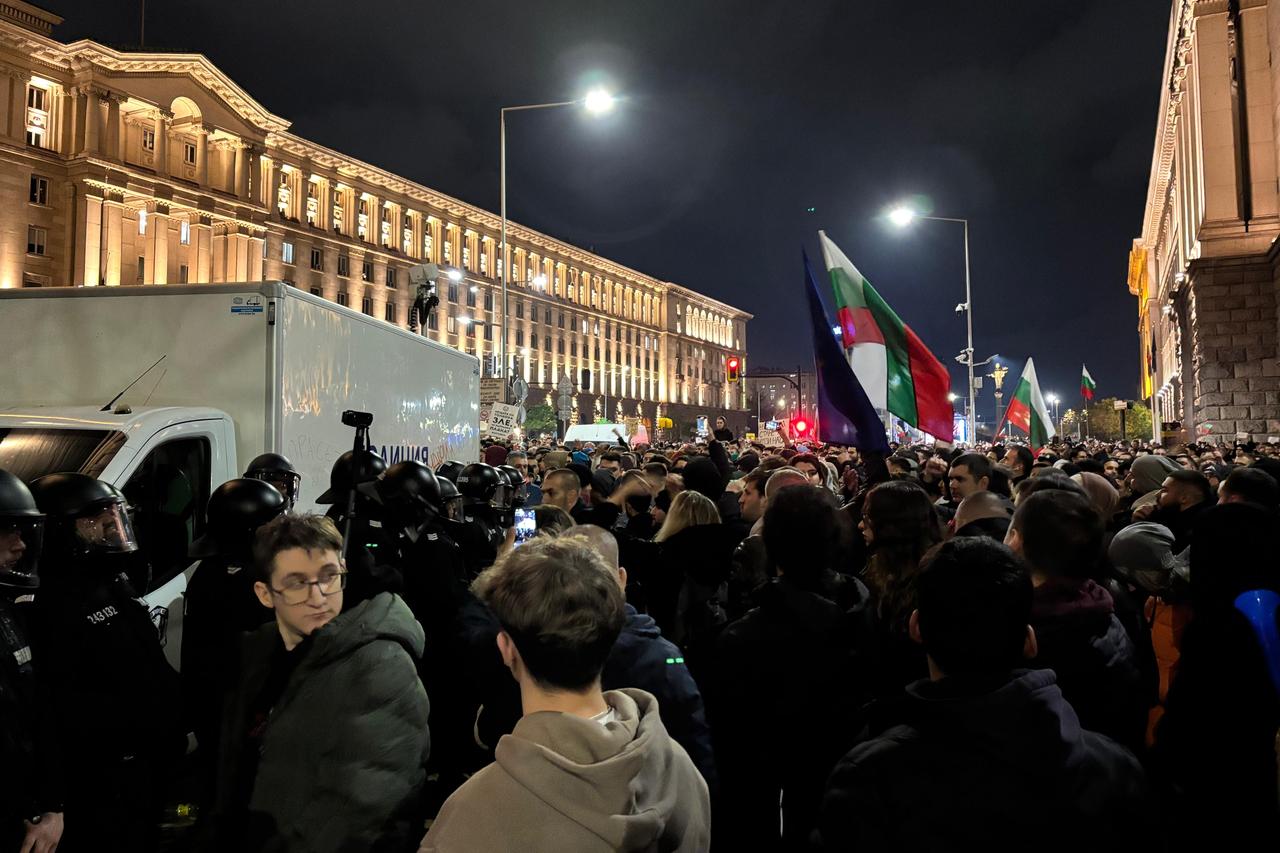
On Wednesday alone, tens of thousands gathered in cities across Bulgaria, including a major rally outside the parliament in Sofia. Protesters chanted “Resign!” and held signs reading “I’m fed up,” many featuring caricatures of political leaders.
“This government resigns today,” Zhelyazkov declared after a meeting with leaders of the ruling coalition. “People of all ages, ethnic backgrounds, and religions have spoken out in favor of resignation. That is why this civic energy must be supported and encouraged.”
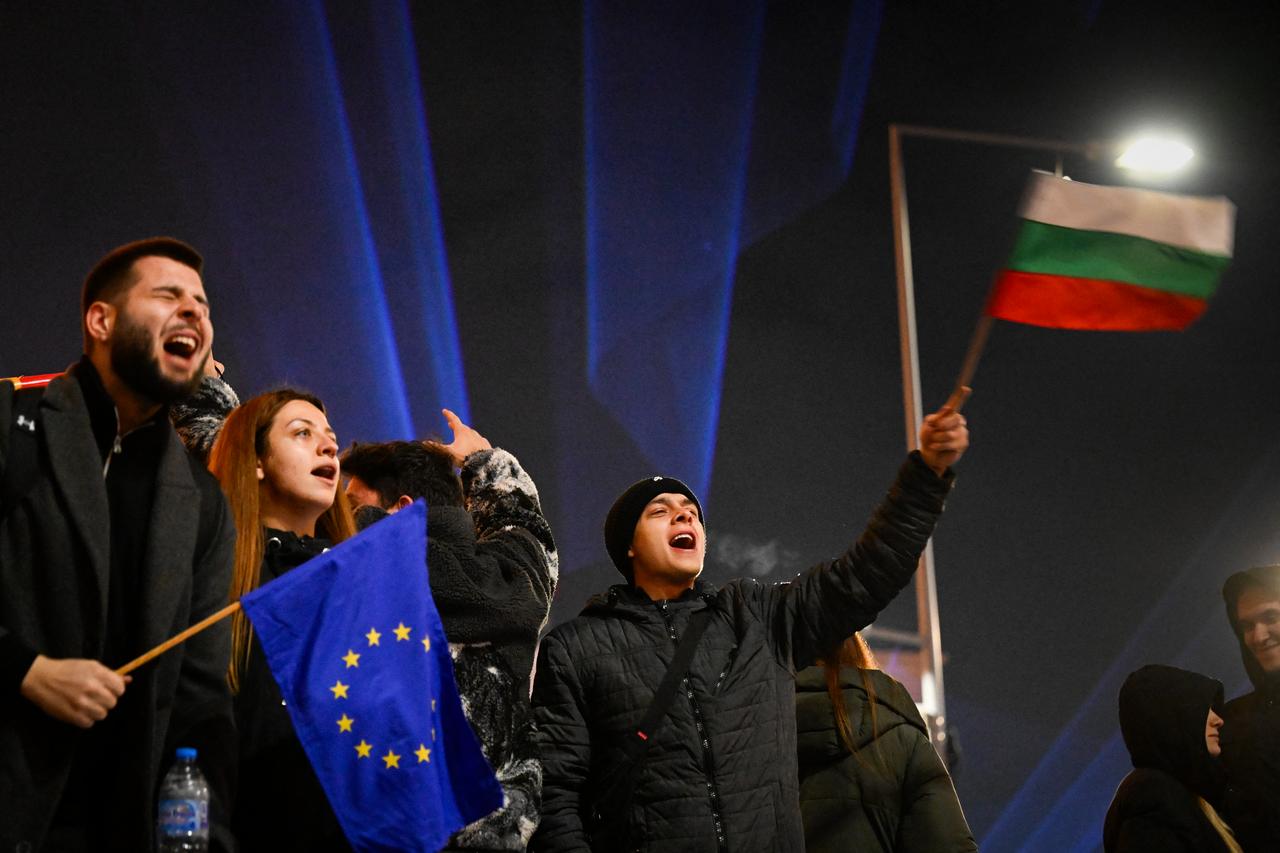
Bulgarian President Rumen Radev, who had previously said the government's resignation was “inevitable,” reiterated last week that early elections are the only viable path forward. He has voiced support for the protest movement and criticized the government’s failure to address corruption.
“Bulgarian society is in a situation of very broad unity against the country's model of governance,” said Dobromir Zhelyazkov, director of the Market Links sociological agency.
“Levels of trust in the Bulgarian government and parliament remain close to historic lows, which is yet another indicator of the severe political and institutional crisis the country is facing,” he told Agence France-Presse (AFP).
Despite the political turmoil, Bulgaria is still expected to join the eurozone on Jan. 1. However, analysts warn that low public trust in institutions and concerns over inflation could complicate the transition.
Shop worker Gergana Gelkova, 24, who joined the protests, told AFP that widespread corruption had become “intolerable.” “Most of my friends no longer live in Bulgaria and don’t plan to return,” she added.
Bulgaria has held seven snap elections since the 2020 anti-graft protests targeting the government of then-Prime Minister Boyko Borissov.
His conservative GERB party won the most recent election last year, forming a fragile coalition government in January led by Zhelyazkov.


 Set as preferred source
 Set as preferred source


 1 min read
 1 min read