Newsletters




The Greek Republic of Southern Cyprus is weighing whether it could contribute to a proposed International Stabilization Force (ISF) for Gaza. The debate highlights not only uncertainty surrounding the force’s mandate, but also the structural and political constraints that shape Greek Cyprus’ security posture.
Greek Cypriot Foreign Minister Constantinos Kombos, in an interview on Dec. 11, expressed conditional openness, emphasizing the need for clarity on the force’s mission, command structure, and rules of engagement. These conditions reflect broader concerns shared by several potential contributors, particularly smaller states with limited military capacity and unresolved regional disputes.
For a small EU member state with unresolved political and security challenges at home and complex regional entanglements abroad, the decision carries strategic, legal, and diplomatic consequences that extend well beyond Gaza.
Greek Cyprus has placed strong emphasis on the need for a clearly defined mandate before considering participation in the ISF. The concern centers on whether the force would function as a stabilization and monitoring mechanism or take on an enforcement-heavy role.
Current discussions suggest that the ISF could be tasked with disarming Hamas and other armed groups, a mission that would push the force beyond traditional peacekeeping into active security operations. Such an expanded mandate would expose contributing states to legal and political risks.
For Greek Cyprus, participation in an operation with unclear boundaries could prove difficult to justify domestically and diplomatically. The reluctance of many regional states to commit troops underscores that the mission’s scope remains contested.
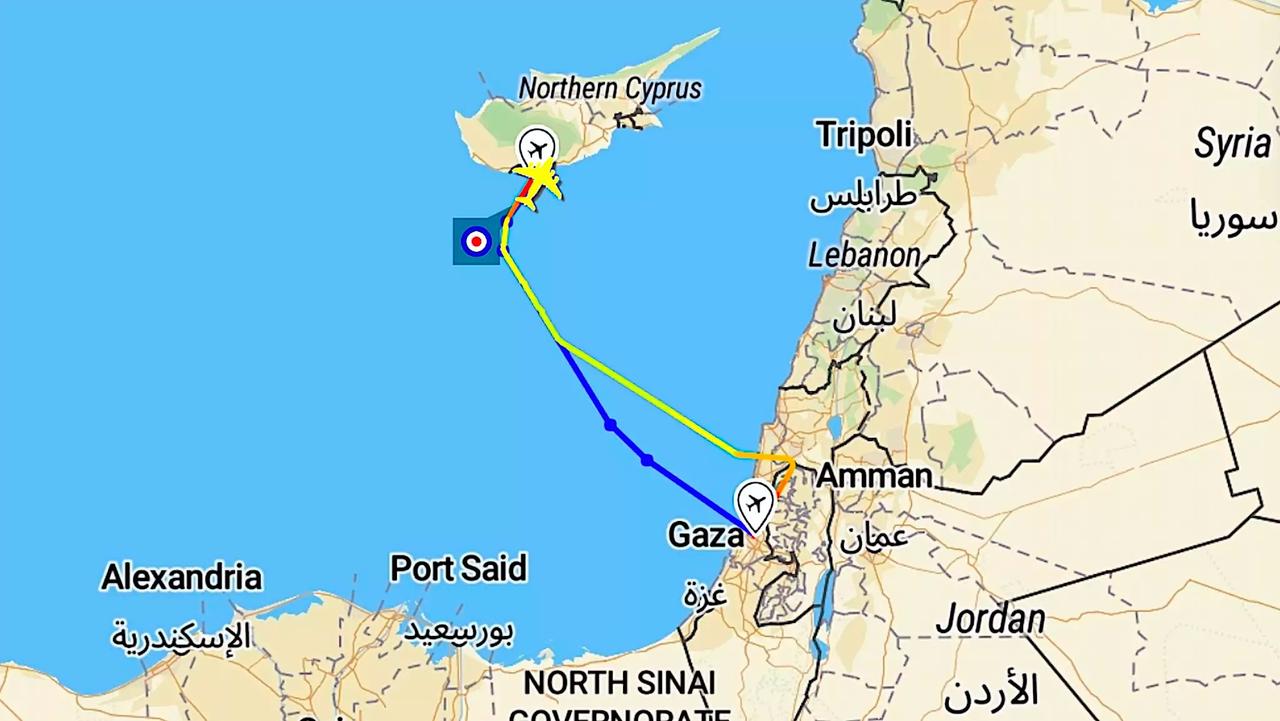
Moreover, the Southern part of the island currently has many opposing voices at home due to its decision to allow British aid to Israel's campaign in Gaza.
Greek Cyprus’ military calculus is shaped by the island’s unresolved political status and the existence of two self-administered entities.
This division is not merely symbolic; it has direct implications for force readiness and defense planning. Greek Cyprus feels like it must account for an offensive posture on the island while navigating an unresolved political process between the two communities.
As a result, available military capacity for overseas deployment is limited. Any sustained external mission could strain resources and raise concerns about maintaining balance and stability at home, making foreign deployments politically sensitive.
The question of Türkiye’s potential involvement in the ISF further complicates Greek Cyprus’ options. Ankara remains a central security actor in the Eastern Mediterranean and a guarantor power for Turkish Cypriots, giving it significant regional weight.
If Türkiye were included in the ISF, Greek Cypriot participation would become politically untenable given the absence of mutual recognition and ongoing disputes. Conversely, excluding Türkiye would undermine the force's operational credibility, as Ankara possesses one of the region’s most experienced militaries.
This dynamic leaves Greek Cyprus with limited strategic room for maneuver, as participation in the ISF risks entanglement in broader regional rivalries rather than offering meaningful influence over Gaza’s future security arrangements.
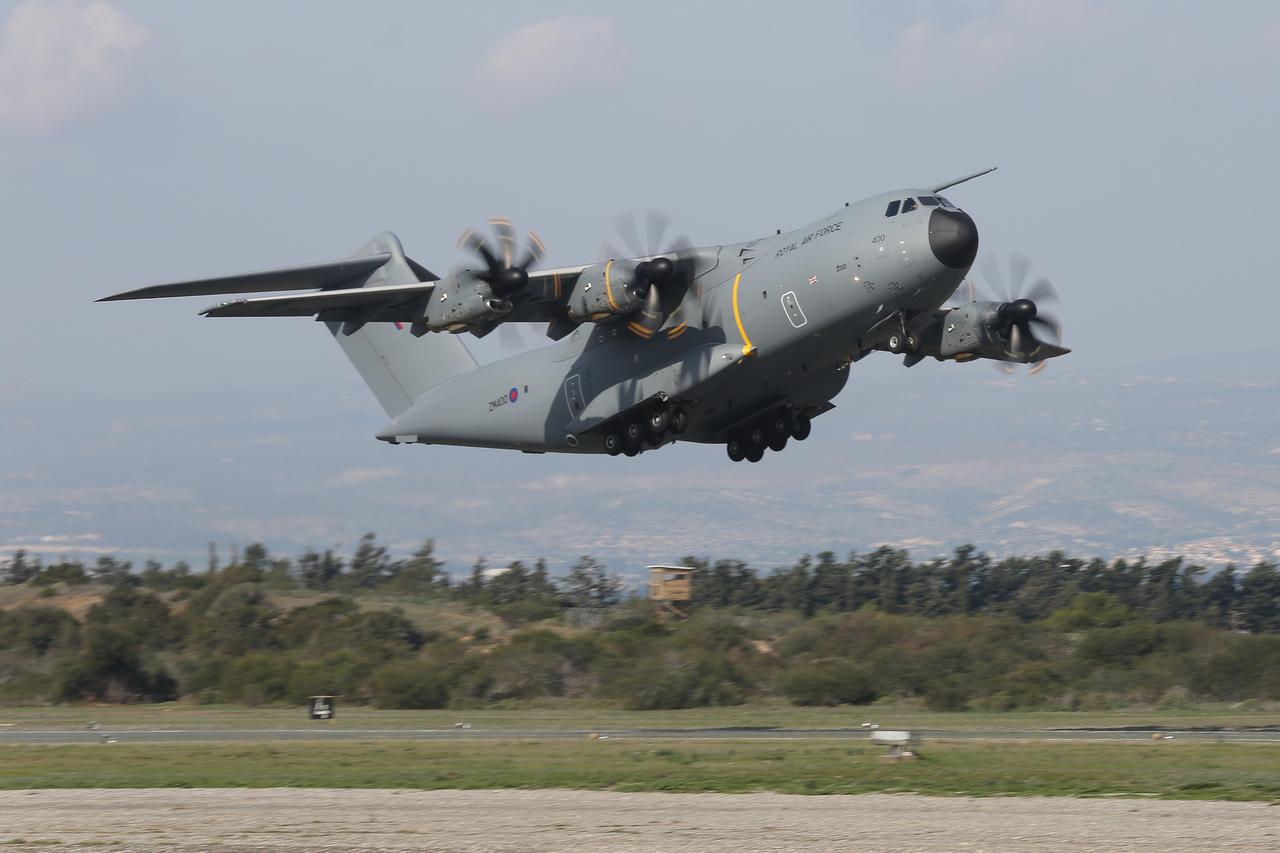
Greek Cyprus already plays an indirect role in the regional security environment through the United Kingdom’s sovereign base areas on the island, particularly Akrotiri. These facilities have been linked to reconnaissance and logistical operations connected to Gaza and the wider region.
At the same time, defense cooperation between Greek Cyprus and Israel has expanded steadily over recent years. This cooperation has increased the island’s strategic visibility without involving direct combat roles.
A direct troop deployment to Gaza would represent a significant escalation of involvement, shifting Greek Cyprus from a peripheral enabler to an active participant. Such a move would increase security risks and diplomatic exposure while offering limited leverage over the post-war political order in Gaza.


 Set as preferred source
 Set as preferred source


 4 min read