Newsletters


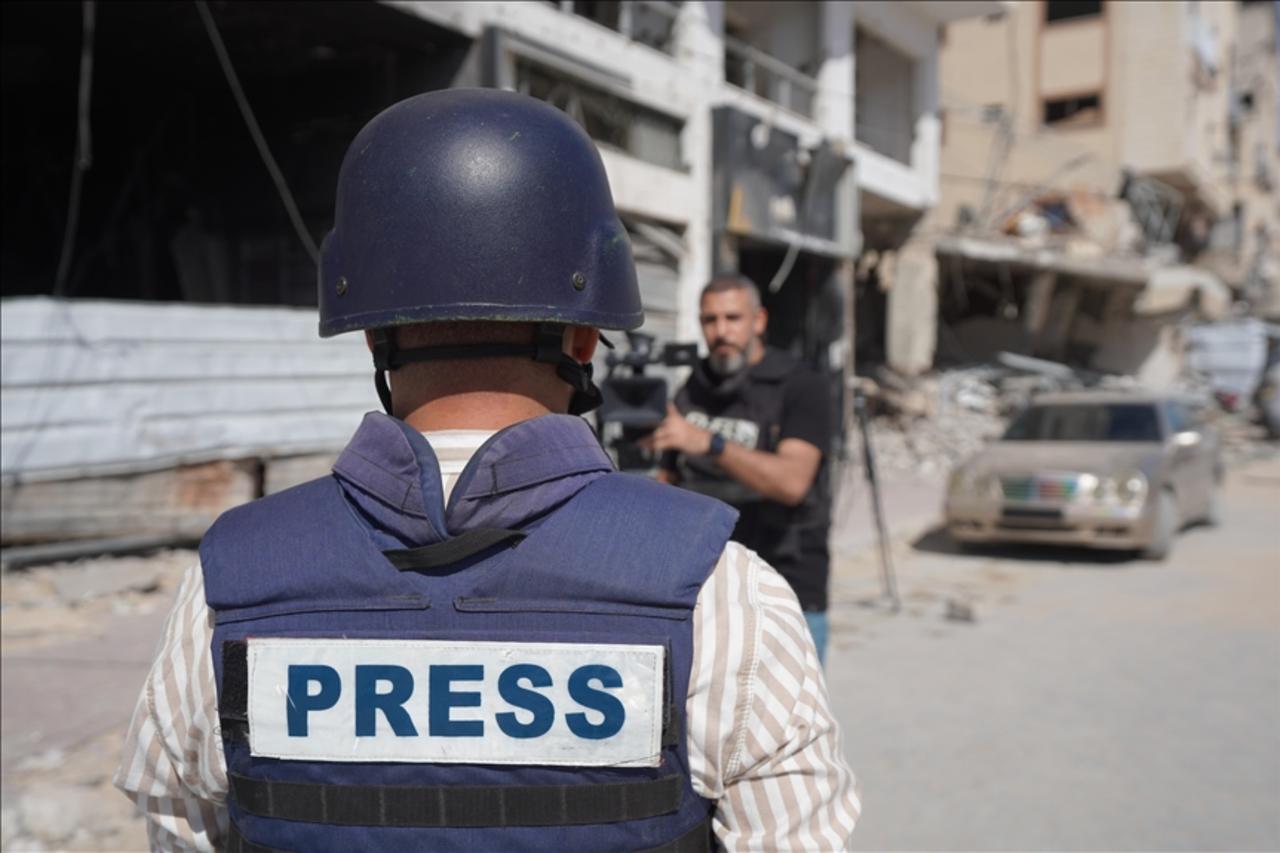


Two more Turkish journalists were detained in Israel on Tuesday, marking the second such incident in as many days and deepening concerns over press freedom amid the ongoing conflict between Israel and Iran.
Journalist Adem Metan announced via social media that he and Ensonhaber editor-in-chief Ilyas Efe Unal had been taken into custody by Israeli authorities. "We are being held in Israel together with Ensonhaber editor-in-chief Ilyas Efe Unal," Metan wrote. "We have been detained for approximately four hours. It is not yet clear when we will be released."
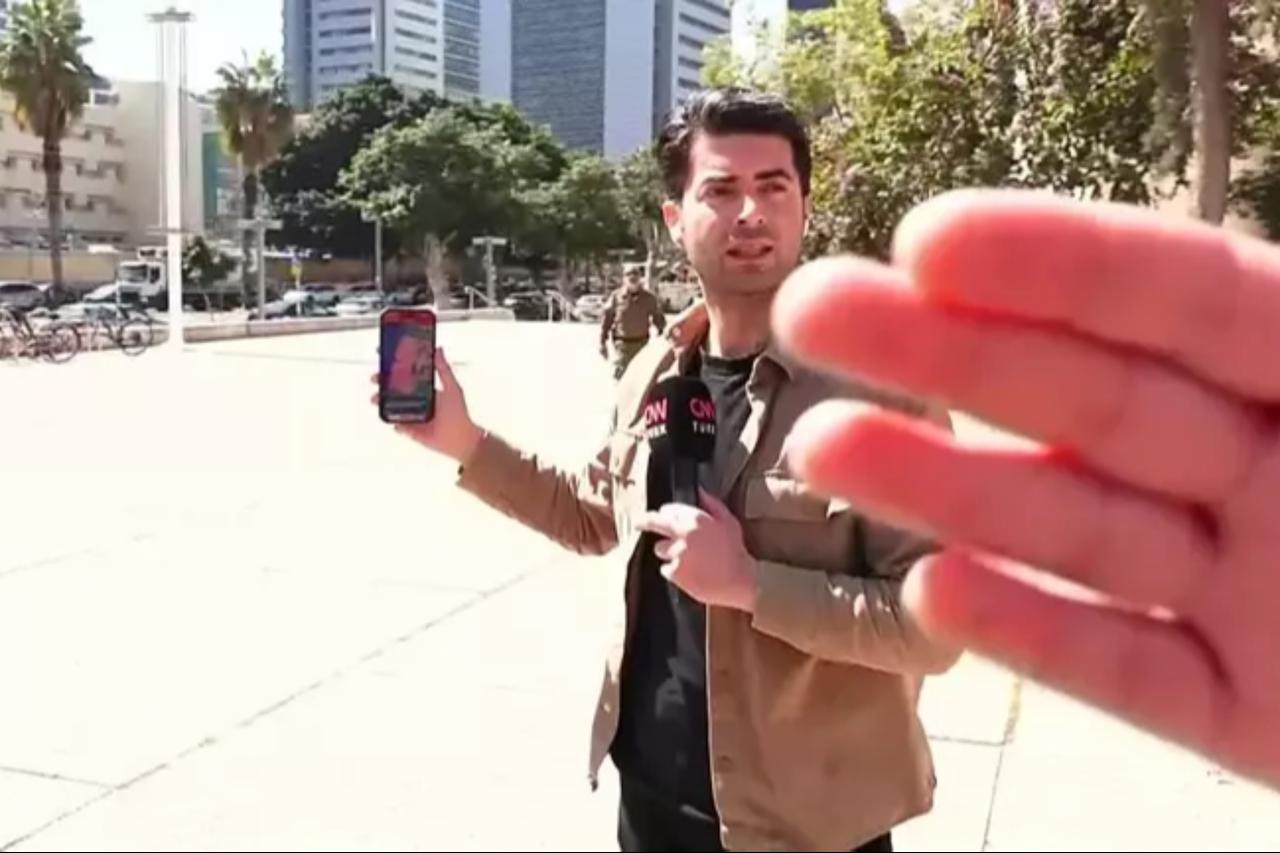
The detentions came just one day after CNN Turk correspondent Emrah Cakmak and cameraman Halil Kahraman were seized by Israeli police during a live broadcast in Tel Aviv, held for nine hours, subjected to cross-examination, and had their phones confiscated and searched before being released.
The back-to-back incidents paint a troubling picture for foreign media operating in Israel during the country's military conflict with Iran. With four Turkish journalists detained within roughly 24 hours, the cases raise questions about whether Israeli authorities are systematically targeting press covering the war.
Cakmak, who provided a detailed account of his ordeal after being released, said he and Kahraman had been reporting from a Tel Aviv location previously used by hostage families for demonstrations. He said they were filming to show everyday street conditions when someone approached and demanded to know who they were and why they were recording.
The journalists identified themselves and explained they were covering how daily life was continuing amid Iranian missile strikes, Cakmak recounted. "Our aim was nothing more, nothing less: to report what we saw on the ground, exactly as it was happening," he said.
Israeli police claimed the detention followed an emergency hotline tip alleging the two foreign nationals were filming a security facility during a live broadcast. Police said officers instructed them to stop recording and examined the situation. According to the police statement, the journalists presented press credentials that had expired, after which they were transferred to another location for further questioning.
Cakmak disputed the characterization, saying the crew had applied for press cards through the Israeli Government Press Office and held all necessary legal permits. He described being taken to a police station without being told where they were going and being forbidden from speaking to each other in the vehicle.
Once at the station, two unidentified individuals began a cross-examination without introducing themselves. Cakmak said the interrogators asked when the journalists had arrived, which border crossing they used, whether they had previously visited Israel, whether they had contacts in the country, and, notably, whether they had traveled to Iran. "The fact that the Iran question was specifically asked was striking," he said.
Authorities then confiscated both journalists' phones and demanded they be unlocked. Cakmak said he objected on privacy grounds but was compelled to comply. Interrogators scrolled through his photo gallery, showed him an old photograph and asked where and when it had been taken, and requested names and phone numbers of his contacts in Israel. Kahraman's phone received the same treatment.
After nine hours, the two CNN Turk journalists were freed, but not returned to where their vehicle was parked. "They dropped us off at a location we didn't know," Cakmak said. Throughout the process, he said, the pair maintained their composure and repeated a single message: "We are journalists, and the only thing we are doing here is reporting the news."
During the detention, Kahraman was granted special permission to make a brief phone call to Demiroren Media TV Group chairman Murat Yanci to confirm both journalists were in good health. Kahraman had initially struggled with the conditions of transport, telling officers he suffered from claustrophobia and had difficulty breathing in the cramped police vehicle, but was told he had no choice but to comply.
The detentions unfold against the backdrop of the ongoing war between the United States, Israel, and Iran. International press freedom organizations have repeatedly raised alarms over Israel's treatment of journalists, particularly since the start of the Gaza conflict in October 2023.
The Committee to Protect Journalists and Reporters Without Borders have documented numerous cases of reporters being killed, detained, or obstructed while covering events in the region.
Türkiye and Israel have had a fraught diplomatic relationship in recent years, with tensions flaring over the Palestinian issue. The detention of Turkish journalists adds another friction point at a time when the broader regional conflict is intensifying.
No further details were immediately available regarding the status of Metan and Unal or the conditions of their detention.


 Set as preferred source
 Set as preferred source


 1 min read
 1 min read