Newsletters


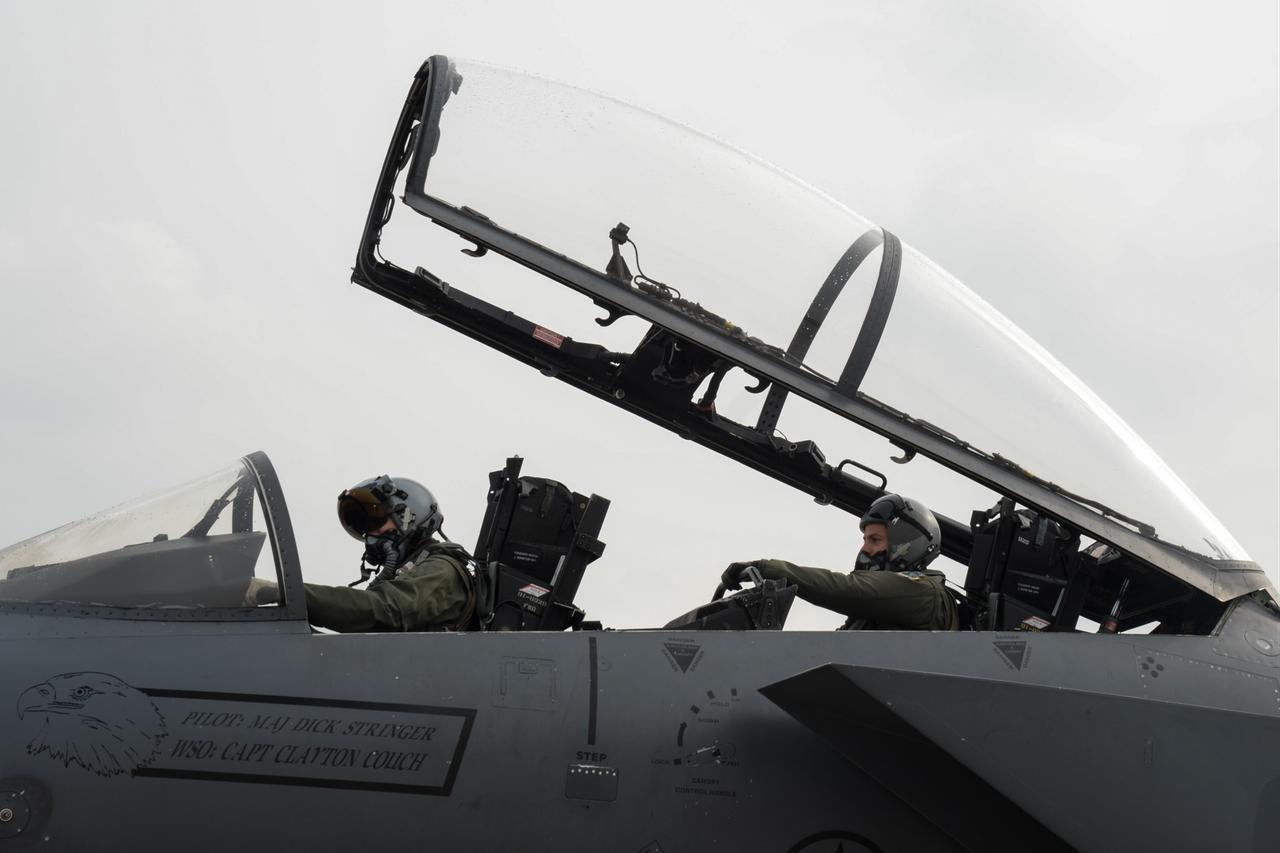
The American F-15E Strike Eagle shot down over southwestern Iran in April was probably struck by a Chinese-made shoulder-launched missile, three people with knowledge of the matter told NBC News, a finding that adds a new dimension to Washington's already complicated relationship with Beijing as negotiations to end the Iran war grind on.
China may also have given Iran a long-range early-warning radar capable of detecting stealth aircraft at the start of the conflict, according to one of those people and a separate U.S. official with knowledge of the matter, NBC News reported.
The assessments remain under active investigation.
Timing is unclear: whether the missile came from recent Chinese shipments or from older stockpiles Iran held for years, and whether the YLC-8B radar was operational during the war, could not be confirmed.
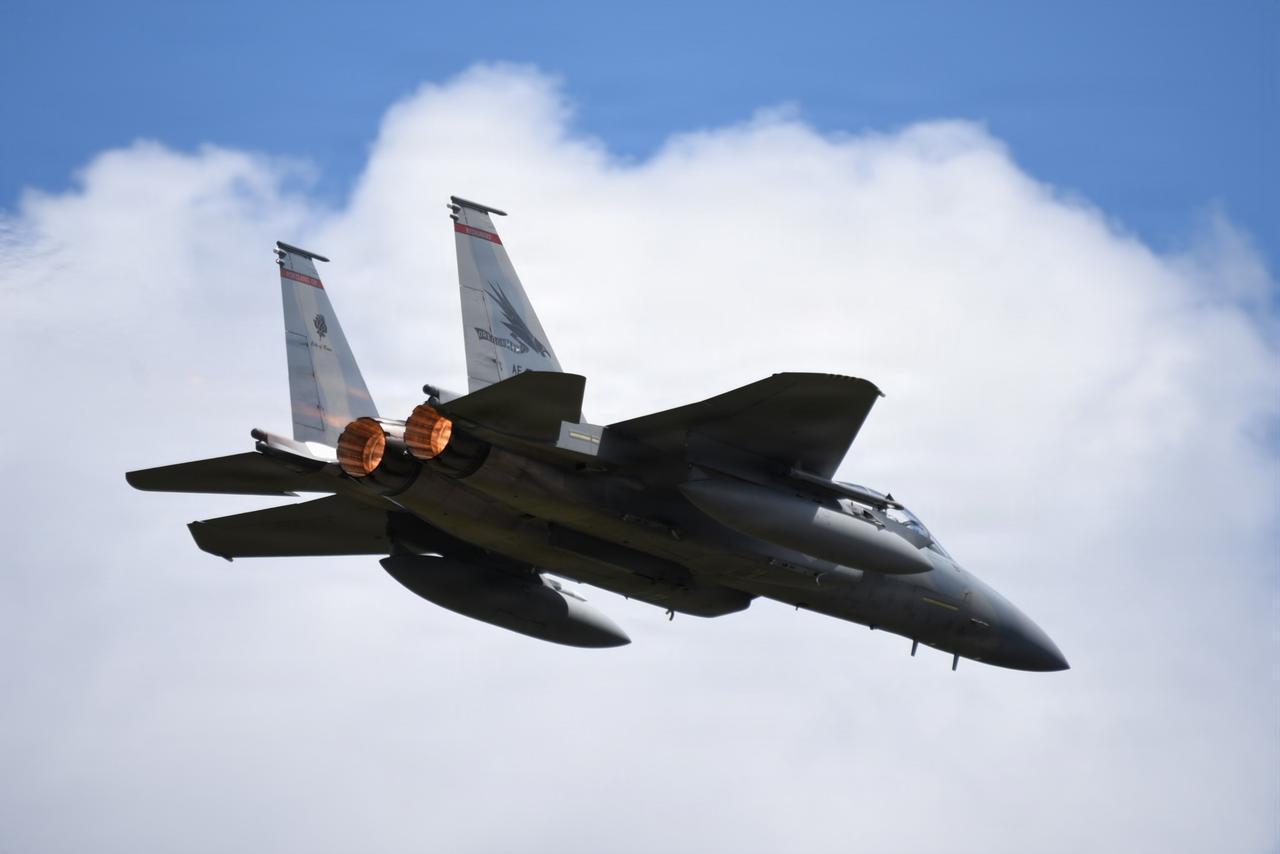

The loss of the F-15E in April marked the first time a U.S. fighter had been downed by enemy fire in decades. Both crew members ejected safely over Iran. The pilot was recovered within seven hours, but the weapons systems officer spent two days hidden in the foothills of the Zagros Mountains before U.S. forces located and extracted him, the Pentagon said.
Trump had characterized the weapon at the time as a shoulder-launched missile, a class known as man-portable air defense systems, or MANPADS, which typically measures about 7 feet in length and weighs roughly 40 pounds. Inexpensive and effective against low-flying aircraft, they can be carried and fired by a single person.
Three people familiar with the matter told NBC News the missile was most likely Chinese-made.
The Chinese Embassy pushed back firmly. "China always acts prudently and responsibly on the export of military products and exercises strict control in accordance with China's laws and regulations on export control and due international obligations," a spokesperson said in a statement to NBC News.
"China opposes groundless smear and ill-intentioned association," the spokesperson noted.
Trump, for his part, said he had raised the matter directly with Xi Jinping. Asked about the F-15 shootdown, he pointed reporters to an assurance he said Xi had given him.
"President Xi has promised me that he's not sending any weapons to Iran. That's a beautiful promise. I take him at his word. I appreciated it," the U.S. president said.
One U.S. official familiar with the discussions told NBC News that whatever support China had provided Iran before or during the war had not changed the course of the fighting.
"It was not significant support. There was no decisive operational impact to it," the official said.
The suspected MANPAD is not the only Chinese military technology at issue. In early May, the Trump administration accused China of allowing Tehran access to Chinese commercial satellites to help Iran target U.S. forces in the region.
The State Department sanctioned three Chinese satellite companies it said were providing imagery and data to enable Iranian strikes against American personnel.
China denied the allegations.


 Set as preferred source
 Set as preferred source


 2 min read
 1 min read