Newsletters


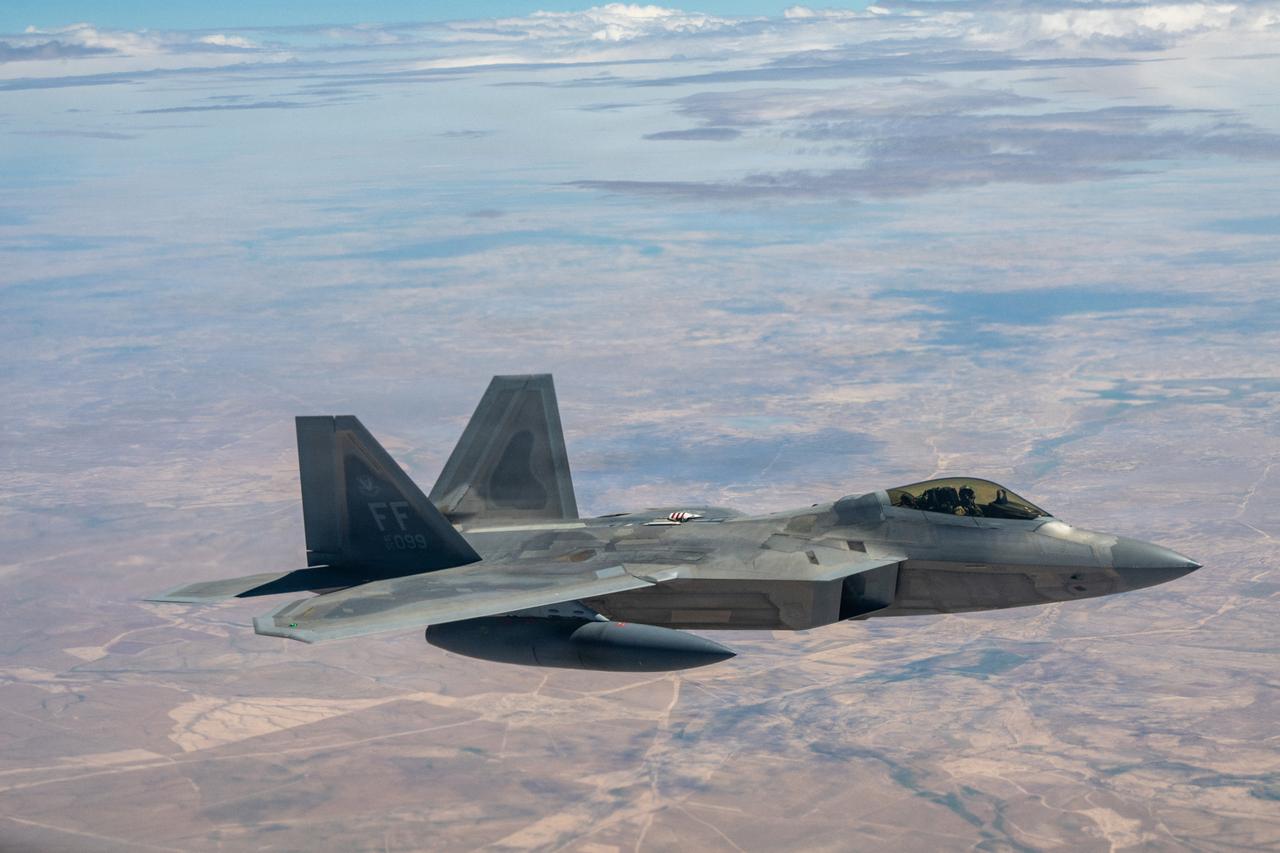


Since the U.S. launched its air campaign against Iran on Feb. 28, the conflict has become a defining test of airpower’s reach and limits.
While U.S. air and missile strikes have rapidly degraded Iran's military infrastructure, air defenses, and command networks, they raise a more challenging question: whether tactical success can weaken or dismantle a regime built to withstand intense pressure.
To assess the campaign and what may follow, I spoke with retired U.S. Air Force Lieutenant General David A. Deptula.
General Deptula was the principal offensive air campaign planner for Operation Desert Shield and directed the Iraq Target Planning Group during Operation Desert Storm. He later served as the U.S. Air Force’s first deputy chief of staff for intelligence, surveillance and reconnaissance.
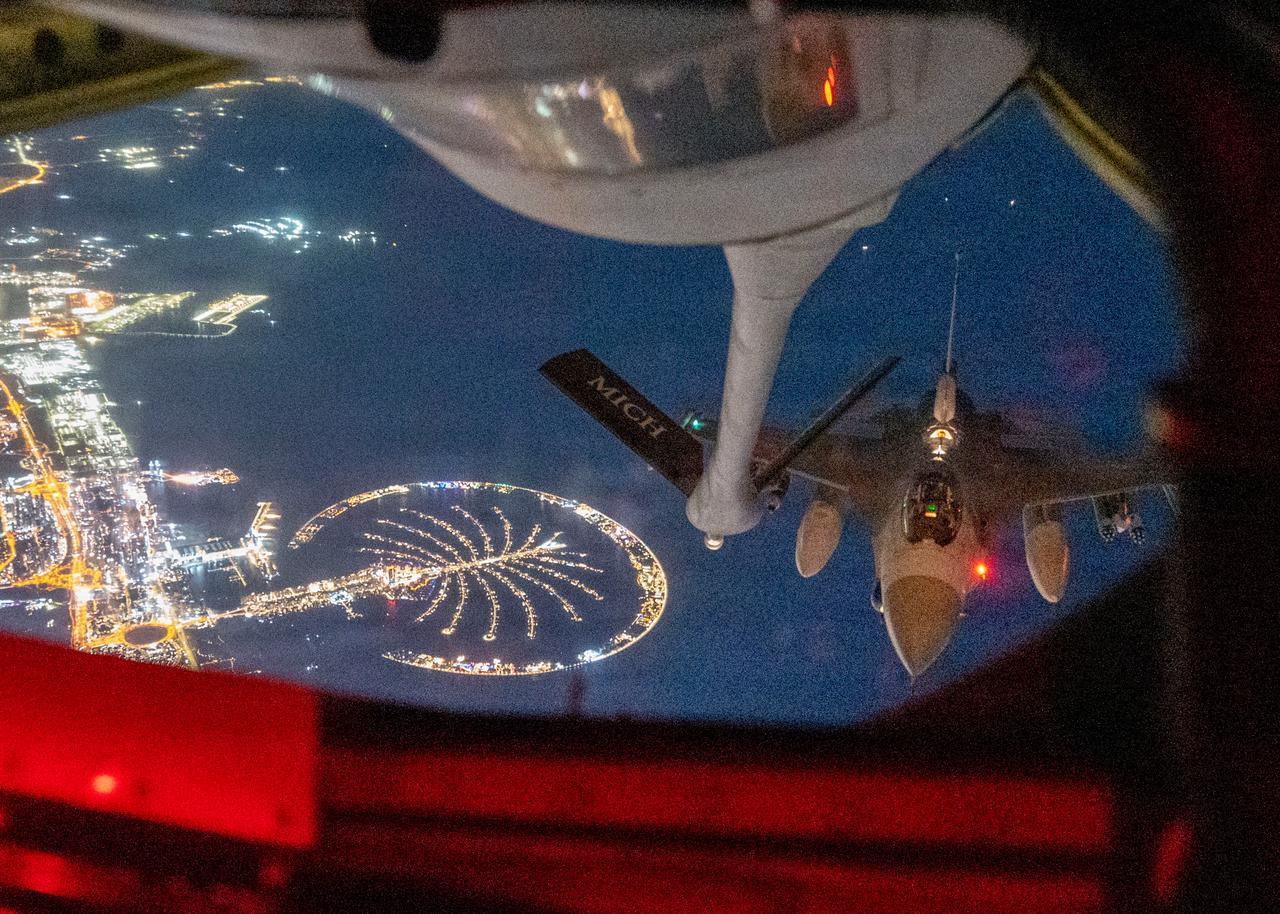

Q: United States and Israeli intelligence assessments still suggest that regime change is not imminent. What are the limits of airpower in a campaign where the political objective may be larger than the military one?
Airpower is a powerful instrument for destroying, disrupting, paralyzing, and coercing an adversary. It can remove key military capabilities, strike leadership nodes, fracture command and control, and impose costs at a speed and scale that no other military instrument can match.
But regime change is not simply a military outcome; it is a political one. That distinction matters.
In a country like Iran, with a large population, multiple centers of power, deep internal security institutions, and a political system designed to survive pressure, airpower alone—or any other military instrument—is unlikely to produce regime change in any predictable or controllable way.
Airpower can create conditions that may accelerate political instability, but it cannot by itself organize a successor government, control the streets, manage internal factions, or guarantee that the political outcome will be favorable to U.S. or Israeli interests.
Q: Do policymakers sometimes expect airpower to deliver political outcomes it was never designed to produce?
The mistake policymakers sometimes make is to assume that because airpower can rapidly achieve desired military outcomes, it can rapidly create political order.
Those are very different tasks. Airpower can deny, degrade, disrupt, and punish. It can also expose the weakness of a regime by demonstrating that its military cannot defend the country.
But whether that translates into collapse depends on internal legitimacy, elite cohesion, popular mobilization, security-force loyalty, and the existence of an alternative political structure.
So, the answer is not that airpower is irrelevant to regime change. It can be very relevant. But it is not structurally designed to deliver regime change as a stand-alone mechanism—nor is any other military force, including an Army.
If the desired political end state is the fall of the regime, then airpower must be part of a broader strategy that integrates information operations, diplomacy, economic pressure, support to internal opposition where appropriate, and a credible plan for what comes after. Without that, there is a serious risk of confusing tactical success with strategic success.
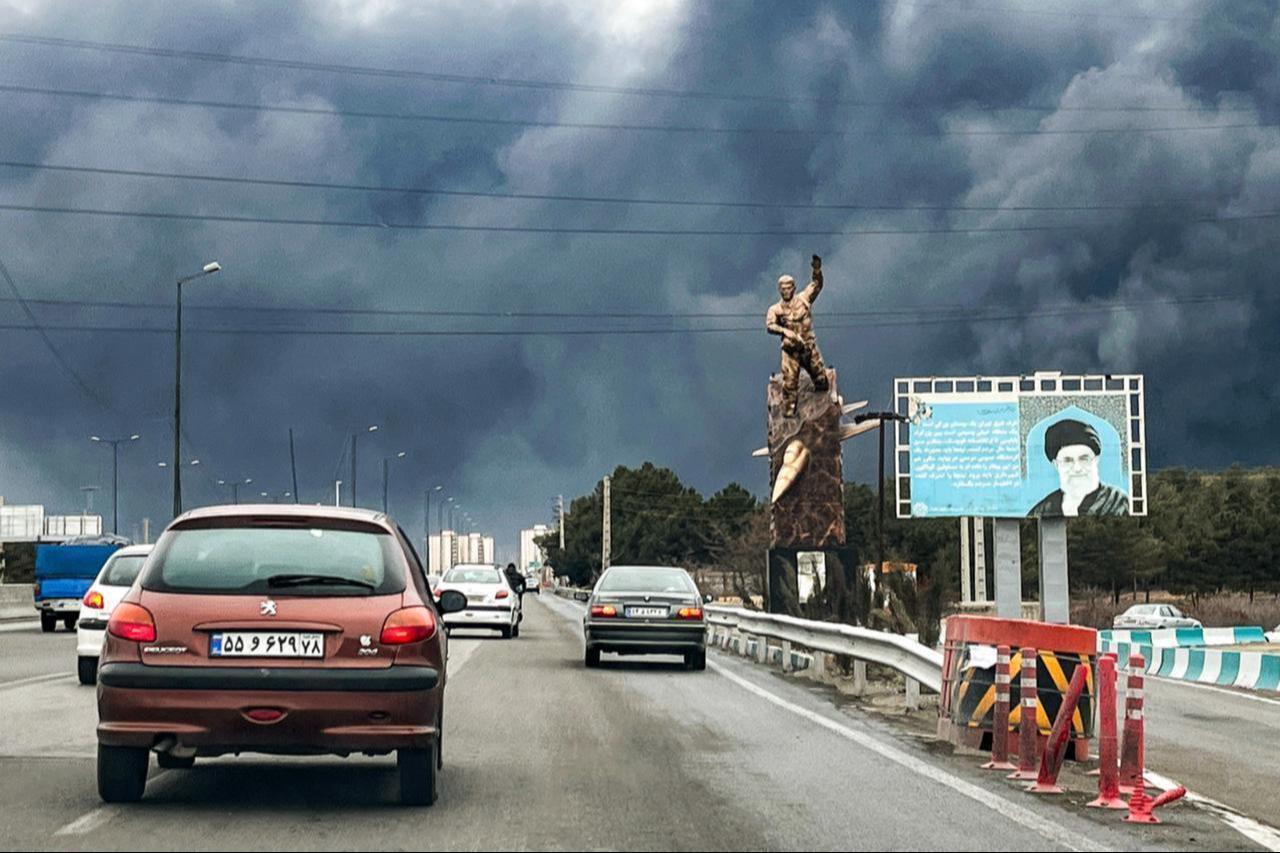
Q: CENTCOM says U.S. forces have struck more than 13,000 targets in Iran, while President Trump has claimed that Iran’s air defenses have been severely degraded. As a retired Air Force general, what do you think it tells us about what airpower can achieve militarily—and what it cannot deliver politically?
There is often a large gap between political language about “annihilating” an air-defense system and the operational reality of flying in contested airspace. Air superiority is not the same thing as the permanent elimination of every threat.
Even after an integrated air-defense network is badly degraded, aircraft may still face mobile surface-to-air systems, shoulder-fired missiles, anti-aircraft artillery, passive sensors, residual radar coverage, tactical ambushes and the friction of high-tempo combat operations.
Complete elimination of an air-defense threat is rarely a realistic objective against a capable and adaptive adversary.
The more realistic objective is to suppress, degrade, dislocate, and manage that threat to a level where friendly aircraft can operate effectively at acceptable risk. That is still a major achievement, but it is not the same as making the sky risk-free.
Q: Recent reports suggest Tehran may still retain some air-defense capability and may have studied U.S. flight patterns after the April 3 incident. If the war continues, how seriously should the risk of a similar incident be taken?
An episode like the one described on April 3 should be understood less as proof that the entire air campaign failed and more as a reminder of the nature of high-threat air warfare. Even in a campaign where the United States and Israel hold the overall advantage, a determined defender can still create lethal local conditions.
Rescue operations, in particular, can be extremely dangerous because they often require aircraft to enter predictable areas, loiter, coordinate under pressure, and operate while the enemy is actively trying to exploit the situation.
So I would not treat such a day as necessarily representative of the whole campaign, but I would also not dismiss it as an anomaly. It is a reminder that air dominance is a condition that must be continuously earned and maintained. It is not a slogan, and it is not absolute.
Claims that an adversary’s air defenses have been “broken” should always be measured against the continuing ability of that adversary to impose risk, force tactical adaptation, and occasionally achieve lethal effects.
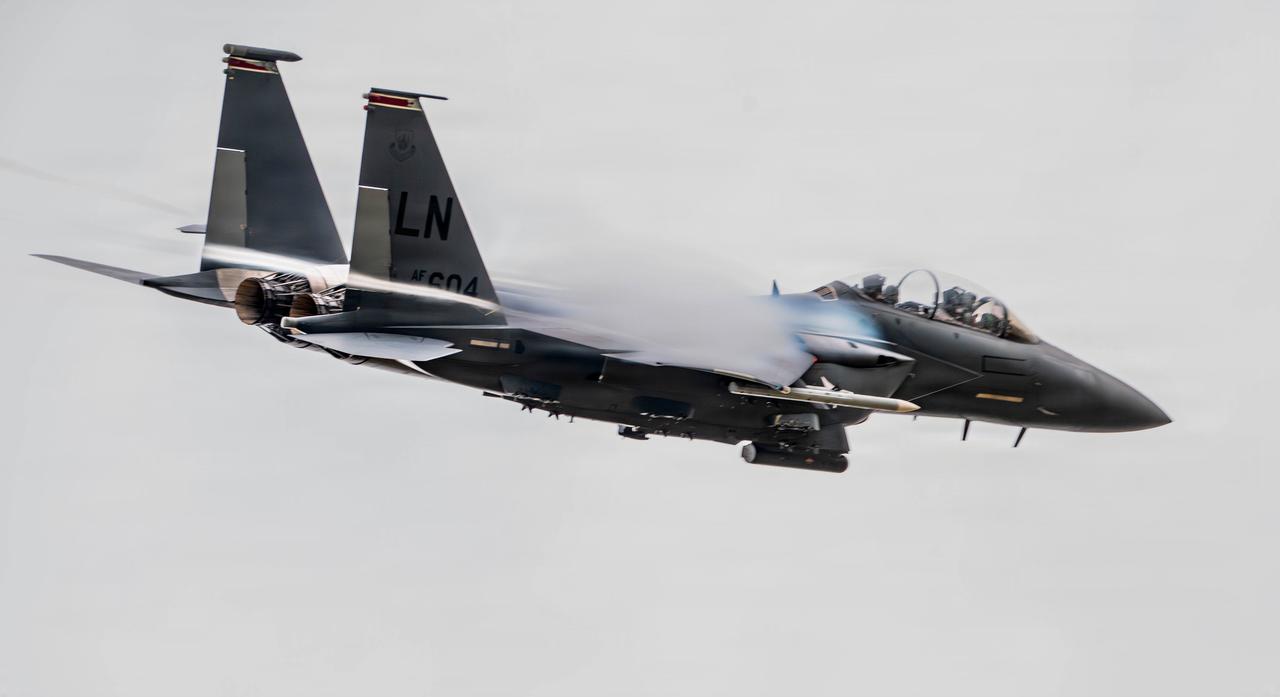
Q: Beyond air defenses, U.S. intelligence assessments reportedly suggest that Iran’s mobile launchers, tunnel networks and production sites have not been degraded to a satisfactory level since February 28. Given Iran’s mobility, underground concealment and decoys, is airpower’s realistic goal destruction or disruption and suppression over time?
Mobile launchers, tunnels, concealment, and decoys are among the hardest target problems in air warfare. Fixed targets can be mapped, struck, restruck, and assessed with a higher degree of confidence.
Mobile and concealed systems are different. They can move, hide, emit briefly, use deception, and reappear after being reported destroyed. Underground infrastructure adds another layer of complexity because what is visible from the air may only be a small part of the operational system.
The practical ceiling of an air campaign against these target sets is therefore not destruction in the absolute sense. It is disruption and suppression over time.
You try to reduce the adversary’s rate of fire, complicate movement, force concealment, destroy launchers when they appear, strike storage and support infrastructure, sever command links, and keep the adversary under constant pressure. But if the opponent has depth, mobility, decoys, and underground storage, the campaign can become a continuing contest rather than a one-time solution.
Q: When strikes hit mobile launchers, tunnel entrances or suspected storage sites, how hard is it to determine whether the real system has been destroyed, rather than moved, hidden or only temporarily disrupted?
This is why policymakers should be cautious about claims that such target sets have been “eliminated.” Battle damage assessment is difficult even under ideal conditions. When the enemy uses decoys, hides systems underground, moves launchers frequently, and limits electronic emissions, the margin for error grows substantially.
You may know that you hit a site, but not whether you hit the real launcher. You may know that you collapsed an entrance, but not whether the system inside was destroyed or simply made temporarily inaccessible. You may know that launches have declined, but not whether that means the force has been destroyed, conserved, or repositioned.
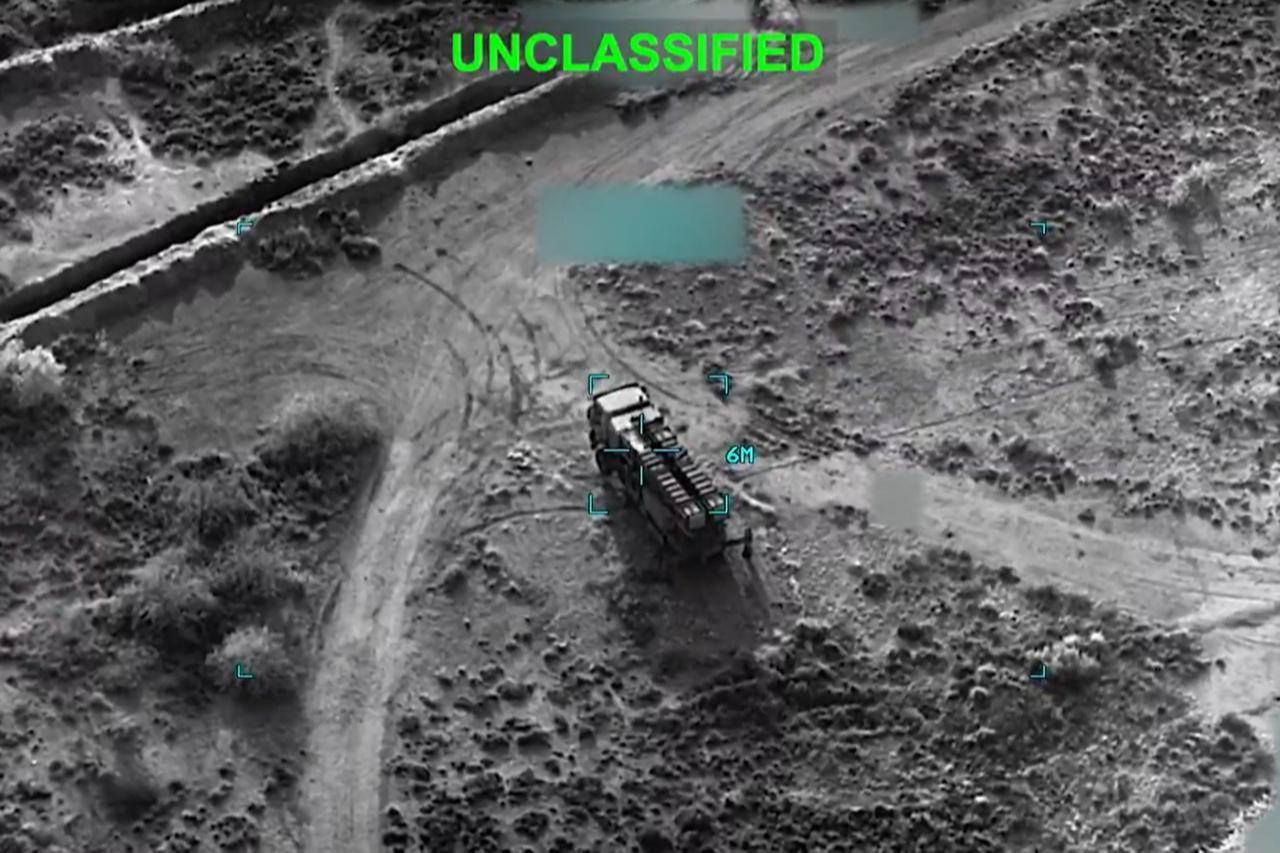
Q: From an airpower perspective, does Iran’s degraded air-defense network look more like a system that has collapsed, or one that is adapting into a more decentralized and still dangerous threat?
A degraded air-defense network can still be dangerous. That is one of the most important lessons of modern air warfare—and why stealth is valuable throughout a campaign, not just to “kick down the door.” The collapse of a fully integrated system does not mean the defender loses all ability to threaten aircraft.
In fact, once an integrated network is damaged, the defender may shift to a more decentralized and opportunistic model: mobile systems, passive detection, short-range ambushes, shoulder-fired weapons, dispersed launch teams, and localized traps near expected flight paths or rescue zones.
From an airpower perspective, that suggests adaptation rather than simple collapse. Iran may no longer be able to defend its airspace in a comprehensive, coordinated way, but it could still impose risk in specific places and at specific times.
Newly deployed systems, surviving mobile batteries, or externally supplied weapons could make that problem more serious, especially if they are used selectively and intelligently rather than as part of a large, exposed network.
Q: In a longer war, could Iran still create meaningful risk for U.S. airpower through systems like MANPADS, surviving mobile air defenses, localized ambushes or outside-supplied weapons, even without being able to defeat it outright?
Systems like MANPADS or mobile short-range air defenses do not need to dominate the battlespace to matter. They only need to create uncertainty, force aircraft to fly higher or differently, complicate rescue operations, increase the need for suppression packages, and impose tactical caution. That can slow operations, increase sortie complexity, and raise the political cost of the campaign if aircraft are lost.
So yes, degrading an air-defense network is not the same as eliminating its ability to threaten aircraft. The United States can have air superiority and still lose aircraft. It can suppress an adversary’s integrated air defenses and still face lethal local threats.
If the conflict enters a longer phase, Iran’s ability to regenerate, disperse, improvise, and potentially receive outside support would become an important factor. The issue would not be whether Iran can defeat U.S. airpower outright. It almost certainly cannot. The issue is whether it can create enough residual risk, attrition, and operational friction to complicate the campaign and influence political decision-making.


 Set as preferred source
 Set as preferred source



 4 min read