Newsletters


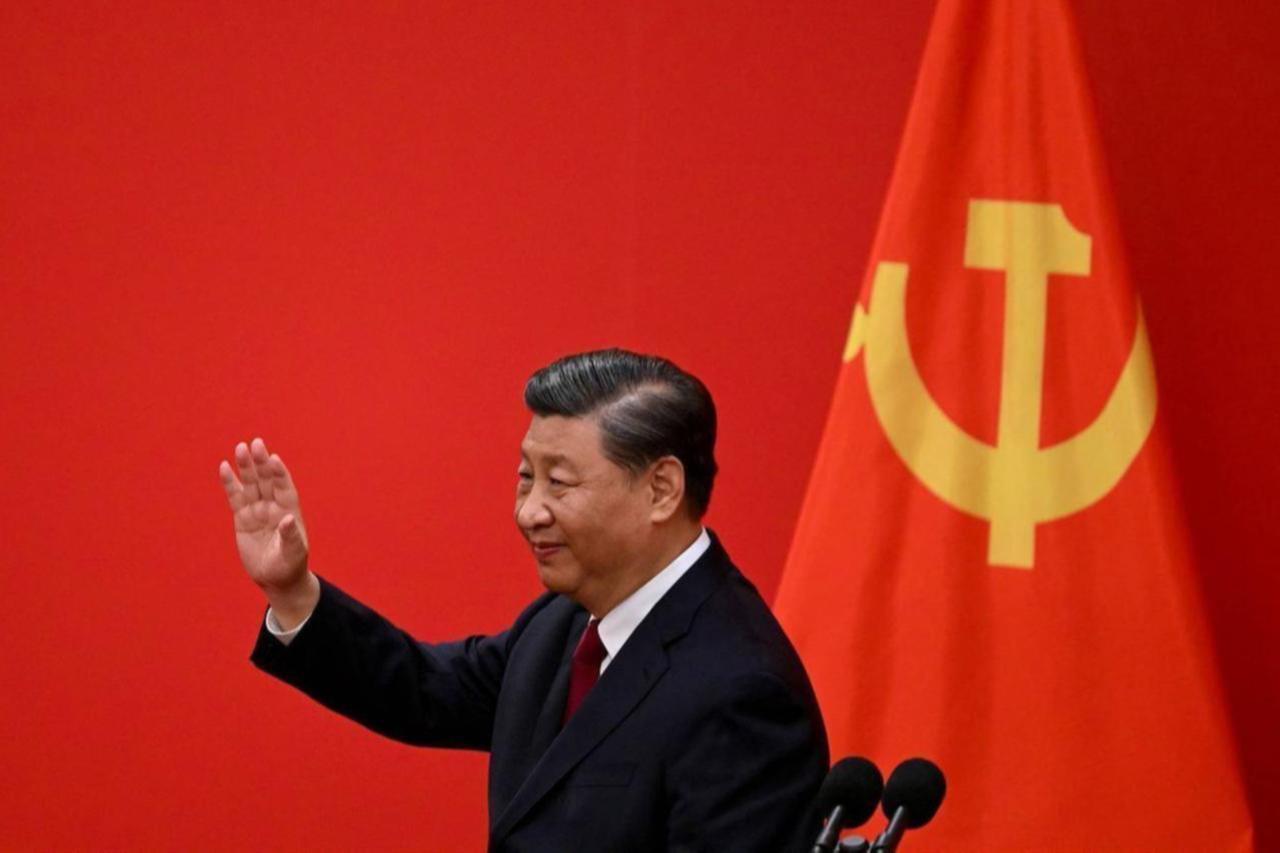


China urged all parties involved in the escalating Middle East conflict to cease military operations immediately, warning that the turmoil threatens global economic growth as the effective closure of the Strait of Hormuz enters its second week.
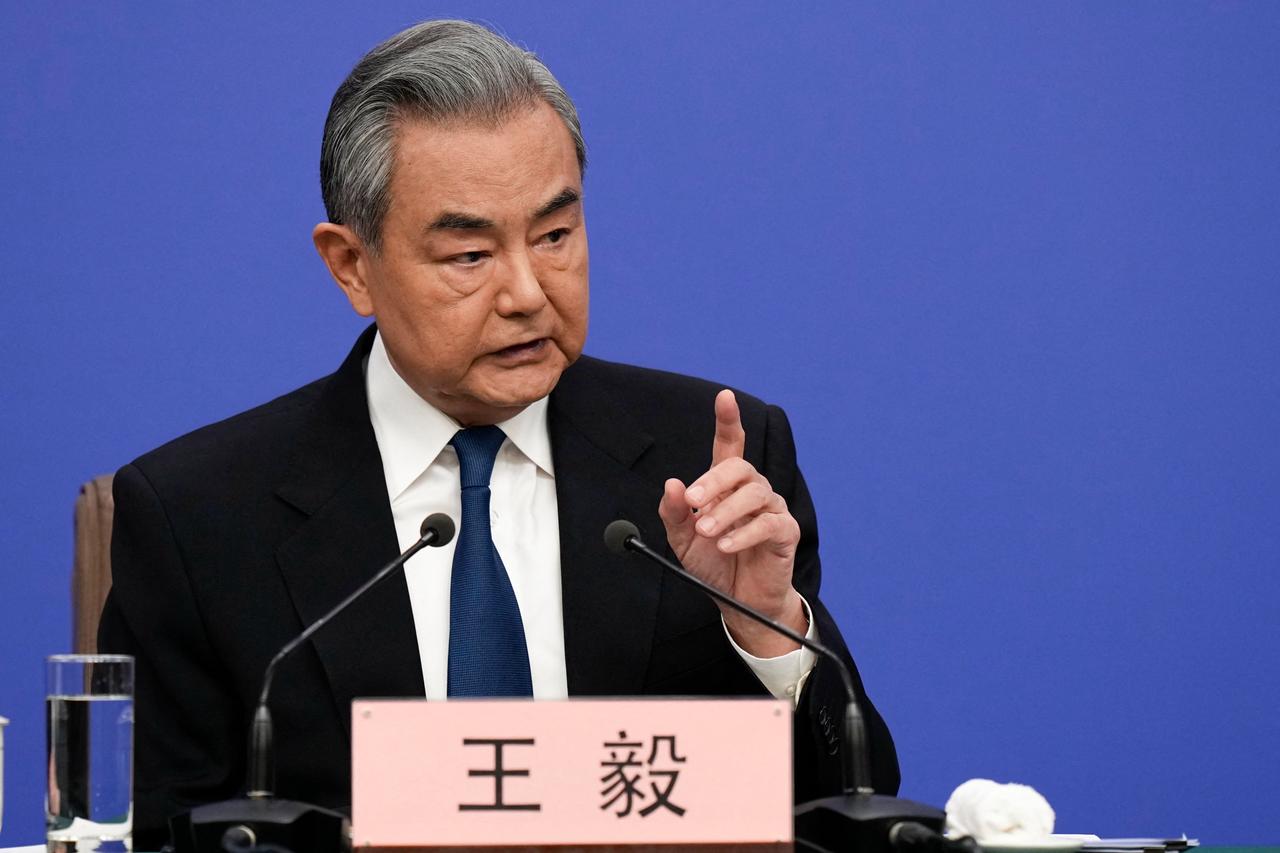
Chinese Foreign Ministry spokesperson Guo Jiakun, speaking at a regular news conference in Beijing on Thursday, said that keeping the region's energy trade and broader area "safe and stable serves the common interests of the international community." He called on all sides to "stop the military operations at once, avoid further escalation and prevent the regional turmoil from having a larger impact on global economic growth."
The remarks came as attacks on vessels continued in and around the strait, one of the world's most critical energy chokepoints, which Iran effectively shut down around March 1 in retaliation for joint U.S.-Israeli strikes that began on Feb. 28.
When pressed on whether China was providing intelligence support to Iran, Guo offered no direct denial, saying only that "China's position is consistently clear" before reiterating the call for a cessation of hostilities. The non-answer is likely to draw scrutiny from Washington at a time when the relationship between Beijing and Tehran is under intense focus.
Iran has continued shipping crude oil to China through the strait even as broader commercial traffic has ground to a halt. Earlier this month, a Chinese-operated bulk carrier transited the strait while broadcasting "CHINA OWNER," and Iran subsequently announced that the closure applied only to ships from the U.S., Israel, and their Western allies.
China is the world's largest crude oil importer and purchases more than 80% of Iranian oil, according to the energy analytics firm Kpler. Roughly 45 to 50 percent of the country's crude imports transit the Strait of Hormuz, making Beijing arguably the most consequential outside stakeholder in any resolution to the crisis.
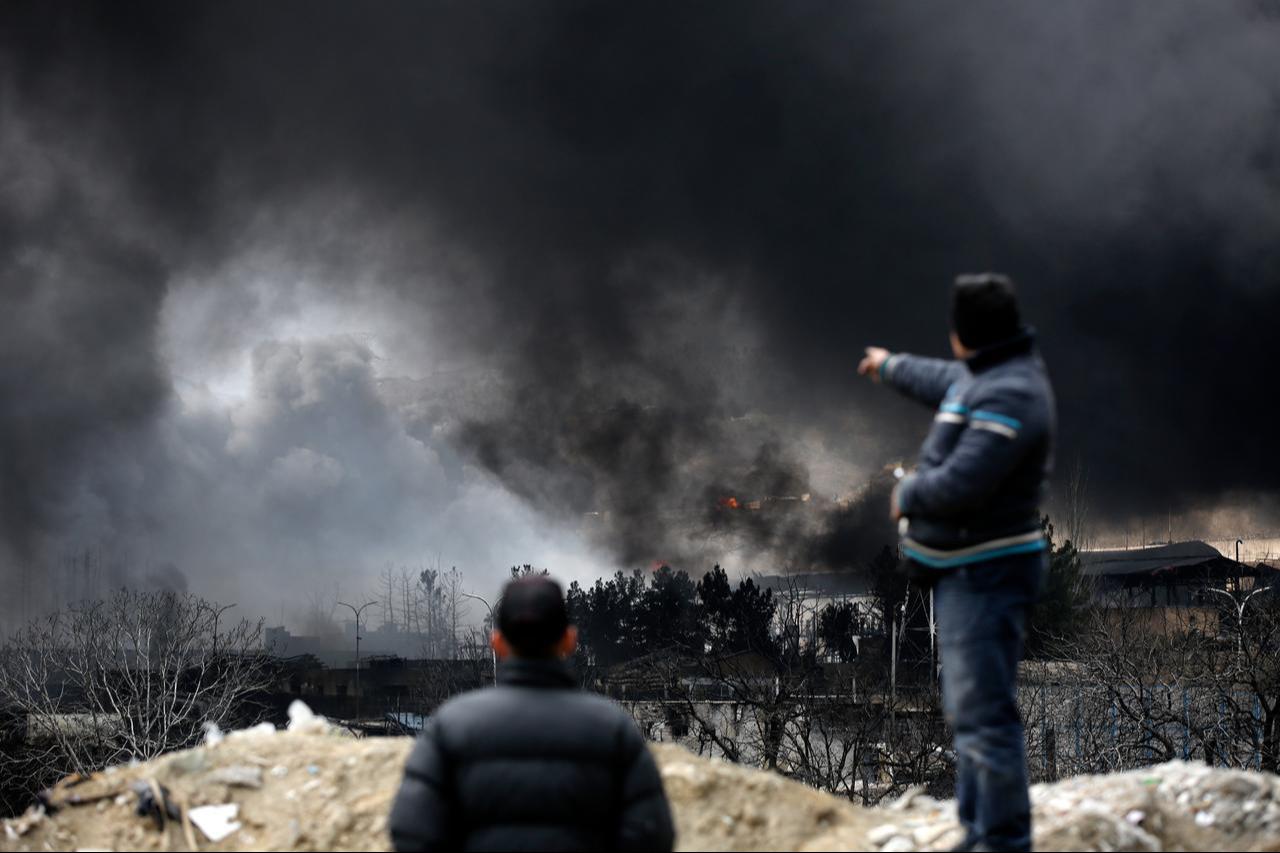

The regional conflagration was set off on Feb. 28 when Israel and the United States launched joint strikes on Iran, killing more than 1,200 people, including Ali Khamenei, who was Iran's supreme leader, as well as over 150 schoolgirls. Tehran responded with drone and missile strikes targeting Israel, Jordan, Iraq, and several Gulf countries that host American military assets.
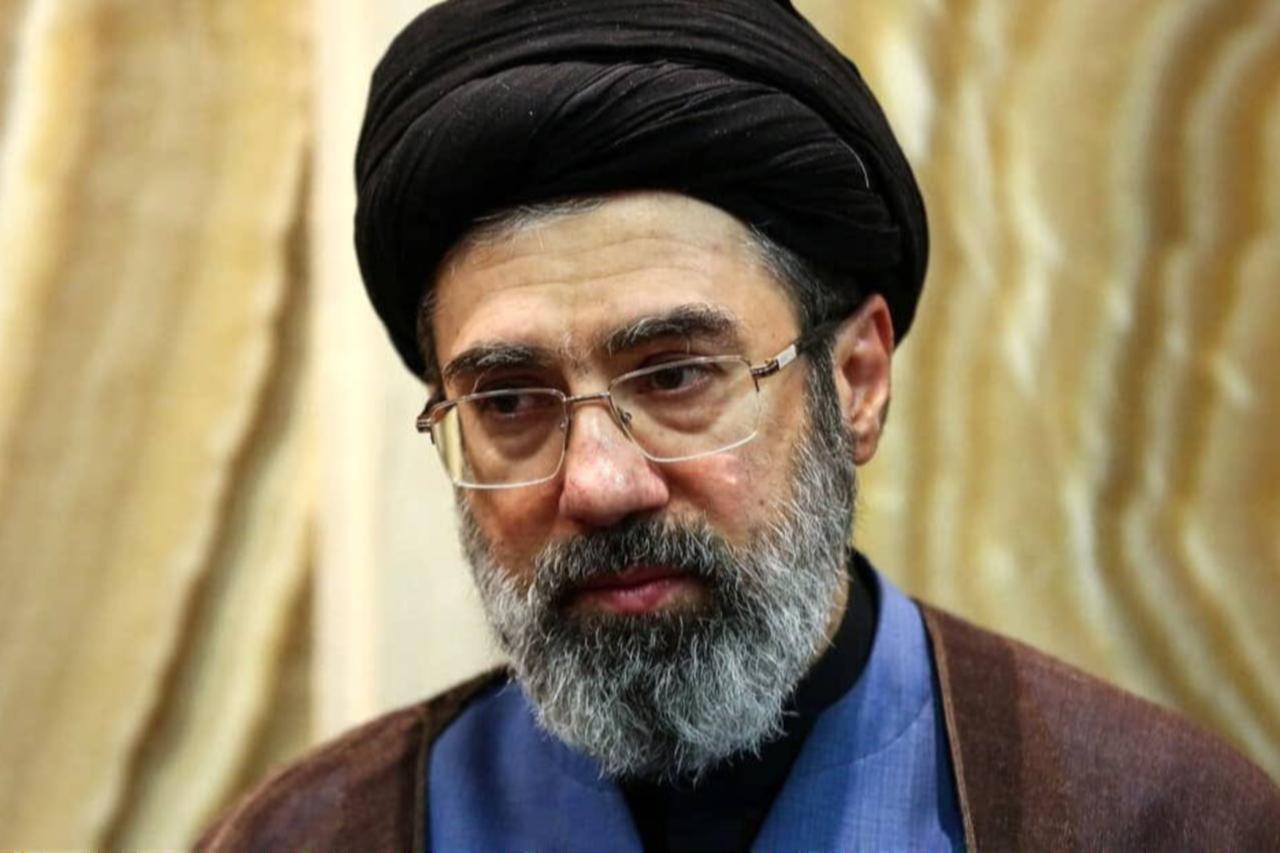
Iran's newly appointed supreme leader, Mojtaba Khamenei, said Thursday in his first public statement since taking office on March 9 that the strait's closure should continue as a "tool to pressure the enemy" and warned that U.S. military bases in the region "will be attacked."
The strait normally handles about 20 million barrels of oil per day and roughly 20% of the global liquefied natural gas trade. Its effective closure has already sent oil prices surging, with analysts describing the disruption as the most severe shock to energy supply since the 1970s oil embargo.
Beijing's response has attempted to thread a diplomatic needle, calling for calm and unimpeded energy flows while stopping short of criticizing Tehran directly. Chinese officials have repeatedly condemned the U.S.-Israeli offensive as a violation of international law while holding talks with Iran about resuming safe passage for oil shipments.
The posture reflects China's acute vulnerability to the crisis. As of early March, China held roughly 1.39 billion barrels of oil in storage, enough to cover about 120 days of net crude imports, giving it a buffer that most Asian economies lack. Analysts at OCBC have said China may be less sensitive to a prolonged closure than many of its regional peers, in part because of its rapid shift toward electric vehicles and renewable energy.
Still, that cushion has limits. Some Chinese refineries have already moved up scheduled maintenance in anticipation of possible feedstock shortages, and a prolonged blockage would force Beijing to compete with other Asian buyers for alternative supply from the Atlantic basin, potentially tightening energy markets across the entire Pacific region.
 1 min read
The crisis extends well beyond oil. Roughly one-third of global fertilizer trade transits the Strait of Hormuz, and the disruption is hitting markets for aluminum, petrochemicals, and natural gas at a time when both the Northern Hemisphere planting season and Asian industrial demand are ramping up.
For the first time in modern history, both of the Middle East's major maritime corridors are simultaneously blocked, after Houthi forces in Yemen resumed attacks on Red Sea commercial shipping on Feb. 28, compounding the Hormuz shutdown. Major container lines including Maersk, CMA CGM, and Hapag-Lloyd have suspended transits through both routes, with most vessels now rerouting around the southern tip of Africa.
China's call for de-escalation places it alongside a growing number of governments alarmed by the conflict's cascading economic consequences, but whether Beijing's entreaties carry weight with either Washington or Tehran remains an open question as strikes on both sides show no sign of abating.


 Set as preferred source
 Set as preferred source



 1 min read