Newsletters




The Central Intelligence Agency (CIA) Director John Ratcliffe spoke with U.S. President Donald Trump and senior administration officials before the U.S.-Iran Memorandum of Understanding (MoU) was announced.
He said that the U.S. intelligence agencies had gathered evidence raising serious doubts about Iran's willingness to make the nuclear concessions Washington was seeking in any final agreement, according to three sources familiar with the discussions who spoke to Axios.
Ratcliffe was not alone.
U.S. Secretary of State Marco Rubio and Secretary of Defense Pete Hegseth both raised concerns and questions about the MoU in internal meetings, while Vice President JD Vance and U.S. envoys Steve Witkoff and Jared Kushner advocated for it, according to two of the sources.
The intelligence gathered by multiple U.S. agencies showed that Iranian officials were discussing the deal among themselves in ways inconsistent with what they were telling mediators and the United States.
"The intelligence reflects that the Iranian intentions are not in line with their commitments under the deal," a source told Axios.
A White House official responded to Axios by stating, "President Trump listens to all opinions on any given issue, but everyone understands he is the final decision-maker. This MoU meets all of the redlines that the administration has long articulated by ensuring that Iran can never possess a nuclear weapon, they cannot keep their highly enriched uranium, and they cannot hold the world's energy supply hostage."

The full text of the 14-point memorandum has not yet been published. Vance said Monday the administration planned to release it this week, but a source familiar with the document provided Axios with a detailed account of its structure.
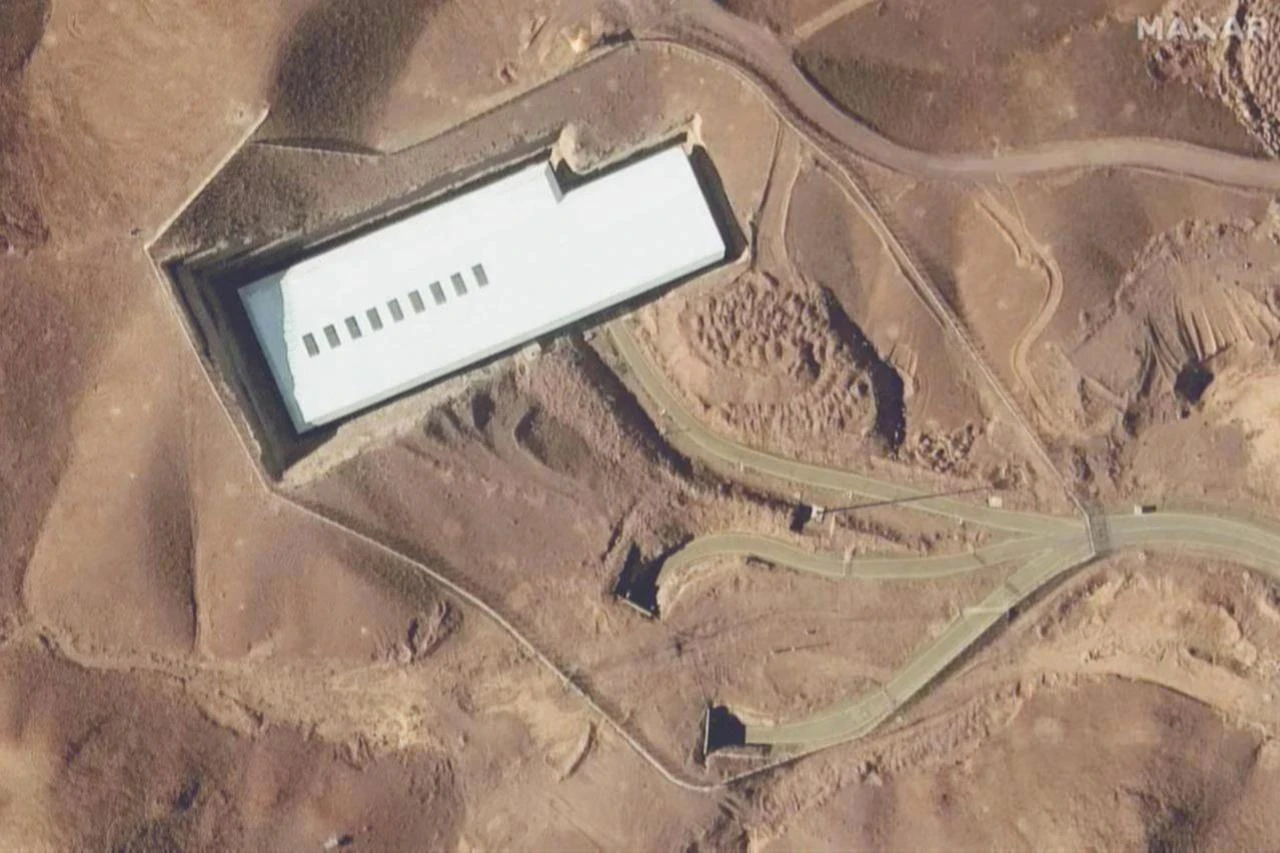
On the nuclear file, the MoU commits Iran to reiterating its past pledge not to acquire or procure a nuclear weapon, and requires both sides to "resolve the disposition of stockpiled enriched material" and "discuss the issue of future enrichment and other mutually agreed matters related to Iran's nuclear needs based on a satisfactory framework being agreed upon in the final deal."
Iran will maintain the status quo of its nuclear program for as long as negotiations continue.
The U.S. commits not to impose new sanctions or deploy additional forces to the region during that period.
If a final nuclear deal is reached, the U.S. will remove the forces it mobilized for the war within 30 days and will terminate all sanctions against Iran under an agreed-upon schedule.
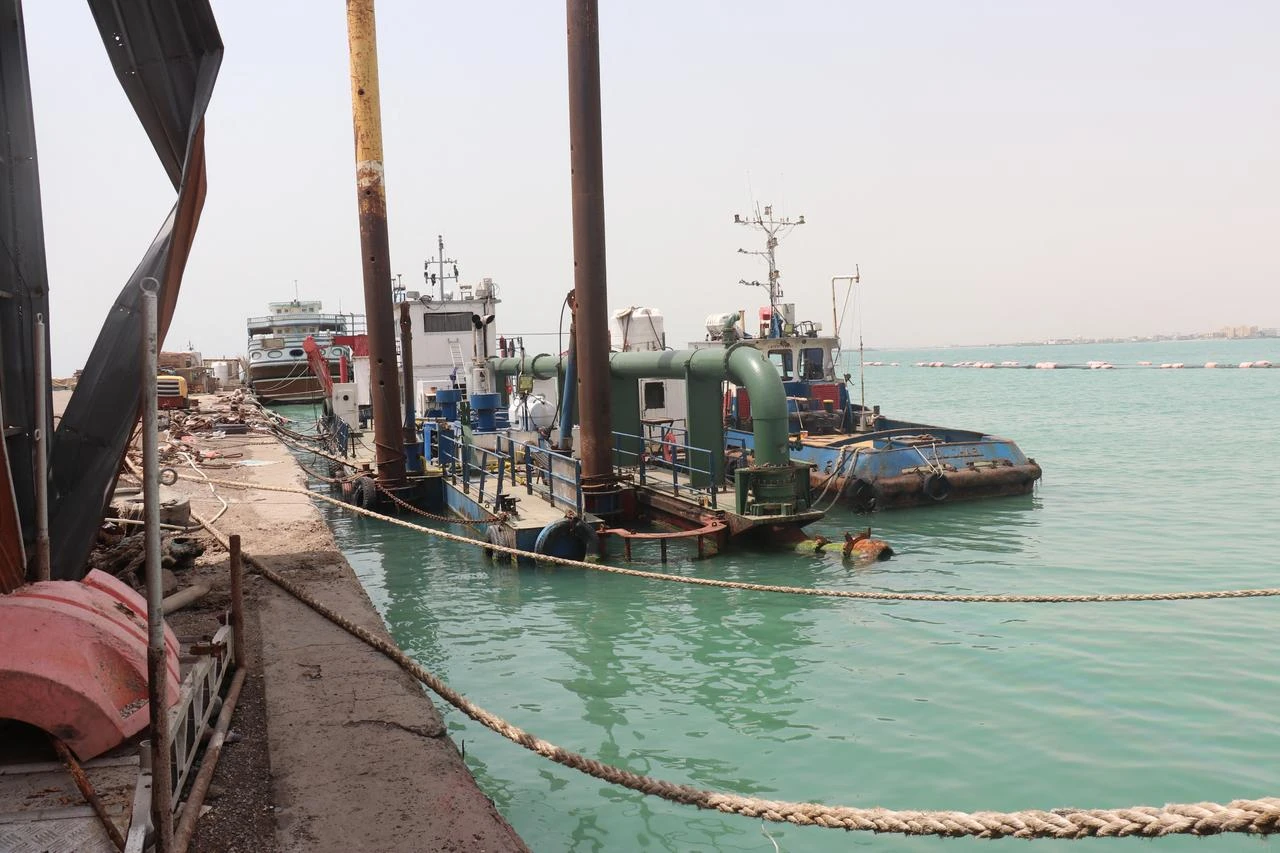
On Hormuz, the MoU stipulates that "Iran will make arrangements, using its best efforts, for the safe passage of commercial vessels with no charge for 60 days," while the U.S. will gradually lift its naval blockade, fully removing it within 30 days.
On the post-60-day period, the MoU says Iran will conduct a dialogue with Oman "to define future administration and maritime services" in the strait. Gulf countries will participate to reach a solution "in line with applicable international law and sovereign rights" of regional countries, language that Iranian state media has interpreted as the basis for future transit fees.
On frozen Iranian assets, the MoU states that the U.S. "undertakes to make (the funds) fully available for use … upon the implementation of this MoU," leaving significant room for interpretation. U.S. officials described the model as "pay for performance," releasing funds in exchange for positive Iranian gestures.
Separately, the MoU commits any final deal to include a "definitive and mutually agreed plan" for a $300 billion fund for "the reconstruction and economic development" of Iran.
Internal critics of the deal contend that Iran is unlikely to sign a final nuclear agreement on U.S. terms, and that in the interim, it stands to gain more from the MoU than Washington does.
Two senior U.S. officials countered in a briefing with reporters on Monday that all benefits for Iran are conditional on meaningful steps, and one said the U.S. would know within two to three weeks whether Iran was serious about nuclear concessions. If it is not, the official said, the process could halt before Iran gains much.
Senator Lindsey Graham, a leading Iran hawk who had praised the deal at its announcement, expressed measured concern after seeing the reporting.
"I am somewhat concerned that Iran's view of the agreement seems different than what the American negotiating team is claiming," Graham told Axios, while calling for the document's immediate release.
A source familiar with the text summarized the deal's underlying logic: Iran gets more than it gives under the MoU, unless it agrees to a final nuclear deal meeting U.S. objectives.
Advocates of the arrangement argue that logic makes it a long-term proposition: "it becomes real only if Iran dismantles its nuclear program and undergoes significant internal reforms."
Vance, Witkoff, and Kushner are expected to meet on Friday in Geneva with Iranian Parliament Speaker Mohammad Bagher Ghalibaf and Foreign Minister Abbas Araghchi, alongside Pakistani and Qatari mediators, to begin the next phase of negotiations.


 Set as preferred source
 Set as preferred source


 3 min read