Newsletters


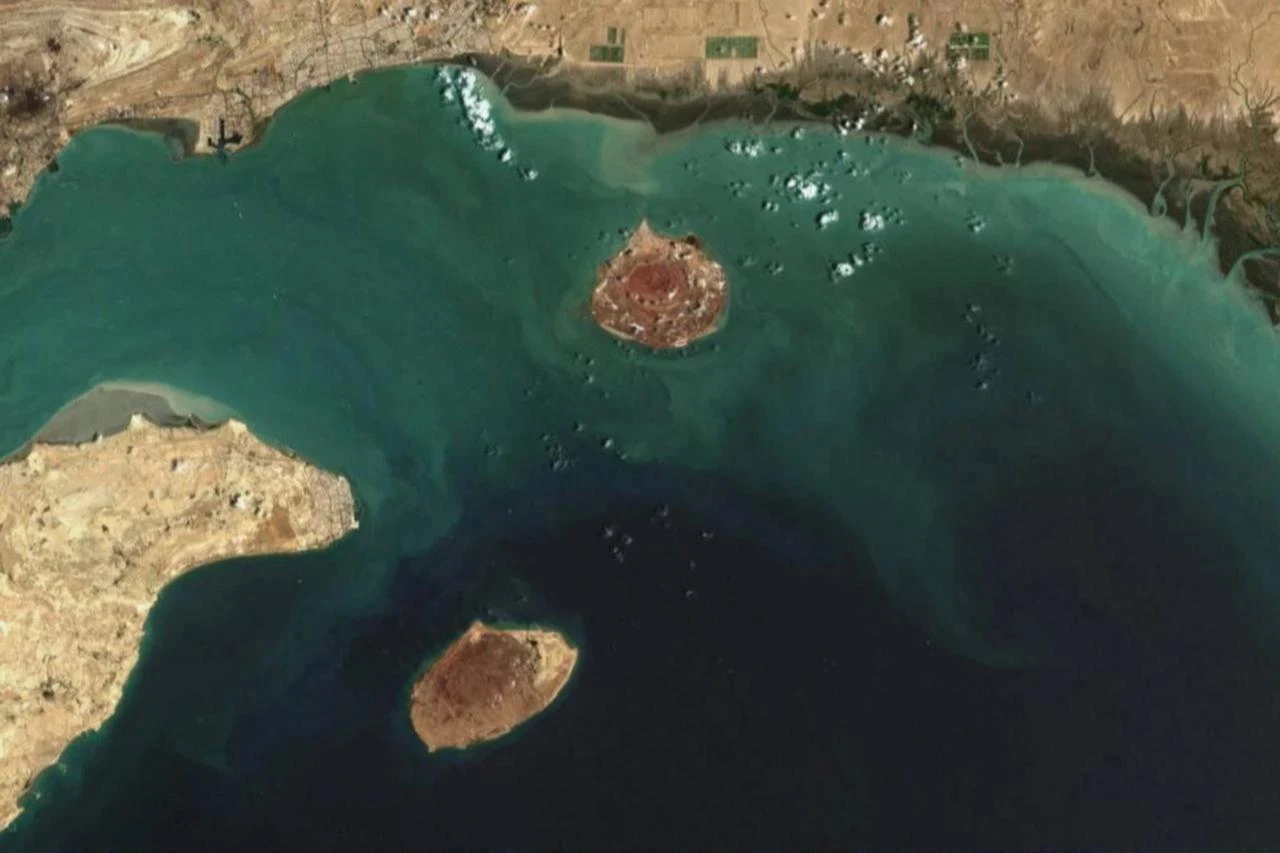


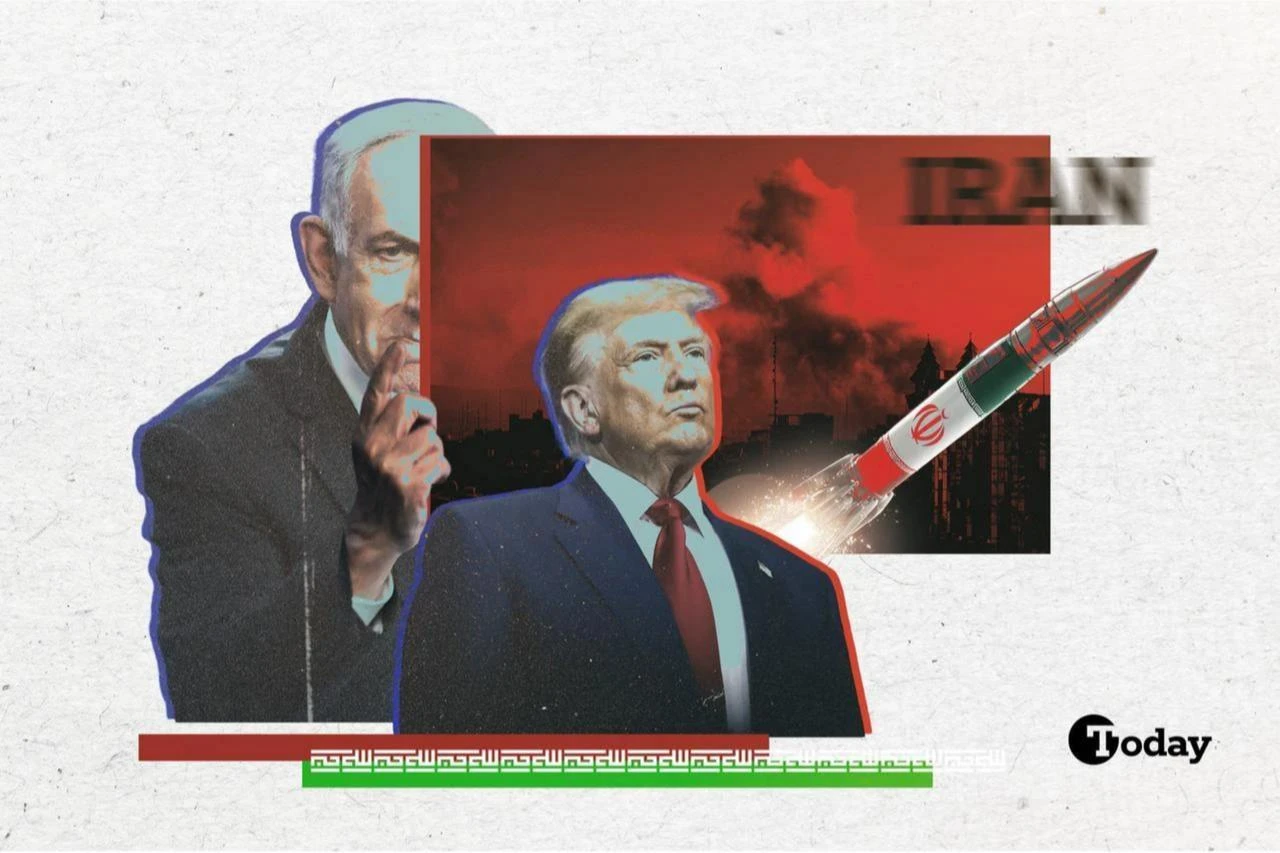
President Donald Trump said Thursday he was actively considering launching an attack on Iran larger than any previous U.S. military operation against the country, hours after a U.S. missile struck a coastal area of Iran's Qeshm Island in the Strait of Hormuz. The back-to-back developments marked a sharp escalation in a conflict that has driven oil prices past $100 a barrel and unsettled global shipping routes.
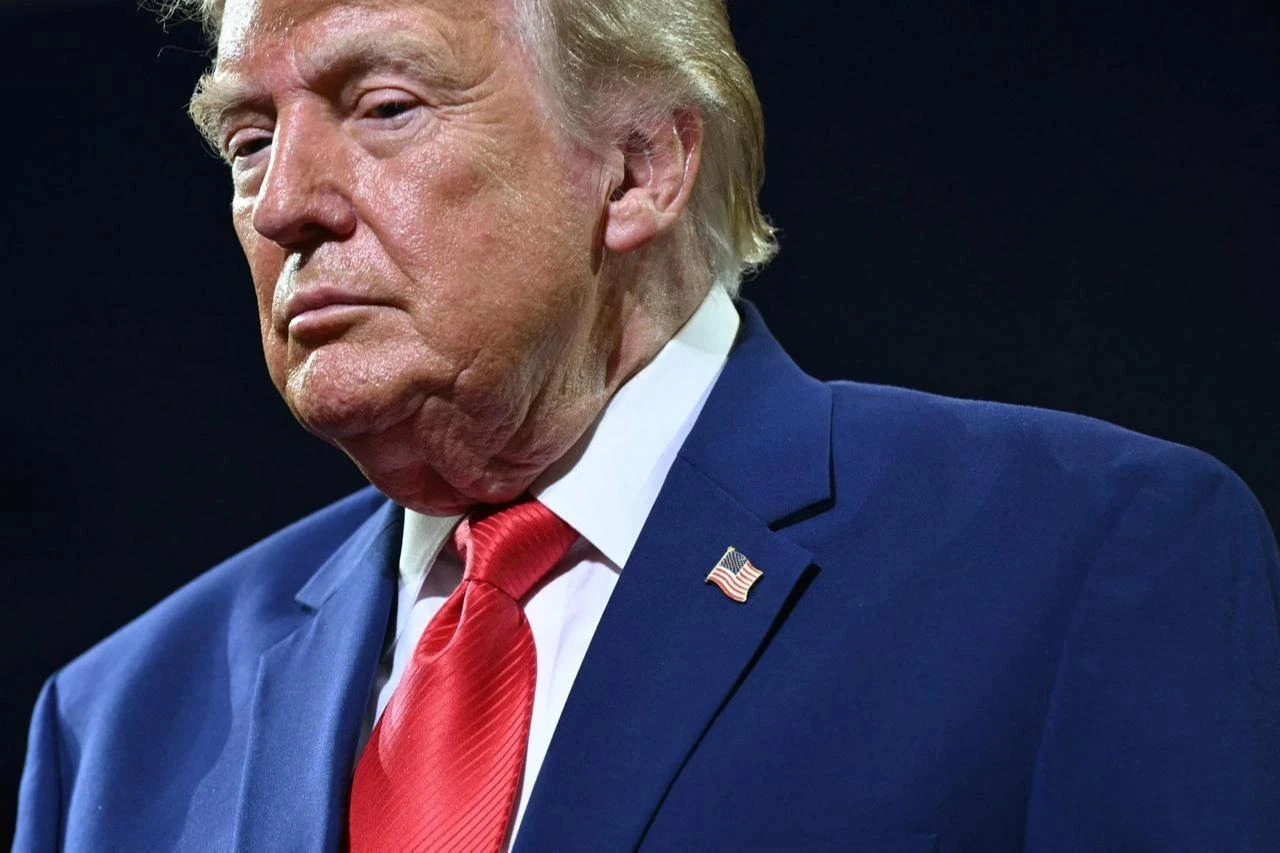
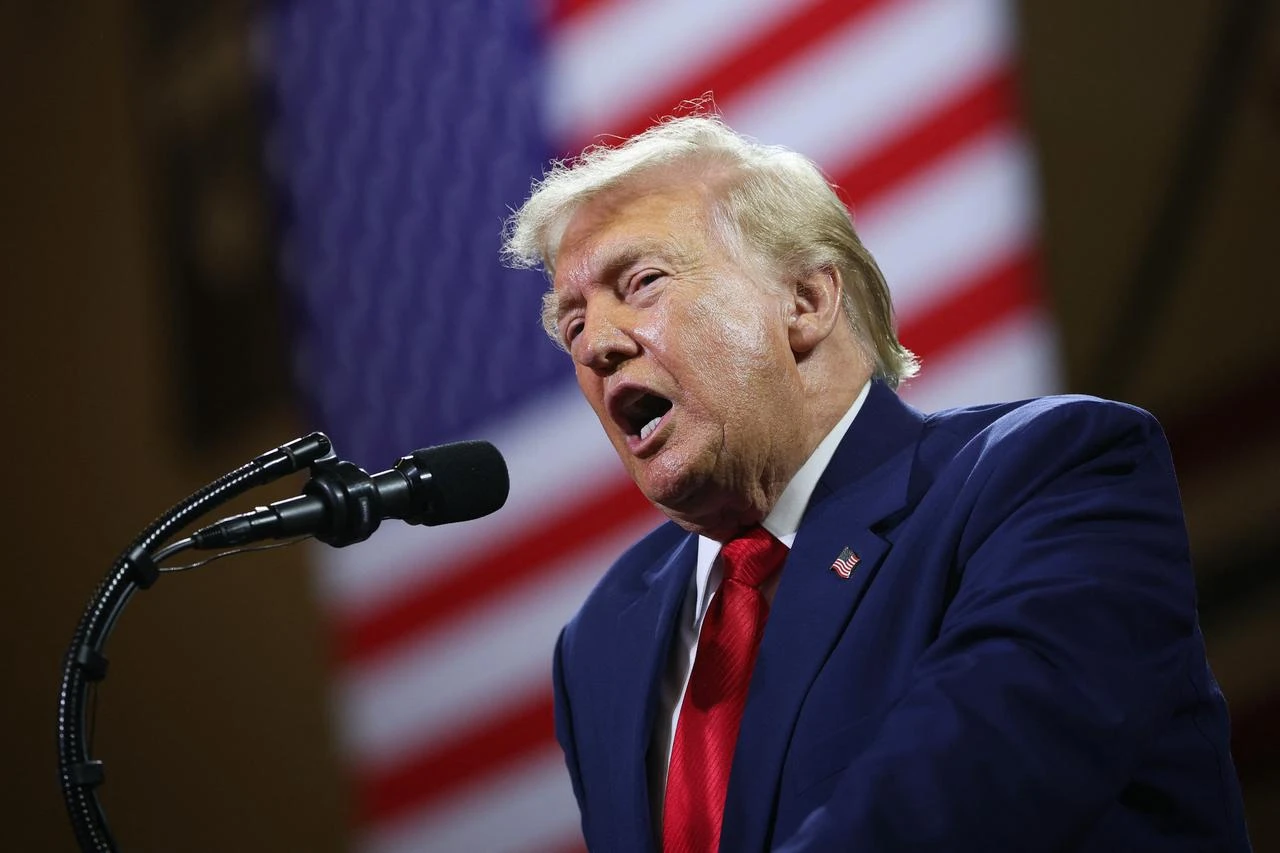
"I am considering a massive attack. Bigger than anything that has happened before. I am close to making a decision. We are fully prepared for it," Trump told Channel 12 journalist Barak Ravid in a brief telephone interview Thursday. He gave no timeframe but said the strikes he was contemplating would surpass Operation Epic Fury, the existing U.S. campaign against Iran.
Two other U.S. officials cited by Channel 12 said no final decision had been made and that no new orders had been issued to the military.

A U.S. missile struck a coastal area near the city of Suza on Qeshm Island at approximately 6:50 p.m. local time Thursday, according to semi-official Iranian news agency Tasnim. The missile landed along the city's shoreline. Iranian authorities were assessing the site and investigating possible damage, and no information on casualties had been released at the time of reporting.
Qeshm, the largest island in the Persian Gulf, sits at the entrance to the Strait of Hormuz, one of the world's most strategically sensitive chokepoints. Roughly a fifth of global oil supply transits the strait, and the island hosts several Iranian military installations.
Despite Trump's statements, Tehran showed no sign of imminent concessions. Two regional sources involved in mediation told Channel 12 that Iran's leadership had rejected the latest proposal presented by go-betweens. "We are trying, but the Iranians are not cooperating," one of the sources said.
Trump acknowledged that Iran wanted to negotiate but said the country was not yet ready to reach an agreement. "They still haven't suffered enough pain," he said.
An adviser to Supreme Leader Ali Khamenei, Mohammad Mokhber, warned Thursday on X that a broadening conflict could have worldwide consequences. "The fire that the United States is lighting in the region's oil and gas fields will engulf the entire world," he wrote, adding that Iran's armed forces would seek to escalate the confrontation further. He attributed oil's rise to $100 not to production cuts but to disruptions in transportation.
Trump said Israel "would join within two minutes" if asked but added that Washington did not require any partner to launch a new operation. He cautioned that there would be "consequences" if Israel participated, a remark that appeared to allude to the risk of Iranian retaliation against Israeli targets.
On Capitol Hill, the U.S. House voted 214-208 Thursday to limit Trump's authority to continue military action against Iran without congressional approval, with four Republicans crossing the aisle to support the measure. The vote carried symbolic weight as a political rebuke but is not legally binding and would not compel the administration to halt operations.
In the Gulf, Iranian parliament speaker Mohammad Bagher Ghalibaf mocked the U.S. naval blockade of Iran in the Persian Gulf, writing on X that Washington had "punished themselves with triple-digit oil instead."
Separately, the UAE and Qatar both condemned a Houthi attack on the Saudi-flagged vessel Encelia in the Red Sea, calling it a dangerous escalation threatening international navigation and energy security.
Qatar urged the international community to enforce UN Security Council resolutions on Yemen and freedom of navigation. Both countries expressed solidarity with Riyadh.
Reuters reported Thursday, citing four sources familiar with the matter, that Iran had flown Revolutionary Guard Corps commanders, military advisers and missile- and drone-related equipment into Yemen on July 13 aboard a Mahan Air flight, in what sources described as an effort to enhance Houthi operational capacity in the Red Sea.
Between 10 and 21 IRGC personnel, including senior commanders, were aboard, according to two Iranian sources cited by Reuters. One source said gold was also transported on the aircraft to fund Houthi activities. The plane diverted from Sanaa to Hodeidah after the capital's airport came under attack.
On the diplomatic front, Omani Foreign Minister Badr Al Busaidi and newly appointed British Foreign Secretary Ed Miliband met on the sidelines of an ASEAN ministerial gathering in Manila marking the 50th anniversary of the Treaty of Amity and Cooperation. The two discussed restoring safe navigation through the Strait of Hormuz, efforts to halt regional fighting and the resumption of negotiations, stressing that freedom of navigation must be upheld in accordance with international law.


 Set as preferred source
 Set as preferred source


 1 min read
 1 min read