Newsletters


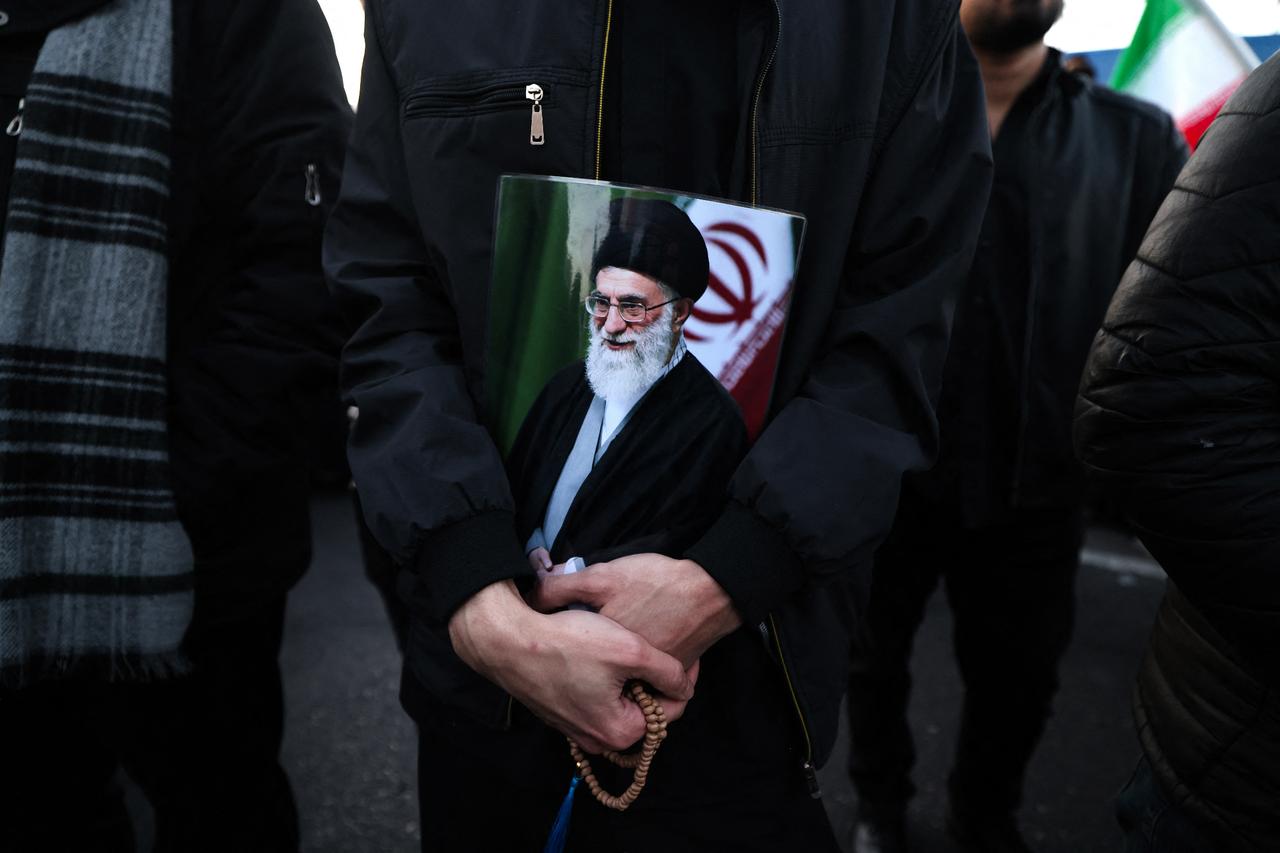


The Central Intelligence Agency (CIA) tracked Supreme Leader Ali Khamenei for months and pinpointed a rare gathering of Iran's senior political and military leaders at a government compound in Tehran on Saturday morning, providing the intelligence that led Israel to adjust its attack timing and strike in broad daylight, killing Khamenei and dozens of top officials, The New York Times (NYT) and The Wall Street Journal (WSJ) reported.
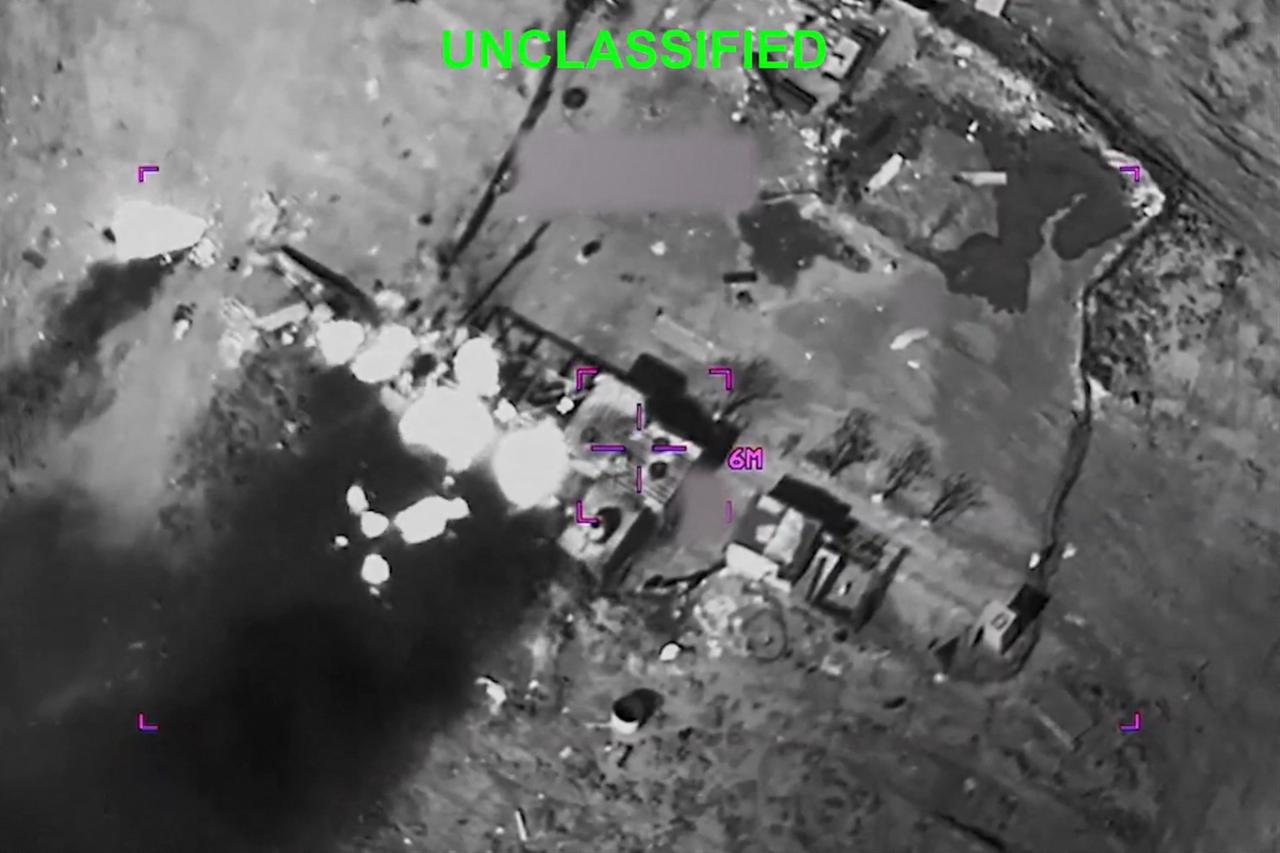
Israeli jets dropped 30 bombs on Khamenei's compound, leaving it "scorched and shattered," the WSJ reported.
The operation began around 6:00 a.m. Israel time, with strikes hitting the compound at approximately 9:40 a.m. Tehran time, two hours and five minutes after the jets took off.

The CIA had been tracking Khamenei for months, gaining increasing confidence about his locations and patterns, according to people familiar with the operation cited by The New York Times.
The agency then learned that a meeting of top Iranian officials would take place Saturday morning at a leadership compound in central Tehran and, most critically, that the supreme leader would be present.
The CIA passed intelligence offering "high fidelity" on Khamenei's position to Israel, according to people briefed on the intelligence.
Israeli officials said intelligence officers had identified not just one meeting but three taking place simultaneously.
The leaders were gathered in the offices of the Iranian presidency, the supreme leader, and Iran's National Security Council.
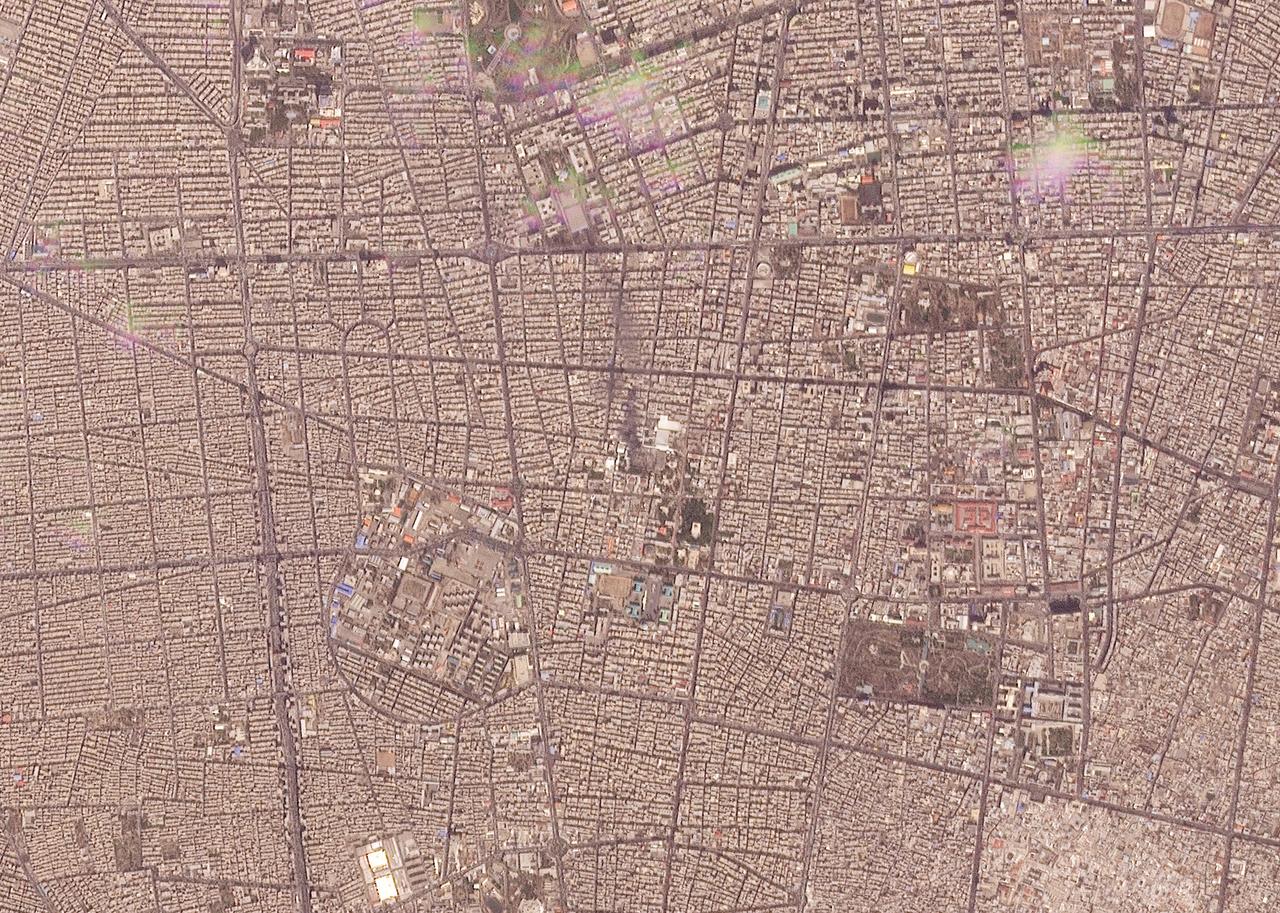
The U.S. and Israel, which had originally planned to strike at night under the cover of darkness, adjusted the timing to take advantage of the information about the daytime gathering.
"Everybody waited for a target at midnight, when there is cover of darkness," said Amos Yadlin, a former head of Israeli military intelligence, speaking to WSJ, noting that Israel struck late at night at the start of its surprise attack on Iran last June.
The daylight attack, he said, "was a tactical surprise."
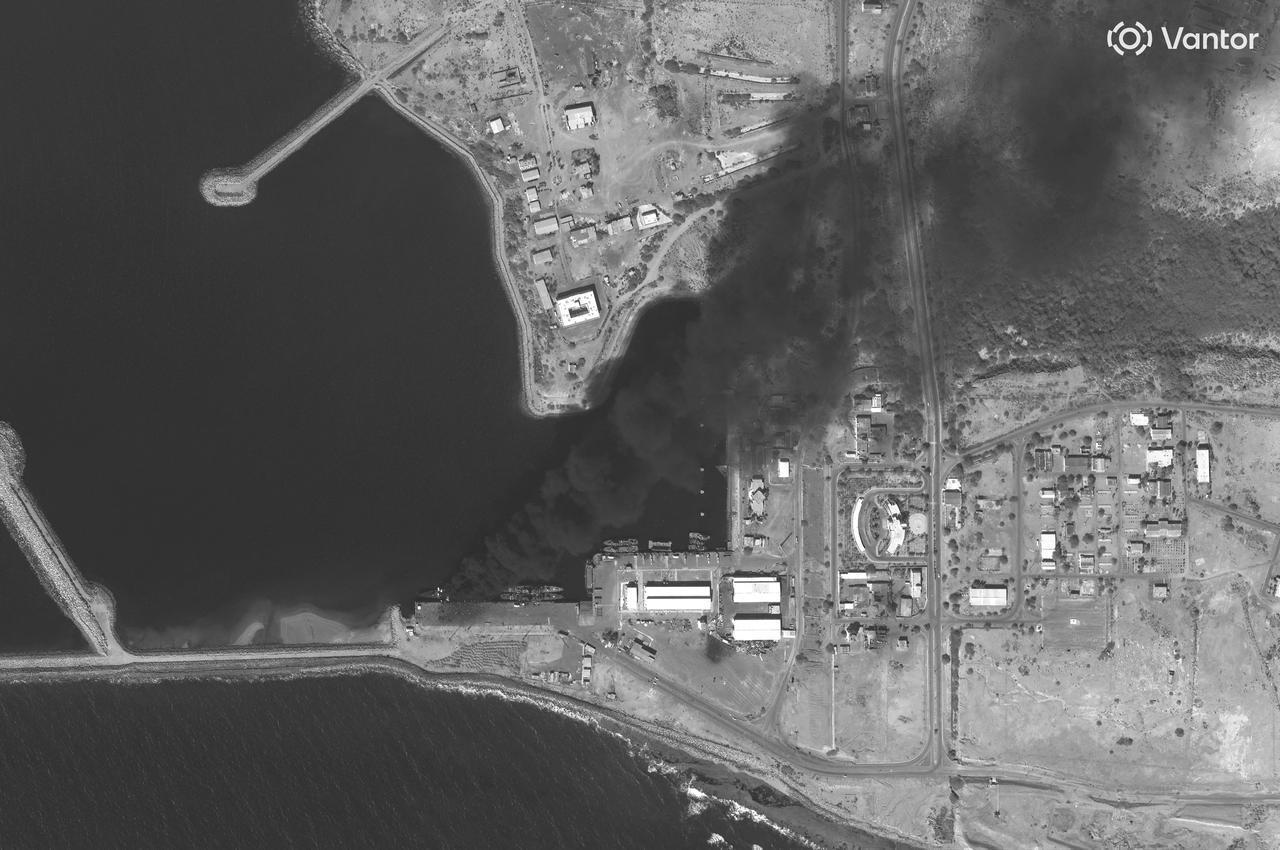
Israel said it had killed multiple senior Iranian officials in the strikes. Iran's state news agency IRNA confirmed on Sunday the deaths of Rear Adm. Ali Shamkhani, head of the Military Council and a top security adviser to Khamenei, and Maj. Gen. Mohammed Pakpour, commander of the Revolutionary Guard Corps.
Israel said Defense Minister Amir Nasirzadeh was also killed.
The gathering targeted included Seyyed Majid Mousavi, commander of the Revolutionary Guard Aerospace Force, and Mohammad Shirazi, the deputy intelligence minister, among others.
An Israeli defense official wrote in a message reviewed by the Times: "This morning's strike was carried out simultaneously at several locations in Tehran, in one of which senior figures of Iran's political-security echelon had gathered."
The official said that despite Iranian preparations for war, Israel managed to achieve "tactical surprise" with its compound attack. At the time of the strike, senior national security officials were in one building at the compound. Khamenei was in another nearby building.
 1 min read
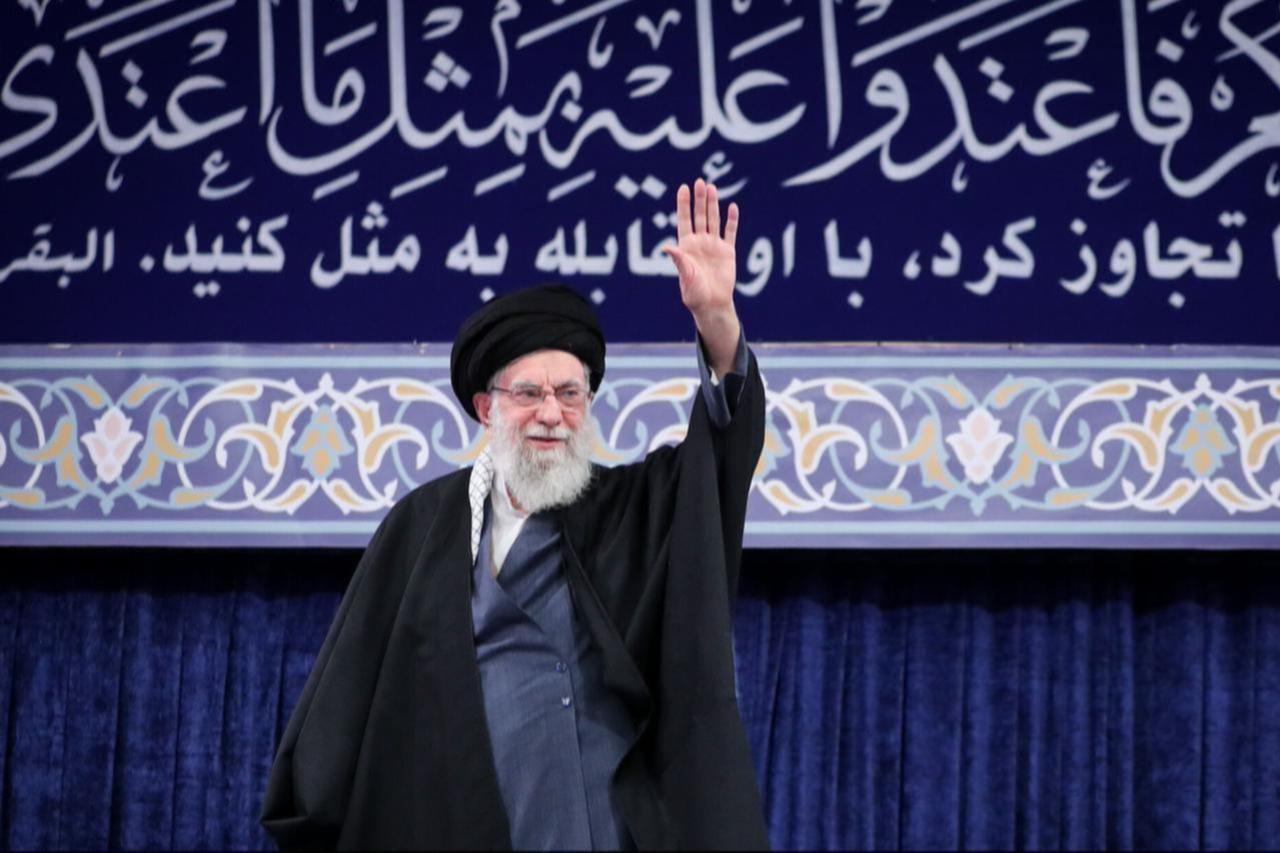
The remarkably swift elimination of Iran's supreme leader reflected the deep intelligence the U.S. and Israel had developed on Iranian leadership, especially in the wake of last year's 12-day war.
The operation also exposed the failure of Iran's leaders to take adequate precautions despite clear signals from both countries that they were preparing for war.
CBS News reported Saturday that roughly 40 Iranian officials were killed in the strikes overall.
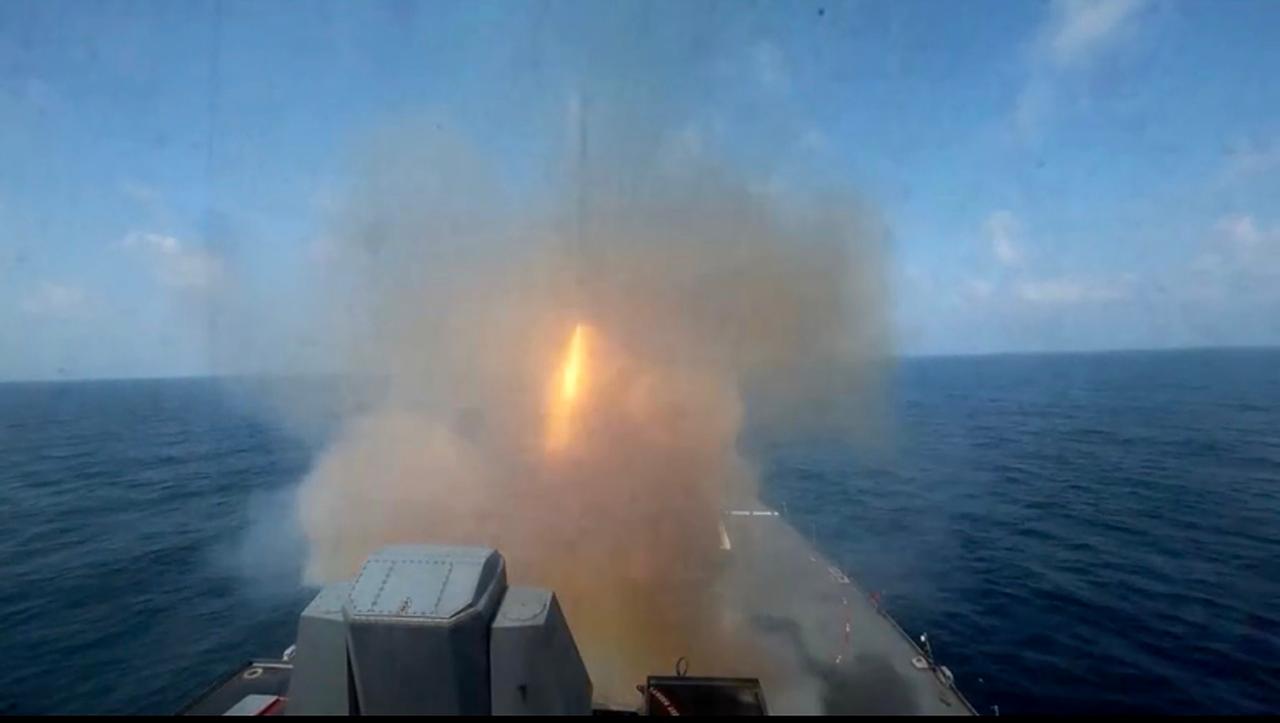
Iran's UN Ambassador Amir Saeid Iravani condemned the attacks at an emergency U.N. Security Council session on Saturday.
"What is occurring against my country is a clear act of aggression. It is an open armed aggression against the Islamic Republic of Iran," Iravani said.
"The United States' and Israel's war today is not merely a war against Iran. It is a war against the Charter of the United Nations, a war against international law, and a war against international legal order," he added.
Iravani stated that Tehran had repeatedly communicated concerns about "warmongering statements and interfering actions in the internal affairs of Iran by the President of the U.S." to the Security Council and the Secretary-General, but "all were unanswered."
Trump noted Saturday that the killing of Khamenei makes a diplomatic solution "much easier now" and that "there are some good candidates" to lead Iran, without elaborating.


 Set as preferred source
 Set as preferred source


 1 min read