Newsletters


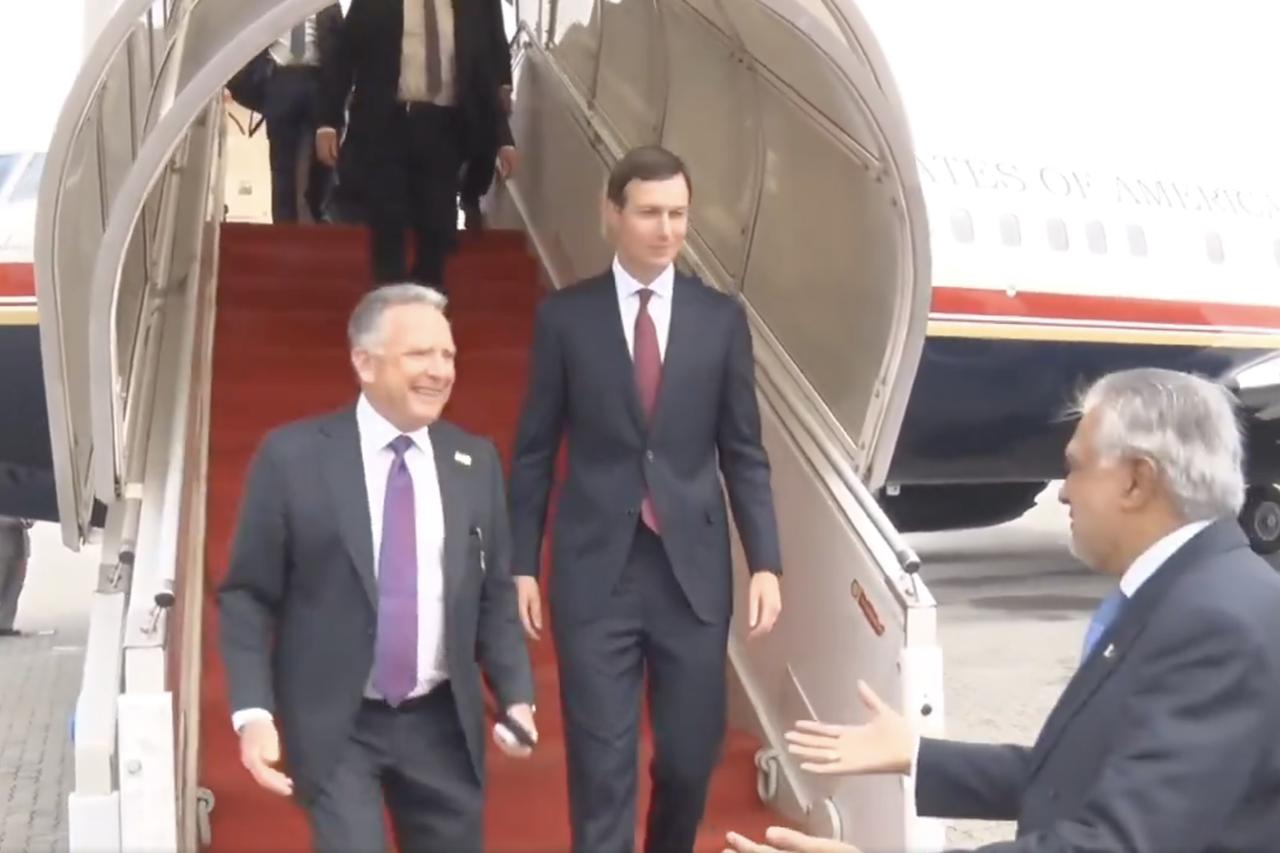


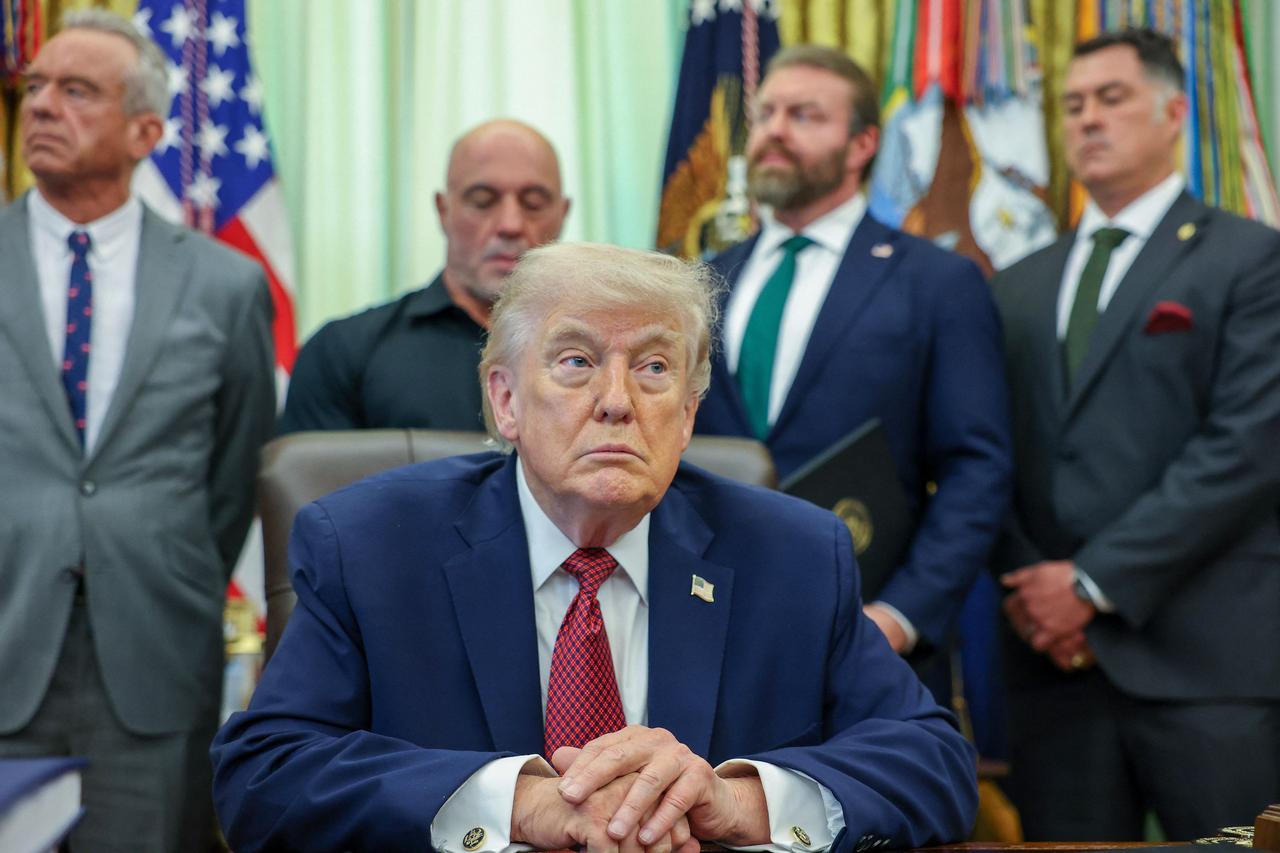
Conflicting accounts emerged Sunday over the United States delegation set to travel to Pakistan for a new round of talks with Iran, after United States President Donald Trump said Vice President JD Vance would not attend.
Turkish news agency Anadolu, citing a White House official, reported that Vance, Special Envoy Steve Witkoff and Jared Kushner were expected to travel to Pakistan for the talks.
However, Trump said he was sending negotiators to Islamabad but that Vance would not lead the delegation.
“It’s only because of security,” Trump told ABC News, dismissing suggestions that Vance’s absence was linked to concerns about his ability to secure a deal.
“JD’s great,” he added.
However, Agence France-Presse later reported, also citing a White House official, that Vance would lead the U.S. delegation to the talks.
Trump said Sunday that U.S. representatives are set to arrive in Islamabad on Monday evening for negotiations.
“My Representatives are going to Islamabad, Pakistan -- They will be there tomorrow evening, for Negotiations,” he wrote on his Truth Social account.
Separately, Trump told the New York Post that talks to end the Iran conflict would resume this week, confirming Witkoff would travel to Pakistan.
“Steve’s going to be going there tomorrow night,” Trump said, adding that Kushner would also take part in discussions scheduled for Tuesday.
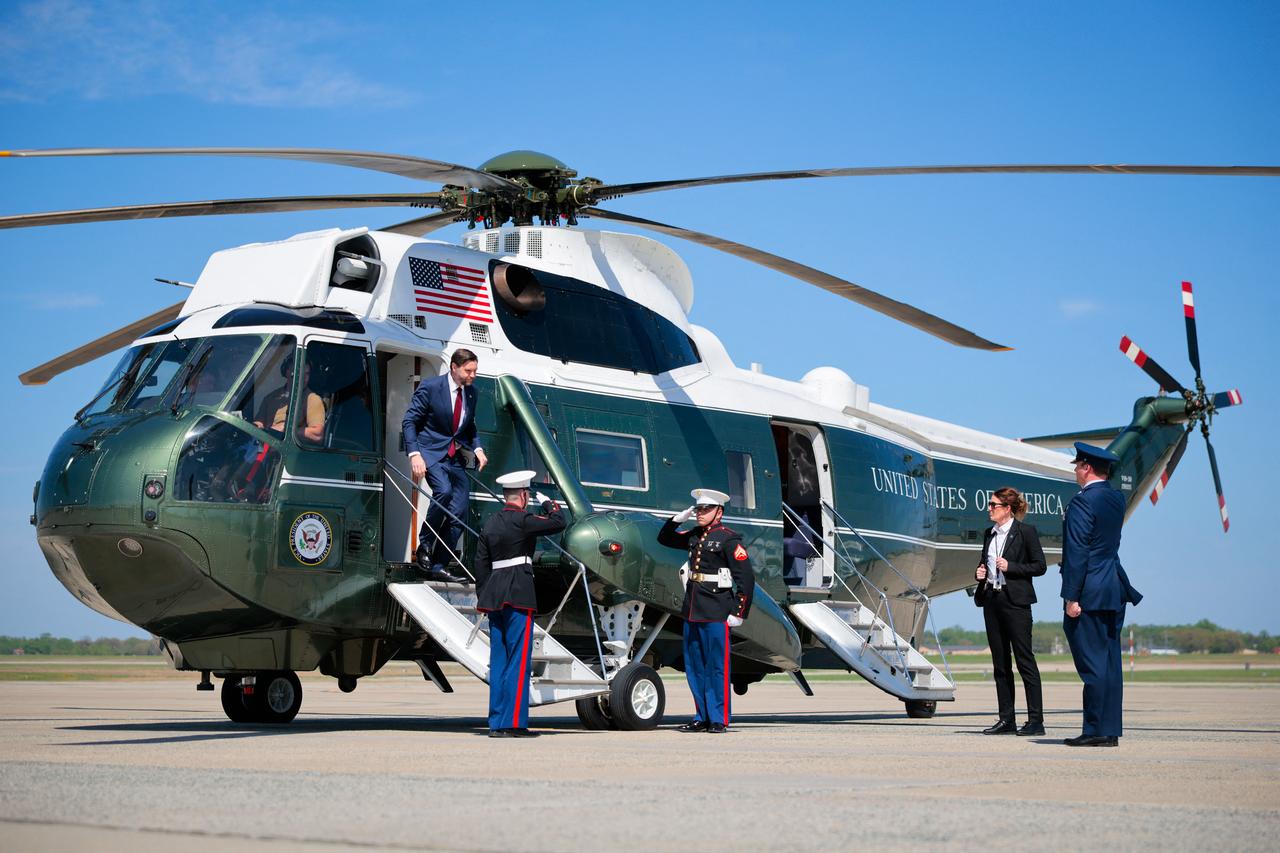

U.S. media outlets reported differing accounts. ABC News and Axios said Vance could lead the delegation, while U.S. Energy Secretary Chris Wright told CNN that the vice president would travel to Islamabad.
ABC later reported that Trump said Vance would not go due to security concerns, noting the U.S. Secret Service could not arrange the visit on short notice. There was no immediate comment from the White House or Vance’s office.
Trump told Fox News that meetings are expected to begin Tuesday and could extend into Wednesday as negotiators seek to finalize an agreement.
He also left open the possibility of traveling to Islamabad himself if progress is made, citing reports that Qatari officials had been seen in the Pakistani capital ahead of the talks.
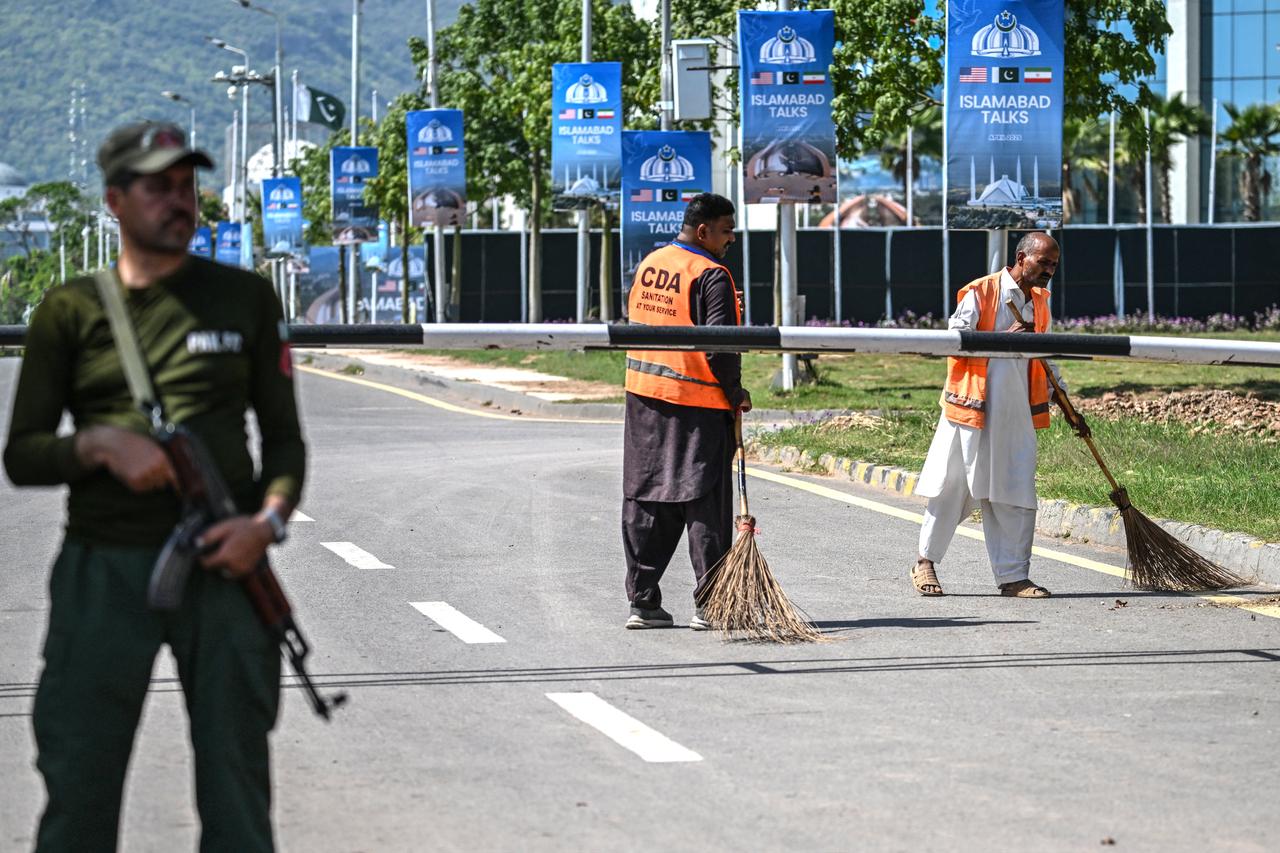
Pakistan hosted the highest-level engagement between the United States and Iran on April 11-12 — the first since diplomatic ties were severed in 1979 — but the talks ended without agreement.
The negotiations, known as the Islamabad Talks, followed mediation efforts by Pakistan after the war began on Feb. 28 and led to a 14-day ceasefire that took effect on April 8.
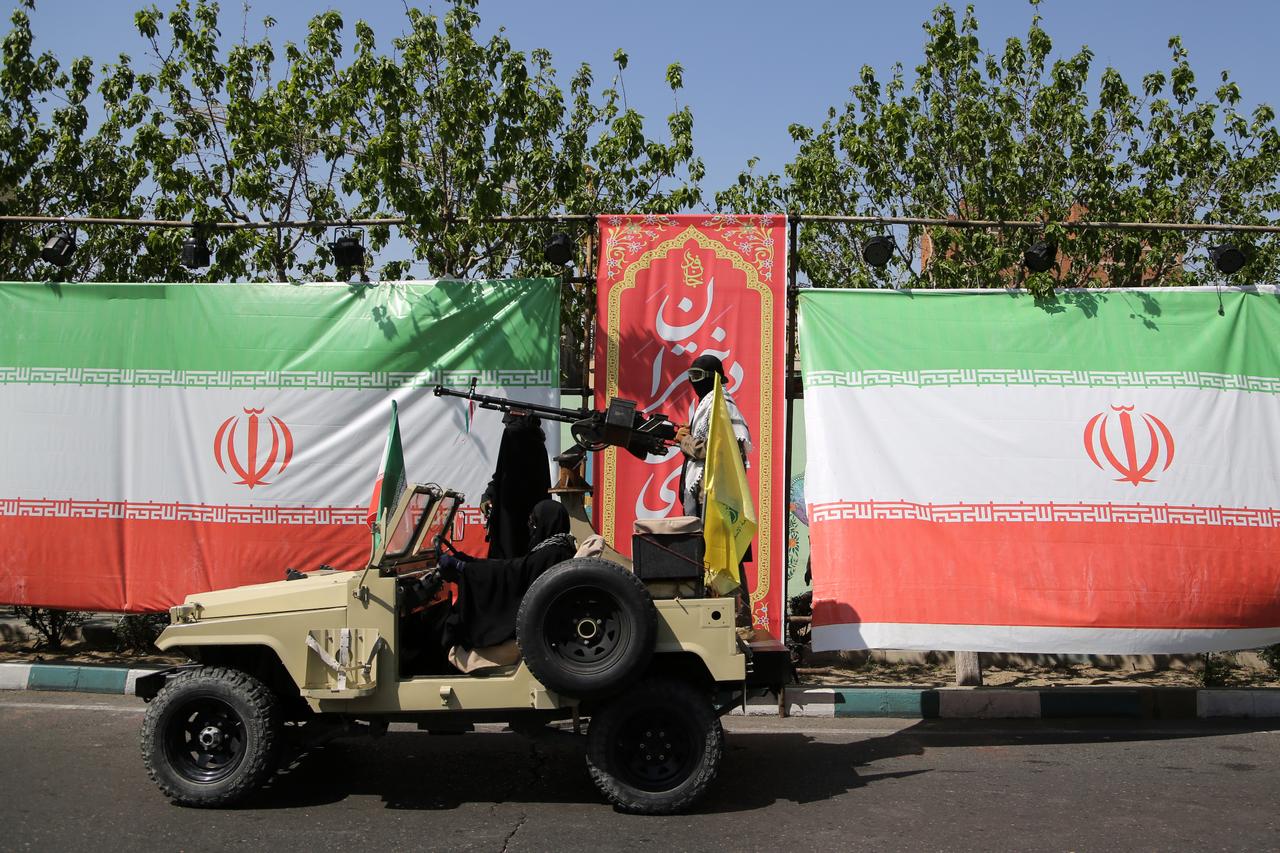
“Iran decided to fire bullets yesterday in the Strait of Hormuz -- A Total Violation of our Ceasefire Agreement!” Trump said, alleging Iranian forces targeted vessels, including a French ship and a U.K.-flagged freighter.
He also said Iran had threatened to close the strategic waterway, arguing such a move would be self-damaging.
“They're helping us without knowing, and they are the ones that lose with the closed passage, 500 million dollars a day,” he said.
Trump said global shipping routes continued to supply the United States, with vessels heading toward ports in Texas, Louisiana and Alaska.
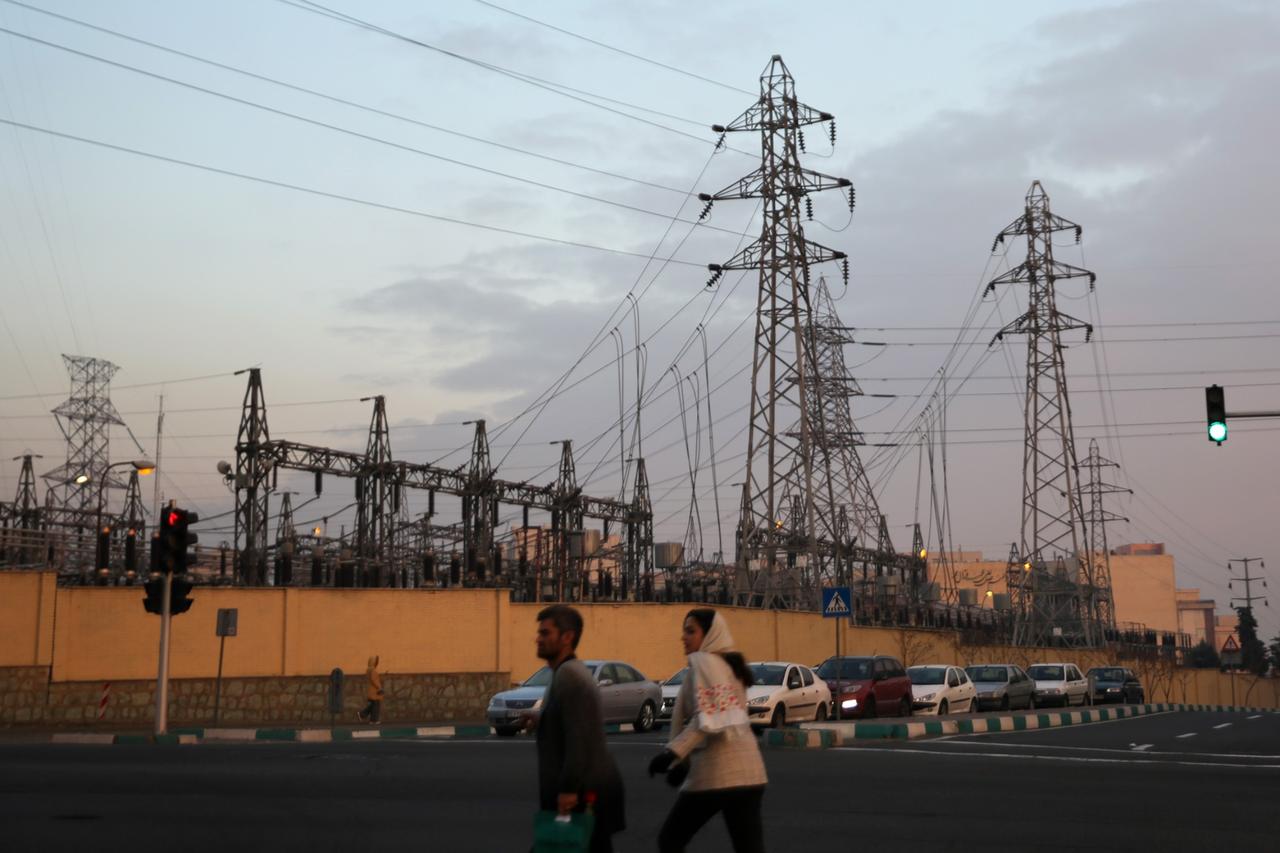
“We're offering a very fair and reasonable DEAL, and I hope they take it because, if they don't, the United States is going to knock out every single Power Plant, and every single Bridge, in Iran. NO MORE MR. NICE GUY!” he said.
He added that previous administrations had failed to address Iran and reiterated a hardline stance.
“IT'S TIME FOR THE IRAN KILLING MACHINE TO END!” Trump said.
In a separate interview with Fox News, Trump warned that if Iran does not accept the deal, “the whole country is getting blown up,” adding that bridges and power plants could be targeted.
“We’re preparing to hit them harder than any country has ever been hit before because you cannot let them have a nuclear weapon,” he said.


 Set as preferred source
 Set as preferred source


 1 min read
 1 min read