Newsletters


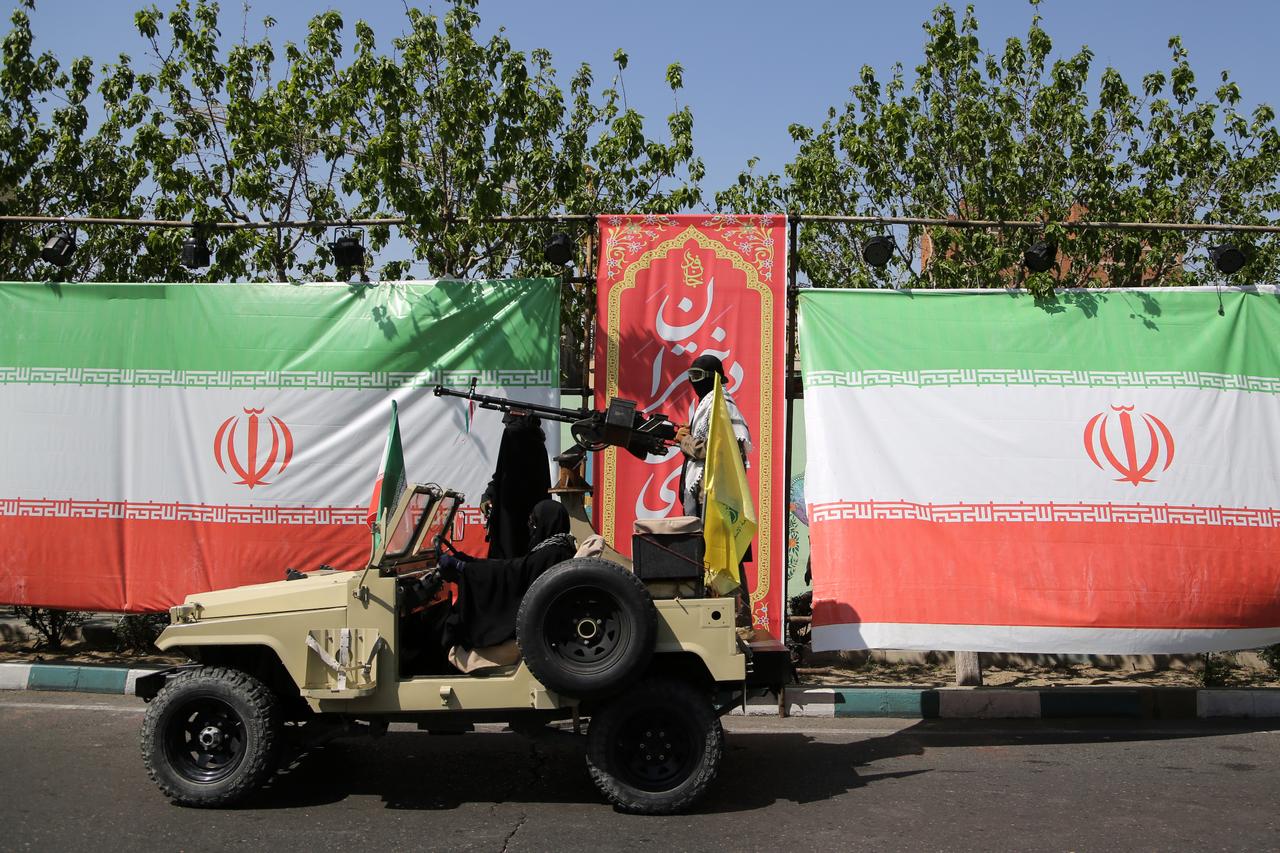


Iran's Foreign Ministry spokesperson Esmaeil Baqaei stated on Sunday that the U.S. naval blockade of Iranian ports is not only a violation of the Pakistani-mediated ceasefire but also "unlawful and criminal" under international law.
He called the blockade an act of aggression under a UN General Assembly resolution and, by inflicting collective punishment on the Iranian population, amounted to "war crime and crime against humanity."
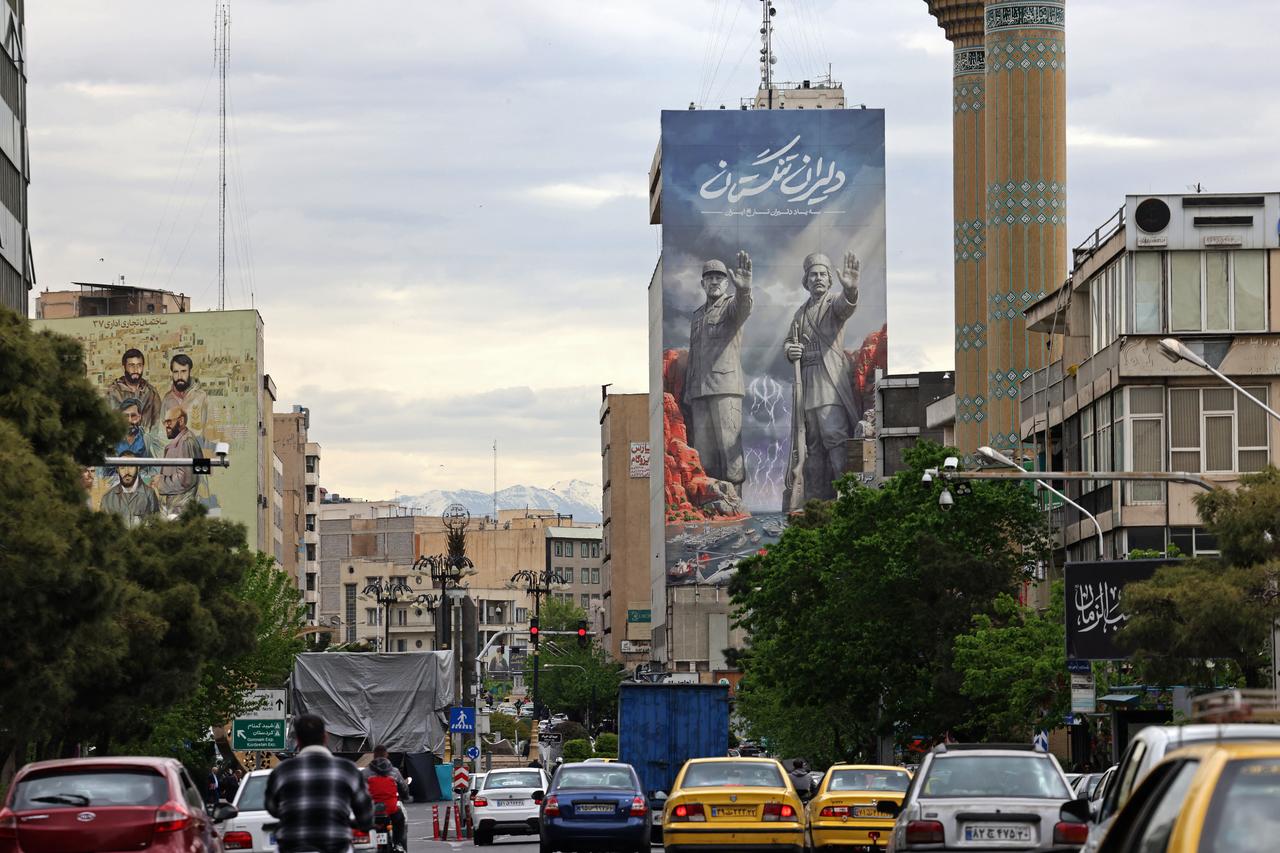

Baqaei laid out Iran's legal case in full on X, stating, "The United States' so-called 'blockade' of Iran's ports or coastline is not only a violation of Pakistani-mediated ceasefire but also both unlawful and criminal. It violates Article 2(4) of the UN Charter; it constitutes an act of aggression under Article 3(c) of the UN General Assembly Resolution 3314 (1974), which explicitly includes the blockade of a state's ports or coasts among such acts."
"Moreover, by deliberately inflicting collective punishment on the Iranian population, it amounts to war crime and crime against humanity," Baqaei added.
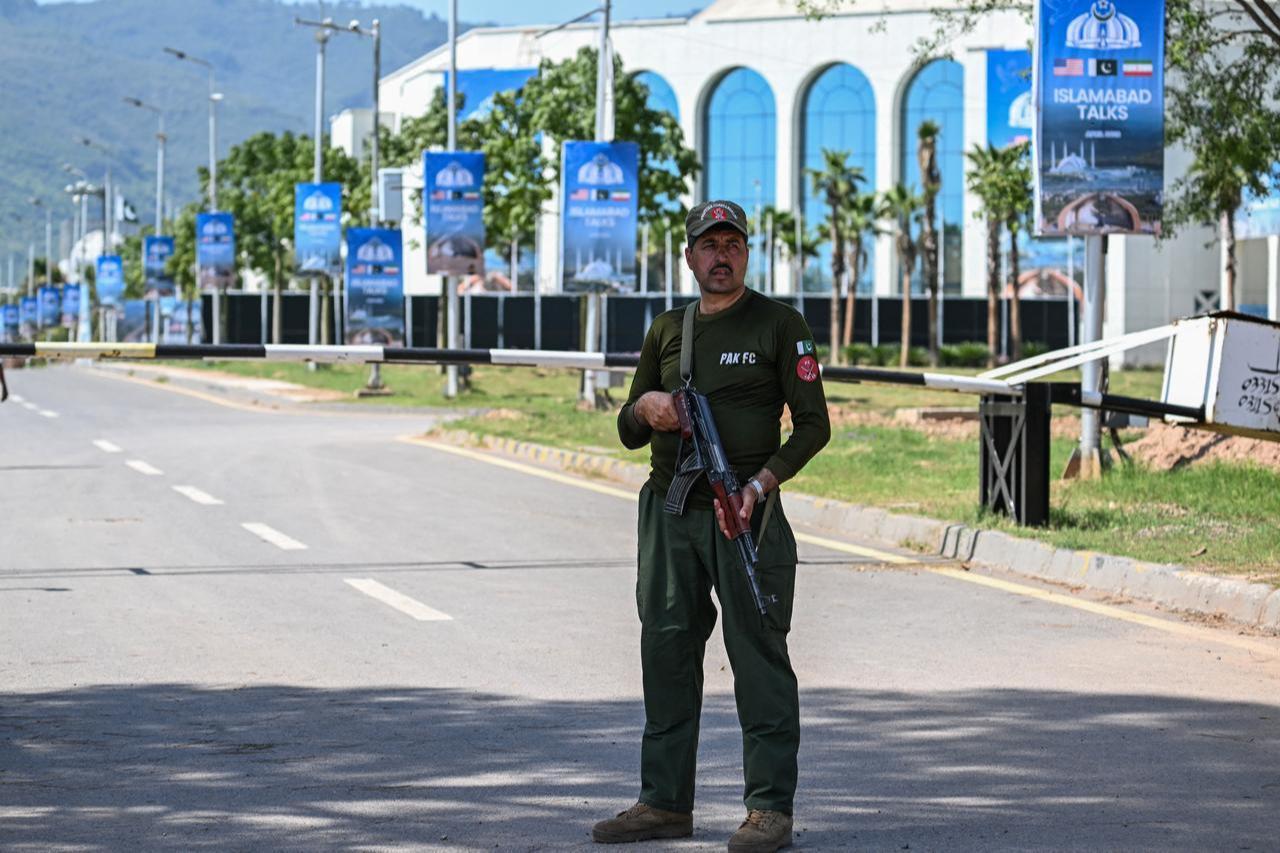
Pakistani sources told Türkiye's state-run Anadolu Agency (AA) that at least two U.S. planes carrying advance delegates landed in Islamabad on Sunday and moved to a five-star hotel, the same venue that hosted the first round of talks on April 11-12.
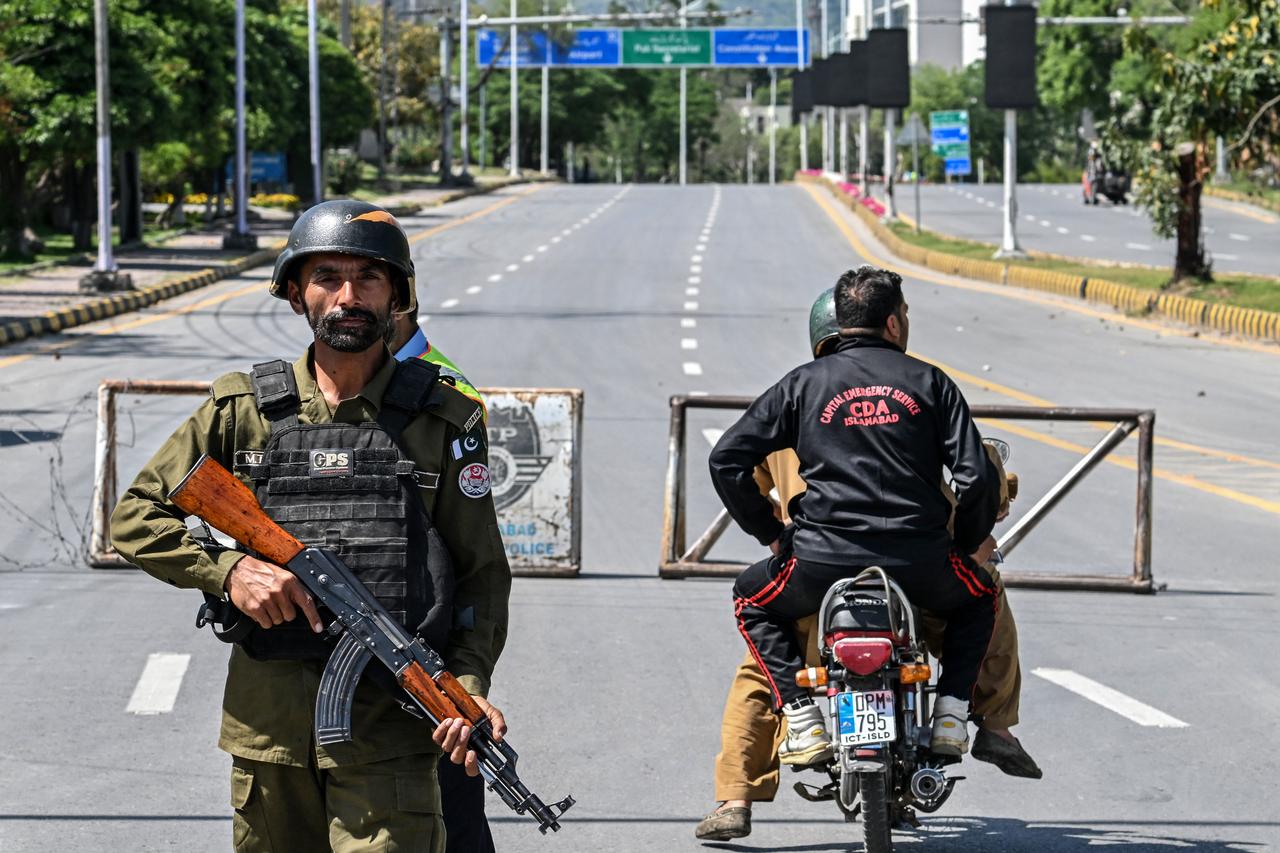
Islamabad police announced that the Red Zone and Extended Red Zone would "remain completely closed for all kinds of traffic" due to foreign delegation arrivals.
Public and heavy transport to and from Islamabad was suspended "until further orders." Universities and colleges were closed until April 26 and students were ordered to vacate hostels immediately.
Thousands of police and paramilitary personnel were deployed across the capital.
Trump confirmed the deployment on Truth Social: "My Representatives are going to Islamabad, Pakistan. They will be there tomorrow evening, for Negotiations."
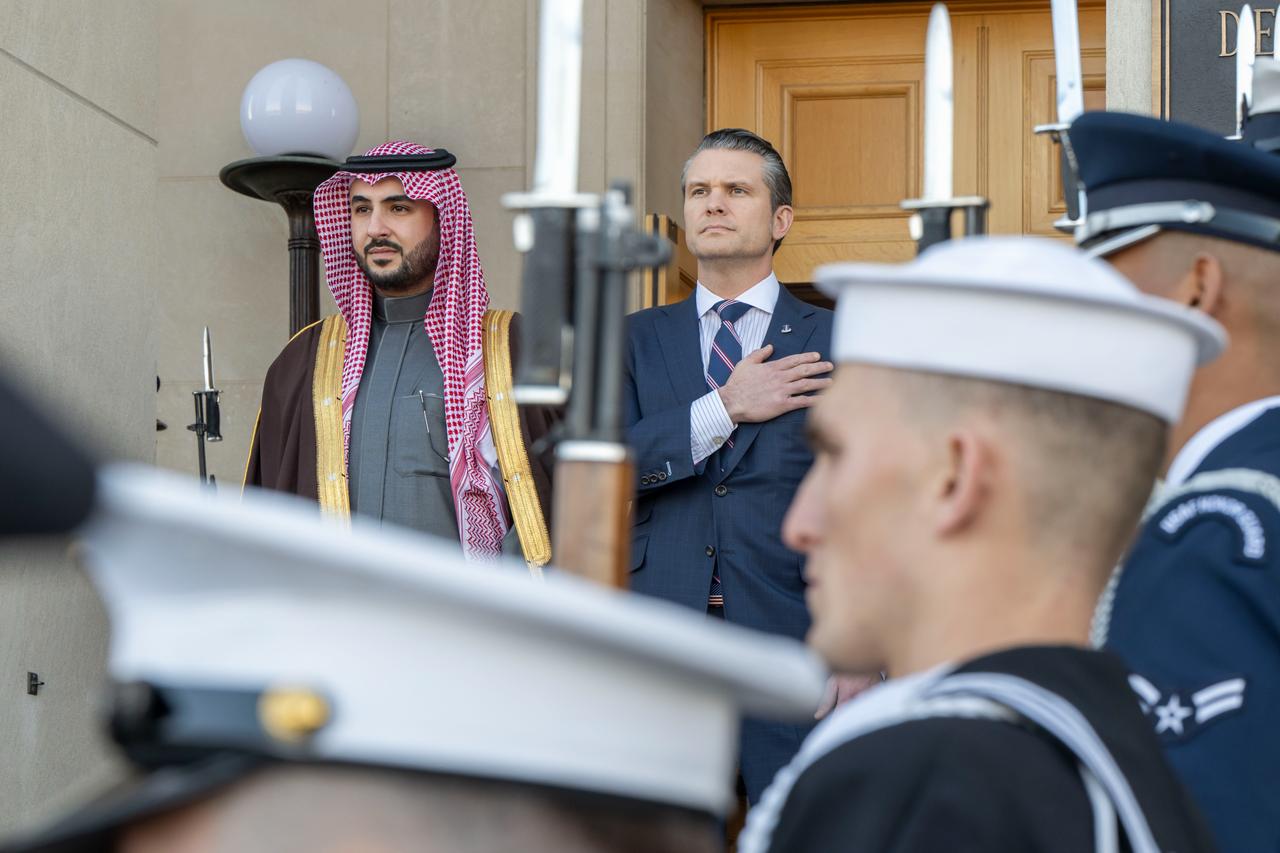
U.S. Vice President JD Vance will not lead the U.S delegation for new talks with Iran in Pakistan, U.S. President Donald Trump told ABC News on Sunday, citing security concerns, despite top officials suggesting Vance would make the trip.
"It's only because of security," Trump told ABC News of the reason Vance is not making the trip. "JD's great."
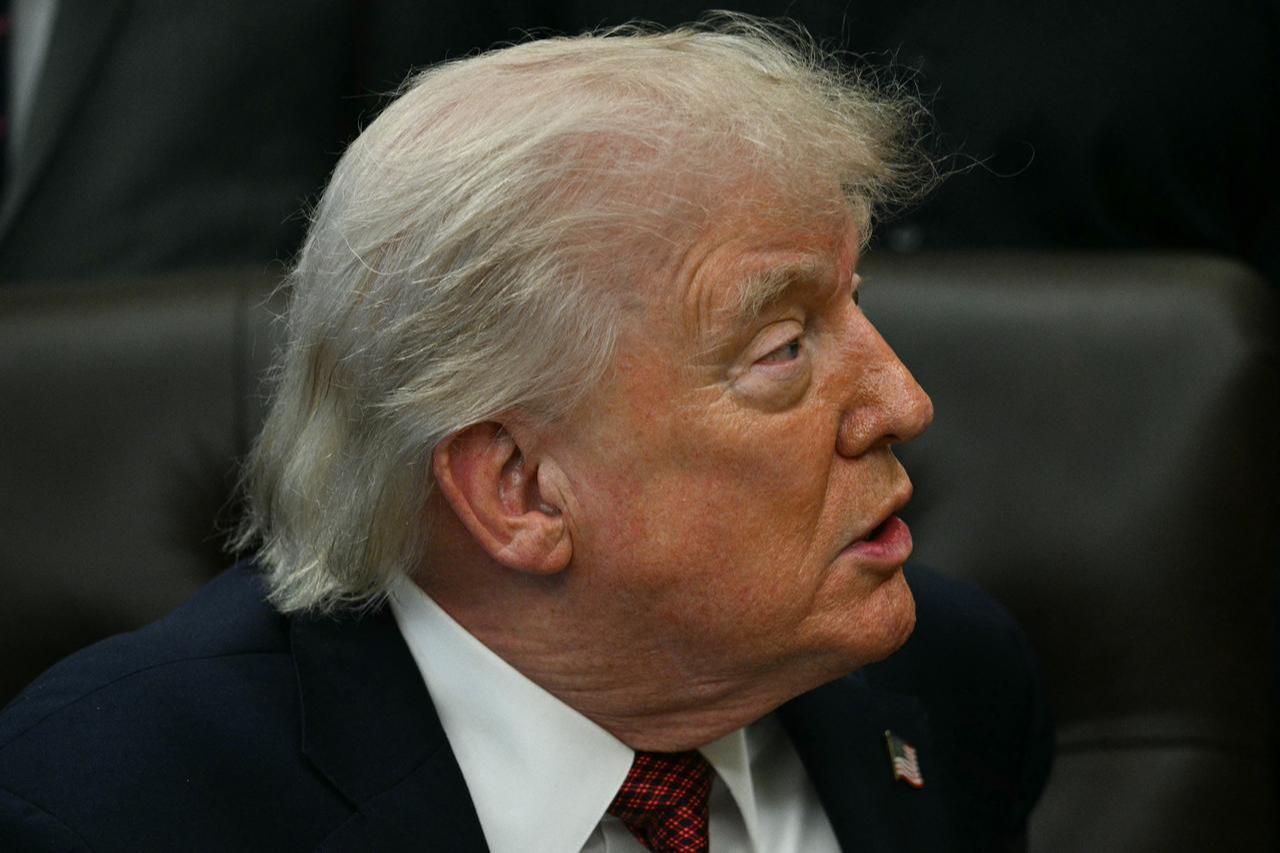
Trump posted a series of escalating threats on Truth Social on Sunday.
"Iran decided to fire bullets yesterday in the Strait of Hormuz, a total violation of our ceasefire agreement!" he wrote.
He then warned: "We're offering a very fair and reasonable deal, and I hope they take it because, if they don't, the United States is going to knock out every single power plant and every single bridge in Iran. NO MORE MR. NICE GUY!"
He also said Iran was "helping us without knowing" by closing Hormuz, estimating the closure cost Iran "500 million dollars a day" and noting that American-bound vessels were heading toward ports in Texas, Louisiana and Alaska.
Iranian sources familiar with the negotiations told CNN that Tehran's delegation would arrive in Pakistan on Tuesday, with the same team as the first round, including Foreign Minister Abbas Araghchi and parliament speaker Mohammad Bagher Ghalibaf.
The sources expected a symbolic joint announcement of a ceasefire extension on Wednesday.
If talks proceeded smoothly and Trump agreed to travel to Islamabad, the scenario described by Iranian sources envisioned Iranian President Pezeshkian also traveling there for a "joint meeting of presidents" to sign a joint "Islamabad Declaration."
There was no official Iranian confirmation of the delegation's travel at the time of publication.
Ghalibaf confirmed Sunday that talks had produced partial results.
"We have reached conclusions on some issues, but there are still major gaps on others, and we are far from a final agreement," he said.
Iranian President Pezeshkian, speaking during a visit to the Ministry of Science, Research and Technology, said Iran did not want the war to expand.
"The Islamic Republic of Iran does not want the war to expand. The continuation of conflicts is not in the interest of any party. The solution to problems lies not in escalation, but in rationality, dialogue and avoiding further destruction," he said.
He urged regional solidarity against forces trying to drive countries into conflict to exploit their resources.


 Set as preferred source
 Set as preferred source


 4 min read