Newsletters


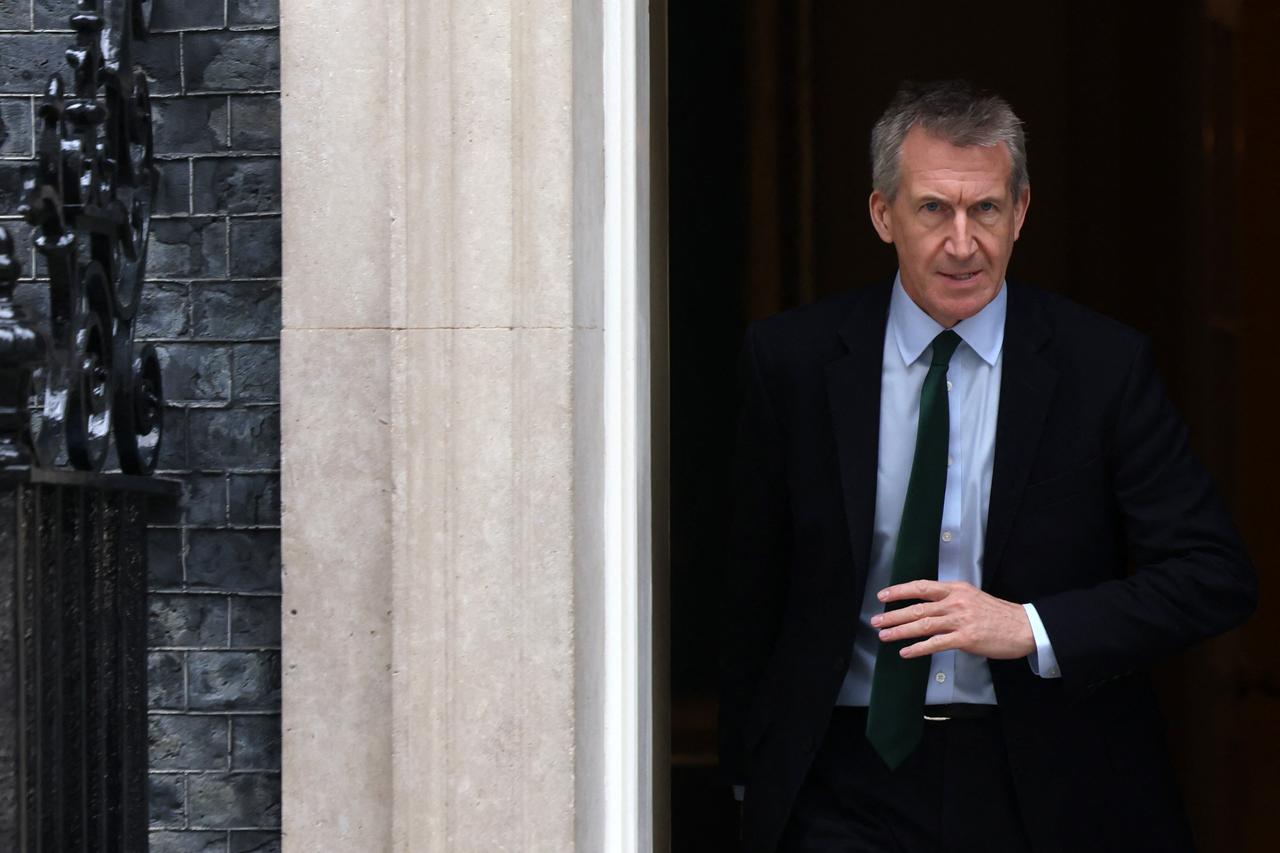


U.K. Defense Secretary John Healey resigned Thursday over the government's failure to commit to adequate military spending.
His departure triggered a cascade of three more defense resignations in just eight hours, including Armed Forces Minister Al Carns.
The rapid exit of four top officials severely weakens Prime Minister Keir Starmer's authority just a week before a crucial by-election and weeks ahead of NATO's annual summit in Ankara.
The resignations expose a fundamental fracture over Britain's military readiness at one of the most dangerous moments in decades, with Healey warning that Starmer's Defense Investment Plan leaves the UK "less safe."
Carns warned that the British military cannot keep pace with a rapidly changing threat environment, all while the NATO summit that Starmer has committed to publishing the plan before is just weeks away.

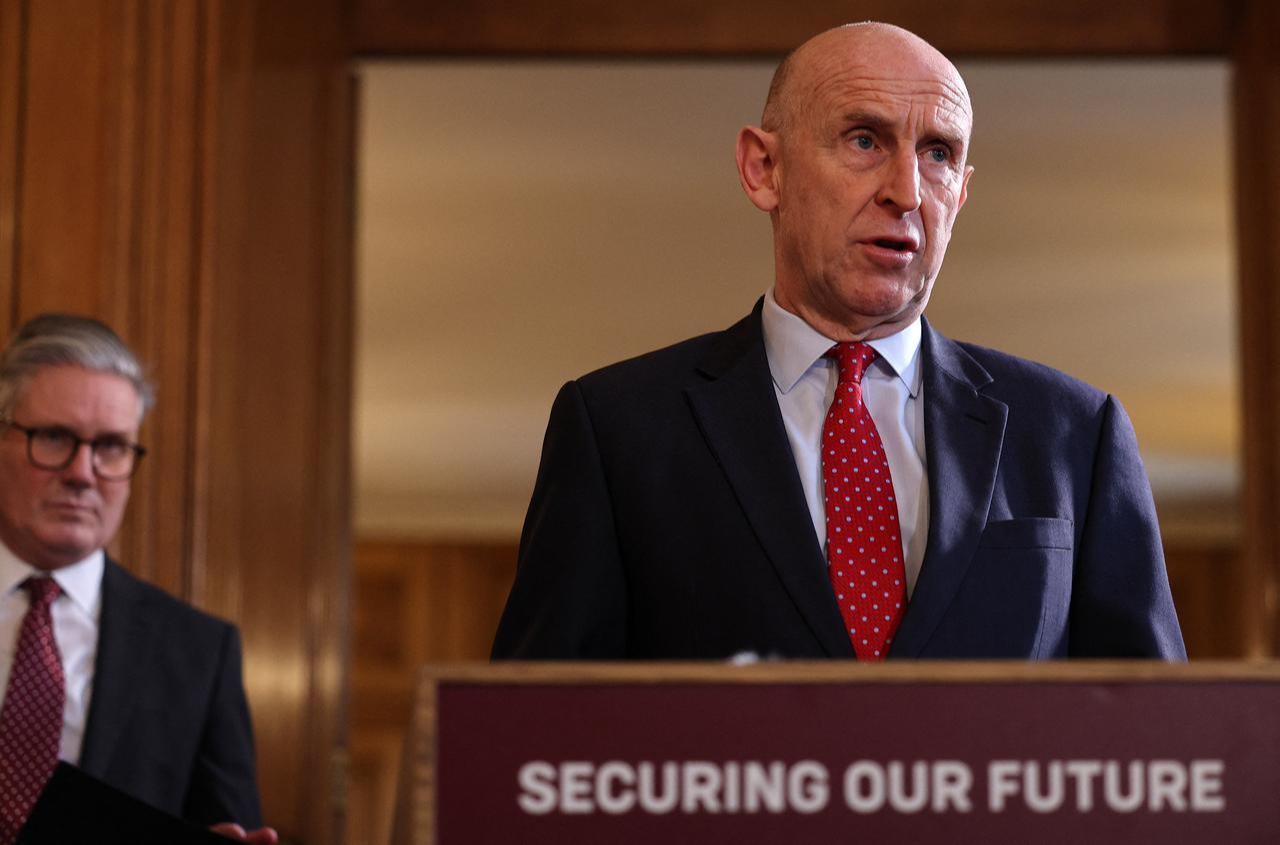
Healey wrote in his resignation letter: "You have been unable, and the Treasury has been unwilling, to commit the resources that the nation needs to defend the country at this time of rising threats. After explaining to you that I would not be able to accept a DIP settlement that does not give our Forces the resources they need, I am now left with no other option than to submit my resignation."
Healey said he was first given full sight of the Defense Investment Plan (DIP) on Monday.
The plan would see defense spending rise to only 2.68% of GDP in 2030, compared with the existing 2027 commitment of 2.6%, representing a difference of approximately £2.4 billion ($3.2B) in today's money.
He said the extra support was "backloaded when the pressure of operations and imperative to speed up readiness to fight is in the first two years," and the plan fell "well short of what is required for defense and the country at this dangerous time."
Starmer responded, saying the plan would "provide the resources our military needs to keep us safe" and that he would deliver increases "in a sustainable way" without "irresponsible borrowing."
Al Carns resigned as Armed Forces Minister around eight hours after Healey, writing: "It has become clear to me that the change I had pushed for is not going to come. The character of conflict is changing faster than our procurement can keep up with."
Carns went further than Healey, criticizing the government's overall governing style.
"Too many working people in this country feel insecure even when they are doing everything right," he wrote, adding, "Decisions that should take days, take months. Departments fight each other instead of the problem."
His letter concluded with a call for "a new way of governing."
Carns did not rule out standing for the Labour leadership when asked on LBC Friday morning, saying: "I'm good at rugby and football, but we'll see what happens."
On BBC Breakfast, he warned the U.K. military could find itself in "a difficult position in the next two to three years should we be tested," and predicted, "a geographically constrained contest at some point that will probably involve us, allies or our partners."
Parliamentary Private Secretaries Pamela Nash and Rachel Hopkins also resigned from the Ministry of Defense, bringing total resignations from the defense team to four.
Starmer appointed Dan Jarvis, MP for Barnsley North and a former Parachute Regiment major, as the new Defense Secretary.
Jarvis, who served in Kosovo, Sierra Leone, Iraq, and Afghanistan and holds an MBE for military service, said in a post on X: "The defense of our nation is the first duty of government."
However, Downing Street was unable to confirm whether Jarvis had agreed to the same Defense Investment Plan that led Healey to resign. Asked directly, Number 10 said only that work and discussions were "ongoing," and insisted the DIP would still be published before the NATO summit.
Speaking on BBC Breakfast, Lord Peter Ricketts, former national security adviser to David Cameron, said Jarvis faced "a mountain to climb" and warned Britain was no longer seen as a "credible" leader on defense spending in Europe.
Speaking on Sky News' Electoral Dysfunction podcast with Beth Rigby, former Labour deputy leader Harriet Harman described the resignations as "a massive body blow" to Starmer, saying Healey's departure "pulls the rug" from the view that Starmer had been a success on foreign policy.
The resignations land against a backdrop of declining UK military strength.
Since 1990, the British Army has fallen from 153,000 regular soldiers to 73,790, barely above the minimum recommended in last year's strategic defense review.
The Royal Navy has dropped from 48 major combat ships to 13.
The Royal Air Force has reduced from over 300 combat jets to 144, though the remaining aircraft include more technologically advanced Typhoons and F-35s.
The DIP was originally due to be published in late 2025 and has been repeatedly pushed back, to the frustration of industry and military planners.


 Set as preferred source
 Set as preferred source


 1 min read
 1 min read