Newsletters


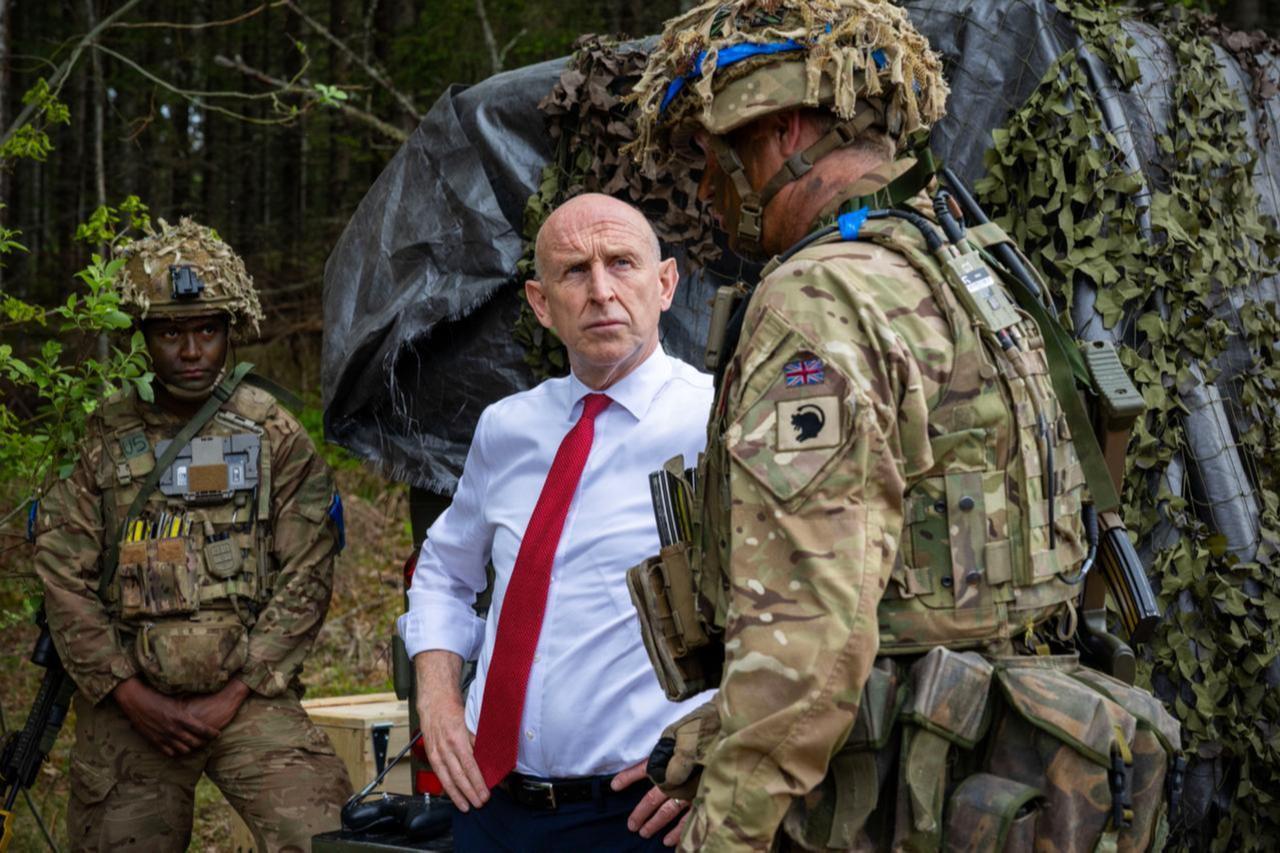


British Defense Secretary John Healey resigned on Thursday, accusing Prime Minister Keir Starmer of warning that Russia could attack NATO by 2030 while failing to provide the military with the resources needed to prepare for that threat.
In a sharply worded resignation letter, Healey said the government’s long-delayed Defense Investment Plan fell “well short” of what was required to strengthen Britain’s armed forces and protect the country during a period of rising security risks.
Healey said Starmer had himself warned that NATO could face a Russian attack by 2030 and had set out the scale of the danger in a speech at the Munich Security Conference in February.
“You made the argument for this powerfully in your speech at the Munich Security Conference back in February,” Healey wrote. “You know what defense needs.”
He accused Starmer and the Treasury of refusing to commit the funding necessary to turn those warnings into military readiness.
“Since then, you have been unable, and the Treasury has been unwilling, to commit the resources that the nation needs to defend the country at this time of rising threats,” Healey said.
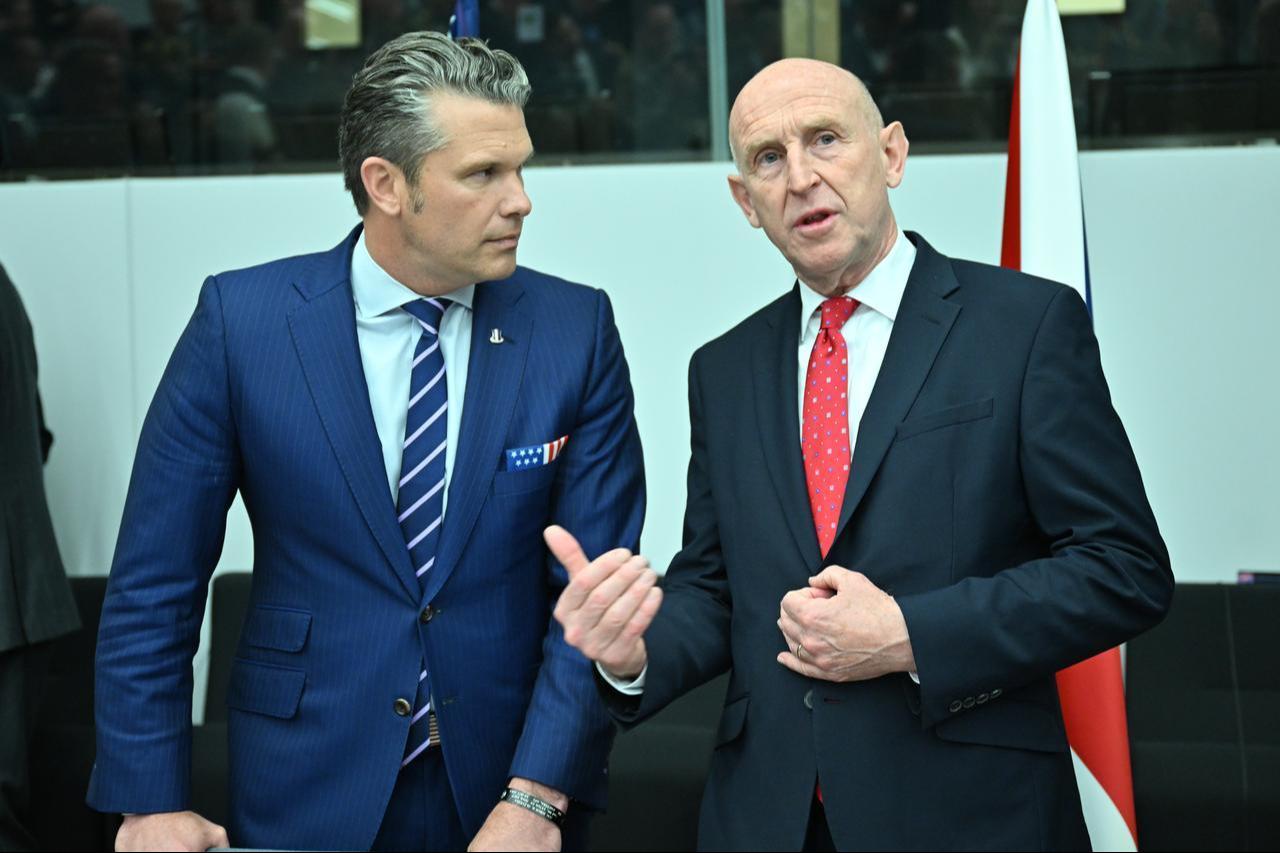

Healey said he received the final financial settlement for the Defense Investment Plan (DIP) on Monday afternoon and found that it did not meet the country’s security needs.
He argued that the proposed additional spending was delayed until later years, even though the greatest pressure to improve readiness would come during the first two years.
The plan would raise defense spending to 2.68% of gross domestic product in 2030, Healey said, while existing investments were already expected to bring spending to 2.6% the following year.
He said the timetable did not match the urgency of the threat described by the prime minister.
Healey warned that accepting the plan would force him to make decisions that could weaken Britain’s ability to respond to military threats.
“Without a DIP that meets the moment in this way, I am being forced to make decisions that would reduce the readiness of our forces and increase the risk to personnel on operations, and could make the country less safe,” he said.
Healey said he had previously informed Starmer that he could not accept a settlement that failed to provide the armed forces with the resources they needed.
“I am now left with no other option than to submit my resignation as your defense secretary,” he wrote.
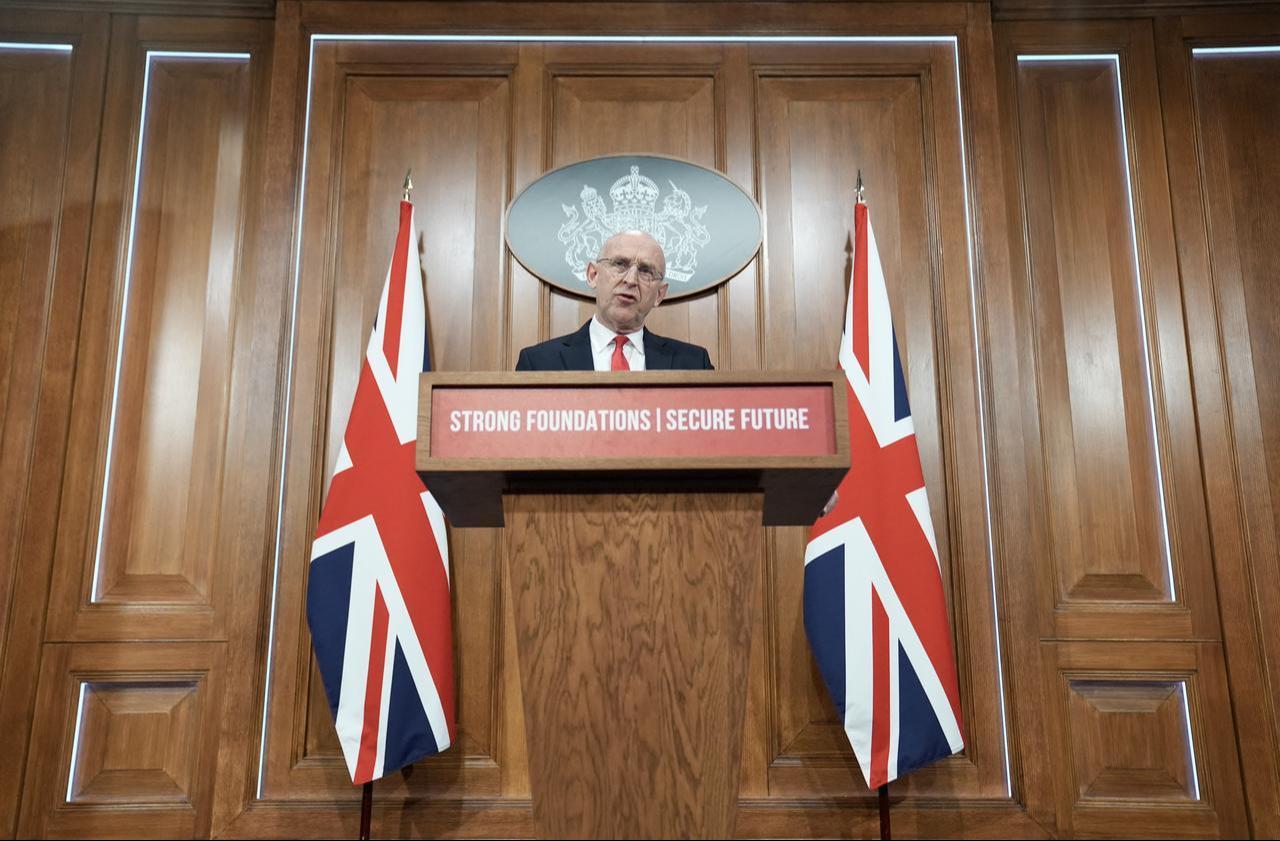
Britain’s defense and finance ministries had been locked in negotiations for months over how to increase military spending.
The dispute delayed the Defense Investment Plan, which had been expected to be published the previous year.
The plan is intended to set out funding for military equipment and services needed to move Britain’s armed forces toward what the government has called “warfighting readiness.”
Starmer said Wednesday that the plan would be published before the NATO summit beginning July 7.
Military leaders have said the investment plan is needed to address a growing threat environment, including repeated Russian incursions into British waters.
Britain’s defense industry has also criticized the delay, saying companies cannot commit to long-term programs without clarity over government spending.
The government is attempting to increase defense spending while reducing public debt and managing a tax burden already at its highest level in decades.
Britain is also adjusting to a shift in U.S. policy away from taking primary responsibility for Europe’s security.
The U.S.-Israeli war with Iran exposed gaps in British military readiness after the Royal Navy was unable to immediately deploy an advanced warship to the region.
Healey said the government’s proposed settlement would fail to provide the resources needed to respond to those pressures and prepare for the threat posed by Russia.
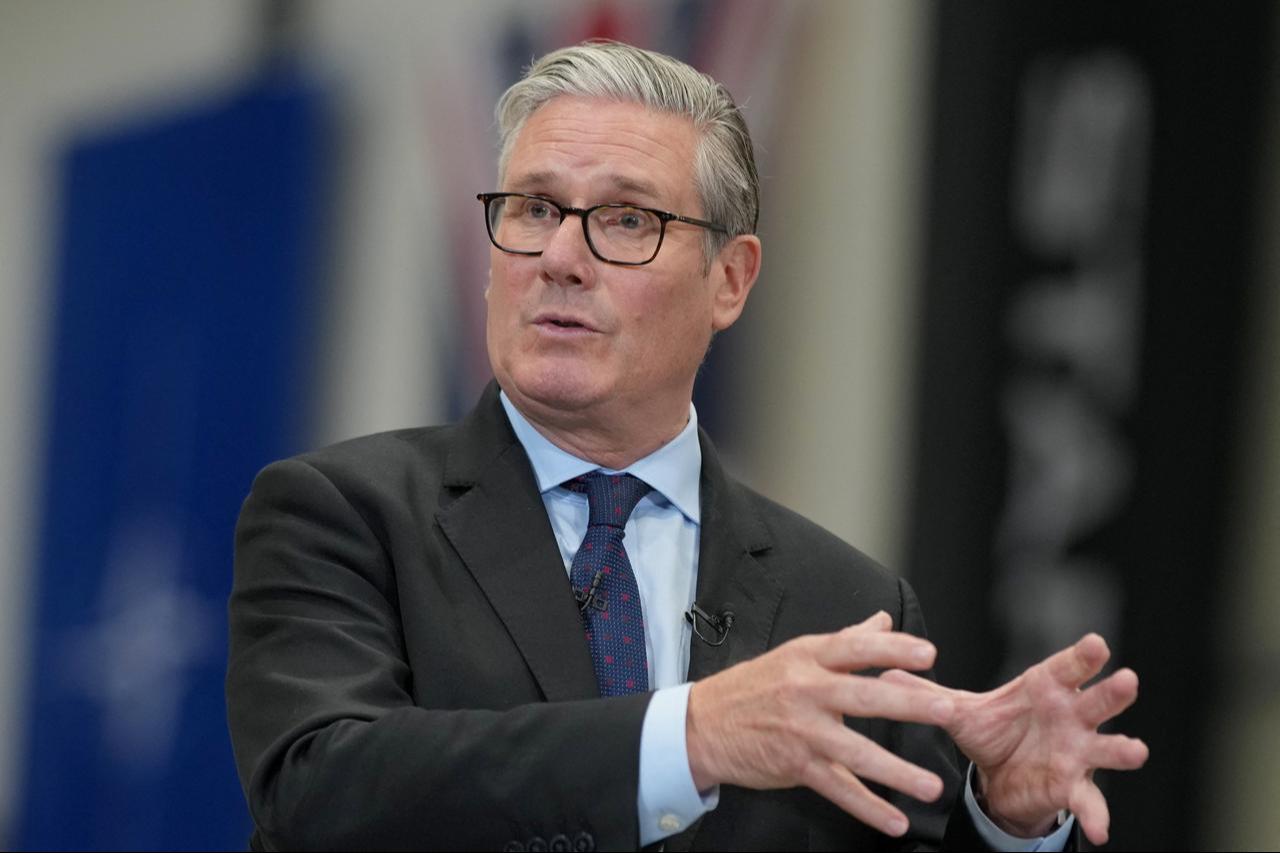
Healey’s resignation adds to mounting political pressure on Starmer as the prime minister faces the prospect of a leadership challenge.
Former Health Secretary Wes Streeting resigned in May, while Andy Burnham has sought a return to national politics ahead of a possible leadership bid.
Healey’s departure exposed a central dispute within the government over how to fund military readiness while public finances remain under strain.


 Set as preferred source
 Set as preferred source


 1 min read
 1 min read