Newsletters




Qassam Brigades, the armed wing of Hamas, announced Sunday that it had informed mediators of all the details in its possession regarding the location of the body of the last Israeli captive in the Gaza Strip. Following this, Israel announced it was carrying out extensive search operations at one of the sites based on intelligence information.
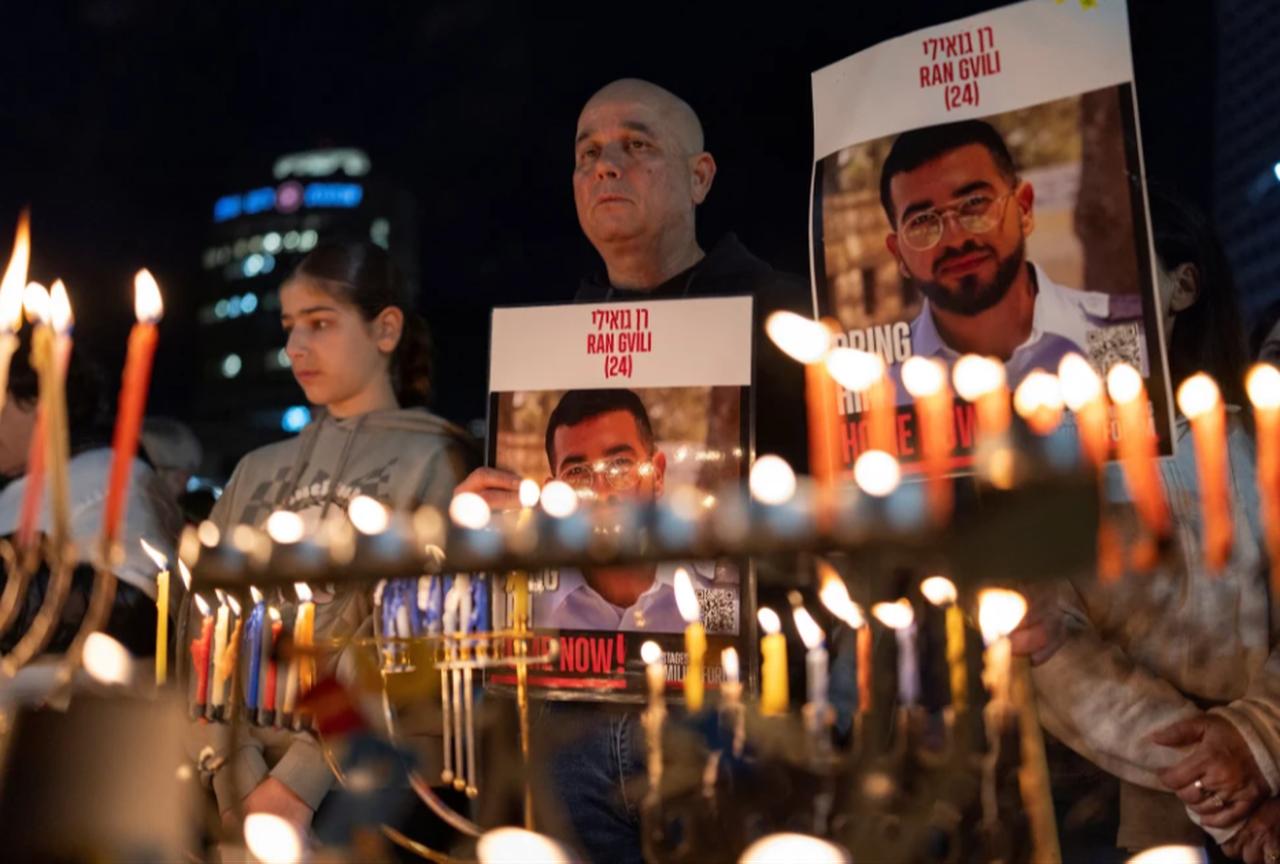
The Israeli occupation army began searching for the body of its last captive in the Gaza Strip, soldier Ran Gvili, according to its statement Sunday evening.
This came alongside remarks by Abu Obeida, the military spokesperson for the Qassam Brigades, who said earlier Sunday that Qassam is serious about locating the body of the last Israeli captive in Gaza, calling for Israel to be compelled to adhere to the ceasefire agreement signed in October.
According to the Israeli army, there were several intelligence indications regarding the location of the captive’s body, and its forces are currently acting on one lead that says Goyili was buried in a cemetery between the Daraj al-Tuffah and Shujaiya neighborhoods in Gaza City, in the north of the enclave, along the yellow line and to its eastern side, meaning the area under Israeli control.

The search operation is being led by the commander of the Alexandroni Brigade, with the participation of the 75th Battalion and engineering units, accompanied by doctors, including a dentist, as well as members of the military rabbinate to help identify the body if any trace is found.
The Israeli army said identification through teeth is considered the fastest method. It added that the dentist has a mobile X-ray device, while a military force is securing the search operations behind the yellow line.
The searches are being conducted inside the cemetery, which contains hundreds of remains. The army has prepared a comprehensive plan that includes accompanying mental health officers for soldiers taking part in the operation.
The first phase of the search covered 170 bodies. In its statement, the Israeli army said, “We hope that the intelligence information we have is correct and that the body is indeed there in the cemetery. If not, we will explore other indications and directions.”
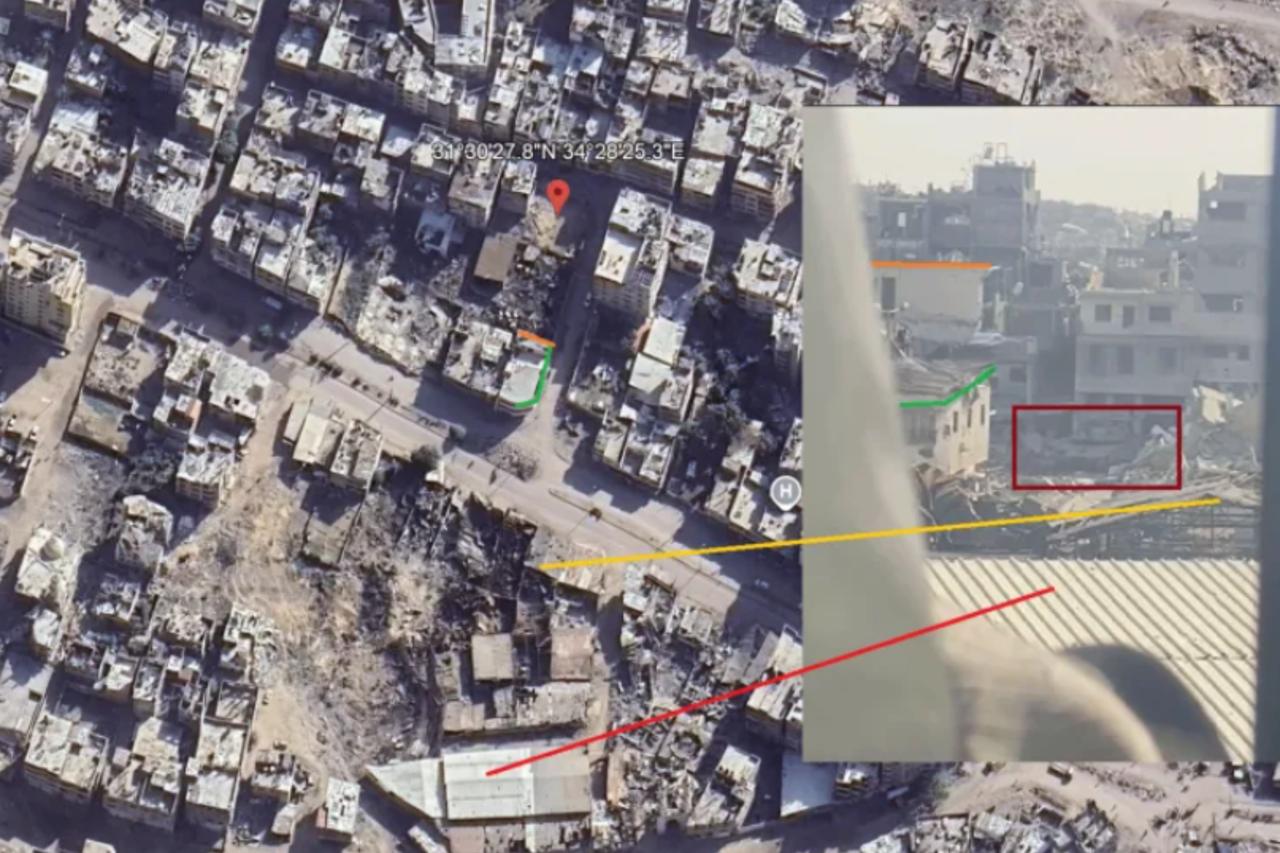
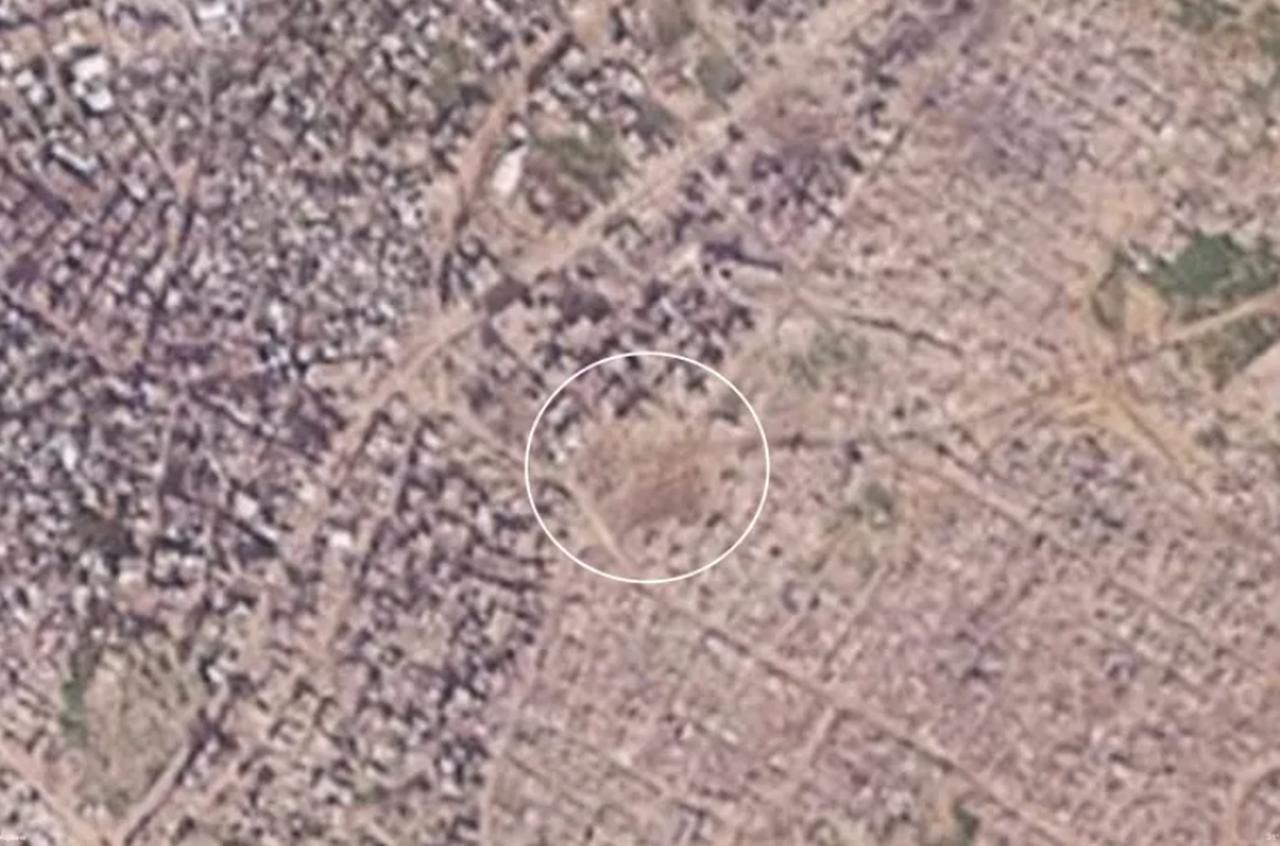
Al Jazeera’s fact-checking team identified Al-Batsh Cemetery, between Shujaiya and Al-Tuffah east of Gaza City, as the main area where Israeli forces have been operating to locate the body of soldier Ran Gvili.
The finding was based on open-source footage, geolocation and satellite imagery, after the Qassam Brigades said it had shared details with mediators and Israel announced extensive searches at one site.
The team said the operation began before dawn Sunday with explosions and the advance of vehicles and bulldozers amid shelling and heavy gunfire, and later confirmed tanks near the cemetery.
Satellite images captured Monday showed extensive bulldozing and signs of shelling in Al-Tuffah.
Israeli media outlets also reported that Israel has had intelligence information on the location of the body for around a month, but that Prime Minister Benjamin Netanyahu did not approve launching search operations at the time, citing what was described as the site’s sensitivity.
The development raised questions about whether the delay reflected security considerations or whether the body issue remained a pressure card affecting the transition to the second phase of the agreement.
In recent months, Israel has linked the reopening of the Palestinian side of the Rafah border crossing between Gaza and Egypt to the recovery of the body of its last captive from the Strip.
In the latest remarks, Hebrew media outlets reported Thursday, including Yedioth Ahronoth, quoting an unnamed Israeli official as saying, “The Rafah crossing will not be opened until the body of Ran Gvili is returned from Gaza.”
In May 2024, the Israeli army took control of the Rafah border crossing during a ground operation it launched in the southern Gaza city of Rafah, after which the crossing was closed and its facilities were destroyed.
In contrast, Ali Shaath, head of Gaza’s National Administration Committee, said Thursday that the Rafah crossing would reopen next week, without clarifying the mechanism that would be adopted.
Since the start of the first phase of the ceasefire on Oct. 10, Palestinian factions have handed over 20 Israeli captives alive and the remains of 27 others, while the remains of Ran Gvili are still unaccounted for, with Hamas continuing its search.
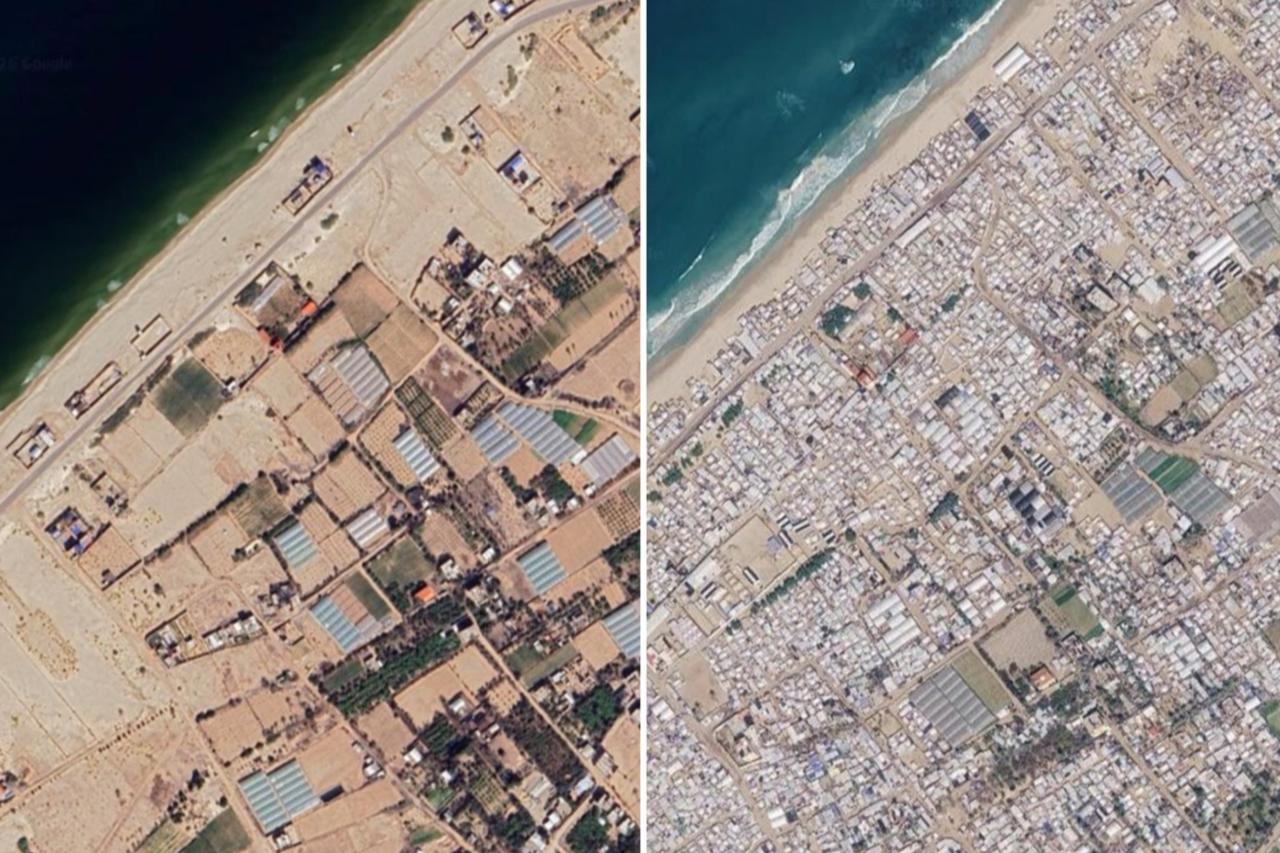
The agreement ended what it described as a genocide launched by Israel on Oct. 8, 2023, which lasted two years and resulted in more than 71,000 Palestinians killed and over 171,000 wounded, as well as massive destruction affecting 90% of civilian infrastructure, with reconstruction costs estimated by the United Nations at around $70 billion.


 Set as preferred source
 Set as preferred source


 3 min read