Newsletters


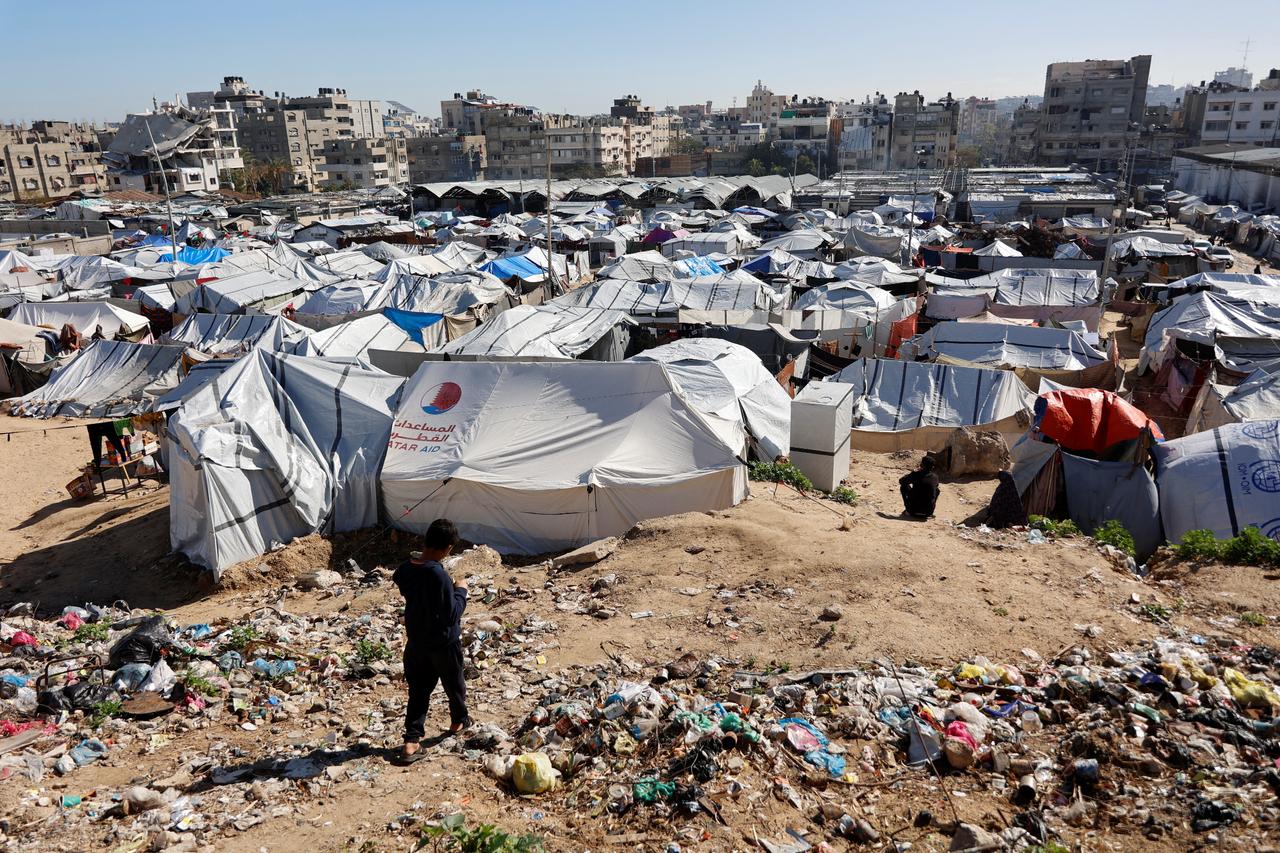


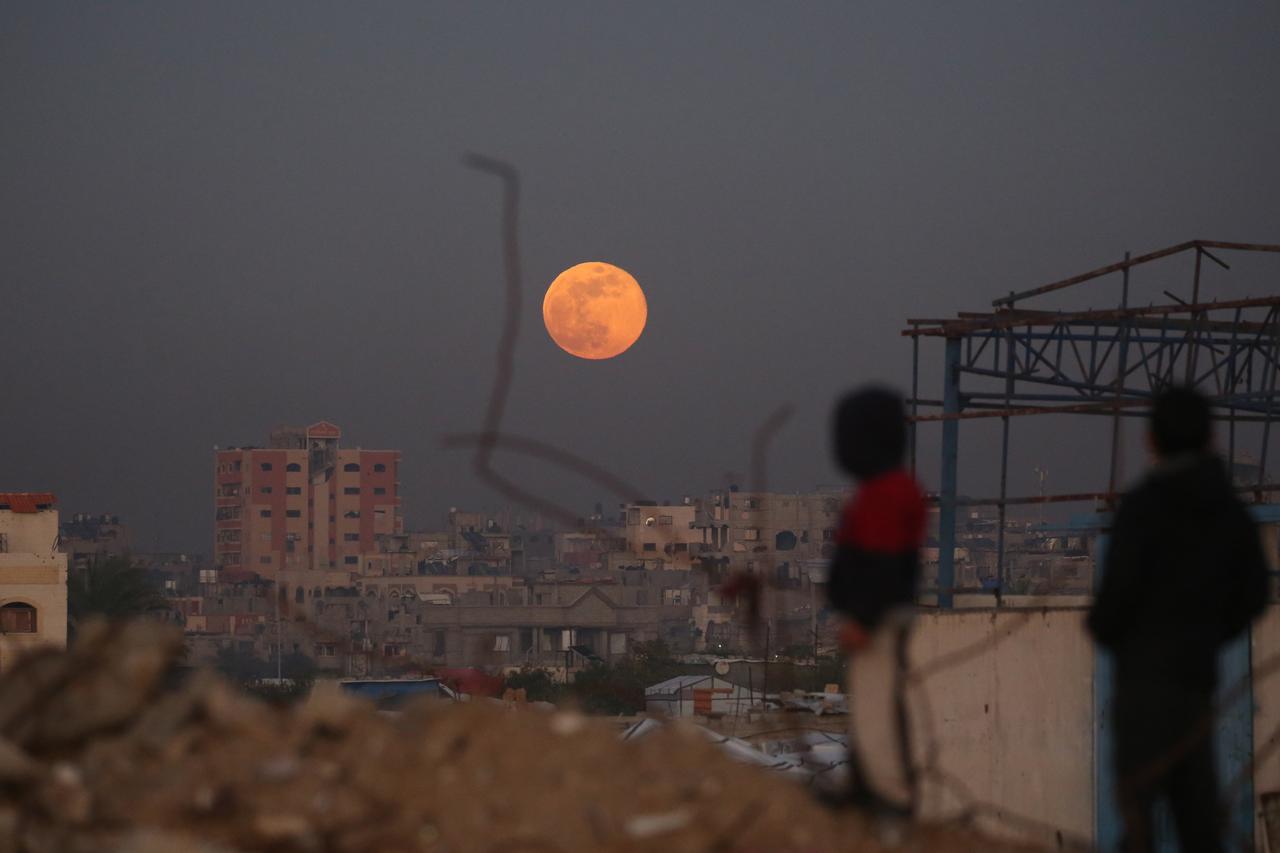
Palestinians in the Gaza Strip staged a protest on Sunday as humanitarian and environmental conditions continued to deteriorate, with displaced families facing severe cold, disease, and mounting waste despite a ceasefire that took effect in October.
Demonstrators gathered at a refugee camp in Gaza City, carrying banners reading “Enough with injustice and neglect,” “An epidemic is threatening us,” and “Trash is everywhere.”
Protesters urged the United Nations to fulfill its responsibilities and provide support as living conditions in the enclave worsen.
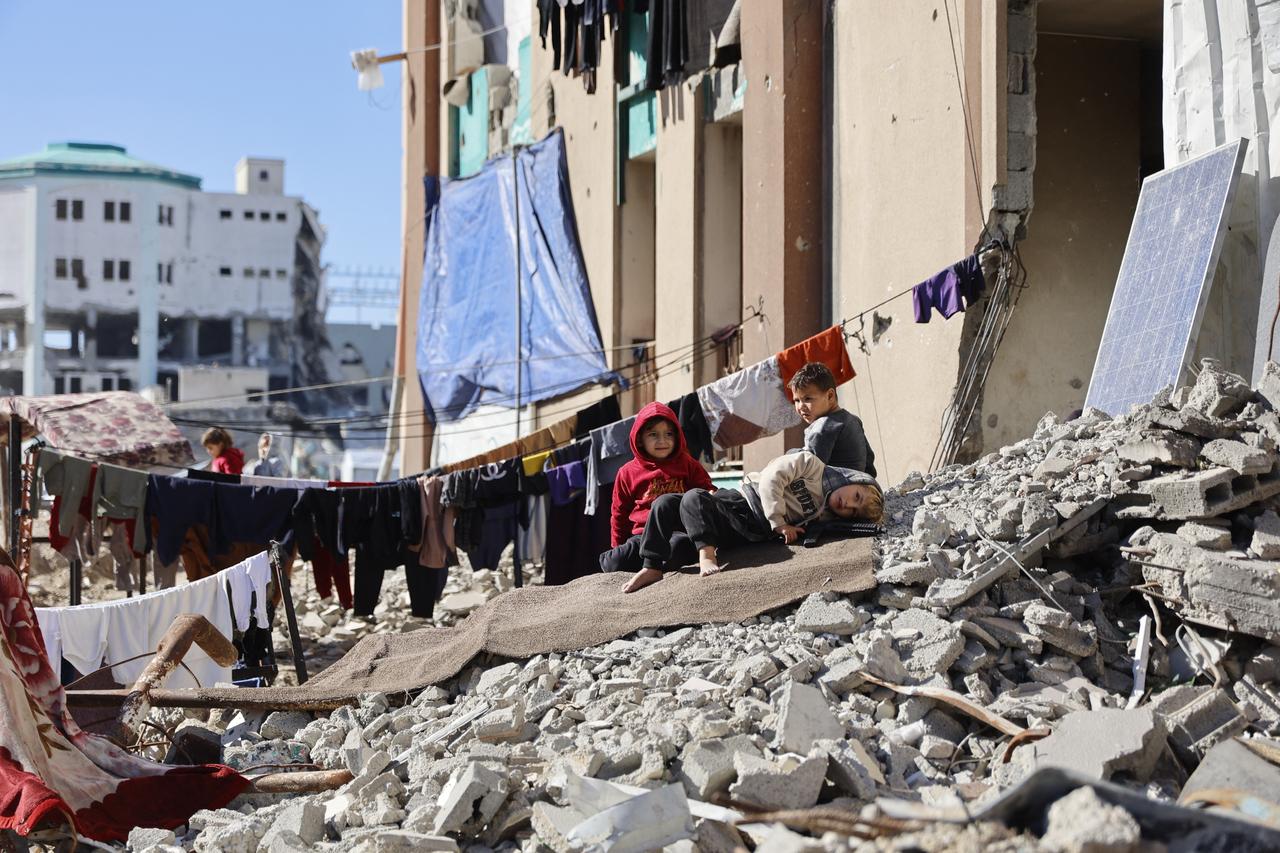

Eylin, a Palestinian girl who was forcibly displaced by Israeli attacks, said families are living in tents that do not protect them from extreme weather.
“We live in tents that offer no protection from heat or cold,” she told Anadolu Agency.
“Children and people are dying because of disease, rodents and extreme cold. We want to rebuild our lives and we need homes that will protect us.”
Said Akluk, an official from Gaza’s Health Ministry, said waste collection mechanisms are no longer functioning across the territory due to ongoing attacks, making it impossible to transport garbage to landfills under hygienic conditions.
He said the tents fail to meet even minimum hygiene standards, accelerating the spread of infectious diseases.
Rodents and insects have multiplied after Israel banned the entry of pest control products, Akluk added, noting reports of stray animal attacks, particularly on children.
Since the beginning of winter, 21 Palestinians have died from the cold in Gaza, where the humanitarian situation has been exacerbated by blockade measures, continued attacks and widespread displacement.
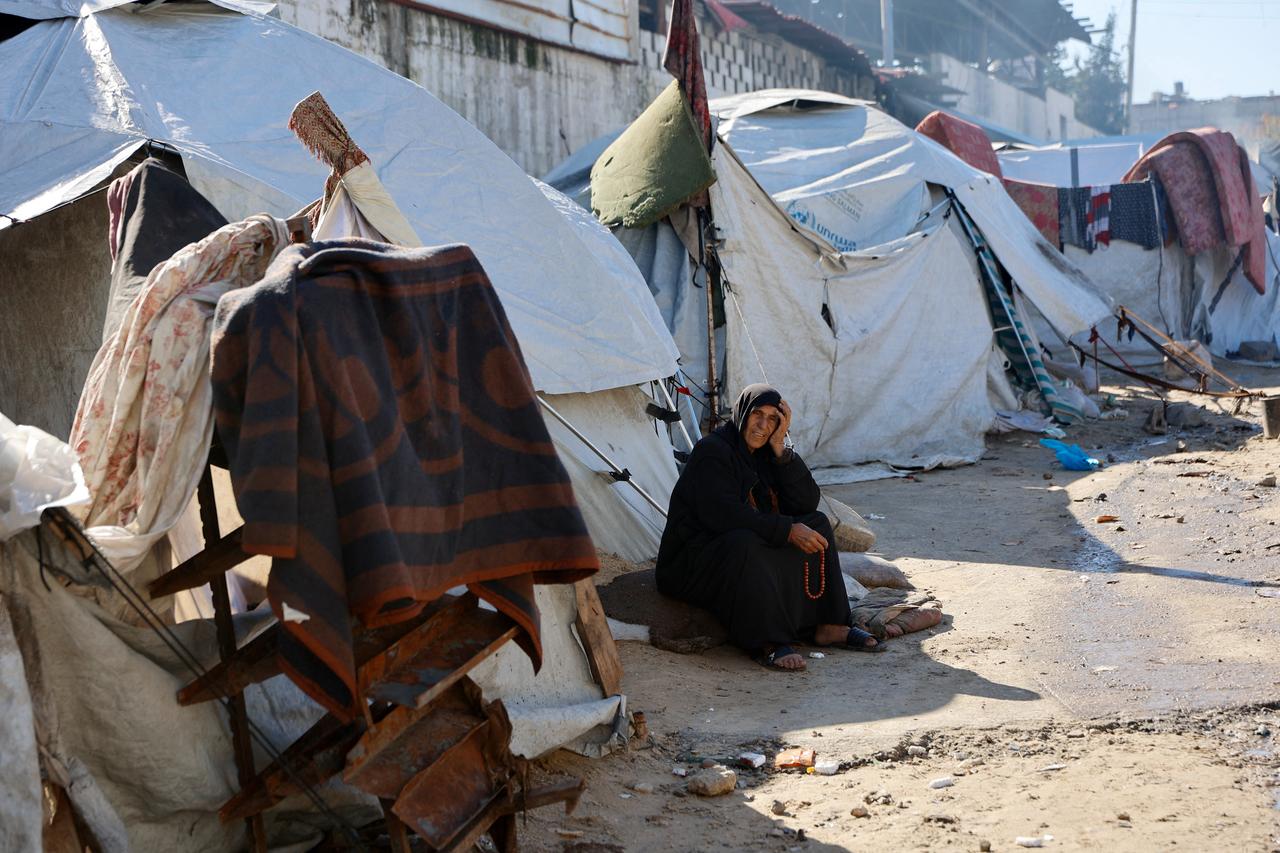
In a statement, Gaza’s Government Media Office said that despite a ceasefire agreement that took effect on Oct. 10, Israel has continued violations and restricted the entry of humanitarian aid, deepening the humanitarian catastrophe.
The office said hundreds of thousands of Palestinians are struggling to survive in makeshift tents without protection from severe cold, rain and wind, while shortages of shelter, health care and heating have placed infants and children at particular risk.


 Set as preferred source
 Set as preferred source


 1 min read
 1 min read