Newsletters


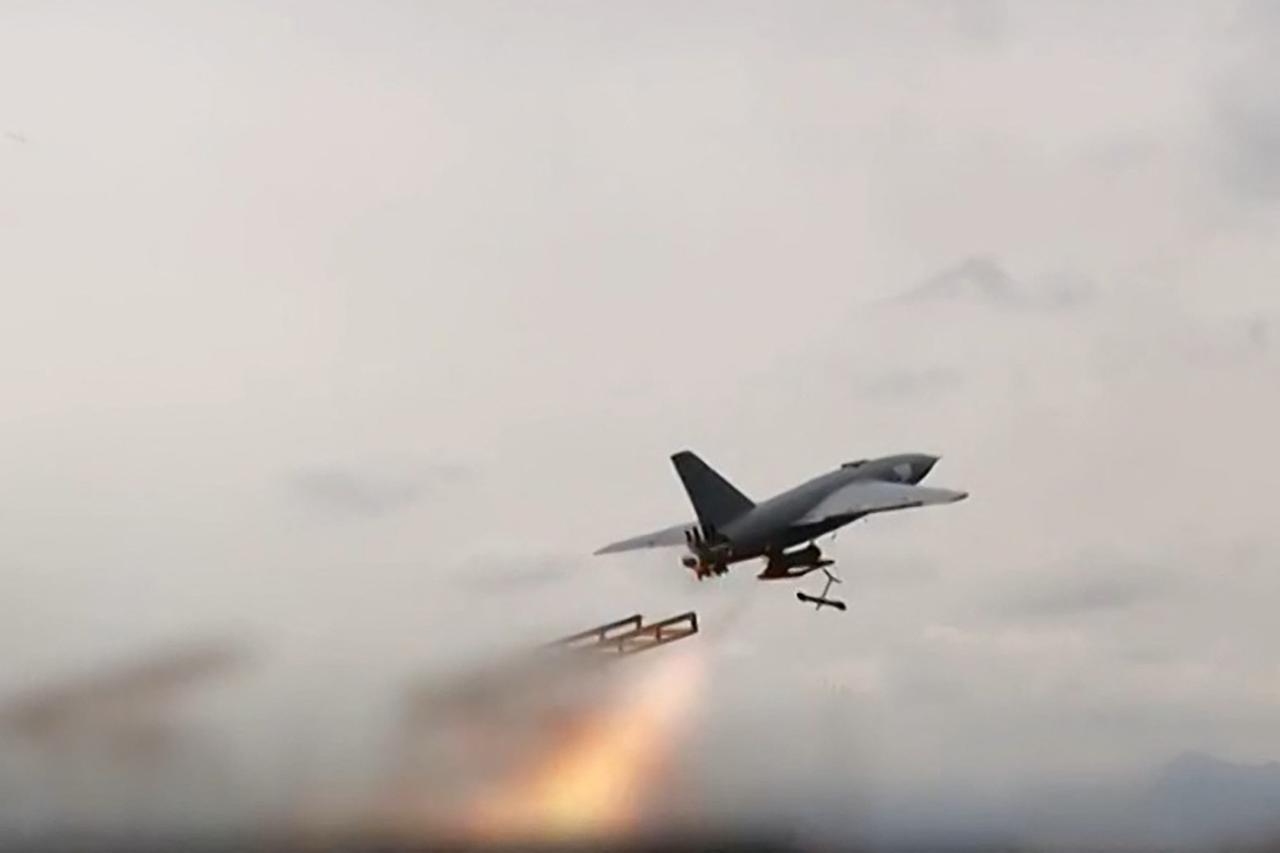


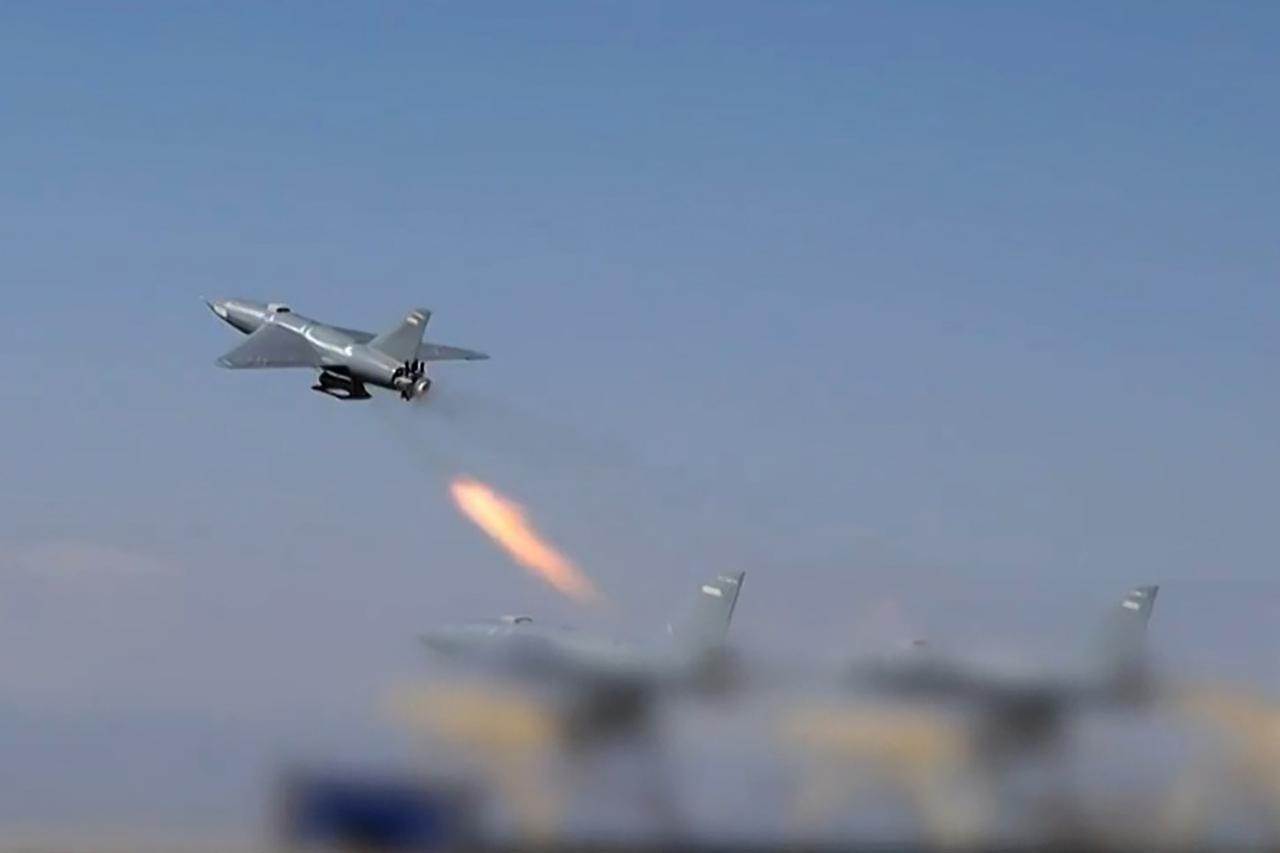
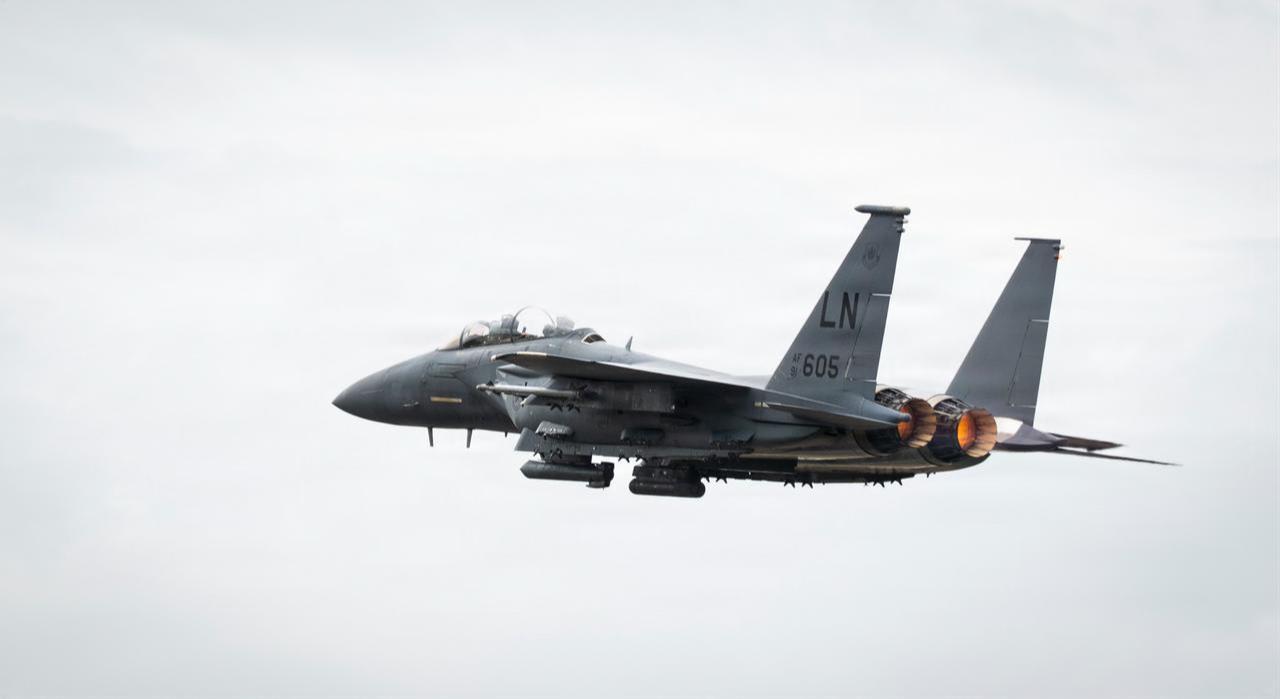
A U.S. fighter jet pilot shot down over Iran in April told intelligence officials he saw multiple Iranian drones hovering and moving together in a formation resembling a jellyfish moments before he ejected, CNN reported, citing four sources familiar with the matter.
The account, shared by the F-15E pilot during a debriefing after the incident and not previously reported, immediately set off a debate within the U.S. intelligence community. If accurate, the sighting would represent an alarming advance in Iranian drone capabilities.
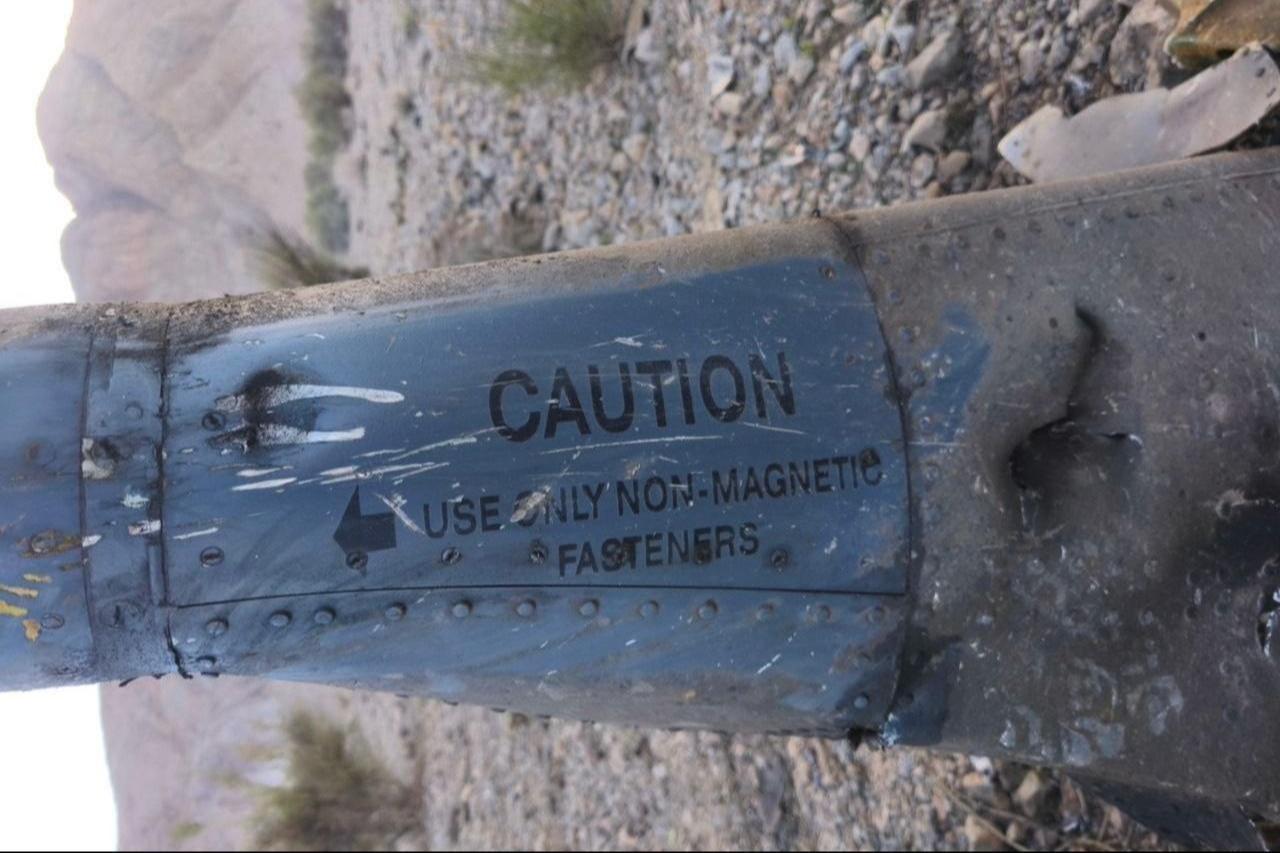

Explaining the formation, one source familiar with the pilot's account told CNN that it resembled "multiple drones interconnected and moving as one with smaller drones below the bigger drones like legs."
"Real alien s***." Another source said the pilot described witnessing a "minefield of drones" in the air.
While the exact cause of the F-15E's downing is still under investigation, two of the sources said initial reports indicated the drone formation may have in some way enabled Iran to shoot down the American jet.
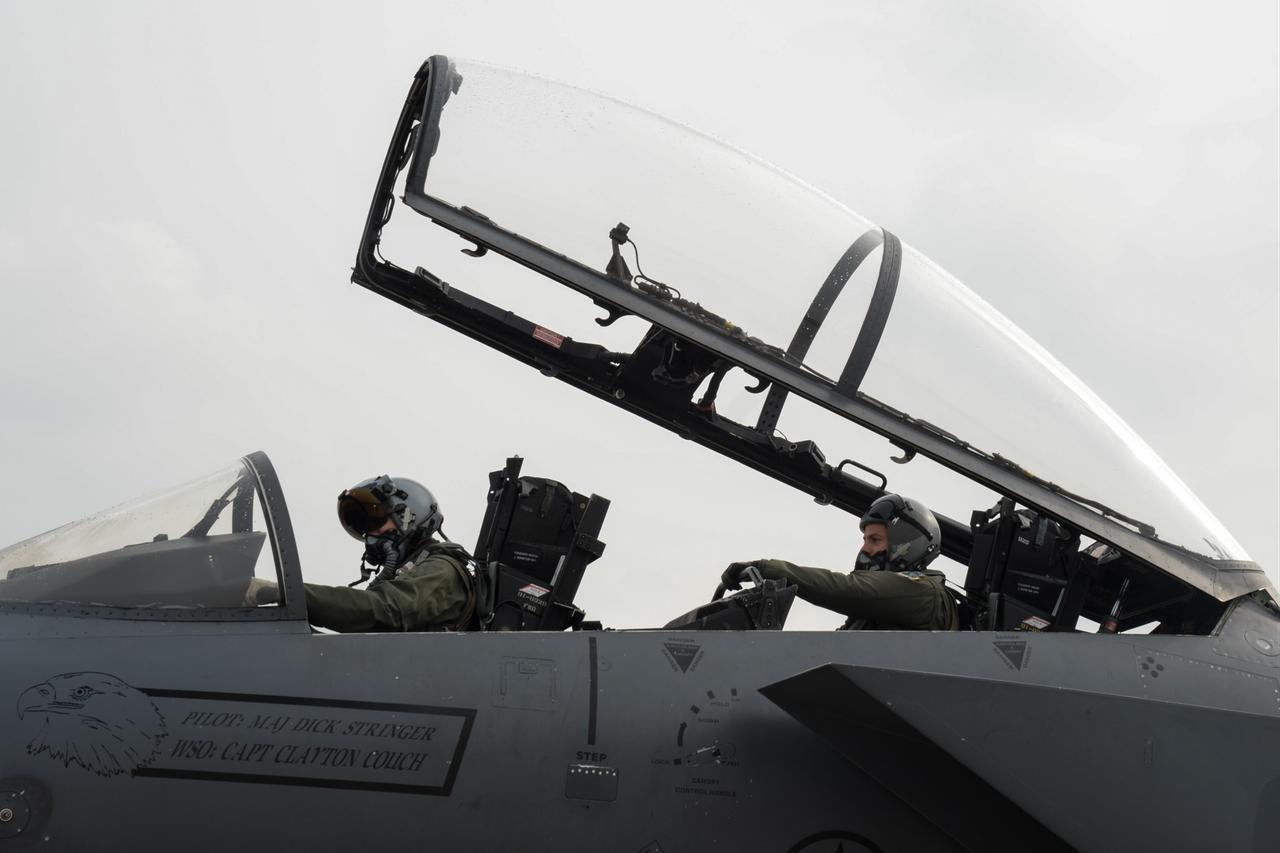
The F-15E carried a crew of two, a pilot and a weapons systems officer, and its downing marked the first time a U.S. aircraft was shot down over Iran during the conflict.
U.S. forces immediately launched search-and-rescue efforts. The pilot was rescued hours after ejecting, while the weapons systems officer evaded Iranian capture in the mountains for more than a day before also being rescued.
It is unclear whether the weapons systems officer also witnessed the drone formation.
A second aircraft, an A-10, was downed during the rescue effort, though that pilot managed to eject safely outside Iranian airspace.
U.S. intelligence officials disagreed on how to interpret what the pilot described and whether he could recount the incident clearly.
"The pilot had been concussed in the crash, and it was his second time being shot out of the sky during the war. He had also been among the pilots downed earlier in the conflict in a friendly fire incident involving Kuwaiti forces," according to two of the sources.
Officials conducting the debrief reportedly questioned the account directly.
"Are you sure you saw what you are saying you saw?" officials asked, according to one source, raising the possibility that the pilot had witnessed a mature capability unknown to U.S. intelligence, a beta test, or even a mirage in the desert.
According to the sources cited by CNN, the capability described by the pilot is technically known as "one-to-many meshed networking," a system that allows a single operator to command several drones simultaneously.
Russia and China are believed to already possess this capability.
The specific drone capability described by the pilot had not previously been assessed by U.S. intelligence agencies as something Iran possessed, though two sources said there is a trail of reports indicating Iran had received assistance from China and Russia in developing its drone technology.
One U.S. official noted that meshed networking could theoretically also serve a benign purpose, such as providing internet connectivity in remote areas lacking existing infrastructure.
Iran aggressively employed attack drones as asymmetric weapons during the weeks-long conflict against U.S. and Israeli forces, as well as nearby Gulf countries.
Emma Bates, a drone warfare and defense modernization expert who founded the company Cachai, said any confirmed advance in this area would carry high significance for U.S. forces.
"We will spend huge, huge dollars, like a lot of blood and treasure, protecting ourselves from something that can coordinate like that," Bates told CNN.
"If it can coordinate itself into a recognizable shape and maintain that shape, and if it's got explosives on board, and if it is holding resources in reserve to attack whatever the first volley didn't destroy, that's a very capable approach," she said.


 Set as preferred source
 Set as preferred source


 2 min read
 1 min read