Newsletters


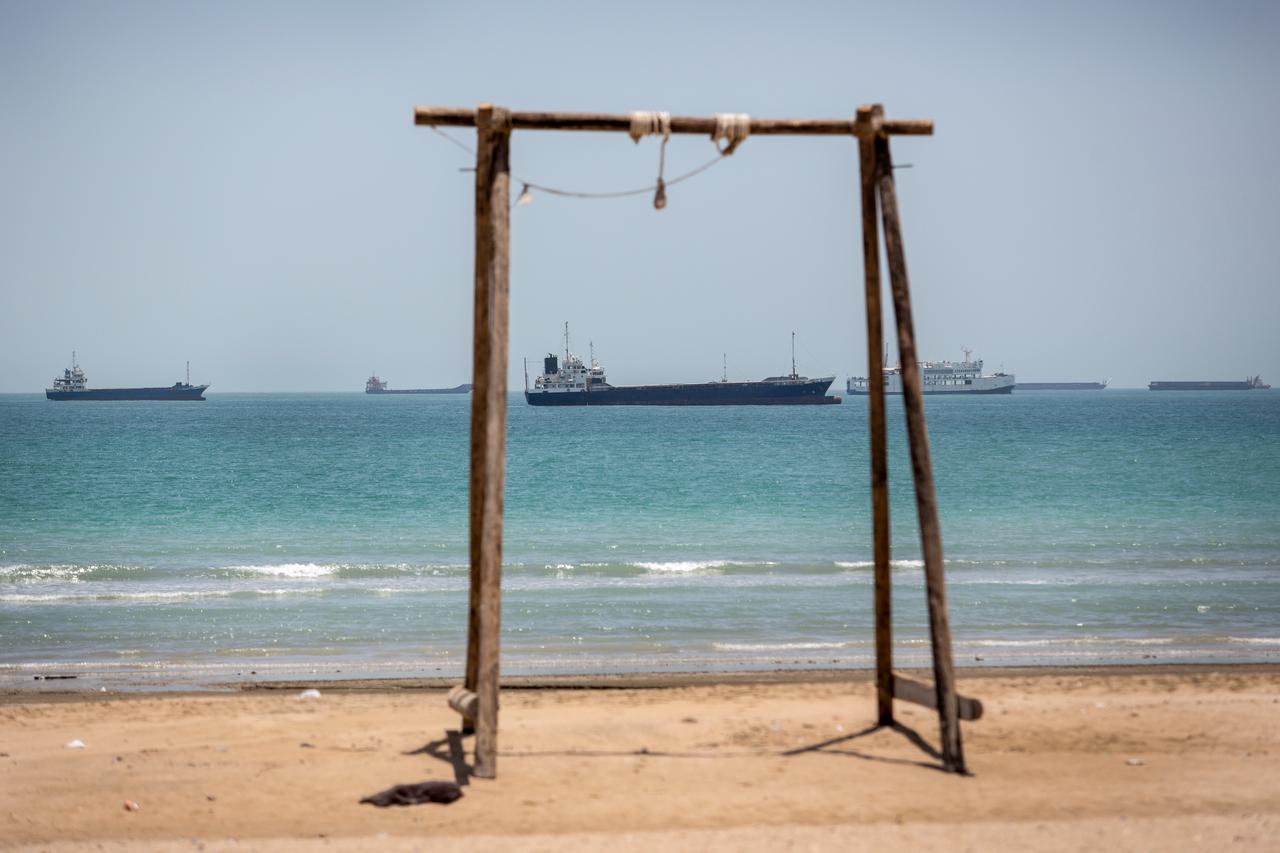


Oman and Iran agreed to establish a joint working group to negotiate the future management of navigation in the Strait of Hormuz, including the services to be provided there and the associated costs, according to a joint statement issued Tuesday by Oman's Foreign Ministry.
The statement followed talks in the Omani capital during a visit by Iranian Parliament Speaker Mohammad Bagher Ghalibaf and Foreign Minister Abbas Araghchi.
During the visit, the Iranian delegation held an audience with Sultan Haitham bin Tariq and met separately with Omani Foreign Minister Badr Albusaidi.
Oman reaffirmed its support for the Islamabad Memorandum of Understanding (MoU) signed between the United States and Iran, and emphasized the importance of sustaining dialogue and coordination to support its successful implementation, according to the statement.
"The Islamic Republic of Iran and the Sultanate of Oman, as the Coastal States of the Strait of Hormuz, reaffirm their commitment to the safe passage through the Strait, in line with applicable international law, while emphasizing their sovereignty and sovereign rights over their territorial waters in the Strait of Hormuz," the statement said.
In accordance with the Islamabad MoU, both sides agreed to launch a joint working group between their two foreign ministries, tasked with "regulating navigation through the Strait of Hormuz." The working group will oversee the "future administration of the waterway," including maritime services and "associated transit costs" aligned with global standards.
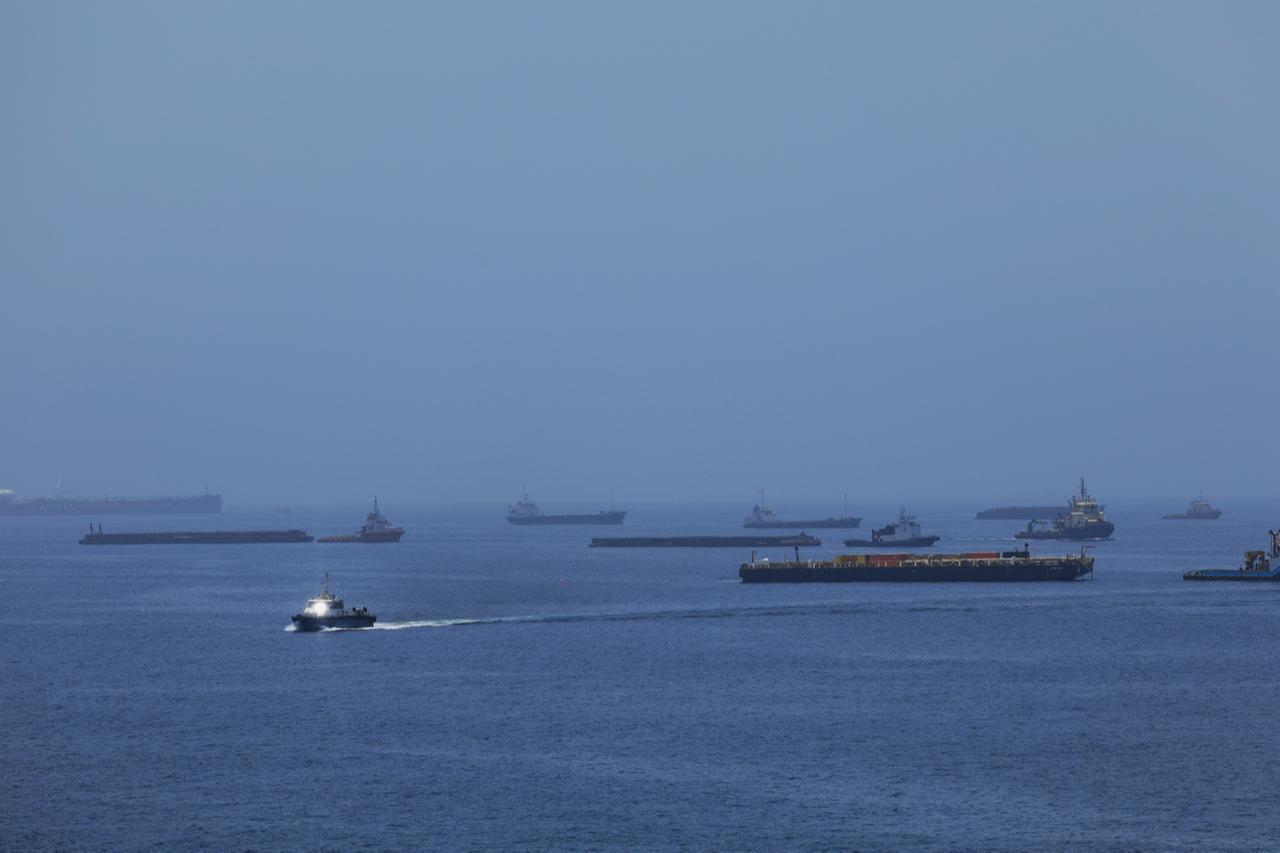

The statement said Oman and Iran also agreed to hold discussions on the matter with other littoral states in the region, as well as any other relevant parties.
"All arrangements related to the Strait of Hormuz must fully respect the sovereignty and sovereign rights of the two Coastal States of the Strait," the statement said.
The Sultanate of Oman and the Islamic Republic of Iran reaffirmed their commitment to maintaining the Strait of Hormuz as a secure and open waterway for international navigation, with both sides emphasizing the importance of continued cooperation to promote maritime safety, freedom of navigation, and regional stability.


 Set as preferred source
 Set as preferred source


 2 min read

 1 min read